

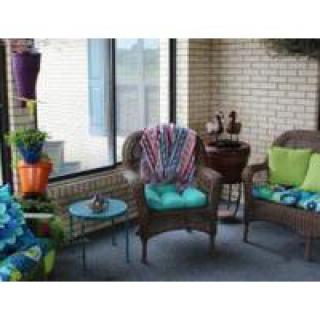
1354 Taylor Road, Independence, KS 67301
For more information about senior living options: (866) 208-4318
Overall Review of Eagle Estates
Pros
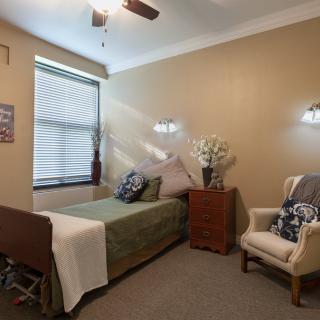
 The rooms were very nice.
- The facility has a homey environment, with signs on doors showing residents’ names.
- The staff are amazing and care about each resident.
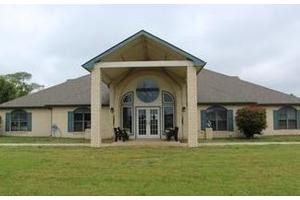
- It is a beautiful place for mom to live.
- The staff are extremely knowledgeable.
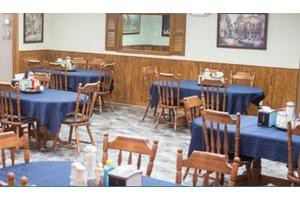
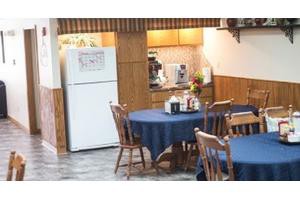
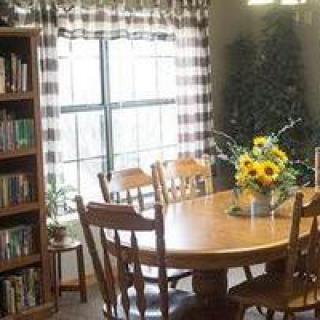
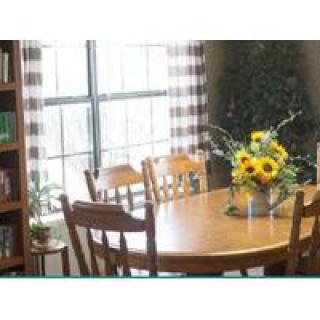
- The dining area is nice.
- The place is not fancy, but very nice.
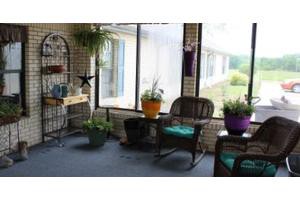
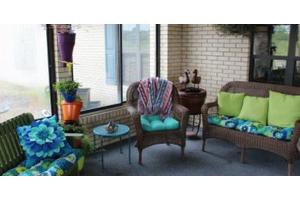
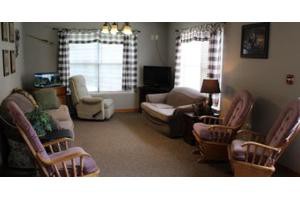
- It is very clean, inviting, and homey.
- The staff were friendly and helpful.
Cons
 Eagle Estates does not clearly divide care into levels.
- Care is provided as needed, leaving residents largely on their own.
- The facility may lack sufficient staff to lift or move a resident who worsens.
- There is concern that a resident's condition worsening could necessitate another move.
Review
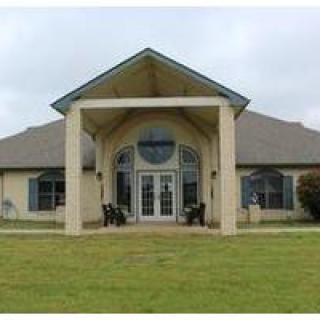
Eagle Estates is best suited for families seeking a warm, home-like assisted living option where a resident can stay fairly independent and access help on demand, without the feel of a clinical, high-acuity setting. It appeals to those who prize a personal touch, comfortable living spaces, and active social offerings, all in a straightforward, neighborly atmosphere. For relatives with relatively stable daily needs who still want reliable support available when needed, this community delivers. Those with higher-acuity requirements should consider alternatives with more defined care levels and stronger on-site staffing for lifting, transfers, and around-the-clock assistance.
The biggest structural question is care organization. Eagle Estates does not segment care into formal levels; assistance exists, but residents are largely expected to manage day-to-day needs until help is requested. That approach can pose a real risk if health declines, because the operation’s staffing and escalation processes aren’t built for rapid response to heavier needs. The practical consequence is a potential move to a higher-acuity setting later on, which is disruptive for families who chose a home-like environment to avoid that kind of upheaval. In short, this model works well for those not anticipating rapid increases in care requirements.
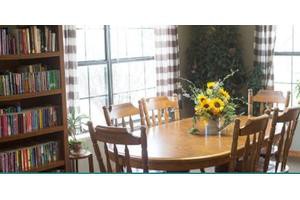
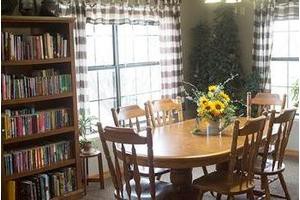
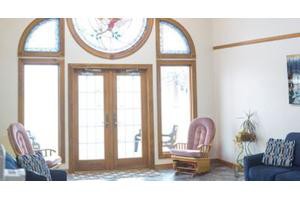
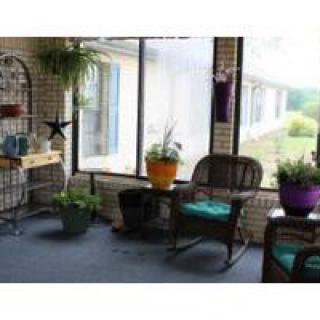
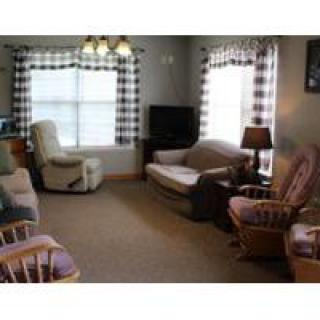
Nevertheless, the positives are tangible and meaningful. The environment feels genuinely homey, and the rooms are comfortable. Small touches, such as doors labeled with residents’ names, enhance the sense of belonging. Cleaning, maintenance, and daily upkeep appear solid, and the common areas are arranged to support social interaction, from intimate groups to larger gatherings. Activities and services are real draws: bingo and church services anchor social life, and the dining area is inviting with options for family meals. The overall atmosphere emphasizes comfort, routine, and companionship over formality, which resonates with residents who value steadiness and personal connections.
Staff excellence consistently emerges as a core strength. Multiple families describe aides and administrators who demonstrate genuine care and commitment, with one family expressing gratitude for a staff-led, long-term caregiving approach and another noting knowledgeable, personable team members during relocation planning. A visitor’s impression of friendly, helpful staff, a clean facility, and a respectable dining area corroborates the sense of dependable, resident-centered attention. Taken together, these accounts underscore that Eagle Estates delivers reliable, compassionate care and a sense of community that families come to rely on as part of daily life.
Decision-makers should frame choices around acuity and priorities. For households prioritizing warmth, predictable day-to-day life, and meaningful social engagement in a home-like setting, Eagle Estates represents a solid match. Those who must rely on consistent heavy lifting, rapid transfers, or specialized memory care should explore alternatives, larger campuses with on-site nursing, defined care levels, or dedicated memory-care wings that can scale with rising needs. In practical terms, the community shines as a comfortable home base with real social energy and attentive staff; it is less suited as a sole solution for high-need residents.
Bottom line: Eagle Estates stands out for its welcoming, well-maintained environment and staff that treat residents as neighbors. The trade-off is limited built-in capacity for escalating care, which can necessitate movement if health declines. For families prioritizing a convivial, home-like setting and strong staff relationships, the pros strongly offset the cons. Prospective residents should probe staffing coverage, escalation plans, and transfer arrangements before deciding, and consider a trial period to confirm fit with the resident’s trajectory and preferences.
 45 resident community capacity
 Assisted Living
 Board and Care Home
 Beauty salon
 Cable or satellite TV
 Dining room
 Financial aid
 Fully furnished
 Garden
 Guest parking
 Housekeeping services
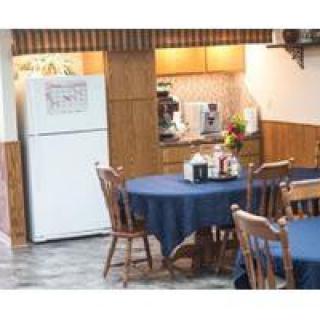
 Kitchenette
 Laundry
 Move-in coordination
 Outdoor space
 Respite or short term stays offered
 Restaurant-style dining
 Small library
 Telephone
 Wi-Fi/high-speed internet available
 Transportation & parking
 24-hour call system
 Activities of daily living assistance
 Assistance with bathing
 Assistance with dressing
 Assistance with transfers
 Diabetes diet
 Medication management
 Mental wellness program
 Special dietary restrictions
 Arts and crafts
 Fitness programs
 Games
Games Religious services
 English


 Comprehensive Insights into Activities of Daily Living (ADLs) and Their Assessment
 Medicare Coverage for Assisted Living: An In-Depth Exploration
 Choosing the Right Senior Care: A Detailed Exploration of Assisted Living and Nursing Homes