


2120 N 13th Street, Independence, KS 67301
To contact a resident: (620) 331-1400
For more information about senior living options: (866) 208-4318
Credo Senior Living Costs & Pricing
Credo Senior Living offers competitive pricing for its studio accommodations at $4,200 per month. This rate is notably higher than the average cost in Montgomery County, which stands at $2,687, highlighting a significant regional price difference. However, when compared to the broader state average in Kansas of $4,094, Credo's pricing aligns closely with the market while positioning itself as a premium option for residents seeking quality senior living experiences. Ultimately, this suggests that while Credo Senior Living may carry a higher monthly fee than local averages, it reflects an investment in superior amenities and services tailored to enhance the well-being of its residents.
| Floor plans | Credo Senior Living | Montgomery County | Kansas |
|---|---|---|---|
| Studio | $4,200 | $2,687 | $4,094 |
Assisted Living communities with a similar price nearby
-
from -$640 / mo
Morningstar Care Homes of Fredonia
$3,560 to $3,730 / month20.4 miles away
Overall Review of Credo Senior Living
Pros
 The staff took wonderful care of her and were always kind and loving.
- The food was always good and the facility was clean and lovely.
- Mom loved the people and the place.
- Residents get a lot of one-on-one care.
- The staff were wonderful from day one—very kind, caring, and respectful.
- They made her feel comfortable and included.
- The facility feels like a beautiful home away from home with compassionate care.
Cons
 The facility is beautiful, but it is a disappointing place for a loved one to live.
- Many of the staff were lax about their work, resulting in mediocre meals and dirty rooms.
- The grandparent wasn’t well cared for the last year, being allowed to wear the same dirty clothes for an entire week, with Depends soaked through and no access to water.
- There have been at least three different directors in the last year, and the newest one is hoped to address the root causes.
- The reviewer described it as by far the worst facility they had encountered.
Review
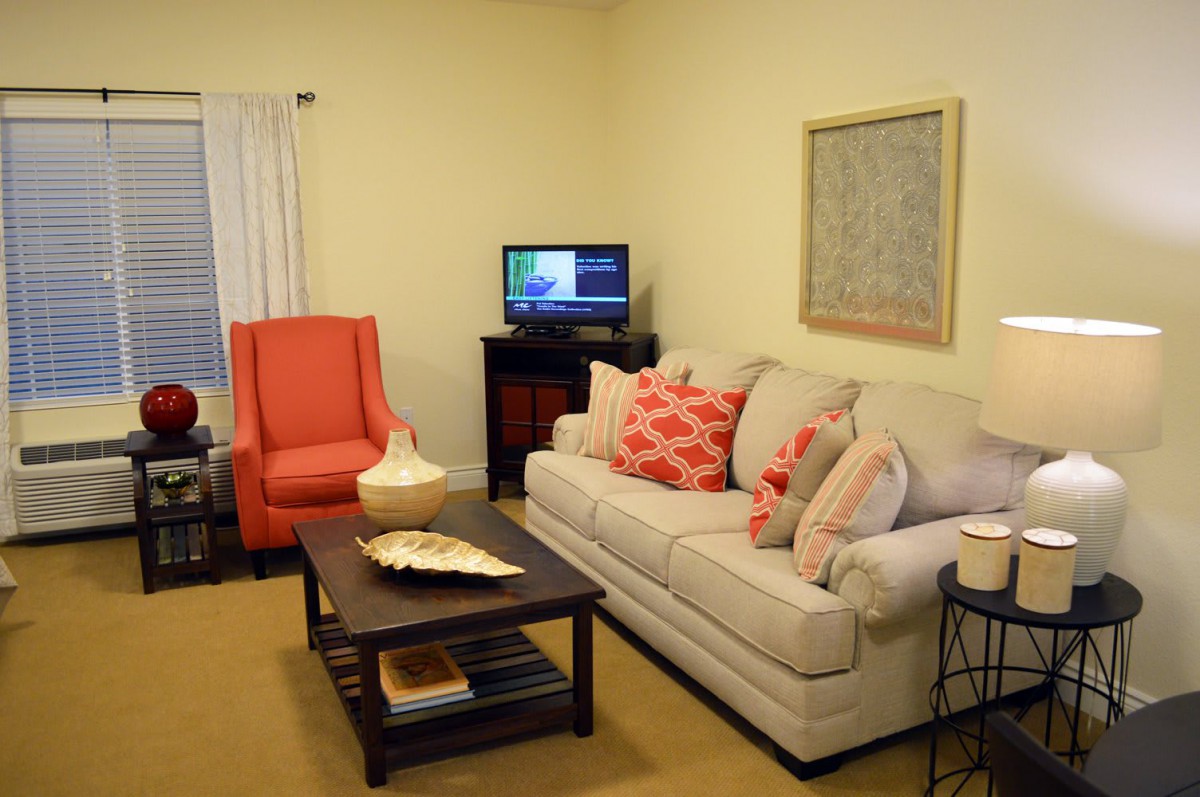
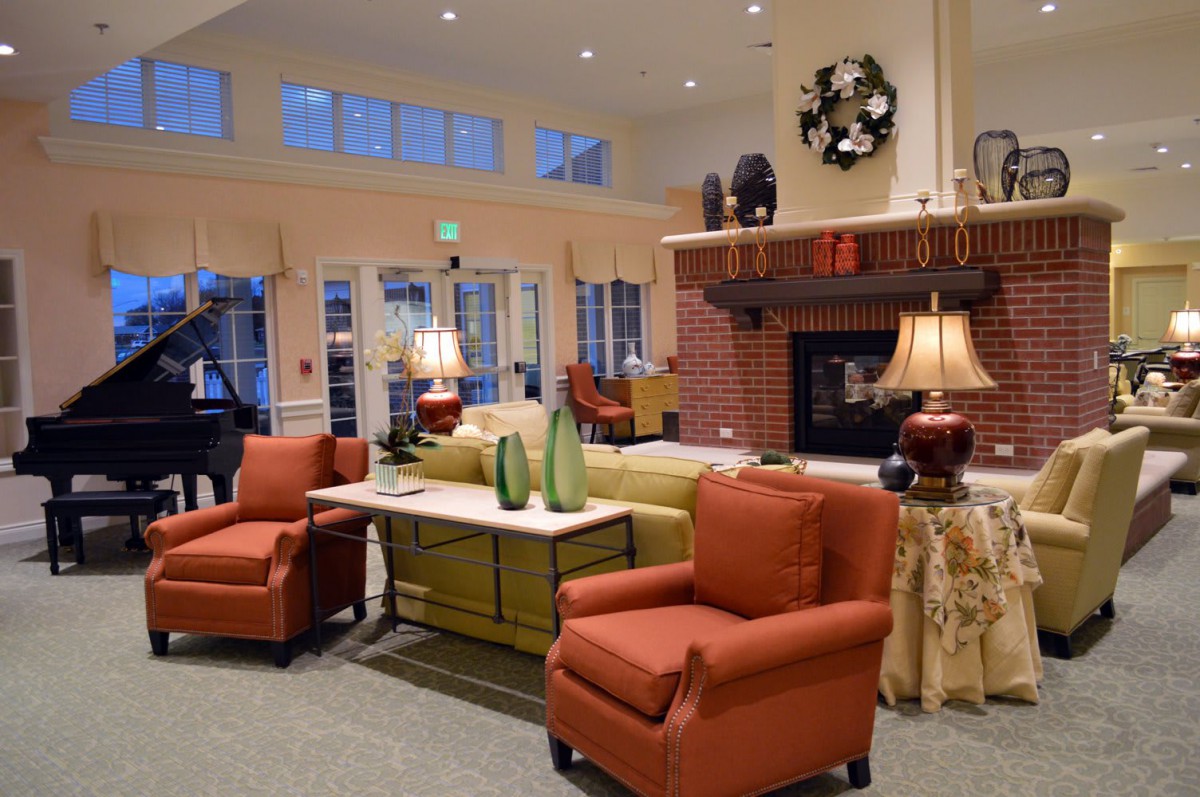
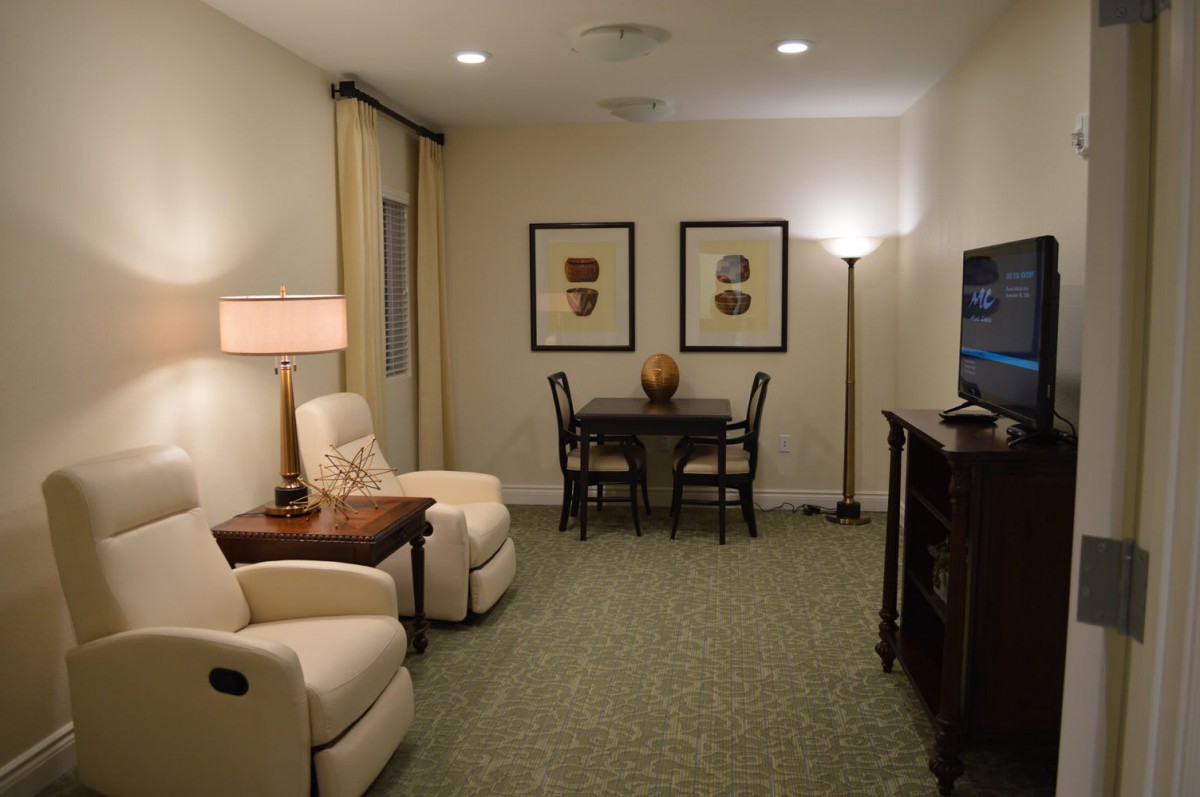
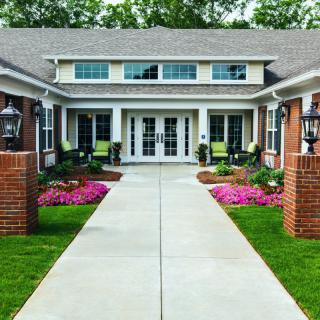
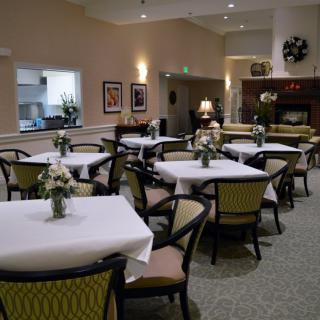
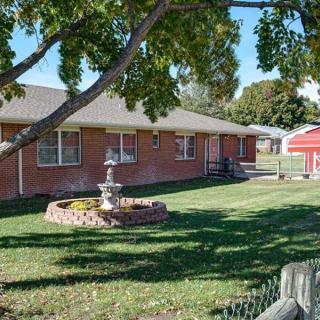
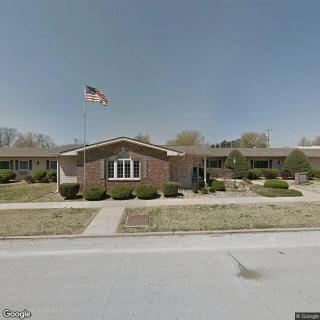
Credo Senior Living in Independence, Kansas is best suited for seniors who are largely independent but want dependable daily assistance in a warm, home-like setting. It appeals to families and residents who prize intimate, one-on-one care from a small, consistently kind staff and a facility that feels clean, welcoming, and oriented toward comfort and personal connection. For residents who value straightforward routines, respectful interactions, and a home atmosphere over high-acuity medical oversight, Credo delivers strongly. It is especially fitting for those who want to stay engaged through personal attention, manageable social opportunities, and a setting that feels like a reassuring, local community rather than a clinical environment.
That clarity, however, should be paired with caution. For loved ones who require more intensive medical supervision, constant monitoring, or frequent escalation of care, alternatives deserve serious consideration. Several reviews flag that Credo may not consistently meet higher levels of need, and turnover in leadership is noted by some families. In short, this community tends to perform well for moderate care needs and social vitality, but it is not pitched as the destination for residents who demand sustained, hands-on medical support around the clock.
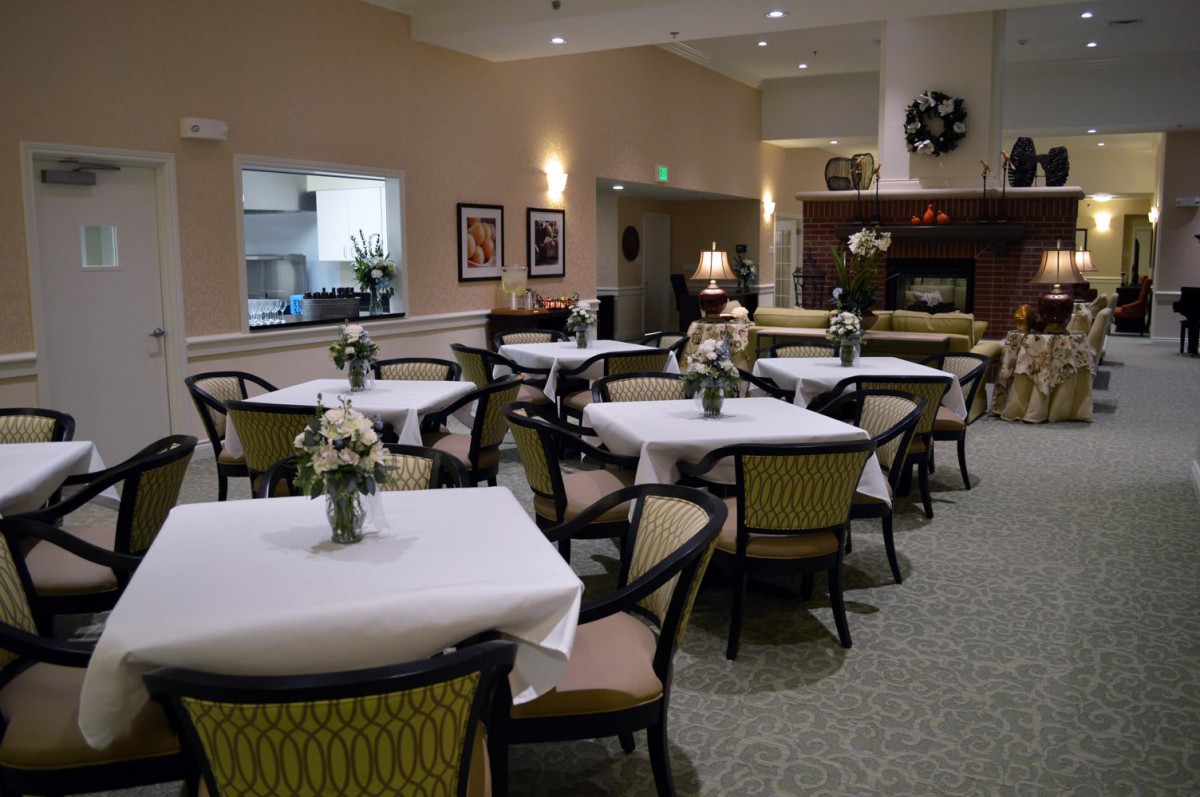
The strongest positives center on genuine, attentive care and a welcoming, home-like culture. Multiple families praise the staff for kindness, patience, and quick, respectful responses to questions and concerns. The environment is described as clean and inviting, with residents experiencing meaningful, individualized attention rather than cookie-cutter treatment. Food is cited as satisfactory, and there is a strong sense that staff go beyond basic duties to accommodate family needs and comfort. In practice, Credo delivers a level of personal warmth and relationship-building that makes residents feel understood and valued, a critical factor for families seeking peace of mind about day-to-day quality of life.
Yet the most serious caution comes from a minority of reviews describing lapses in basic care and consistency. One account paints a stark contrast: dirty rooms, damp clothes left for extended periods, and no access to water, alongside turnover among directors that raises questions about stable leadership. These concerns are not universal across all residents, but they signal that expectations for cleanliness, hygiene, and continuity of care can vary. For families evaluating Credo, these factors matter because even occasional gaps can undermine trust in the overall experience, particularly for residents who rely on staff for routine assistance and dignity in daily living.
In weighing the pros against the cons, Credo’s strengths, personalized attention, a caring staff, and a homey atmosphere, often offset the benefits of a higher-touch care environment only when the resident’s needs remain moderate and social engagement remains a priority. When care demands escalate or when steady administrative leadership is uncertain, the risk of inconsistent care grows larger. For families prioritizing warmth and everyday companionship, Credo offers a compelling, practical option. For those requiring robust, ongoing medical supervision or unwavering reliability, exploring alternatives with stronger medical integration and longer-tenured leadership may be prudent.
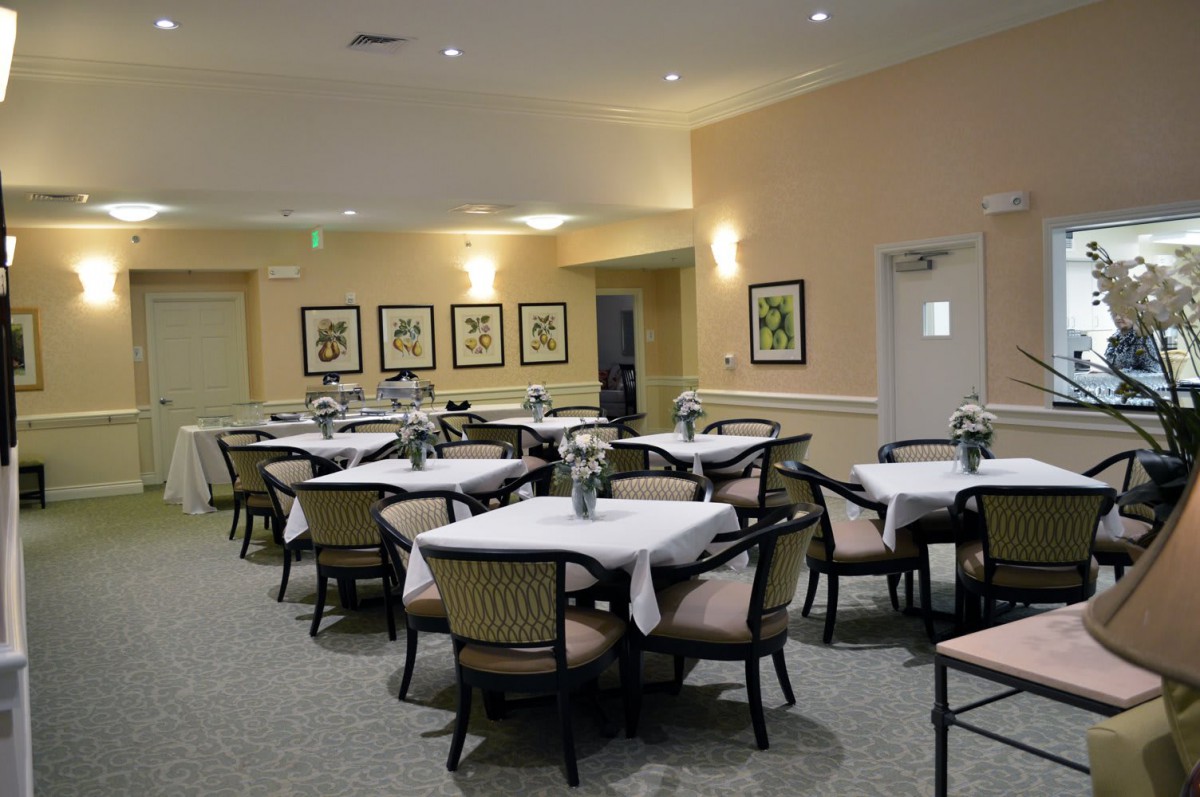
Practical next steps are essential for a well-informed decision. Schedule a visit focused on day-to-day operations: observe dining service, housekeeping and room condition, and the responsiveness of staff to questions in real time. Speak directly with multiple staff members and, where possible, with current residents or their families about consistency and what happens when care needs change. Ask about staff-to-resident ratios during peak hours, how often a resident’s care plan is updated, and whether there are ongoing medical or rehabilitation services on-site or by nearby partners. Clarify the director’s presence and recent continuity, and request a candid discussion about what improvements have been implemented in response to past concerns. Credo Senior Living excels for families seeking a homey, attentive environment with meaningful personal connection; it becomes a compelling choice for moderate-care seniors who value human warmth and cleanliness, while families needing steady, high-acuity medical oversight should treat it as one option among several in a careful comparison.
 Assisted Living
 Cats allowed
 Dogs allowed
 Activities off-site
 Air-conditioning
 Cable or satellite TV
 Devotional services off-site
 Ground floor units
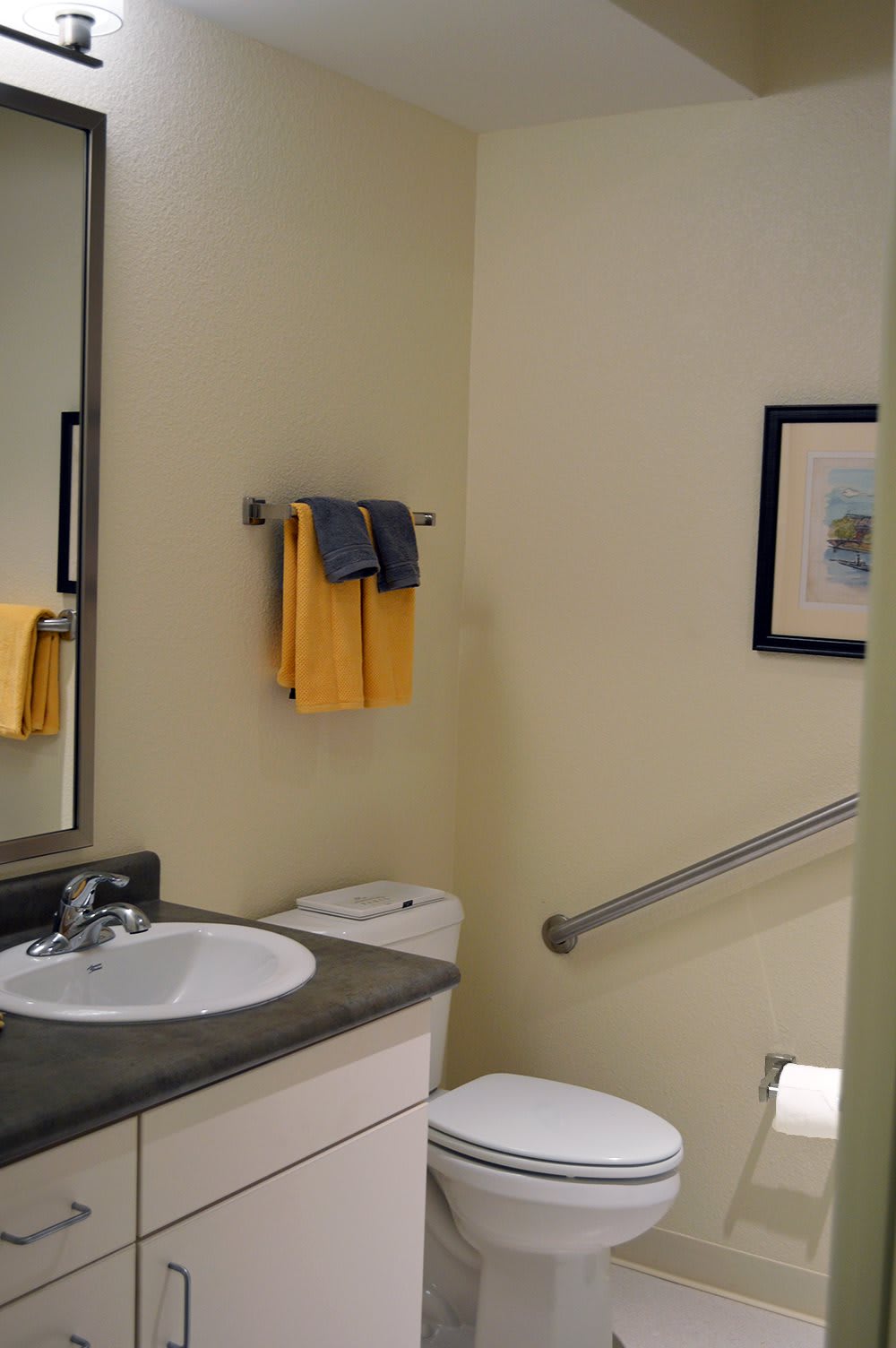
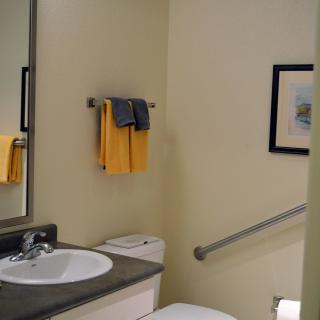
 Handicap accessible
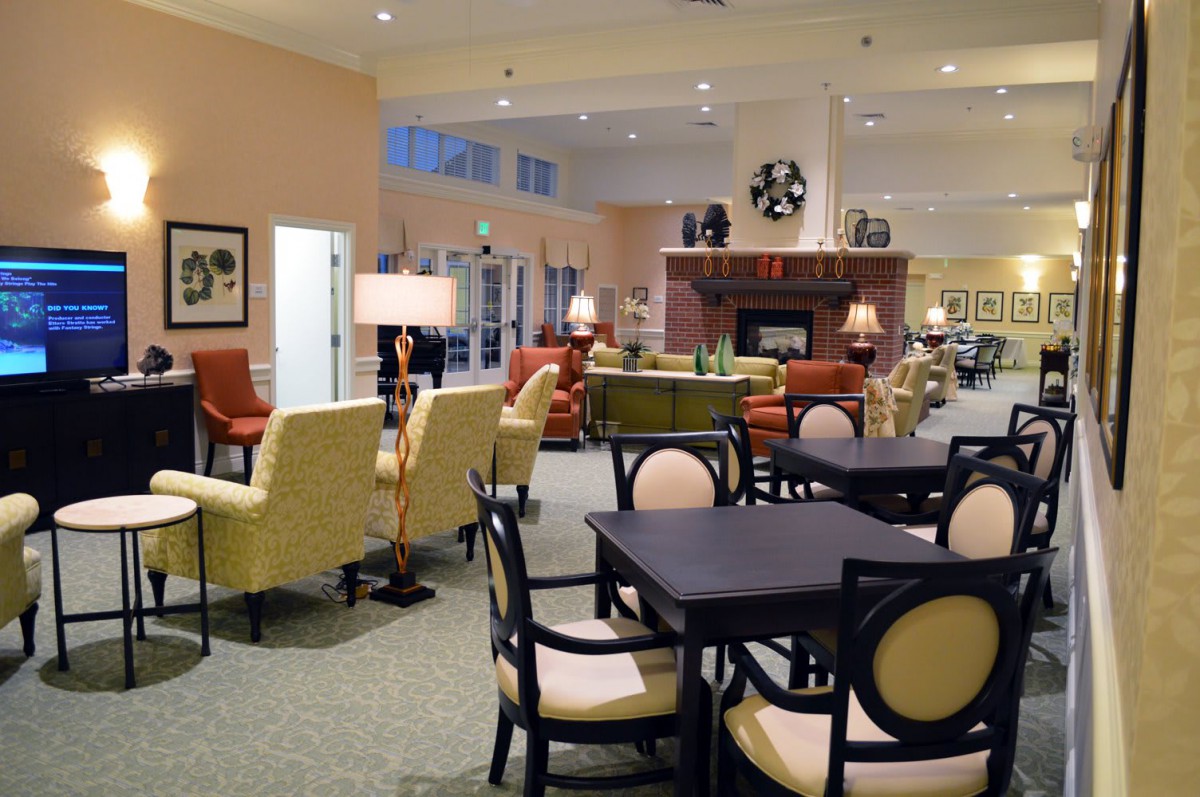
 Indoor common areas
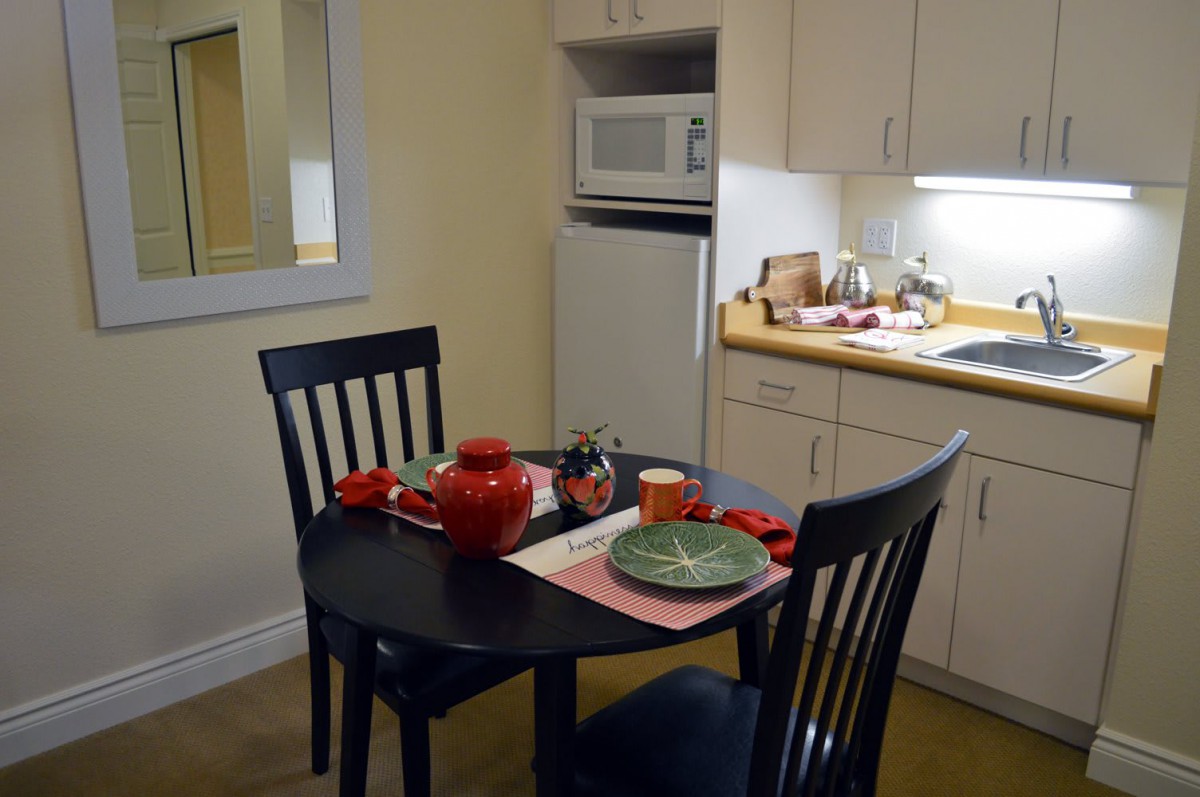
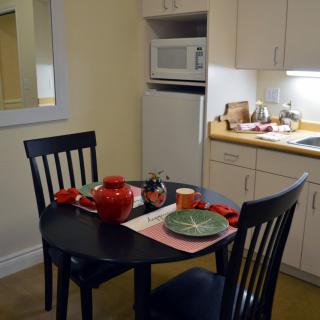
 Kitchenette
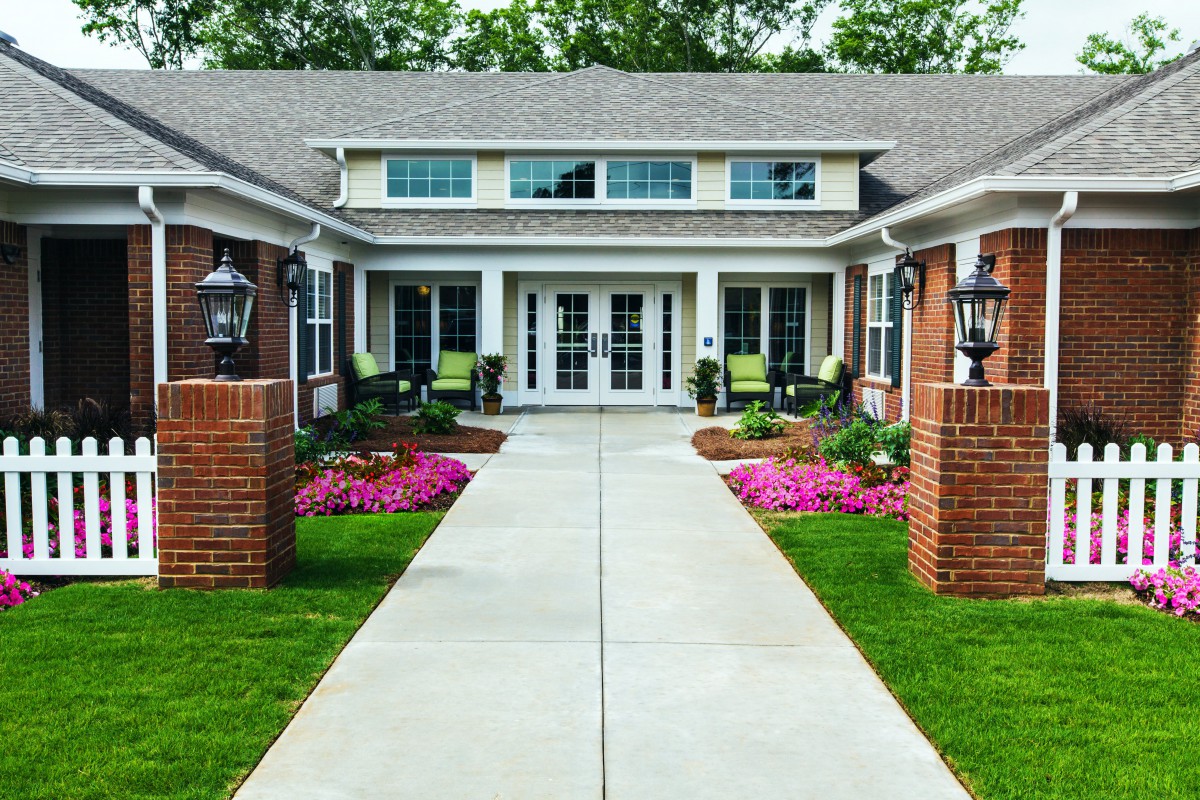
 Outdoor common areas
 Respite or short term stays offered
 Wheelchair accessible showers
 Wi-Fi/high-speed internet available
 Ambulatory care
 Diabetic care
 High acuity care
 Incontinence care
 Medication management
 Anytime dining
 Art classes
 Cooking classes
 Day trips and outings
 Educational speakers / life long learning
 Happy hour
 Karaoke
 Live dance or theater performances
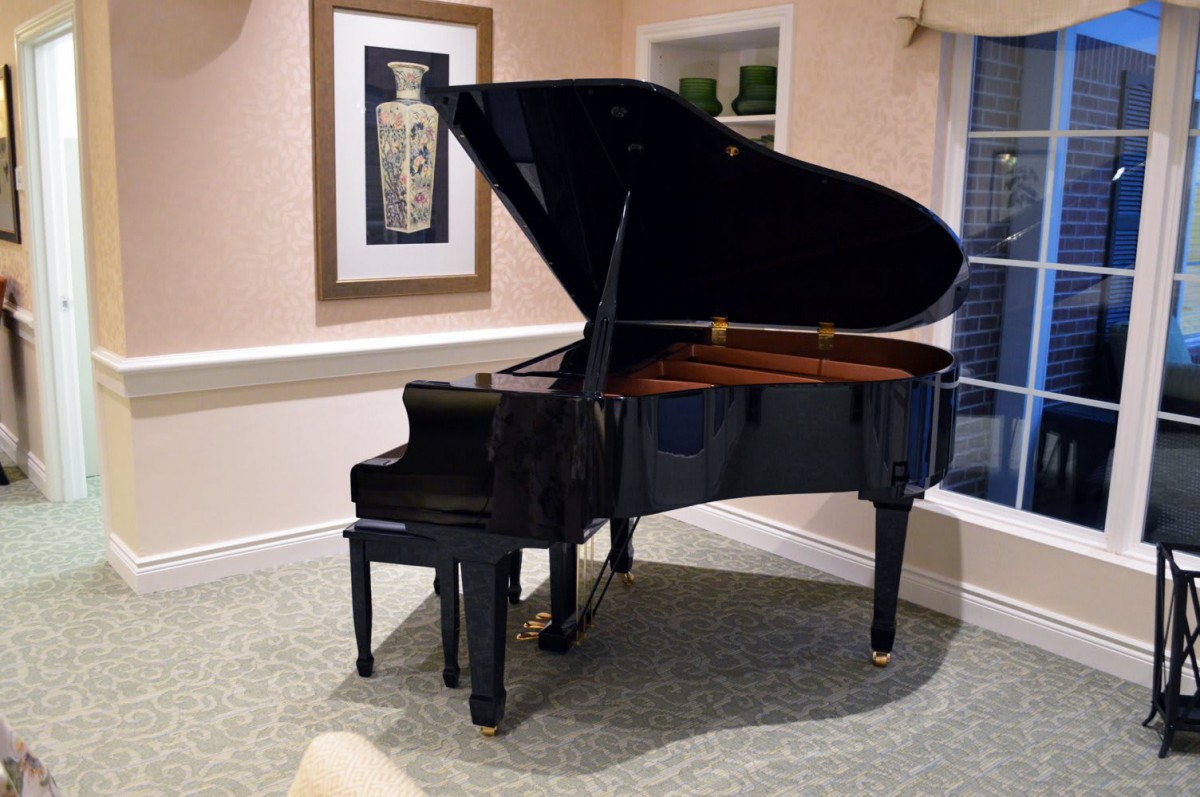
 Live musical performances
 Live well programs
 Visiting chaplain or priest
 Wine tasting


 Funding and Affording Assisted Living: A Thorough Overview
 Assisted Living Expenses and Long-Term Care Insurance: A Comprehensive Exploration
 Securing Financial Support for Assisted Living: A Comprehensive Overview