
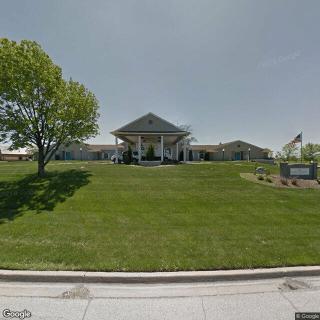
223 Bedford Street, Gardner, KS 66030
For more information about senior living options: (866) 208-4318
Overall Review of Medicalodges Gardner
Pros
 The staff at Medicalodges were friendly.
- The facility fostered a sense of community.
- The food was delicious.
Cons
 The sibling is overmedicated.
- The medication list keeps growing with no explanation.
- The doctor never shows up and doesn’t care.
- The psychiatrist does not speak English well enough to be understood and does not spend enough time with each patient.
- The physical therapy does not seem adequate, as the sibling cannot transfer to a wheelchair without assistance due to wasted muscles.
- Overall there is very bad performance by most staff.
- There are no activities that the reviewer knows of.
- The nurses disrespect patients by putting them in diapers, though pull-ups or bed pans may be appropriate for short term or overnight.
- The experience was just awful.
Review
Medicalodges Gardner in Gardner, Kansas, is best suited for seniors who want a friendly, small-community vibe and dependable meals within an institution-style setting. It rewards residents who do not require intensive medical oversight and who are comfortable with a straightforward, predictable routine. The setting is not designed to feel homelike or boutique, and that trade-off will matter for those who expect robust social programming or personalized care planning. Families considering this option should understand that the balance leans toward basic custodial support and companionship more than high-touch clinical management. In short, this facility serves as a workable home base for residents with moderate needs who value predictability and a collegial staff.
Those who may want to explore alternatives include families with members who require regular physician presence, complex medication regimens, or intensive rehabilitation. If mobility challenges or cognitive needs demand consistent physical therapy, or if the care culture must emphasize dignity and respectful interactions with independence in daily tasks, other communities are likely to offer stronger oversight and more engaging programming.
On the upside, staff described as friendly and a sense of community can create a comfortable day-to-day rhythm. The food is consistently reported as good, with residents and families noting enjoyable meals. Yet these positives do not fully compensate for the core concerns. The most worrisome issues center on medication management and medical access: medication lists ballooning without explanations, doctors not appearing, and a psychiatry setup hampered by language barriers and insufficient patient time. Rehabilitation is described as insufficient, leaving a resident unable to transfer without help. Behavior toward residents, including the use of diapers in contexts that may feel disrespectful, undermines trust and dignity. Activities appear limited, which further reduces opportunities for engagement.
From a decision standpoint, these patterns translate into real risk. Without reliable physician rounds and clear med reviews, there is potential for inappropriate dosing or missed changes in therapy. A limited PT program means rehabilitation goals may stall, slowing recovery or independence gains. The lack of meaningful daily activities can erode quality of life, especially for residents accustomed to structure and social contact. Prospective residents should insist on a transparent care plan: confirm who oversees medications, how often the prescribing clinician visits, and what the rehab schedule entails. Ask to meet the director, the charge nurse, and the activities leader; request a recent quality review or state survey; observe how therapists interact with residents to gauge respect and attentiveness.
An ideal resident profile centers on someone who is mildly to moderately dependent for daily tasks but does not require intensive medical interventions or constant clinical navigation. If companionship, predictable meals, and a stable routine are the priority, this community can deliver. Families able to stay closely involved, monitoring medications, advocating for care changes, and coordinating activities, will get the most value here. If memory care needs, complex behavioral issues, or a desire for robust programming and higher-touch clinical care exist, alternatives with stronger medical oversight and more active engagement are a better match.
Bottom line: Medicalodges Gardner offers warmth and solid nutrition within a straightforward, home-like setting that appeals to residents who want predictable routines and a friendly staff. However, the significant medical and rehabilitative gaps, especially around medication management, physician presence, and activity programming, create a reliance on family advocacy or staff vigilance. The decision should hinge on whether those gaps can be offset by a strong support network and a resident’s tolerance for a more institutional atmosphere. Next steps: schedule a thorough tour with the administrator, request to meet the nursing leadership and therapy team, review the most recent state inspection, and ask pointed questions about med management, therapy frequency, and daily activity calendars. With these checks, families can determine if this community fits or if a more medically integrated option is a wiser choice.
 82 resident community capacity
 Skilled Nursing Facility
 Air-conditioning
 Beauty salon
 Cable or satellite TV
 Computer center
 Dining room
 Fitness room
 Fully furnished
 Gaming room
 Garden
 Housekeeping services
 Kitchenette
 Move-in coordination
 Outdoor space
 Private bathrooms
 Restaurant-style dining
 Small library
 Telephone
 Wellness center
 Wi-Fi/high-speed internet available
 Community operated transportation
 12-16 hour nursing
 24-hour call system
 Activities of daily living assistance
 Assistance with bathing
 Assistance with dressing
 Assistance with transfers
 Diabetes diet
 Medication management
 Mental wellness program
 Special dietary restrictions
 Concierge services
 Planned day trips



 Comprehensive Insights and Practical Strategies to Help Older Adults Avoid Falls
 6 Crucial Ways an Elder Law Attorney Assists Families
 Navigating the Tax Landscape of Caregiving: Credits, Deductions, and Beyond