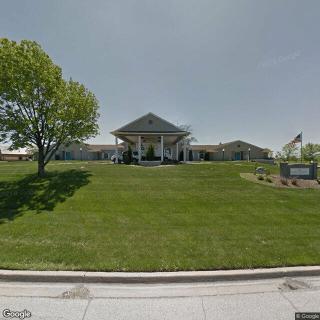
Two Trails Healthcare is an assisted living community in Olathe, KS.
Information last verified:
21250 West 151St Street, Olathe, KS 66061
For more information about senior living options: (866) 208-4318
3.7 from 75 reviews
5 stars
48
4 stars
3
3 stars
2
2 stars
1
1 stars
21
Overall Review of Two Trails Healthcare
differentiator11 reviews mention this
Therapy team gets repeat praise
The therapy team stands out for helping residents regain independence.
Multiple residents and families describe strong physical and occupational therapy, often calling the therapy team top notch or excellent. Several reviews link therapy to real progress during rehab, including improved mobility and working toward personal goals. A number of reviewers also mention that therapy support continued across inpatient and outpatient rehab, with staff encouraging residents while staying attentive to needs.
common14 reviews mention this
Staff compassion is a common theme
Many reviews describe staff who are kind and responsive to residents.
Across the reviews, families repeatedly use words like caring, kind, helpful, and respectful to describe the day-to-day experience. Several reviewers specifically mention nurses, aides, reception, nursing staff, and therapy staff showing compassion and going above and beyond. A few negative reviews also exist, but even among them, families often describe the importance of proper follow-through when care is needed.
caveat11 reviews mention this
Cleanliness is praised and criticized
Cleanliness earns strong praise from many, but some report major lapses.
Many reviews describe the facility as very clean, with clean rooms and a well-kept environment. At the same time, multiple negative reviews mention problems such as dirty sheets, soiled items, missing items, or needing improvement with cleanliness. This split suggests cleanliness may vary by situation, unit, or staffing at the time of care.
caveat11 reviews mention this
Call-button responsiveness draws complaints
Several reviewers say getting help quickly can be difficult.
A recurring concern is delayed assistance after residents press a call button or ask for help. Multiple reviews describe long waits at night, staff not checking on residents frequently, and missed or late responses to medication requests or meal delivery. Some families also report communication breakdowns by phone and trouble getting calls returned, even after leaving messages.
caveat6 reviews mention this
Food quality is mixed
Food earns both compliments and disappointed reviews.
Several reviewers say the food is good or delicious and that dining supports residents during rehab stays. Other reviews describe meals as awful, difficulty getting requested alternatives, and repeated issues with meal delivery or presentation. One negative review also raises concerns about food for dietary needs, reinforcing that dining experience can vary.
How we summarize
Counts show how many written reviews mention each theme; a review can touch several themes, and only frequently mentioned themes are displayed.
Features
Housing
70 resident community capacity
Types of Care
Assisted Living
Continuing Care Retirement Community (CCRC)
Skilled Nursing Facility
Amenities
Air-conditioning
Beauty salon
Cable or satellite TV
Computer center
Dining room
Fitness room
Fully furnished
Gaming room
Garden
Housekeeping services
Kitchenette
Move-in coordination
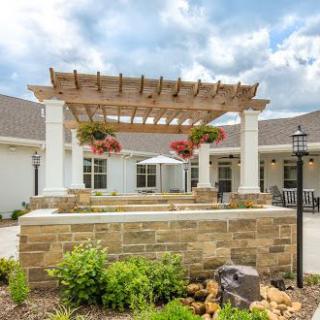
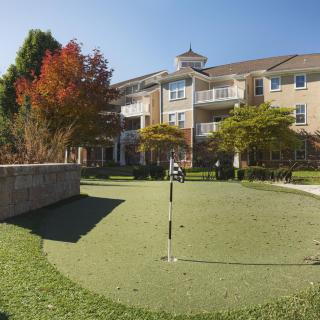
Outdoor space
Private bathrooms
Restaurant-style dining
Small library
Telephone
Wellness center
Wi-Fi/high-speed internet available
Transportation
Community operated transportation
Transportation arrangement
Care Services
24-hour call system
24-hour supervision
Activities of daily living assistance
Assistance with bathing
Assistance with dressing
Assistance with transfers
Diabetes diet
Meal preparation and service
Medication management
Special dietary restrictions
Dining
Diabetes diet
Special dietary restrictions
Activities
Community-sponsored activities
Concierge services
Fitness programs
Planned day trips
Resident-run activities
Scheduled daily activities
Nearby Places of Interest
Physicians
Pediatric Associates of Olathe (0.2 miles)
Olathe Health (0.3 miles)
Sleep Disorders Center Olathe Medical Center (0.4 miles)
Olathe Health (0.4 miles)
Premier Plastic Surgery of Kansas City (0.4 miles)
Transitioning from assisted living to memory care is driven by an individual's cognitive decline and specific needs, requiring careful evaluation of indicators like increased confusion and wandering. The process involves consulting medical professionals, researching suitable communities, considering financial and legal aspects, and ensuring effective communication for personalized care plans.
Assisted living provides moderate support for seniors seeking independence, while memory care offers specialized support for individuals with dementia or cognitive impairments through structured routines and trained staff. Key differences include care approaches, environment security measures, staff training levels, activity types, and cost considerations.
Assisted living communities offer diverse activities beyond traditional games to enhance seniors' physical health, cognitive well-being, emotional enrichment, and social connections, including fitness classes, creative expression, and intergenerational interactions. These enriching programs foster community bonds and support residents' independence and happiness.
Get PricingAsk A QuestionSchedule A TourContact Senior Advisor
By clicking submit, you agree to our Partner's Terms of Use. You
also consent to receive calls and texts, which may be autodialed, from our Partner. Your consent is not a condition to
using our Partner's service. Please visit our Partner's Privacy Policy for information about their privacy practices.

 70 resident community capacity
 Assisted Living
 Continuing Care Retirement Community (CCRC)
 Skilled Nursing Facility
 Air-conditioning
 Beauty salon
 Cable or satellite TV
 Computer center
 Dining room
 Fitness room
 Fully furnished
 Gaming room
 Garden
 Housekeeping services
 Kitchenette
 Move-in coordination
 Outdoor space
 Private bathrooms
 Restaurant-style dining
 Small library
 Telephone
 Wellness center
 Wi-Fi/high-speed internet available
 Community operated transportation
 24-hour call system
 Activities of daily living assistance
 Assistance with bathing
 Assistance with dressing
 Assistance with transfers
 Diabetes diet
 Medication management
 Special dietary restrictions
 Concierge services
 Planned day trips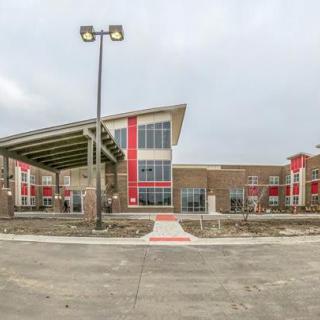
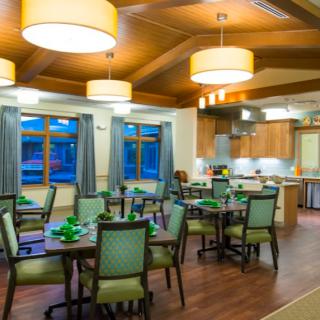
 Some staff provide compassionate care and pleasant dining experiences.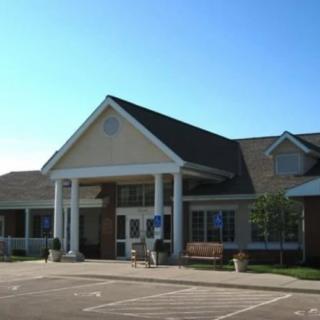



 When to Transition from Assisted Living to Memory Care: Key Indicators, Steps, and Finding the Right Community
 Assisted Living and Memory Care: Understanding Their Core Differences
 Beyond the Bingo Hall: 50+ Enriching Activities for Seniors in Assisted Living