Families value the option to shift care levels as needs change.
Several residents and family members describe the community as offering multiple care levels, including independent living, assisted living, and memory care. Reviews also mention that families can move within the campus as needs evolve rather than starting over elsewhere. The community’s range of care types is consistent with residents who specifically call out that progression. Some reviewers add that this helps them feel more secure about the future.
common8 reviews mention this
Safety and COVID precautions stood out
Residents and families repeatedly credit strong COVID-era safety efforts.
A number of reviewers focus on how carefully the community handled COVID risk, including keeping residents protected and maintaining a clean, safe environment. Multiple reviews mention regular communication updates to families, plus ongoing efforts to keep residents connected while staying safe. Residents also describe staff responsiveness during the pandemic period. While pandemic restrictions limited some group life, reviewers generally say the community worked to preserve normalcy where possible.
common14 reviews mention this
Dining gets frequent praise
Food quality and meal variety are recurring strengths in reviews.
Many reviewers describe the meals as excellent or better than expected, and several mention specific dining experiences like lunch service, buffet-style choices, or room service. Families also talk about having multiple food choices and accommodating different preferences. A smaller number of reviews are less positive, including complaints about meal variety or food declining over time. Overall, dining is discussed more than most other day-to-day topics, with more praise than criticism.
common4 reviews mention this
Close to medical care
Residents like the convenience of nearby medical care.
Several reviews highlight how close the community is to hospitals and physicians, describing it as reassuring even when care isn’t immediately needed. Families also mention transportation help for medical appointments, which complements the location advantage. This combination shows up in reviews as both convenience and peace of mind. A few reviewers also specifically point to being near a major medical center.
caveat5 reviews mention this
Rent and value concerns recur
Some reviews raise concerns about rising rent and overall value.
A handful of reviewers describe Cedar Lake Village as expensive, and one specifically mentions rent increasing year over year. Others criticize value by pointing to concerns about care levels or service quality in comparison to the cost. There are also negative comments where food and staffing were cited alongside affordability. Even among more positive reviews, price comes up enough to be a recurring theme for those who feel the community is not worth the cost.
common4 reviews mention this
Views and outdoor space feel homey
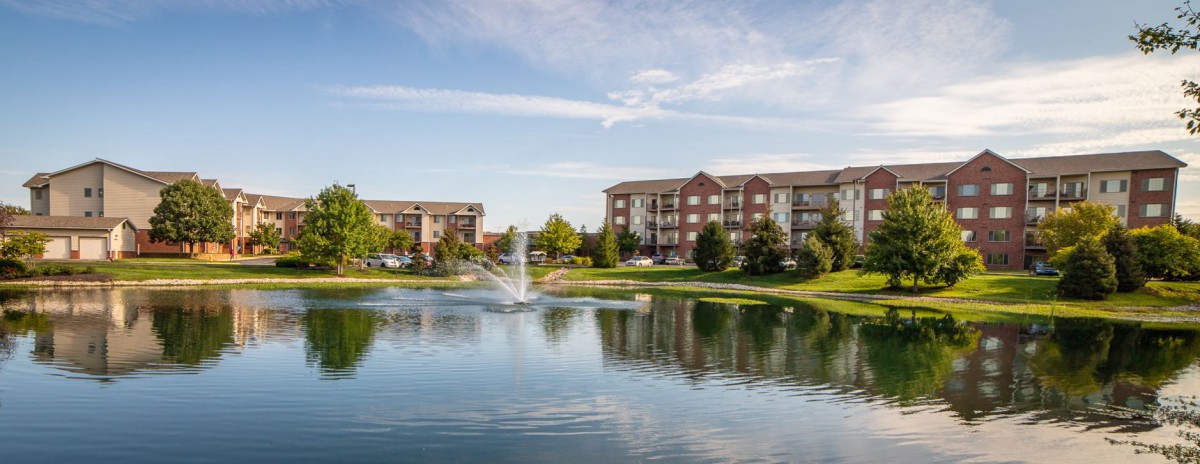
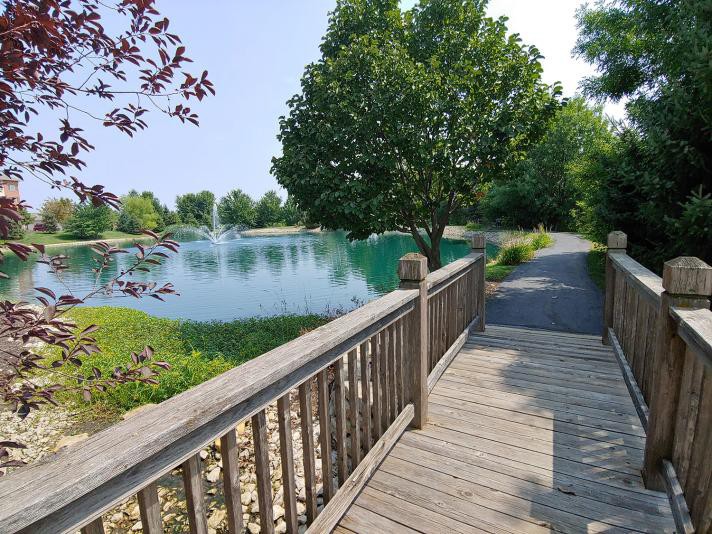
Outdoor views, including a pond, are commonly mentioned positively.
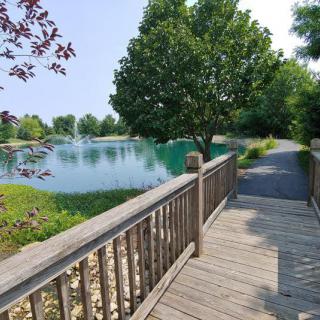
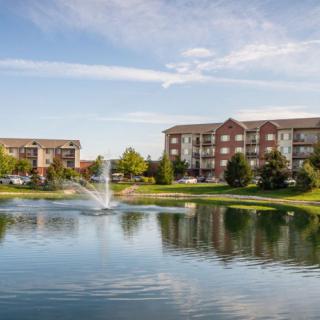
Multiple reviews mention enjoying the outdoor setting, especially a pond and the general campus atmosphere. Residents describe walking outside, relaxing by views, and spending time near the water feature. Room descriptions also sometimes tie to the ability to see outdoors from patios or bedrooms. One review also points to the lake view as a standout element compared with other aspects.
How we summarize
Counts show how many written reviews mention each theme; a review can touch several themes, and only frequently mentioned themes are displayed.
Features
Housing
48 resident community capacity
1-bedroom apartments
2-bedroom apartments
Condos / townhomes
Studio apartments
Types of Care
Assisted Living
Continuing Care Retirement Community (CCRC)
Day Program
Independent Living
Memory Care
Skilled Nursing Facility
Amenities
Activities on-site
Beautician on-site
Beauty salon
Cable or satellite TV
Devotional services off-site
Dining room
Full kitchen
Fully furnished
Garden
Guasts at mealtime
Guest parking
Housekeeping services
Indoor common areas
Kitchenette
Laundry
Move-in coordination
Outdoor space
Overnight guests
Private bathrooms
Resident parking
Respite or short term stays offered
Swimming pool
Wi-Fi/high-speed internet available
Transportation
Community operated transportation
Transportation & parking
Transportation arrangement
Transportation arrangement (non-medical)
Care Services
24-hour call system
24-hour supervision
Activities of daily living assistance
Ambulatory care
Assistance with bathing
Assistance with dressing
Assistance with transfers
Diabetes diet
Diabetic care
Hospice care
Meal preparation and service
Medication management
Physical therapy
Special dietary restrictions
Dining
Diabetes diet
Low / no sodium
Meals provided
Room service
Special dietary restrictions
Activities
Activities on-site
Community-sponsored activities
Devotional activities offsite
Fitness programs
Religious services
Resident-run activities
Scheduled daily activities
Languages Spoken
English
Nearby Places of Interest
Located in Olathe, Kansas, this area offers a convenient and diverse range of amenities for seniors considering the area for living. Within close proximity are several hospitals, physicians' offices, pharmacies, restaurants, parks, places of worship, a theater, cafes, and transportation services. This provides easy access to healthcare services, dining options, leisure activities, religious gatherings, entertainment venues, and public transit options. With a mix of medical facilities, recreational spaces like parks and dog parks for outdoor activities, and various dining establishments for socializing or grabbing a quick bite to eat, this neighborhood offers a well-rounded environment for seniors looking to settle down in a community that caters to their needs.
Hospitals
KVC Hospitals (0.3 miles)
Olathe Medical Center (0.6 miles)
Meadowbrook Rehabilitation Hospital (6.2 miles)
Physicians
Olathe Health (0.5 miles)
Olathe Health (0.6 miles)
Premier Plastic Surgery of Kansas City (0.6 miles)
Sleep Disorders Center Olathe Medical Center (0.6 miles)
Cedar Lake Village's 24-hour supervision ensures that residents are always monitored, providing a sense of security and immediate response to their needs, which is crucial for individuals with cognitive impairments. The assistance with activities of daily living, such as bathing and dressing, promotes dignity while helping residents maintain routines that can be comforting and familiar. Assistance with transfers is vital for their safety and mobility, reducing the risk of falls--common among those with dementia. Meal preparation and service not only address nutritional needs but also create an environment where residents can enjoy shared meals, fostering social interaction. Medication management is critical in this setting to ensure that residents receive their medications safely and on schedule, preventing confusion or mismanagement. Additionally, physical therapy supports the maintenance of mobility and strength, contributing to overall well-being while accommodating individual capabilities. These combined features create a supportive atmosphere tailored to enhancing the quality of life for individuals facing memory challenges.
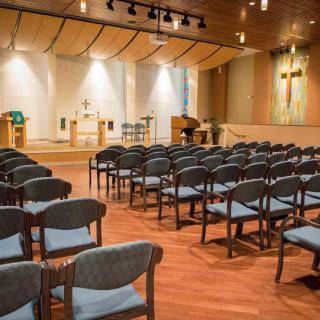
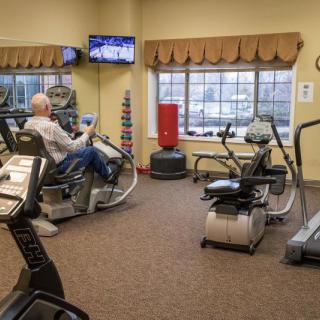
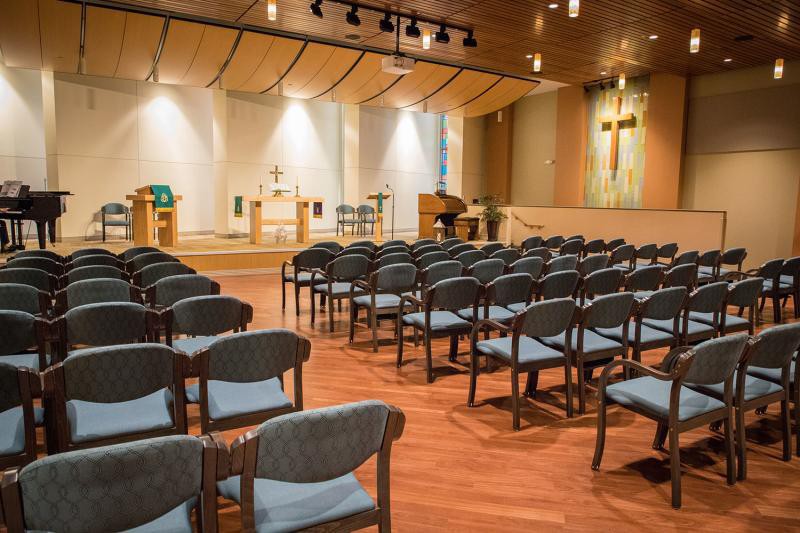
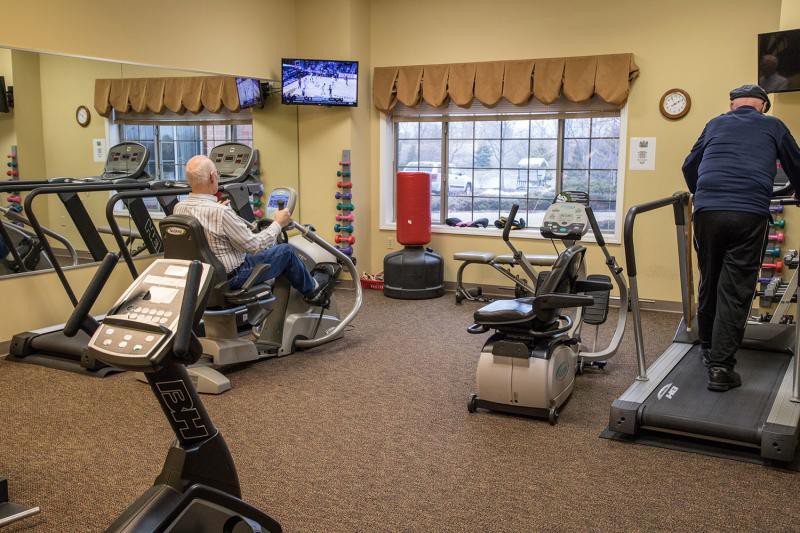
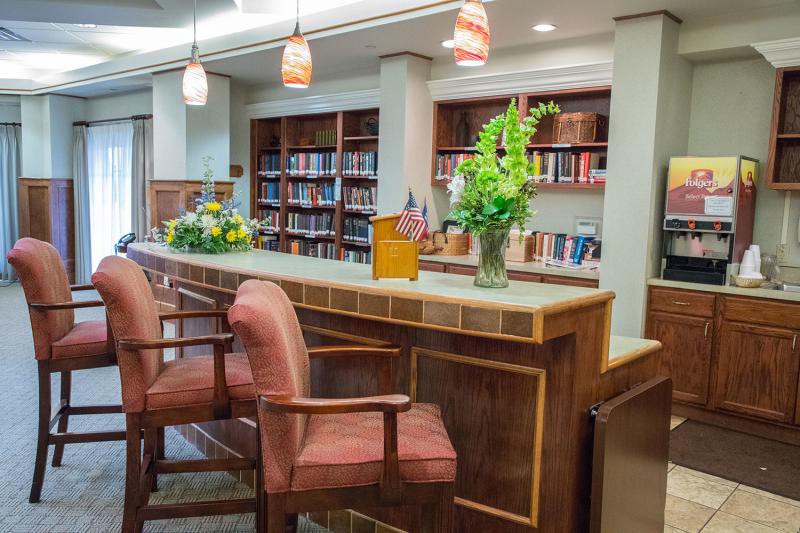
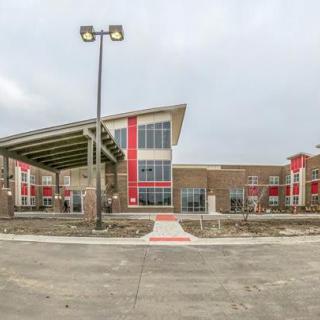
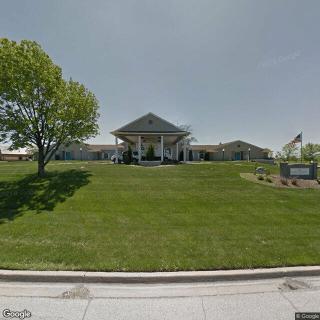
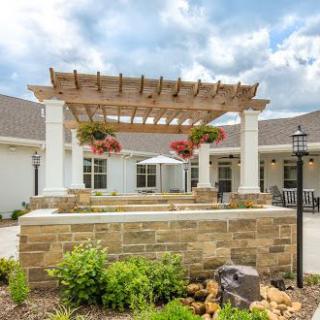
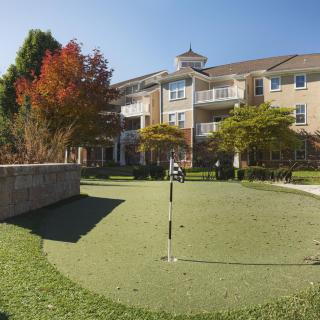
Cedar Lake Village on seniors.fyi includes 6 photos including images showing interior, lake, trees, gym, exercise, fitness, treadmill, television, and more.
Nearby Communities
Hoeger House
Olathe, KS
3.3 from 68 reviews
Effective rehabilitation with attentive therapists and a clean environment.
Good Samaritan Society - Olathe
Olathe, KS
4.1 from 37 reviews
Compassionate staff in a clean, welcoming setting with engaging activities.
Two Trails Healthcare
Olathe, KS
3.7 from 75 reviews
Potential for improved cleanliness and responsiveness.
The Healthcare Resort of Olathe
Olathe, KS
3.5 from 130 reviews
$5,000 to $6,000 / month
Some staff provide compassionate care and pleasant dining experiences.
Anthology of Olathe
Olathe, KS
4.5 from 121 reviews
$2,249 to $3,349 / month
Friendly, attentive staff; clean, well-maintained environment; engaging activities and good dining.
Azria Health Olathe
Olathe, KS
4 from 80 reviews
Strong staff communication and personalized care.
Benton House of Olathe
Olathe, KS
4.9 from 61 reviews
$3,900 to $4,800 / month
Beautiful facility with caring staff and engaging activities; strong memory care and safety features.
Aberdeen Village
Olathe, KS
4.4 from 45 reviews
$2,845 to $4,060 / month
Clean, well-organized environment with attentive staff and good dining.
Silverado Overland Park Memory Care Community
Overland Park, KS
4.2 from 56 reviews
$6,750 to $7,950 / month
Caring staff, good meals, clean facilities, and a positive on-site culture.
Dementia is characterized by cognitive decline, with nutrition playing a vital role in brain health; while no specific diet can prevent or reverse it, a nutrient-dense diet rich in antioxidants and healthy fats may support cognitive function. The MIND diet, which emphasizes beneficial foods and limits processed items, along with proper hydration and individualized meal strategies, can enhance the well-being of dementia patients.
Dementia affects memory and cognitive function in older adults, presenting challenges for caregivers due to behavioral changes such as confusion and mood swings. Compassionate, person-centered care that considers individual history and preferences, along with effective communication and environmental modifications, is essential for supporting both patients and their caregivers.
Dementia leads to cognitive impairment and can cause emotional and behavioral changes, including aggression that arises from frustration, confusion, or fear. Effective coping strategies for caregivers include understanding dementia's nature, recognizing triggers, using empathetic communication, and employing non-pharmacological interventions like music and art therapy.
Get PricingAsk A QuestionSchedule A TourContact Senior Advisor
By clicking submit, you agree to our Partner's Terms of Use. You
also consent to receive calls and texts, which may be autodialed, from our Partner. Your consent is not a condition to
using our Partner's service. Please visit our Partner's Privacy Policy for information about their privacy practices.

 48 resident community capacity
 1-bedroom apartments
 Condos / townhomes
 Assisted Living
 Continuing Care Retirement Community (CCRC)
 Day Program
 Independent Living
 Memory Care
 Skilled Nursing Facility
 Beautician on-site
 Cable or satellite TV
 Devotional services off-site
 Dining room
 Full kitchen
 Fully furnished
 Garden
 Guest parking
 Housekeeping services
 Indoor common areas
 Laundry
 Move-in coordination
 Outdoor space
 Overnight guests
 Private bathrooms
 Respite or short term stays offered
 Swimming pool
 Wi-Fi/high-speed internet available
 Community operated transportation
 24-hour call system
 Ambulatory care
 Assistance with bathing
 Assistance with dressing
 Assistance with transfers
 Diabetes diet
 Diabetic care
 Hospice care
 Meal preparation and service
 Medication management
 Physical therapy
 Special dietary restrictions
 Fitness programs
 English
 Effective rehabilitation with attentive therapists and a clean environment.



 Nourishing the Mind: Essential Dietary Approaches for Dementia
 Understanding Dementia Behaviors: Practical Insights and Strategies for Caregivers
 When Dementia Sparks Anger and Aggression: Understanding the Connection and Ways to Cope