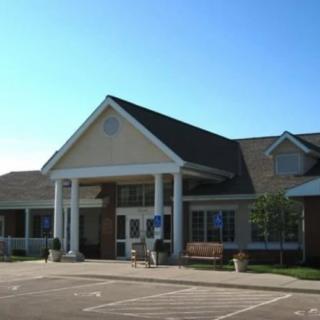
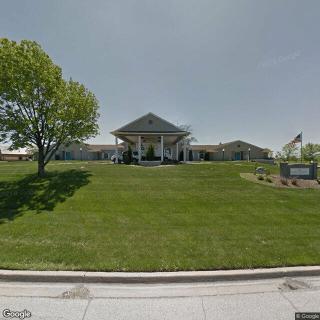
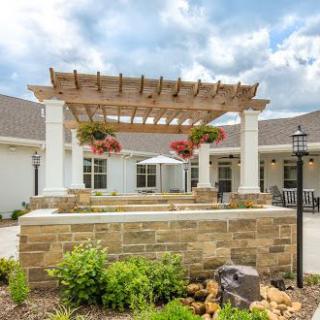
Meadowbrook Rehabilitation Hospital - Long Term Care Unit in Gardner, KS

Save
Meadowbrook Rehabilitation Hospital - Long Term Care Unit Meadowbrook Rehabilitation Hospital - Long Term Care Unit Meadowbrook Rehabilitation Hospital - Long Term Care Unit

Meadowbrook Rehabilitation Hospital - Long Term Care Unit in Gardner, KS

427 West Main Street, Gardner, KS 66030

For more information about senior living options: (844) 490-3973

4.5 from 100 reviews
5 stars
82
4 stars
3
3 stars
2
2 stars
4
1 stars
9

Skilled Nursing Facility

Overall Review of Meadowbrook Rehabilitation Hospital - Long Term Care Unit

Pros

  • pro The staff are extremely nice and attentive to patients.
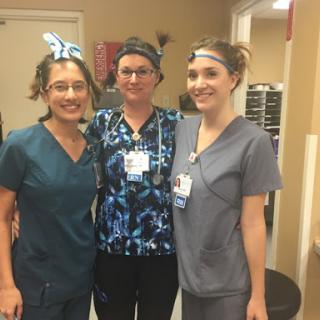
  • pro Meadowbrook's staff are well trained and friendly.
  • pro The facility is lovely, with front desk staff guiding visitors through check-in and the rest of the staff being wonderful.
  • pro JP is well cared for at Meadowbrook.
  • pro Everyone is friendly, and staff acknowledge each patient and visitor.
  • pro Meadowbrook staff go above and beyond to ensure residents' well-being and recovery.
  • pro The environment is clean, secure, and welcoming.
  • pro The front desk staff are warm and inviting.
  • pro The nurses, therapists, and CNAs are helpful, compassionate, and attentive.
  • pro Meadowbrook feels like an extended family with excellent service.
  • pro The staff communicate clearly and provide dignified, respectful care.
  • pro Meadowbrook Rehab is a top choice for rehab with caring staff.

Cons

  • pro It is not a good place to go if you require any level of assistance.
  • pro The facility is grossly understaffed, with only about two CNAs on duty for forty residents.
  • pro The reviewer reported unidentifiable food, dirty rooms, missing bed sheets, trash around and under the bed, and a non-working bathroom.
  • pro The staff were described as incompetent and as having indirectly tried to kill the reviewer.
  • pro One dad's treatment was described as awful and he died, described as soul-crushing to spend his final days there.
  • pro The facility is poorly managed to the point the state would not grant them a standalone rehab license.
  • pro The reviewer advised to keep your family away from this center.
  • pro Medication management failures: grandma not given medications for four days without notification.
  • pro Administration is focused on money rather than the well-being of patients.
  • pro One reviewer called Meadowbrook a hell hole.

Review

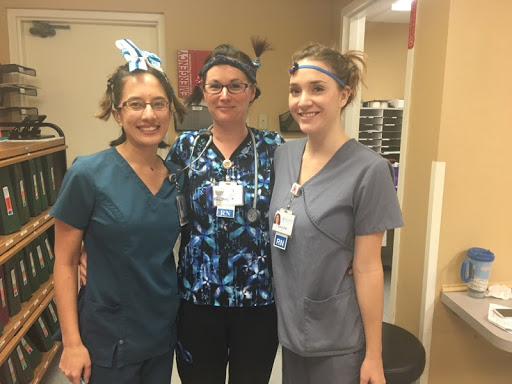
Meadowbrook Rehabilitation Hospital in Gardner, Kansas, is best suited for families seeking a rehab-centered environment where the care team consistently demonstrates warmth, attentiveness, and hands-on involvement. This community excels for residents with complex rehabilitation needs - particularly brain injury, stroke, and other conditions that require persistent therapy and coordinated, person-first support. The prevailing impression is of a home-like, secure setting where therapists, nurses, and front-line staff form a unified, encouraging team. For families prioritizing visible progress, compassionate daily interactions, and a facility that feels more like a caregiving family than a sterile institution, Meadowbrook is a practical, purpose-built choice.

Those weighing alternatives will want to consider a few clear red flags. If the plan hinges on near-perfect staffing reliability, Meadowbrook may raise concerns in certain shifts and patient-to-staff ratios, as some reviews describe gaps that can slow response times. For families with stringent medication-management expectations, the potential for changes to meds without thorough discussion stands out as a reason to explore other options. Dietary variety and gluten-free accommodations emerged as inconsistency in some experiences, and prospective residents should probe questions about menu adaptability, cleanliness on certain days, and how administrative communication is handled when issues arise. In short, those who require unwavering staffing consistency, flawless daily operations, or a modernized facility may find stronger fits elsewhere.

The positive aspects of Meadowbrook often significantly offset the drawbacks, especially for rehab-focused goals. The staff is repeatedly described as courteous, engaged, and deeply invested in residents' well-being. Nurses, CNAs, and therapists are frequently praised for their accessibility, thoroughness, and encouragement, with therapy teams delivering tangible progress and motivating residents to pursue independence. The social dimension matters too: a proactive social worker, clear activity calendars, and a culture that values family involvement help families feel connected and informed. Cleanliness and security contribute to a sense of safety, and the facility's warmth - front desk hospitality, patient rooms, and even small touches like in-house activities or therapy-assisted family participation - creates a supportive atmosphere that aids recovery.

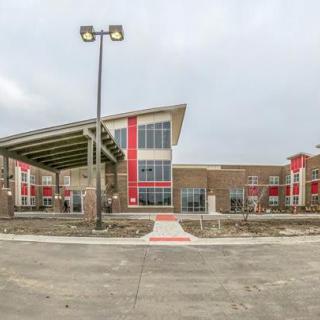
Yet the opposite thread cannot be ignored. The most persistent concerns center on staffing consistency and the administrative layer. Reports of long waits for assistance, medication management issues, and communication gaps point to real risk if the patient requires prompt, reliable care around the clock. Several reviews mention inconsistent food quality and limited dietary flexibility, which can erode satisfaction during longer stays. A few accounts reference outdated facilities or gaps in housekeeping, underscoring that the physical plant and infrastructure may not match the best-in-class expectations some families hold for long-term care. These factors matter and should be weighed against the evident devotion of Meadowbrook's care team.

To make the most informed decision, prospective families should engage in a targeted due diligence process. Schedule visits at different times to observe staffing dynamics on the floor, and request a direct tour of the rehab gym and therapy sessions. Ask for the patient-to-staff ratio by shift, and request a walkthrough of the medication-management protocol, including how changes are communicated to families. Inquire about dietary accommodations and how nutrition services handle dietary restrictions during rehab. Request recent inspection or accreditation notes and speak with multiple family liaisons to gauge consistency in communication. Finally, have a candid conversation about the resident's specific rehab goals and whether Meadowbrook's pace and approach align with those objectives.

Bottom line: Meadowbrook offers a compelling option for families prioritizing compassionate, therapy-driven care in a warm, community-oriented setting. For residents with brain injury, stroke recovery, or other rehabilitative needs, the demonstrated dedication of nurses, therapists, and coordinators can drive meaningful progress and provide substantial peace of mind to loved ones. However, the facility's strengths are best realized when staffing reliability and administrative communication are solid; where those elements are uneven, potential gaps could impede timely care and smooth transitions. If the emphasis rests on sustained, high-touch rehab with a consistently responsive team, Meadowbrook remains a strong contender - provided due diligence confirms that staffing, medication management, and dietary supports meet the family's expectations. For those prioritizing flawless daily operations or a more modernized facility, exploring alternatives with stronger staffing assurances may be prudent.

Features

Housing

  • 42 resident community capacity 42 resident community capacity

Types of Care

  • Skilled Nursing Facility Skilled Nursing FacilitySkilled Nursing Facilities are crucial for seniors as they provide round-the-clock medical care, rehabilitation services, and assistance with daily activities. These facilities ensure that seniors receive the specialized care they need to maintain their health and well-being as they age.

Amenities

  • Beauty salon Beauty salonBeauty salons are important for seniors because they provide a space for them to feel pampered, socialize, and maintain their personal grooming and hygiene. Regular visits to a beauty salon can help boost seniors' self-esteem and overall well-being.
  • Cable or satellite TV Cable or satellite TVCable or satellite TV is important for seniors because it provides entertainment, news, and companionship, helping to combat loneliness and boredom. It also offers a wide range of programming options tailored to different interests and preferences.
  • Dining room Dining roomDining rooms are important for seniors as they provide a space for socialization, connection, and nutritious meals. They offer opportunities for residents to bond over shared meals, foster a sense of community, and promote healthy eating habits. Dining rooms also ensure that seniors have access to well-balanced meals tailored to their dietary needs and preferences.
  • Fully furnished Fully furnishedFully furnished senior living communities are important for seniors because they provide convenience, comfort, and a hassle-free moving experience. Seniors can easily settle into their new living space without the stress of having to buy and move furniture. This allows them to focus on enjoying their new home and community.
  • Garden GardenGardens are important for seniors as they provide a peaceful and therapeutic environment for relaxation, physical activity, and socialization. Being in nature has been shown to reduce stress, improve mood, and promote overall well-being. Gardens also offer opportunities for seniors to engage in gardening activities, which can improve mobility, flexibility, and cognitive function. Additionally, gardens create a sense of community and connection with others who share a passion for plants and outdoor spaces.
  • Housekeeping services Housekeeping servicesHousekeeping services are important for seniors because they help maintain a clean and safe living environment, promote independence, and reduce the risk of accidents or illnesses. Additionally, having assistance with household chores can alleviate physical strain and allow seniors to focus on other aspects of their well-being.
  • Kitchenette KitchenetteKitchenettes are important for seniors living in senior living communities because they provide the convenience and independence of being able to prepare simple meals and snacks in the comfort of their own living space. This can help promote a sense of autonomy and well-being for seniors, allowing them to maintain some level of control over their dietary choices and daily routines.
  • Move-in coordination Move-in coordinationMove-in coordination is important for seniors because it helps ease the transition into their new living environment. It ensures that all logistics, such as packing, organizing movers, and setting up utilities are taken care of, allowing seniors to focus on settling in and adjusting to their new home. Having a smooth move-in process can alleviate stress and anxiety, making the transition smoother and more enjoyable for seniors.
  • Outdoor space Outdoor spaceOutdoor spaces are important for seniors as they provide opportunities for physical activity, social interaction, exposure to natural light and fresh air, and a sense of connection to nature. Having access to outdoor spaces can improve overall well-being and quality of life for older adults living in senior communities.
  • Restaurant-style dining Restaurant-style diningRestaurant-style dining is important for seniors because it allows them to enjoy delicious, nutritious meals in a social and upscale setting. This enhances their dining experience, promotes healthy eating habits, and fosters socialization with fellow residents, ultimately contributing to their overall well-being and quality of life.
  • Small library Small librarySmall libraries are important for seniors as they provide access to a variety of reading materials, including books, newspapers, and magazines. This can help stimulate their minds, keep them engaged, and provide a sense of community through book clubs and other social activities. Additionally, reading has been shown to improve cognitive function and overall mental well-being in older adults.
  • Telephone TelephoneTelephones are important for seniors as they provide a lifeline for communication with loved ones, emergency services, and healthcare providers. They offer a sense of security and independence, enabling seniors to stay connected and access assistance when needed.
  • Wi-Fi/high-speed internet available Wi-Fi/high-speed internet availableWi-Fi/high-speed internet is important for seniors to stay connected with loved ones, access online resources, and participate in virtual activities to combat feelings of loneliness and isolation. It also allows them to easily manage healthcare needs, access entertainment, and engage in lifelong learning opportunities.

Care Services

  • 24-hour call system 24-hour call system24-hour call systems are important for seniors because they provide peace of mind and immediate assistance in case of emergencies. This technology ensures that help is always available, promoting safety and security for elderly individuals living alone or in assisted living facilities.
  • 24-hour supervision 24-hour supervision24-hour supervision is important for seniors to ensure their safety, well-being, and access to immediate assistance in case of emergencies or health issues. This constant support provides peace of mind for both seniors and their loved ones, allowing them to age in place with dignity and security.
  • Activities of daily living assistance Activities of daily living assistanceActivities of daily living assistance are important for seniors because they provide essential support with tasks such as eating, bathing, dressing, and mobility. This assistance helps seniors maintain their independence, dignity, and overall quality of life as they age.
  • Assistance with bathing Assistance with bathingAssistance with bathing is crucial for seniors as it helps maintain personal hygiene, prevents infections, and ensures their overall well-being and comfort. It also provides a sense of dignity and independence for seniors who may struggle with this task on their own.
  • Assistance with dressing Assistance with dressingAssistance with dressing is important for seniors because it helps maintain their independence, promotes personal hygiene, prevents accidents and injuries, and improves overall quality of life. This service ensures that seniors can continue to dress comfortably and confidently, despite any physical limitations they may have.
  • Assistance with transfers Assistance with transfersAssistance with transfers is crucial for seniors as it helps prevent falls and injuries, maintains their independence, and ensures they can safely navigate their living environment. It also provides peace of mind for both seniors and their loved ones.
  • Diabetes diet Diabetes dietA diabetes diet is crucial for seniors as it helps manage blood sugar levels, reduce risks of complications, and improve overall health and well-being. By following a balanced and nutritious diet tailored to their specific needs, seniors can better control their diabetes and enhance their quality of life.
  • Meal preparation and service Meal preparation and serviceMeal preparation and service are crucial for seniors as they may have limited mobility or energy to cook nutritious meals. Having access to healthy and convenient food options can ensure they are getting the proper nutrition needed to maintain their overall health and well-being.
  • Medication management Medication managementMedication management is crucial for seniors to ensure they are taking the right medications at the correct dosages and times. This helps prevent adverse drug interactions, reduces the risk of medication errors, and promotes overall health and well-being. Proactive management also allows for adjustments as needed based on changing health conditions or new prescriptions.
  • Mental wellness program Mental wellness programMental wellness programs are essential for seniors as they promote cognitive stimulation, emotional support, and social engagement. These programs help prevent isolation, depression, and cognitive decline, ultimately enhancing the overall quality of life for older adults.
  • Special dietary restrictions Special dietary restrictionsSpecial dietary restrictions are important for seniors because age-related changes in metabolism and health conditions can make it difficult for their bodies to process certain foods. By following a diet tailored to their specific needs, seniors can maintain their overall health and well-being, manage chronic conditions, and reduce the risk of complications such as malnutrition or food interactions with medications.

Dining

  • Diabetes diet Diabetes dietA diabetes diet is crucial for seniors as it helps manage blood sugar levels, reduce risks of complications, and improve overall health and well-being. By following a balanced and nutritious diet tailored to their specific needs, seniors can better control their diabetes and enhance their quality of life.
  • Special dietary restrictions Special dietary restrictionsSpecial dietary restrictions are important for seniors because age-related changes in metabolism and health conditions can make it difficult for their bodies to process certain foods. By following a diet tailored to their specific needs, seniors can maintain their overall health and well-being, manage chronic conditions, and reduce the risk of complications such as malnutrition or food interactions with medications.

Activities

  • Community-sponsored activities Community-sponsored activitiesCommunity-sponsored activities are important for seniors as they provide opportunities for social interaction, mental stimulation, and physical activity. These activities can help improve overall well-being, combat loneliness and isolation, and promote a sense of belonging and purpose among older adults.
  • Resident-run activities Resident-run activitiesResident-run activities are important for seniors as they encourage social interaction, creativity, and a sense of autonomy. These activities empower seniors to stay engaged and active in their community while fostering meaningful connections with their peers.
  • Scheduled daily activities Scheduled daily activitiesScheduled daily activities are important for seniors because they provide structure, socialization, mental stimulation, and physical activity. Engaging in regular activities can improve overall well-being and quality of life for seniors living in a community setting.

Description

Meadowbrook Rehabilitation Hospital's Long Term Care Unit in Gardner, KS offers a comfortable and supportive environment for seniors in need of assistance with daily living activities. Our fully furnished rooms provide a cozy space for residents to relax and unwind, while amenities such as cable or satellite TV, Wi-Fi/high-speed internet, and a small library offer opportunities for entertainment and engagement.

Our dedicated staff provides 24-hour supervision and assistance with activities of daily living, including bathing, dressing, and transfers. We also offer specialized care for those with diabetes, ensuring that their dietary needs are met. Medication management is provided to ensure the proper administration of medications.

Residents can enjoy delicious meals prepared by our experienced chefs in our restaurant-style dining room. We accommodate special dietary restrictions to meet individual needs. To encourage mental wellness among our residents, we offer a mental wellness program that focuses on promoting overall emotional well-being.

At Meadowbrook Rehabilitation Hospital's Long Term Care Unit, we believe in fostering a sense of belonging and community among our residents. Resident-run activities and scheduled daily activities provide opportunities for social engagement and personal fulfillment.

Conveniently located near cafes, parks, pharmacies, restaurants, transportation options, places of worship, and hospitals, our assisted living community offers a supportive environment where seniors can thrive while enjoying easy access to essential services and amenities.

Contact us today to learn more about Meadowbrook Rehabilitation Hospital's Long Term Care Unit in Gardner, KS and how we can cater to your loved one's unique needs.

Videos

Nearby Places of Interest

Hospitals

  • Meadowbrook Rehabilitation Hospital (0 miles)
  • KVC Hospitals (6.4 miles)
  • Olathe Medical Center (6.9 miles)

Transportation

  • U-Haul Neighborhood Dealer (0.4 miles)

Pharmacies

  • CVS Pharmacy (0.5 miles)
  • Home Health Pharmacy (0.7 miles)
  • Walgreens (1.4 miles)
  • Walmart Pharmacy (7.5 miles)
  • CVS Pharmacy (7.6 miles)
  • Walgreens (8.2 miles)
  • Walgreens (8.6 miles)

Restaurants

  • Blazers Restaurant (0.6 miles)
  • Sonic Drive-In (1.2 miles)
  • Freddy's Frozen Custard & Steakburgers (1.3 miles)
  • Fronteras Mexican Restaurant & Cantina (1.6 miles)
  • La Carreta (1.7 miles)
  • McDonald's (2.6 miles)
  • Arby's (2.6 miles)

Parks

  • City of Gardner Celebration Park (0.7 miles)
  • Spring Hill City Park (7.4 miles)
  • Kill Creek Park (7.5 miles)
  • Haven Park (9.8 miles)
  • Heritage Park (10.4 miles)
  • Kill Creek Streamway Dog Park (10.4 miles)
  • Heritage Park (10.6 miles)

Cafes

  • Groundhouse Coffee (0.7 miles)
  • Starbucks (12.1 miles)
  • Starbucks (12.7 miles)
  • Baldwin Dance Cafe (13.7 miles)

Places of Worship

  • New Life Community Church (1.7 miles)
  • Gardner Church of the Nazarene (1.9 miles)
  • Overland Park Church of Christ (12.8 miles)
  • Mill Creek Community Church (12.9 miles)
  • Elm Grove Baptist Church (13 miles)

Physicians

  • Olathe Health (6.7 miles)
  • Pediatric Associates of Olathe (6.7 miles)
  • Olathe Health (6.8 miles)
  • Premier Plastic Surgery of Kansas City (6.8 miles)
  • Sleep Disorders Center Olathe Medical Center (6.8 miles)
  • Olathe Health Family Medicine - Hedge Lane (6.9 miles)
  • Docs Who Care (7.2 miles)

Theaters

  • AMC DINE-IN Studio 28 (11.4 miles)

Frequently Asked Questions

Where is Meadowbrook Rehabilitation Hospital - Long Term Care Unit?
What photos are available for Meadowbrook Rehabilitation Hospital - Long Term Care Unit in Gardner, Kansas?

Nearby Communities

  • Medicalodges Gardner

    Medicalodges Gardner

    Gardner, KS

    2 from 2 reviews
     

    pro Friendly staff and good dining create a welcoming environment.

  • Vintage Park At Gardner

    Vintage Park At Gardner

    Gardner, KS

    4.8 from 34 reviews
    $4,175 / month

    pro Friendly staff with a welcoming, home-like feel and engaging activities.

  • Cedar Lake Village

    Cedar Lake Village

    Olathe, KS

    4.4 from 86 reviews
     

    pro Comprehensive care options (independent living to skilled care) with well-maintained facilities, friendly staff, and on-site amenities.

  • Two Trails Healthcare

    Two Trails Healthcare

    Olathe, KS

    3.7 from 75 reviews
     

    pro Potential for improved cleanliness and responsiveness.

  • The Healthcare Resort of Olathe

    The Healthcare Resort of Olathe

    Olathe, KS

    3.4 from 112 reviews
    $5,000 to $6,000 / month

    pro Some staff provide compassionate care and pleasant dining experiences.

  • Hoeger House

    Hoeger House

    Olathe, KS

    3.3 from 61 reviews
     

    pro Effective rehabilitation with attentive therapists and a clean environment.

  • Azria Health Olathe

    Azria Health Olathe

    Olathe, KS

    3.8 from 66 reviews
     

    pro Strong staff communication and personalized care.

  • Colonial Oaks at Spring Hill

    Colonial Oaks at Spring Hill

    Spring Hill, KS

    4.3 from 46 reviews
    $4,500 to $5,500 / month

    pro Clean, welcoming environment with friendly staff and engaging memory-care programs.

  • Benton House of Olathe

    Benton House of Olathe

    Olathe, KS

    4.9 from 61 reviews
    $3,900 to $4,800 / month

    pro Beautiful facility with caring staff and engaging activities; strong memory care and safety features.

Related Resources

  • fecal incontinenceFecal Incontinence in Older Adults: A Comprehensive Guide

    Fecal incontinence, prevalent among older adults, arises from factors like weakened pelvic muscles and nerve damage, significantly affecting well-being and social interactions. Diagnosis involves clinical evaluation and tests to inform tailored treatments, while caregivers and preventive measures can aid in managing the condition effectively.

  • anticipatory griefRecognizing the Journey: Understanding and Navigating Anticipatory Grief

    Anticipatory grief is an emotional response to the impending loss of a loved one, characterized by complex emotions such as sadness and anger, and involves navigating stages similar to those identified by Kübler-Ross. Coping strategies are vital for managing this process, emphasizing compassionate communication, self-care, and support groups while recognizing the cultural influences on grieving.

  • adult day careEncouraging Participation in Adult Day Care: A Guide to Supporting a Hesitant Parent

    Adult day care programs offer essential support and activities for older adults, yet many hesitate to participate due to concerns about independence and stigma. To alleviate these apprehensions, families should facilitate open discussions, explore financial resources, suggest trial visits, and collaborate with healthcare providers to highlight the benefits of such services for both the participants and their caregivers.