For more information about senior living options: (866) 208-4318
4.3 from 49 reviews
5 stars
35
4 stars
6
3 stars
1
2 stars
2
1 stars
5
Colonial Oaks at Spring Hill Costs & Pricing
Colonial Oaks at Spring Hill offers competitive pricing for its accommodations, particularly in comparison to the broader market conditions in Miami County and across Kansas. For a studio, the monthly cost is set at $4,500, which is slightly above the county average of $4,343 but notably higher than the state average of $4,094. When considering a one-bedroom unit, Colonial Oaks maintains its pricing at $5,500 - equally aligned with Miami County's rates yet significantly exceeding the Kansas average of $3,859. This positioning suggests that while Colonial Oaks provides a premium experience that reflects its unique offerings and amenities, prospective residents should weigh these costs against available options within the region.
Floor plans
Colonial Oaks at Spring Hill
Miami County
Kansas
Studio
$4,500
$4,343
$4,094
1 Bedroom
$5,500
$5,500
$3,859
Memory care communities with a similar price nearby
Residents and visitors repeatedly mention the building is very clean.
Multiple reviews highlight cleanliness as a standout part of the experience, including remarks that the facility smelled and looked clean. Several visitors also describe the space as neat and updated, even while renovations were underway. For families choosing between options, this “clean” impression comes up alongside other reassurance like apartment comfort.
common5 reviews mention this
Dining stands out
Dining experience is a frequent point of praise in reviews.
Reviews mention positive dining moments such as food looking or smelling good and staff bringing meals back into the dining room after the shutdown. One reviewer also says updates about dining included communication in real time. At least one review is less enthusiastic about food quality, but residents still describe meals as a regular part of the day-to-day routine.
common8 reviews mention this
Family communication feels consistent
Families describe good communication and being kept informed.
Several reviews describe communication as a strength, including good day-to-day updates for family members. Some families mention being kept informed during the move-in process and afterward, including receiving photos. A related review notes communication could be improved at times, including concerns about how staff were handling health guidance indoors, but the reviewer still describes overall communication as good.
caveat6 reviews mention this
Memory care fit needs confirmation
Memory care reviews include concerns about staffing and care fit.
Memory care experiences are mixed: one reviewer describes an excellent memory care experience, while others raise concerns. A few reviews describe problems like inadequate help, safety issues, or the resident not being eligible for the memory care level needed. Others suggest doing homework before choosing, because at least one family says the facility later determined it could not meet needs and there was no memory care opening.
caveat3 reviews mention this
Pricing is mostly “all-inclusive”
Families mention all-inclusive pricing, but there are also rent increases.
Some reviews say pricing is all-inclusive for care, which helped families feel clearer about budgeting. However, one review also reports a substantial rent increase and limited options to avoid it, including needing to accept a roommate. Those cost-related comments align with the fact that pricing varies by unit type and can be meaningfully different from benchmark averages.
How we summarize
Counts show how many written reviews mention each theme; a review can touch several themes, and only frequently mentioned themes are displayed.
Features
Housing
54 resident community capacity
Types of Care
Assisted Living
Memory Care
Pets
Cats allowed
Dogs allowed
Amenities
Activities on-site
Air-conditioning
Beautician on-site
Beauty salon
Cable or satellite TV
Computer center
Dining room
Fitness room
Fully furnished
Gaming room
Garden
Ground floor units
Housekeeping services
Indoor common areas
Kitchenette
Move-in coordination
Outdoor space
Private bathrooms
Respite or short term stays offered
Restaurant-style dining
Small library
Telephone
Wellness center
Wheelchair accessible showers
Wi-Fi/high-speed internet available
Transportation
Community operated transportation
Transportation arrangement
Care Services
24-hour call system
24-hour supervision
Activities of daily living assistance
Ambulatory care
Assistance with bathing
Assistance with dressing
Assistance with transfers
Diabetes diet
Diabetic care
High acuity care
Incontinence care
Meal preparation and service
Medication management
Special dietary restrictions
Dining
Diabetes diet
Guest meals
Meals provided
Professional chef
Restaurant style dining
Room service
Special dietary restrictions
Special dining programs
Activities
Art classes
Bible study group
Catholic services
Community-sponsored activities
Concierge services
Day trips and outings
Educational speakers / life long learning
Fitness programs
Happy hour
Karaoke
Live dance or theater performances
Live musical performances
Live well programs
Other religious services
Planned day trips
Resident-run activities
Scheduled daily activities
Stretching classes
Nearby Places of Interest
Spring Hill, Kansas offers a peaceful and convenient environment for senior living. With several parks nearby such as Spring Hill City Park and Heritage Park, residents can enjoy nature and outdoor activities. The area also features a variety of dining options including Sonic Drive-In and Perkins Restaurant and Bakery, providing easy access to delicious meals. Places of worship such as Elm Grove Baptist Church and New Life Community Church offer spiritual support for residents. In terms of healthcare, Olathe Medical Center and Miami County Medical Center are within close proximity, ensuring quality medical care. Transportation options like U-Haul Neighborhood Dealer and Paola Taxi Service make it easy to get around the area. Overall, Spring Hill provides a welcoming community with amenities that cater to seniors' needs.
Colonial Oaks at Spring Hill offers competitive pricing for its accommodations, particularly in comparison to the broader market conditions in Miami County and across Kansas. For a studio, the monthly cost is set at $4,500, which is slightly above the county average of $4,343 but notably higher than the state average of $4,094. When considering a one-bedroom unit, Colonial Oaks maintains its pricing at $5,500 - equally aligned with Miami County's rates yet significantly exceeding the Kansas average of $3,859. This positioning suggests that while Colonial Oaks provides a premium experience that reflects its unique offerings and amenities, prospective residents should weigh these costs against available options within the region.
Colonial Oaks at Spring Hill offers 24-hour supervision to ensure residents are consistently monitored and supported, which is crucial for those with dementia or Alzheimer's disease, as they may experience confusion or disorientation at any time. Assistance with activities of daily living--such as bathing, dressing, and transfers--provides essential help that promotes dignity while ensuring safety and comfort. Incontinence care is also vital, as it not only maintains hygiene but significantly enhances the quality of life for residents. Meal preparation and service are tailored to meet nutritional needs, while medication management ensures adherence to prescribed treatments, reducing the risk of complications. Together, these features create a supportive environment that fosters independence while addressing the unique challenges posed by memory-related conditions.
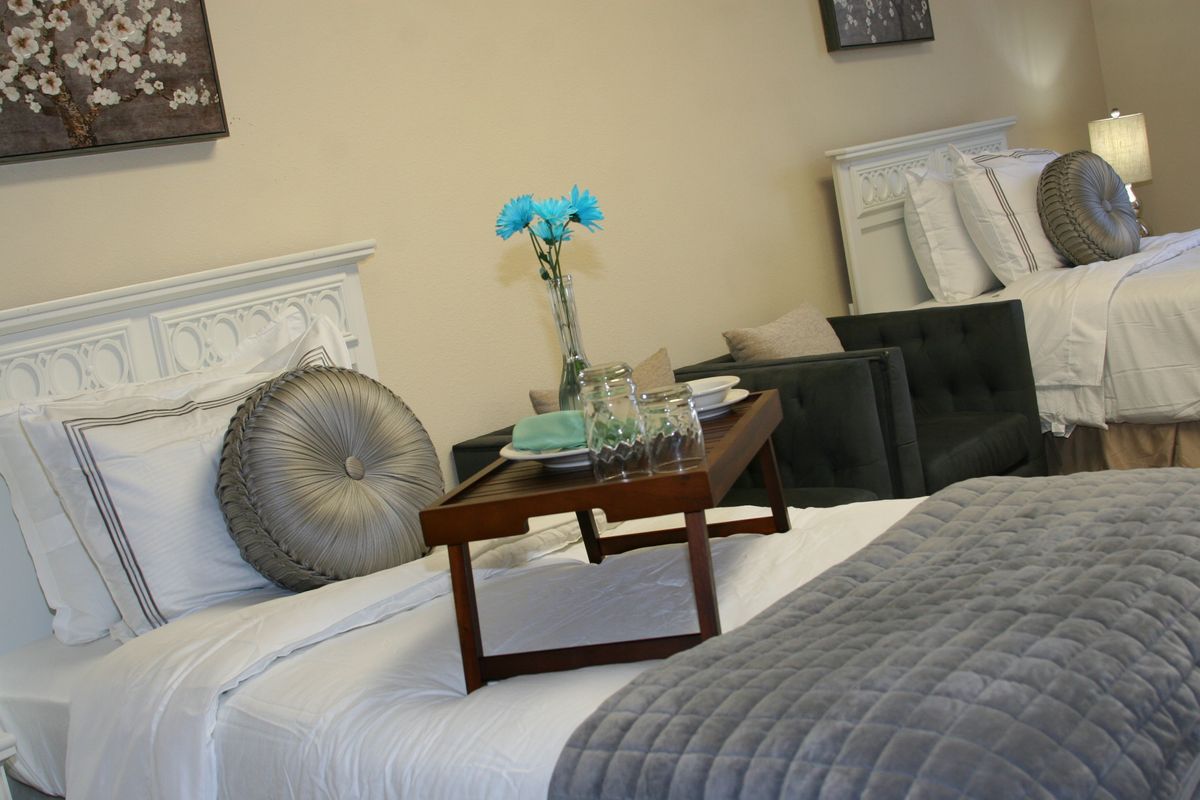
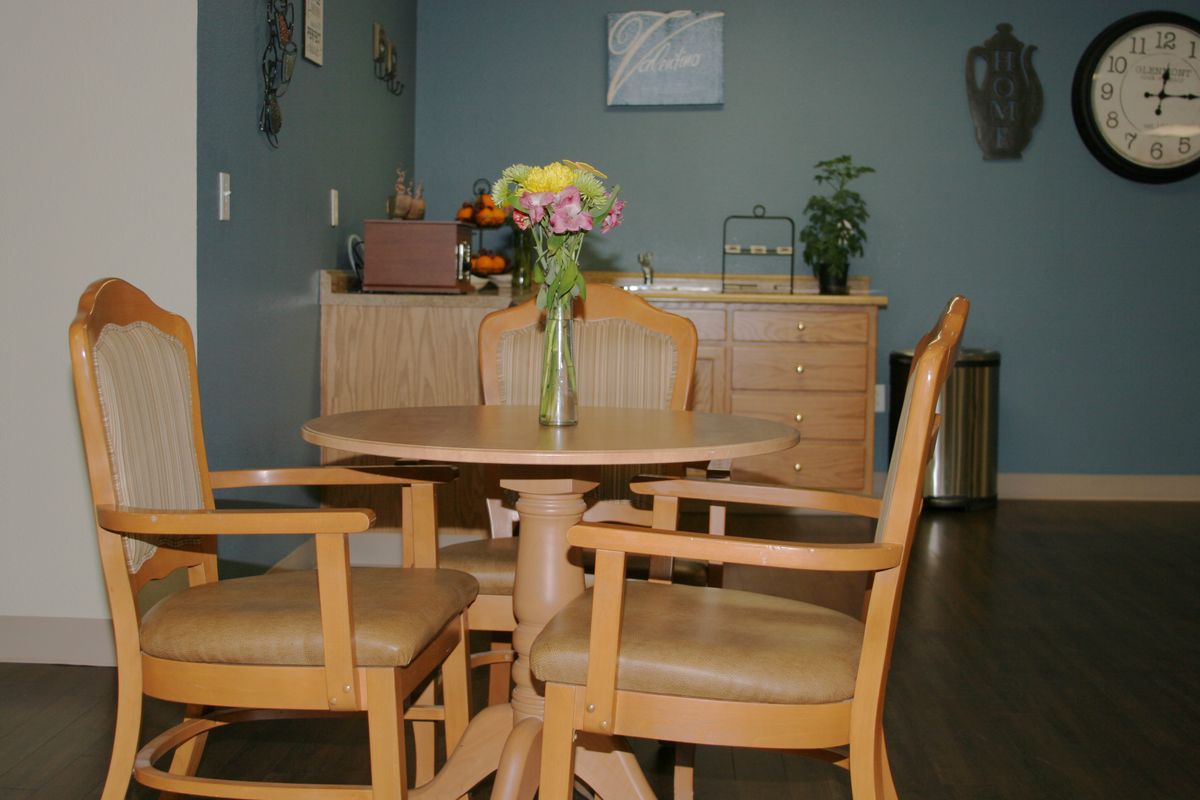
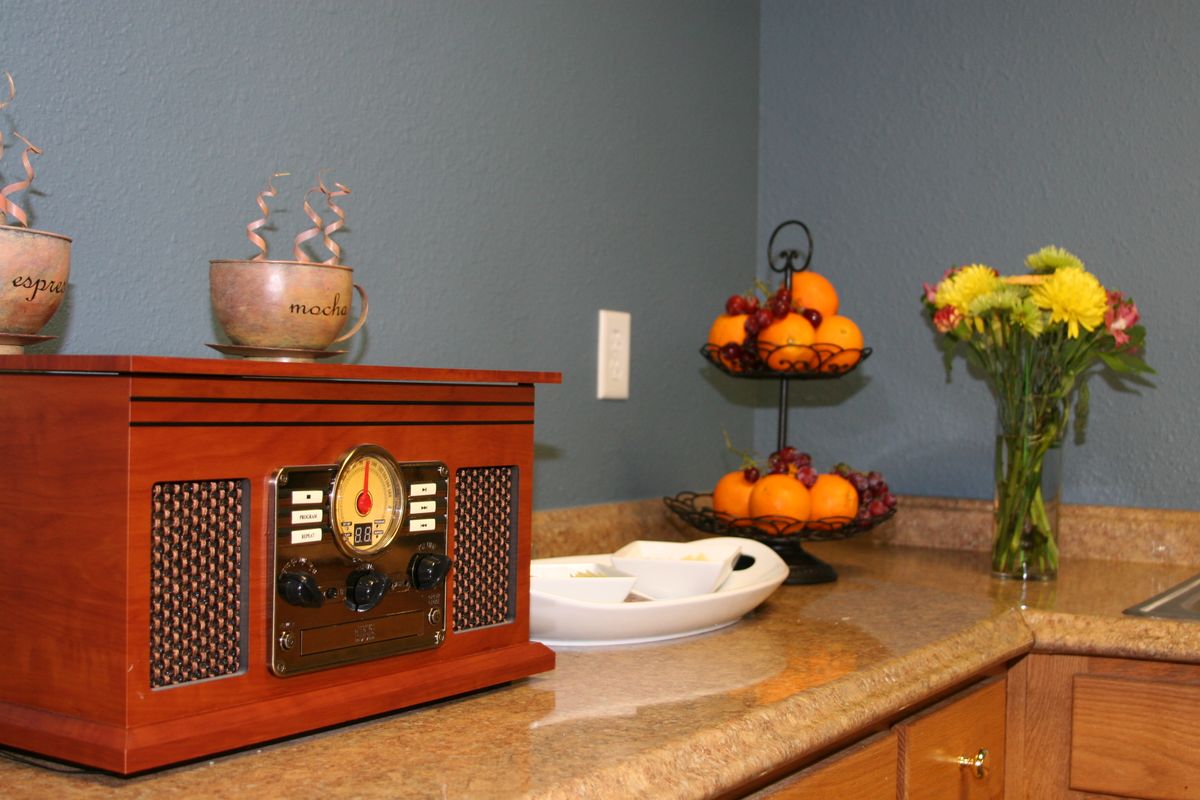
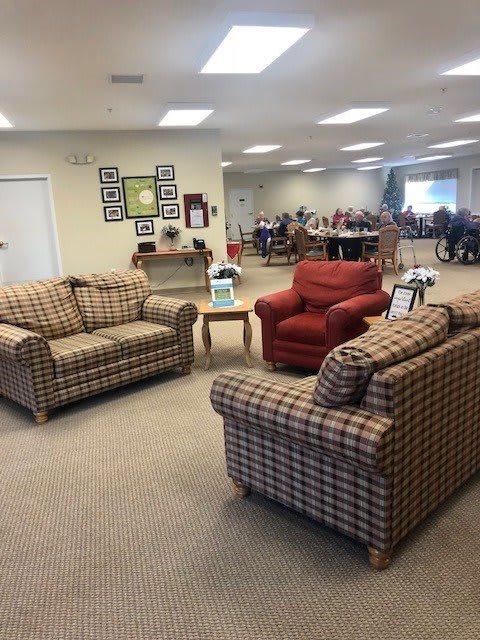
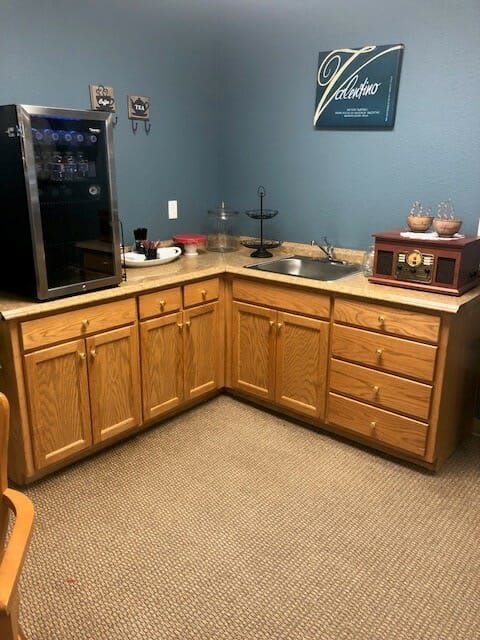
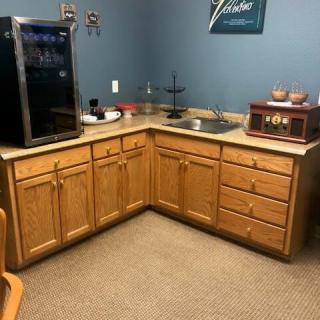
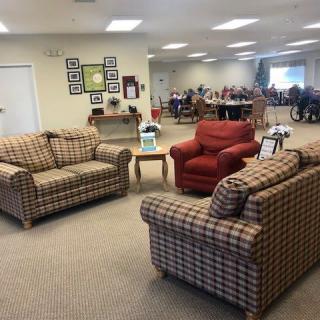
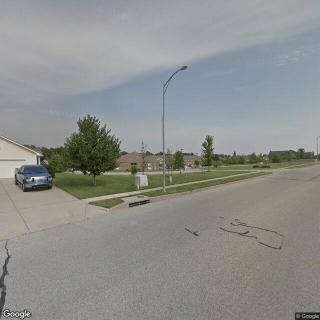
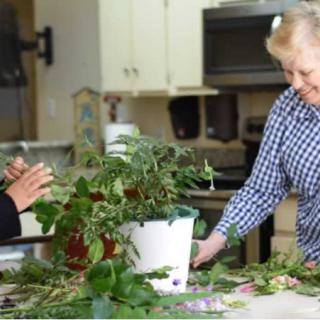
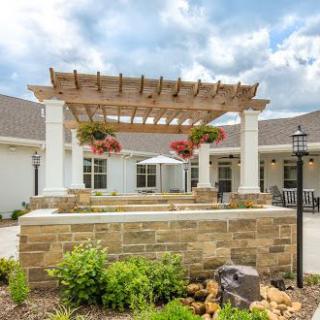
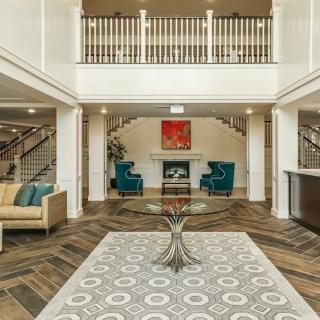
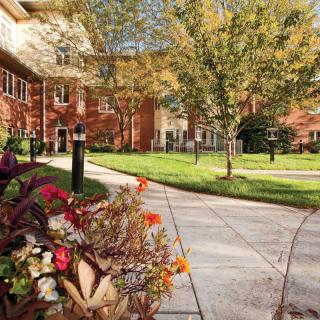
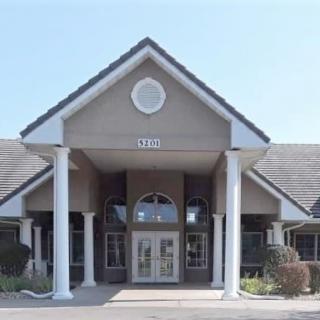
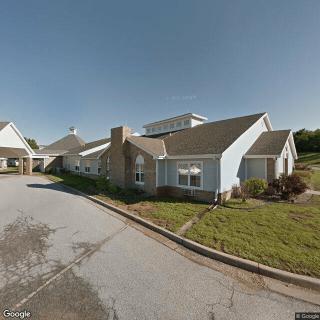
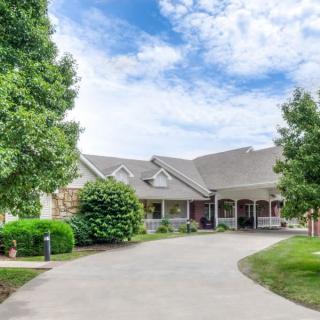
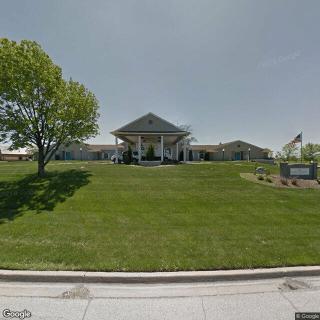
Colonial Oaks at Spring Hill on seniors.fyi includes 9 photos including images showing kitchen, decor, gardening, bedroom, interior, coffee station, fireplace, flag, and more.
Nearby Communities
Spring Hill Care & Rehabilitation Center
Spring Hill, KS
4 from 24 reviews
Comprehensive care with 24/7 supervision and diabetes-friendly dining.
Golden LivingCenter - Spring Hill
Spring Hill, KS
4 from 24 reviews
Personalized care plans with 24/7 staff and memory care options.
Vintage Park At Gardner
Gardner, KS
4.8 from 35 reviews
$4,175 / month
Friendly staff with a welcoming, home-like feel and engaging activities.
Medicalodges Gardner
Gardner, KS
2 from 2 reviews
Friendly staff and good dining create a welcoming environment.
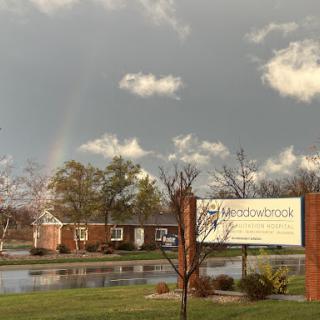
Meadowbrook Rehabilitation Hospital - Long Term Care Unit
Gardner, KS
4.5 from 118 reviews
24/7 supervision with diabetes care and restaurant-style dining.
The Courts at Fairfield Village
Olathe, KS
Comprehensive care services (meal preparation, medication management) with adaptable dining and a convenient, well-connected location near essential facilities.
Benton House of Olathe
Olathe, KS
4.9 from 61 reviews
$3,900 to $4,800 / month
Beautiful facility with caring staff and engaging activities; strong memory care and safety features.
Vintage Park at Paola
Paola, KS
5 from 45 reviews
$4,280 / month
Welcoming atmosphere with caring staff, engaging activities, and a clean, home-like environment.
The transition from assisted living to skilled nursing care is often prompted by complex medical needs that assisted living cannot meet, with key indicators including frequent health declines, increased falls, severe memory issues, and caregiver burnout. Families should recognize these signs early to discuss options with healthcare providers and prepare for the emotional and logistical aspects of moving to a facility that offers comprehensive medical support.
Dementia is characterized by cognitive decline, with nutrition playing a vital role in brain health; while no specific diet can prevent or reverse it, a nutrient-dense diet rich in antioxidants and healthy fats may support cognitive function. The MIND diet, which emphasizes beneficial foods and limits processed items, along with proper hydration and individualized meal strategies, can enhance the well-being of dementia patients.
Dementia affects memory and cognitive function in older adults, presenting challenges for caregivers due to behavioral changes such as confusion and mood swings. Compassionate, person-centered care that considers individual history and preferences, along with effective communication and environmental modifications, is essential for supporting both patients and their caregivers.
Get PricingAsk A QuestionSchedule A TourContact Senior Advisor
By clicking submit, you agree to our Partner's Terms of Use. You
also consent to receive calls and texts, which may be autodialed, from our Partner. Your consent is not a condition to
using our Partner's service. Please visit our Partner's Privacy Policy for information about their privacy practices.




 54 resident community capacity
 Assisted Living
 Memory Care
 Cats allowed
 Dogs allowed
 Activities on-site
 Air-conditioning
 Beautician on-site
 Cable or satellite TV
 Computer center
 Dining room
 Fitness room
 Fully furnished
 Gaming room
 Garden
 Ground floor units
 Housekeeping services
 Indoor common areas
 Kitchenette
 Move-in coordination
 Outdoor space
 Private bathrooms
 Respite or short term stays offered
 Restaurant-style dining
 Small library
 Telephone
 Wellness center
 Wheelchair accessible showers
 Wi-Fi/high-speed internet available
 Community operated transportation
 24-hour call system
 Ambulatory care
 Assistance with bathing
 Assistance with dressing
 Assistance with transfers
 Diabetes diet
 Diabetic care
 High acuity care
 Incontinence care
 Medication management
 Special dietary restrictions
 Art classes
 Bible study group
 Concierge services
 Day trips and outings
 Educational speakers / life long learning
 Happy hour
 Karaoke
 Live dance or theater performances
 Live musical performances
 Other religious services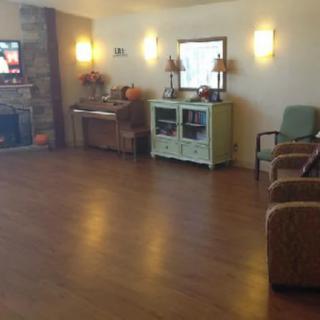
 Comprehensive care with 24/7 supervision and diabetes-friendly dining.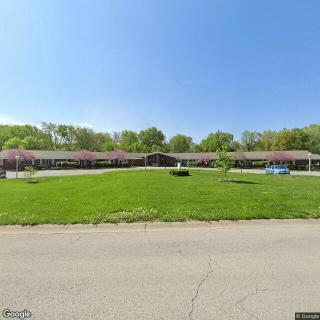


 8 Key Indicators That Suggest It May Be Time to Transition from Assisted Living to Skilled Nursing Care
 Nourishing the Mind: Essential Dietary Approaches for Dementia
 Understanding Dementia Behaviors: Practical Insights and Strategies for Caregivers