

251 East Wilson, Spring Hill, KS 66083
To contact a resident: (913) 592-3100
For more information about senior living options: (866) 208-4318
Overall Review of Golden LivingCenter - Spring Hill
Pros
 The staff provided excellent care for the reviewer’s father.
- The staff at Spring Hill Care and Rehab are wonderful, kind and thoughtful, treating residents and their families well.
- The facility seems to be managed very well and runs smoothly.
- The facility offers planned activities, is kept clean, and residents have enjoyed the food.
- The facility is a great place with friendly staff and is clean.
- Todd and his staff make the facility a great place for families, and they are highly recommended.
- A lovely welcoming environment with knowledgeable, hospitable, and friendly staff, and it is highly recommended for loved ones.
- The facility is awesome and offers great housing.
Cons
 There is a reason there are no recent raving reviews.
- The facility needs an education on resident rights and customer service.
- It is not a friendly environment.
- Kitchen management doesn’t care about the residents, as meal times are cut and residents eat cold foods.
- The residents dislike having the same breakfast five days a week.
- Management is only looking to make her job easy and does not care about residents, employees, or their reputations.
- Management has served raw meat on multiple occasions and shifted blame onto others.
- The facility allows retaliation by firing the person who filed a report.
Review
Golden LivingCenter - Spring Hill is best suited for families seeking a caregiver-first environment where frontline nurses and therapy staff build real relationships with residents. It shines for rehab-focused care and for seniors who want a warm, home-like atmosphere with daily engagement, clean surroundings, and a sense of community. For residents who thrive on predictable, personalized attention and meaningful activity, the facility often delivers steady, reassuring care. The strongest narratives praise staff on the units, nurses, aides, and therapists, who know residents by name, listen, and respond with kindness. That human-centered approach makes a tangible difference for recovery and ongoing support.
At the same time, some families should consider alternatives if governance, accountability, and resident-rights protections top their list. Several accounts raise red flags about management attitudes toward residents and staff, including concerns about meal timing and consistency, and even serious incidents that allegedly involved miscommunication or blame-shifting. Reports about the HR process and fears of retaliation for raising concerns suggest a culture where problems may not be addressed promptly or transparently. For families prioritizing robust grievance handling, unambiguous rights protections, and proactive management, exploring other communities could be wise.
The facility’s positives are real and recurrent. The care team is frequently described as patient, compassionate, and attentive, with therapy services highlighted as a standout feature. Families recount long-tenured staff who go the extra mile to ease transitions, reassure families, and foster trust. The environment is repeatedly described as clean, welcoming, and well-scheduled, with activities that keep residents engaged and socially connected. When such front-line dedication aligns with a well-structured rehab plan, residents can experience meaningful progress and feel secure in daily life.
Yet those strengths do not fully offset the notable concerns. The most damaging themes center on perceived management indifference and the potential for retaliation or poor accountability when issues are raised. Operational hiccups, meals served at inconvenient times or not at temperature, and occasional maintenance gaps like non-flushing toilets or delayed room amenities, underscore that day-to-day consistency can wobble. In situations where governance and timely issue-resolution are non-negotiable, these inconsistencies become material risks to comfort and safety, particularly for new admissions or residents with higher care needs.
To make a well-founded decision, prospective families should probe specifics during tours: staffing stability and turnover on front-line teams, the speed and quality of problem resolution, and the degree of choice in dining arrangements and menus. Ask for recent quality indicators and how incident reports are tracked and closed, along with candid conversations with therapy staff and nursing leadership about accountability pathways. Conversations with current residents and families about how past concerns were handled provide practical insight into whether the facility’s culture can deliver consistent rights protection and dependable responsiveness over time.
In sum, Golden LivingCenter - Spring Hill offers a practical blend of compassionate bedside care, solid rehabilitation potential, and a welcoming community that can deliver genuine peace of mind for families prioritizing personal attention and active therapy. The decision hinges on tolerance for governance variability and the ability to verify steady service and transparent issue resolution. For residents who value a nurturing staff and a dependable day-to-day care rhythm, the positives can outweigh the negatives when the care plan is personalized and the care team remains consistently visible. Conversely, for households where governance rigor and rights protections are non-negotiable, it is prudent to explore alternatives with stronger oversight, clearer escalation pathways, and a track record of consistent accountability.
 Skilled Nursing Facility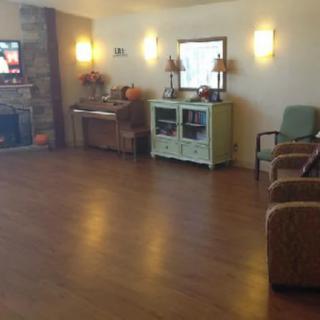






 Navigating Medicare Coverage for In-Home Care Services
 In-Home Care Costs in 2025: A Detailed State-by-State Exploration
 Understanding Home Health Care: A Comprehensive Guide