

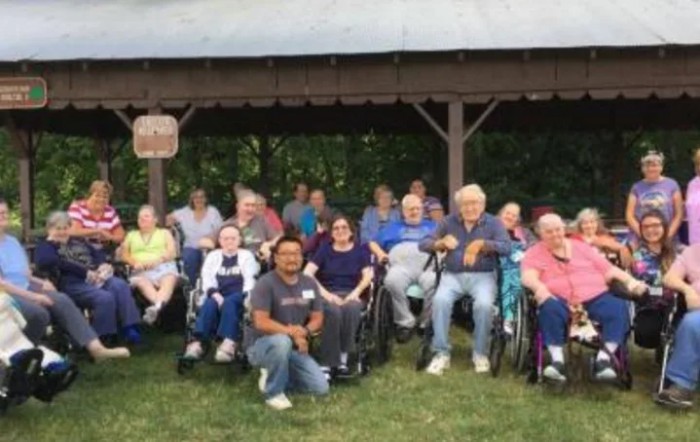
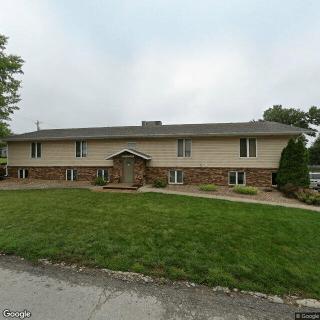
1977 Albia Road, Ottumwa, IA 52501
For more information about senior living options: (866) 208-4318
Overall Review of Ridgewood Specialty Care
Pros
 The staff are great.
- The facility has awesome staff and an amazing administrator.
- The staff treat residents and their families with kindness and respect.
- The leadership promotes a positive, caring environment, and staff are happy.
- The staff are amazing and go above and beyond for residents.
- The facility provides wonderful, attentive, compassionate care.
- The social worker Kristina was very helpful.
- Administration is amazing.
- They keep residents active and are kind and helpful.
Cons
 The night shift leaves residents in their wheelchairs at dinnertime and walks by without helping.
- The facility is criticized for bad staffing and for not addressing a resident’s extreme pain for days.
- The place is dirty and residents aren’t bathed regularly.
- A loved one was left sitting in a chair for long periods, denied a window, and not given a private room when eligible.
- A resident fell from a wheelchair and was not promptly assisted, and the incident may not have been documented.
- State inspectors substantiated abuse and neglect, including a nurse aide yelling at a resident.
- The reviewer would never recommend this place for a loved one.
- A doctor is alleged to have killed the reviewer’s mother.
Review
Ridgewood Specialty Care in Ottumwa is best suited for families seeking a facility where the daily human touch matters most and where rehabilitation and end-of-life support can be delivered with warmth and attentiveness. This community works best for loved ones who can benefit from a hands-on, compassionate staff that families feel they can trust for kindness, respect, and consistent interaction with residents. It is particularly appealing for post-stroke rehabilitation or similar recovery scenarios where families want to see steady progress and a team that “has their back.” However, this option is not ideal for those who require rigid, always-on medical oversight from a top-tier clinical leadership, or for families unable to commit to vigilant on-site advocacy to counter potential care lapses. Private-room expectations and room assignment may be a factor for some, as not every resident secures a private space, and overnight safety can hinge on proactive family involvement.
The strongest case for Ridgewood rests on its people. Reviewers consistently praise the staff, noting a culture of kindness, respect, and genuine dedication across nursing, therapy, housekeeping, and activity teams. The administrator earns frequent commendations for leadership that appears approachable and supportive, and the care teams are described as going above and beyond for residents and their families. Rehab outcomes, particularly for residents recovering from serious events like strokes, are highlighted as thoughtful, effective, and genuinely life-changing for some families. The social work presence is pointed to as a practical lifeline for coordinating transitions, permissions, and emotional support. In short, for families who prize a warm, person-centered atmosphere and visible frontline commitment, Ridgewood delivers a compelling, almost benchmark-level experience in day-to-day care.
Yet the facility is not without significant, credibility-shaking concerns. Multiple families report long idle times for assistance during meals, bathrooms, and mobility needs, especially on night shifts, creating anxiety about basic comfort and safety. There are tales of delayed medical attention and treatment decisions, with some situations described as insufficiently addressed before escalation to hospital care. Several reviewers recount experiences of isolation within rooms, including lack of privacy, inadequate accommodations, and inconsistencies around matching roommates. Even when care is attentive, there are persistent impressions that acuity misreadings or slow responses can lead to avoidable discomfort or risk, underscoring the necessity of constant family advocacy in real time.
Regulatory and quality signals magnify these cautions. Independent findings and family reports describe substantiated concerns about care failures, including delays in recognizing and treating injuries, and even dramatic lapses that led to hospitalizations or hospice placement. The financial penalties noted by inspectors, fines tied to deficiencies and a distinct resident-abuse finding, signal a structural risk, not just isolated incidents. These are meaningful red flags for families weighing long-term placement: they point to potential patterns rather than episodic missteps. While that does not cancel out the genuine warmth and capability of many staffers, it does demand heightened scrutiny, regular verification of care plans, and unwavering oversight by families and guardians.
Against those risks, the pros still hold substantial weight if navigated with a proactive plan. The people delivering care at Ridgewood can produce transformative comfort and real rehabilitation progress when supported by engaged families. The clearest offset to concerns is consistent, documented engagement: regular family visits, explicit expectations in writing, prompt escalation of any nighttime or mobility issues, and insistence on timely pain management, hydration, and mobilization. Families should request transparent care conferences, demand comprehensive rounds during shifts with a focus on response times, and insist on clear, written action plans for any medical concerns. If a family cannot commit to this level of advocacy or cannot tolerate potential lapses in care, Ridgewood may not be the best fit, and alternatives should be explored.
The practical conclusion is straightforward: Ridgewood Specialty Care can be a strong home for the right resident and family, one that benefits from compassionate staff, meaningful rehab, and supportive end-of-life care, but it requires disciplined oversight and a readiness to escalate concerns immediately. Prospective families should prioritize meeting multiple staffers across shifts, request current inspector summaries and any corrective-action documents, and push for a clear, written care plan that includes response timelines. If those safeguards feel burdensome or if the risk tolerance is low regarding past regulatory findings, exploring other Ottumwa options with stronger, more consistent safety records is prudent. Tour, verify staffing patterns, and align expectations with what matters most: safety, dignity, and dependable, proactive care 24/7.
 70 resident community capacity
 Skilled Nursing Facility
 Air-conditioning
 Beauty salon
 Cable or satellite TV
 Computer center
 Dining room
 Fitness room
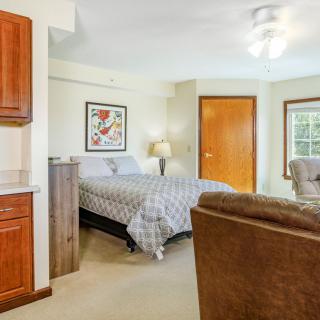
 Fully furnished
 Gaming room
 Garden
 Housekeeping services
 Kitchenette
 Move-in coordination
 Outdoor space
 Private bathrooms
 Restaurant-style dining
 Small library
 Telephone
 Wellness center
 Wi-Fi/high-speed internet available
 Community operated transportation
 12-16 hour nursing
 24-hour call system
 Activities of daily living assistance
 Assistance with bathing
 Assistance with dressing
 Assistance with transfers
 Diabetes diet
 Medication management
 Mental wellness program
 Special dietary restrictions
 Concierge services
 Planned day trips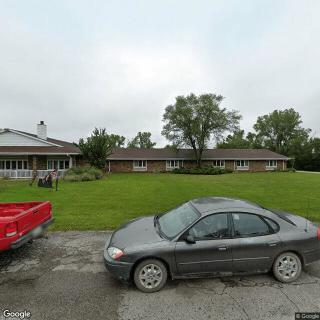



 Financing Long-Term Nursing Home Care Through Social Security: A Thorough Exploration
 Essential Knowledge on Pneumonia in Older Adults
 Exploring Palliative Care in the Home: A Comprehensive Overview