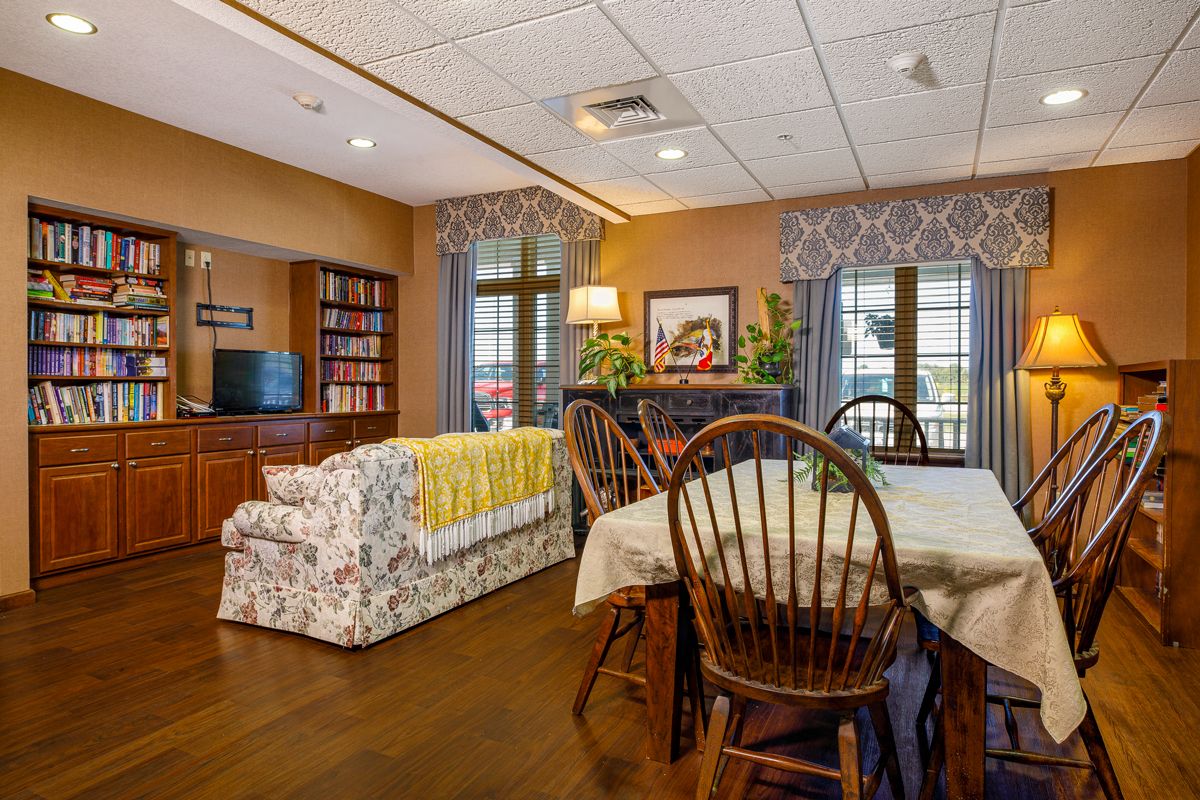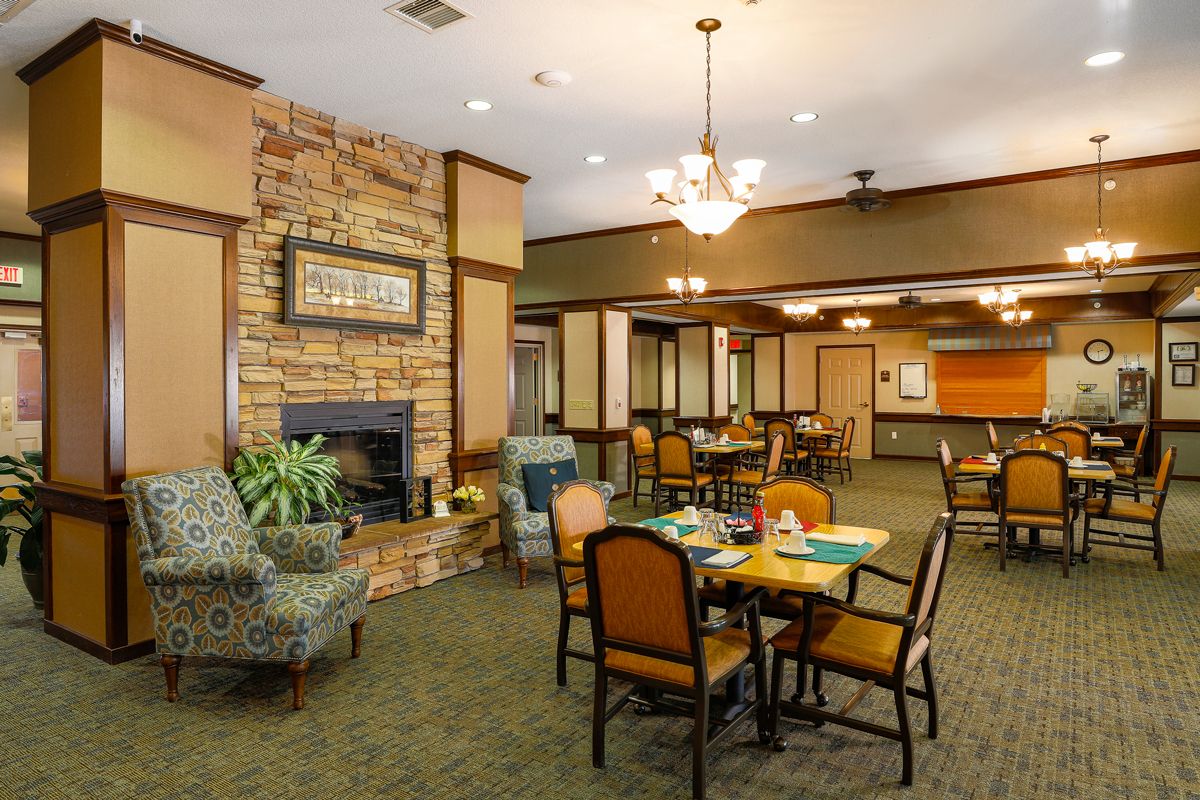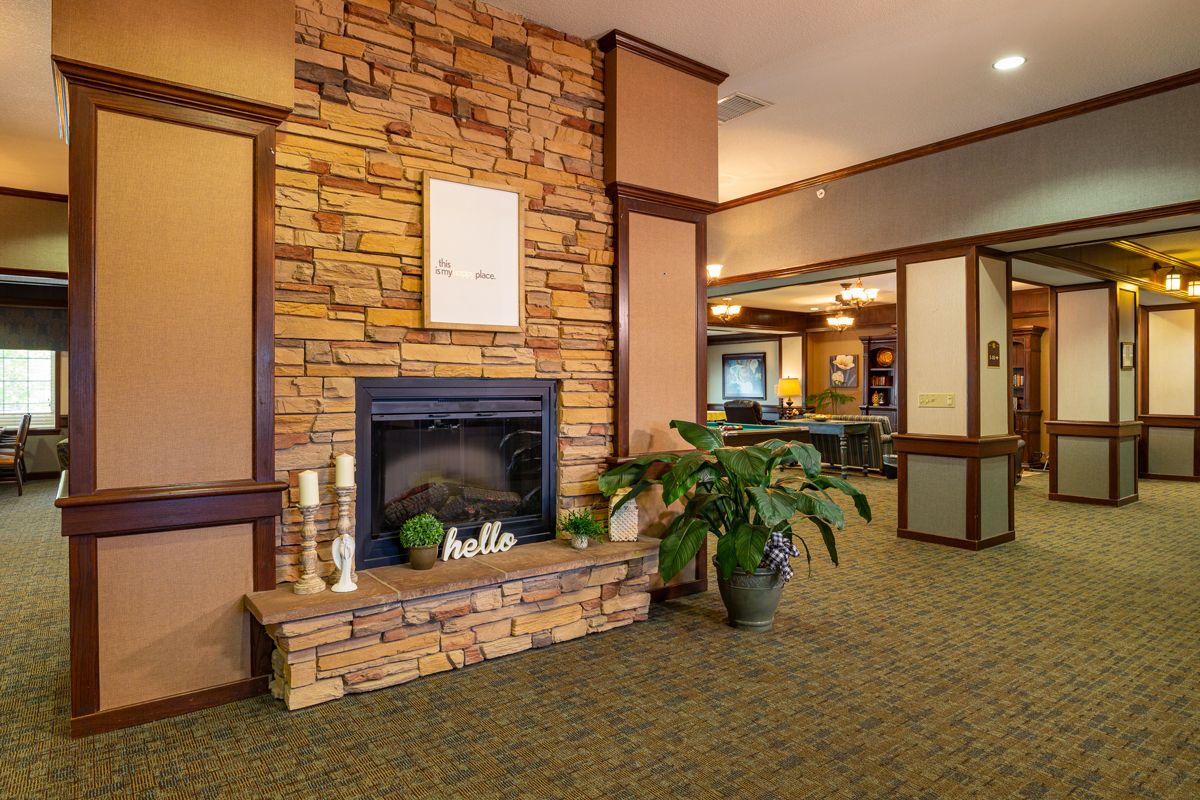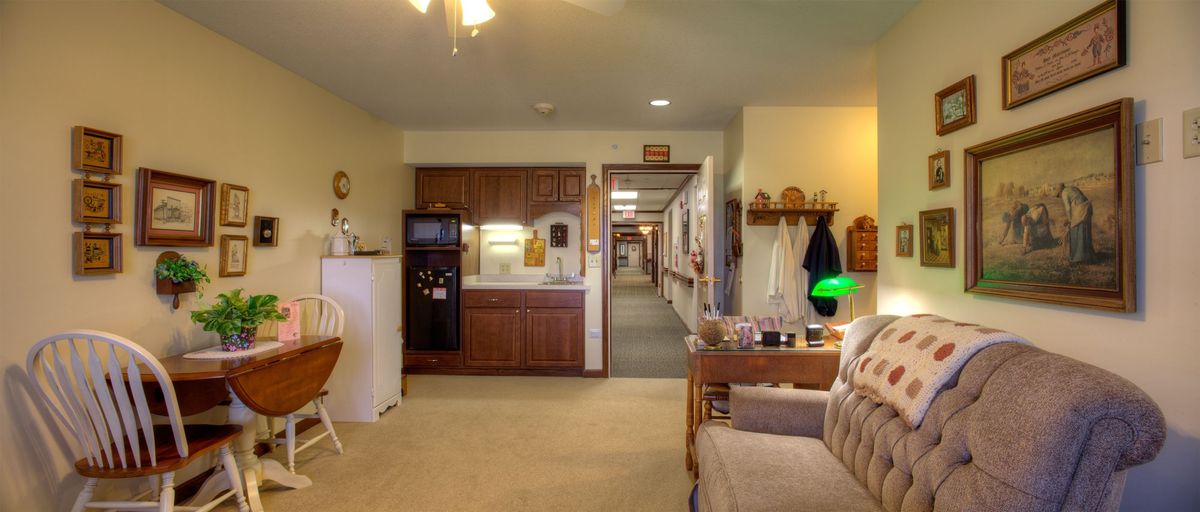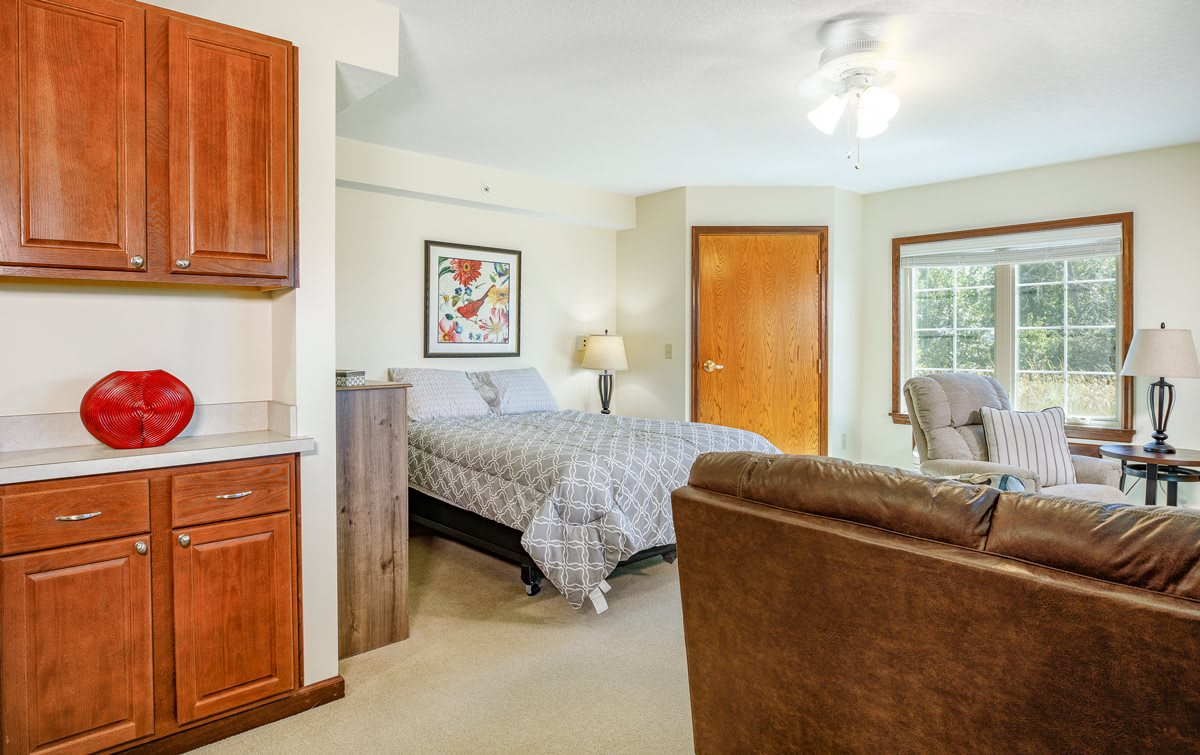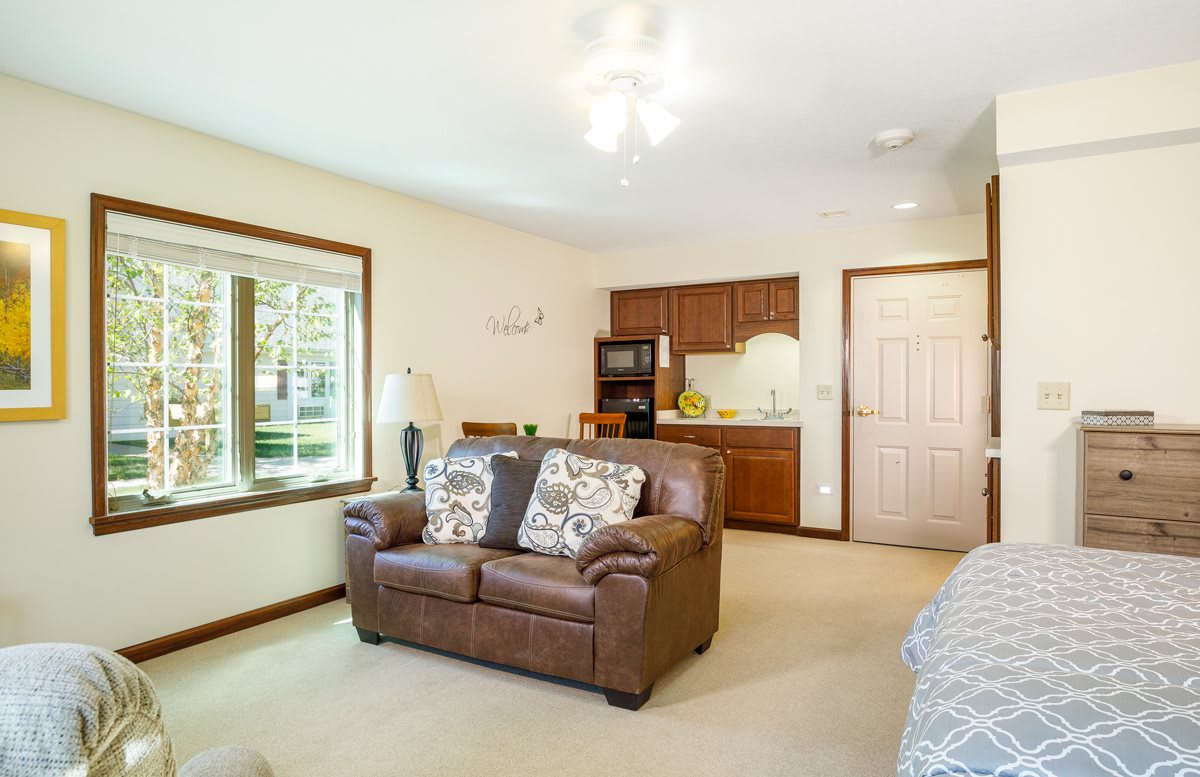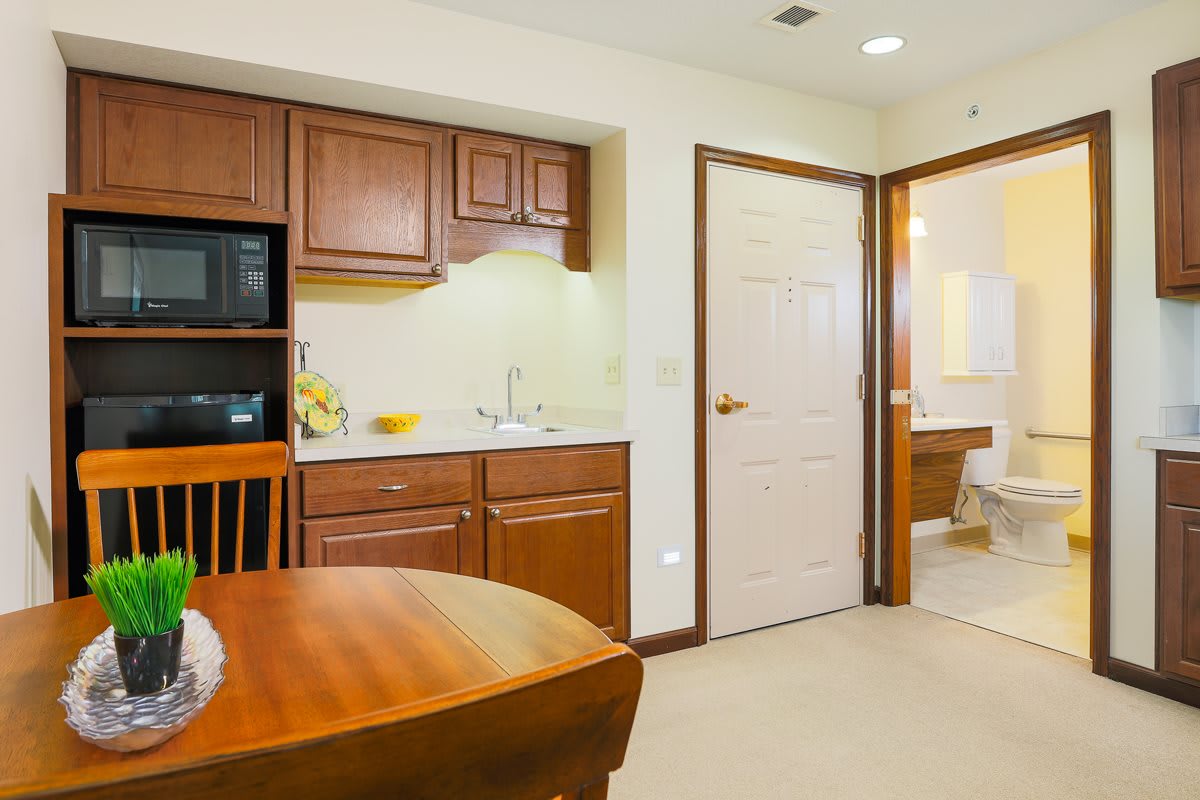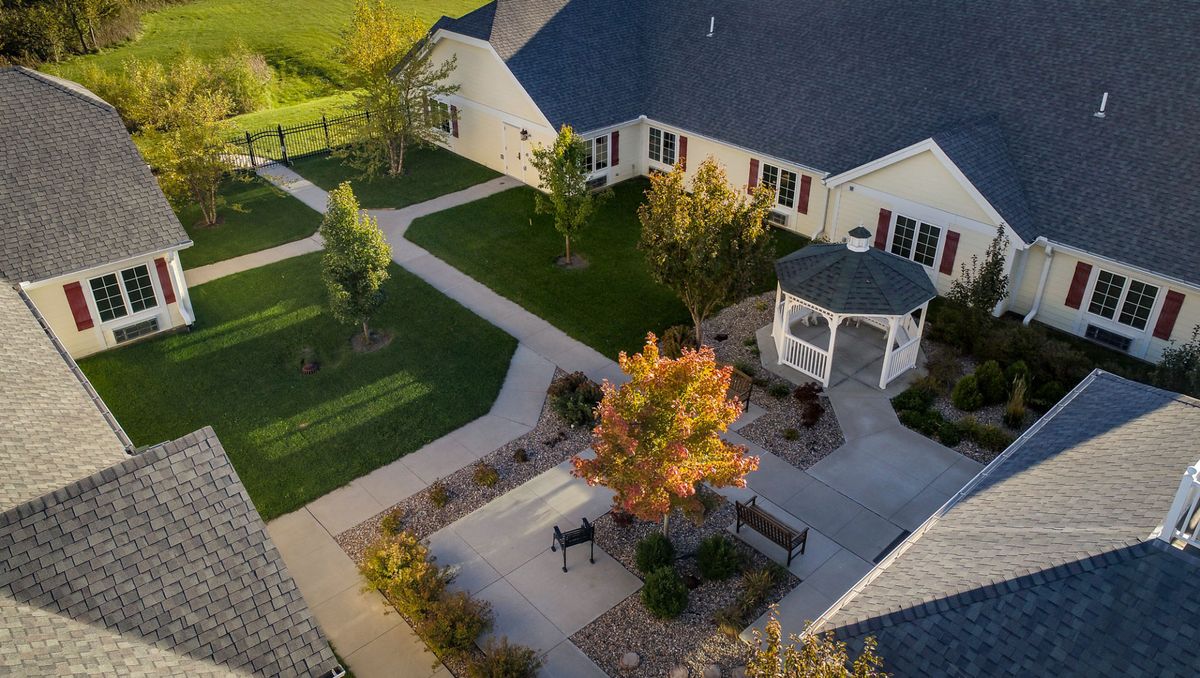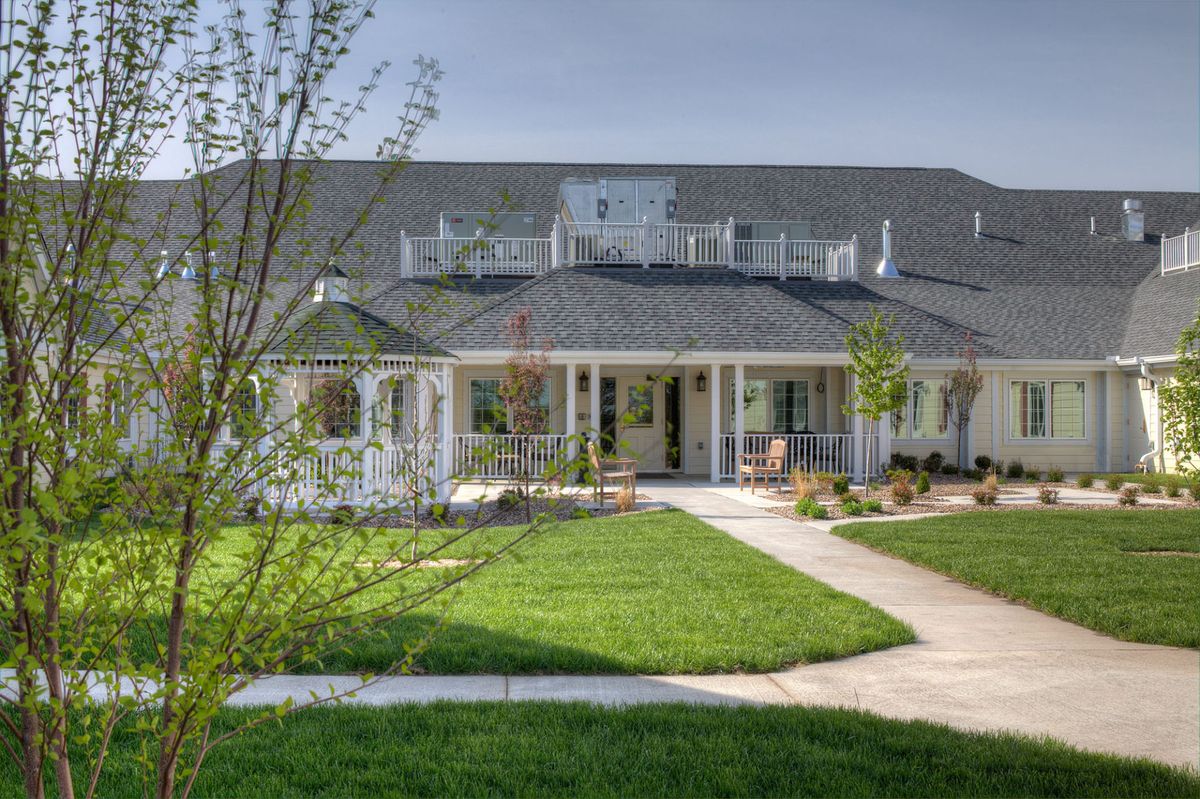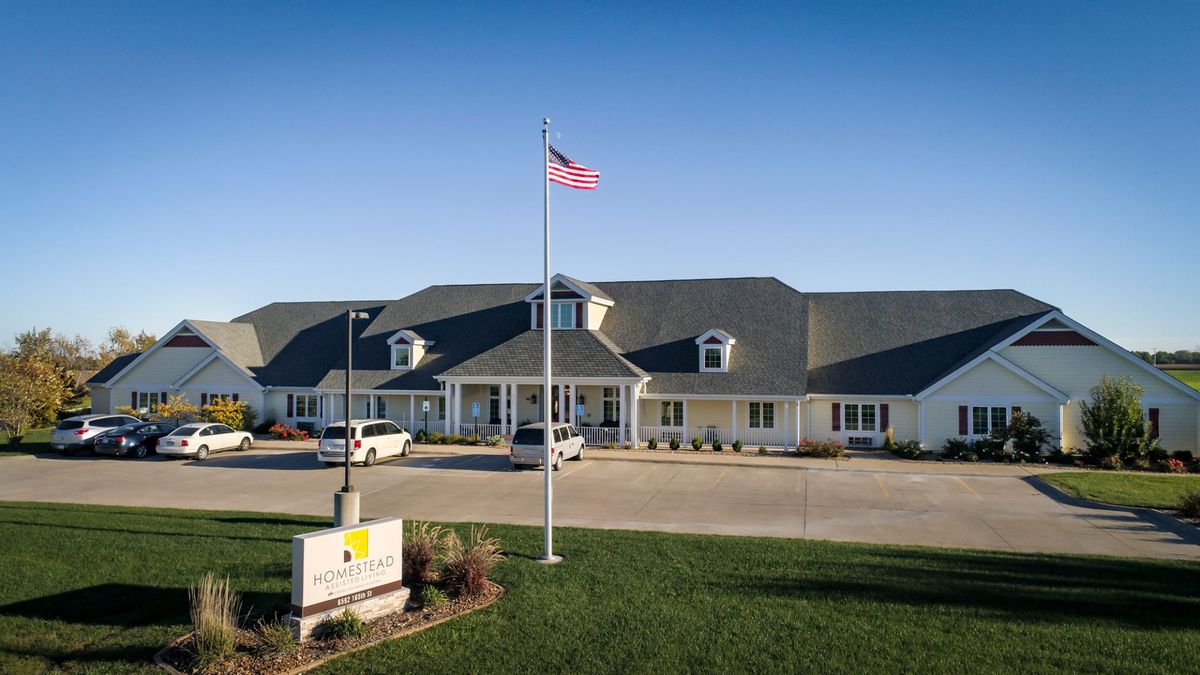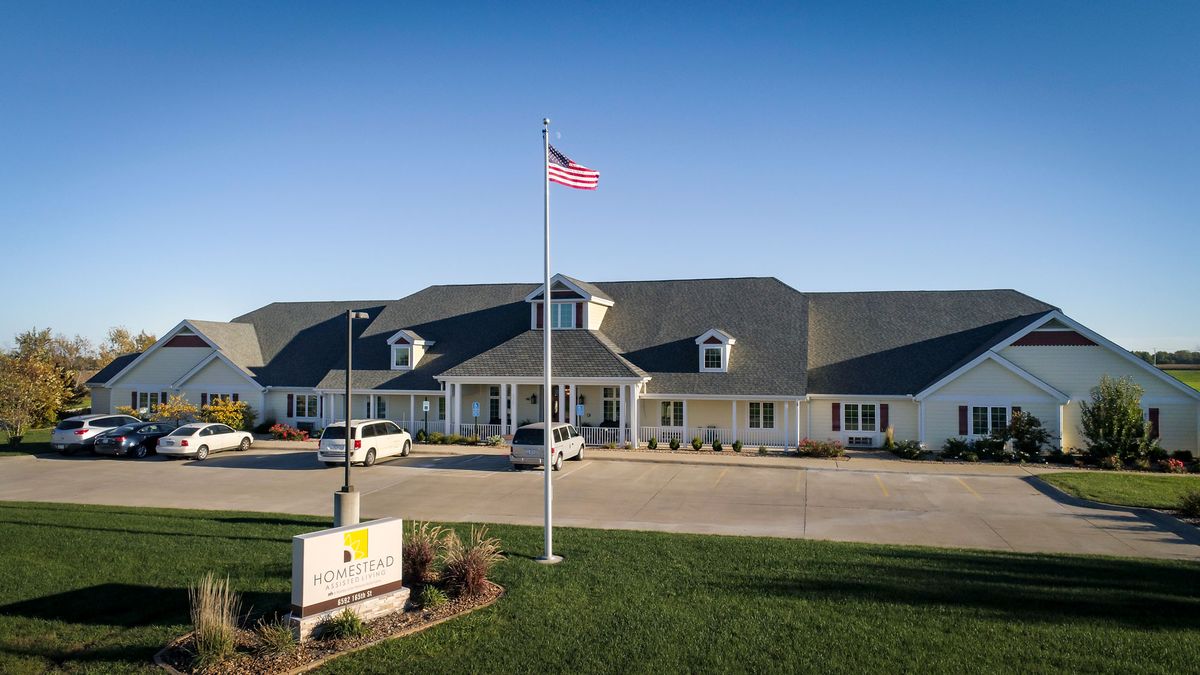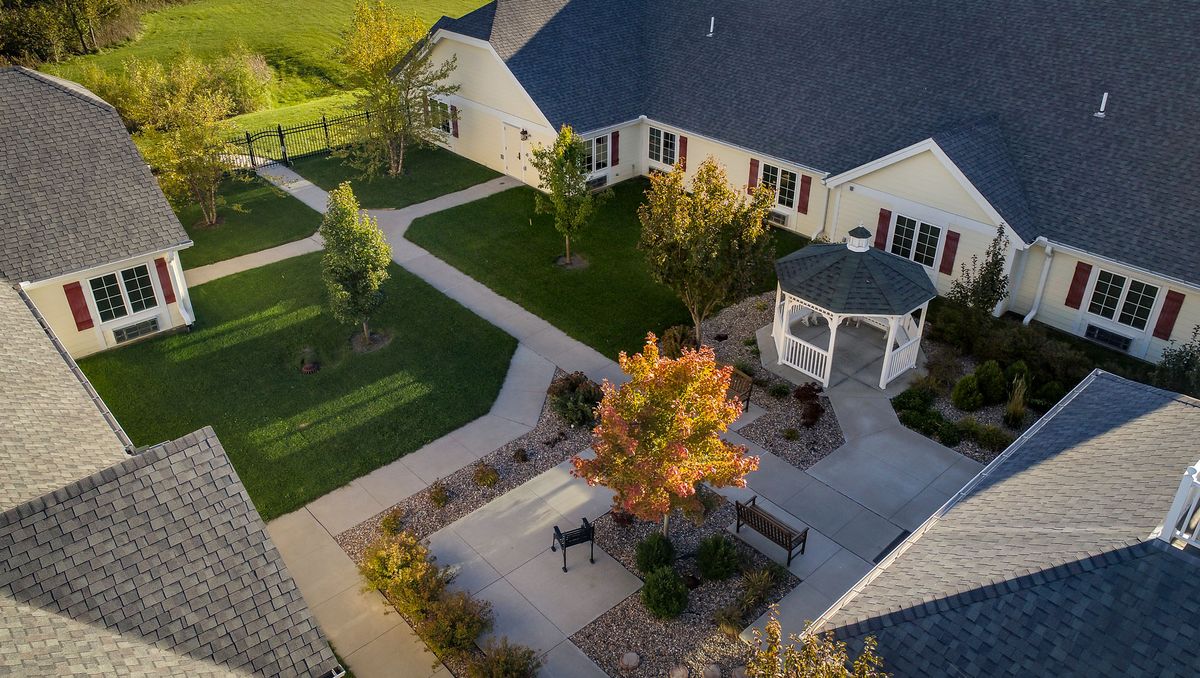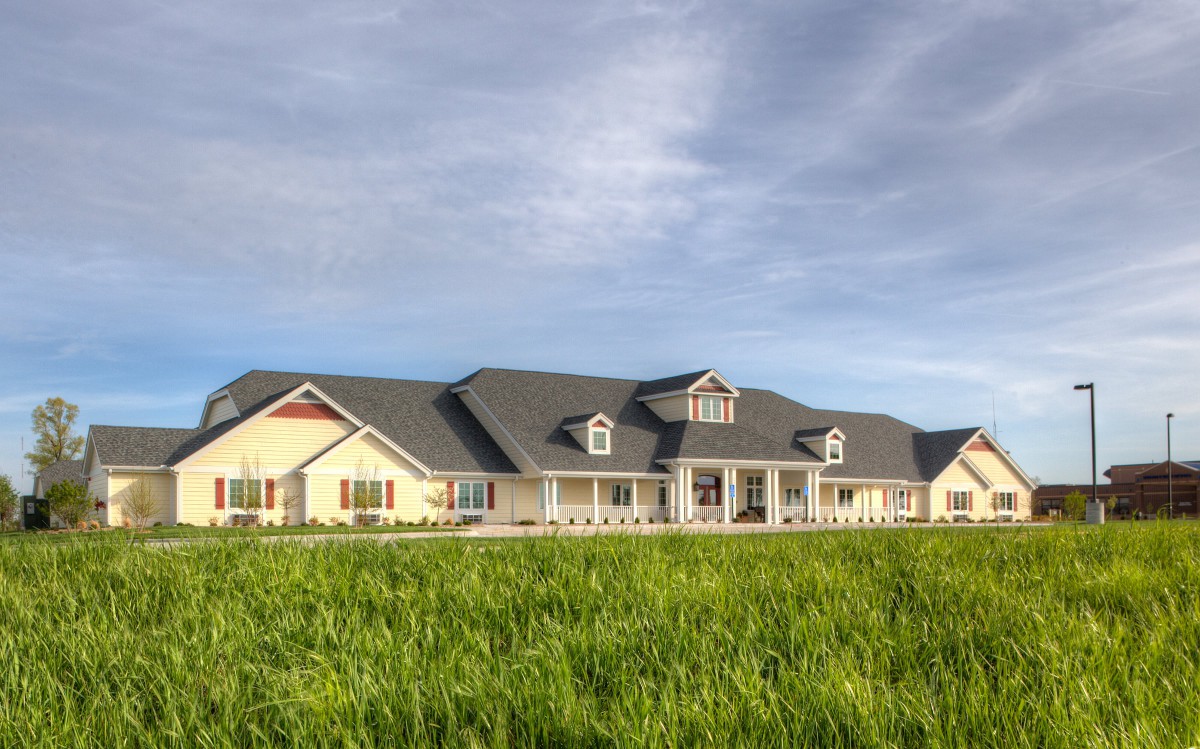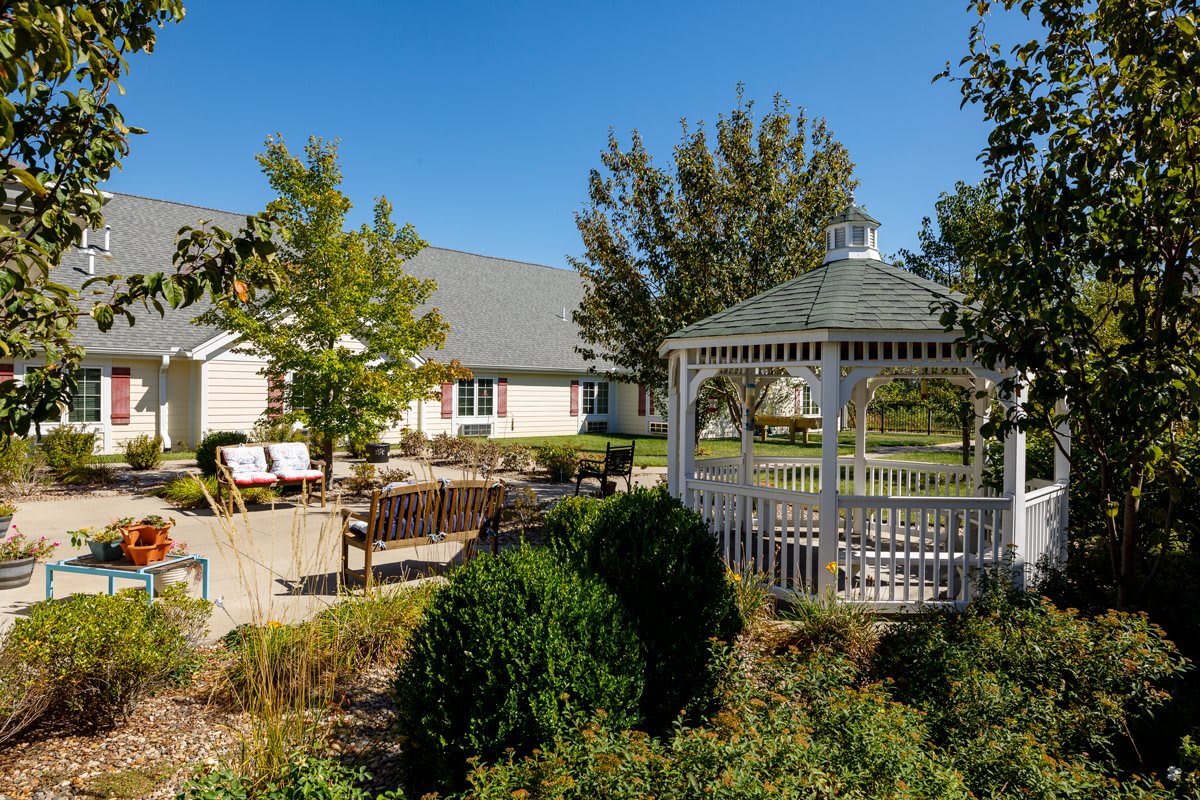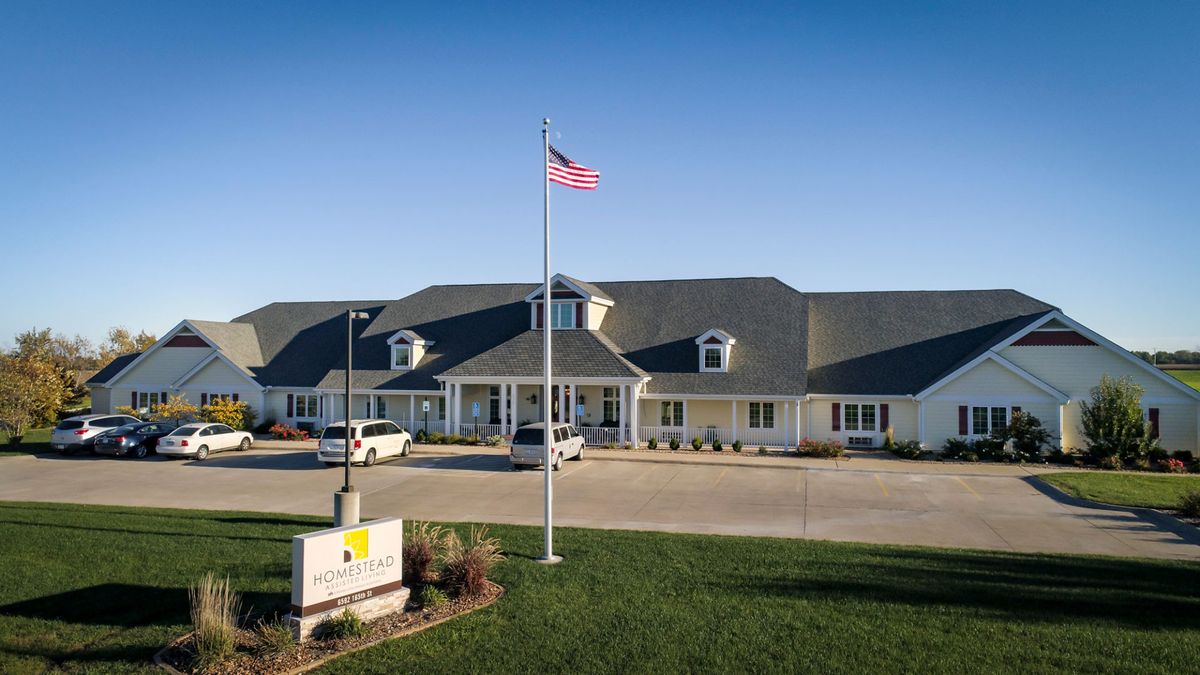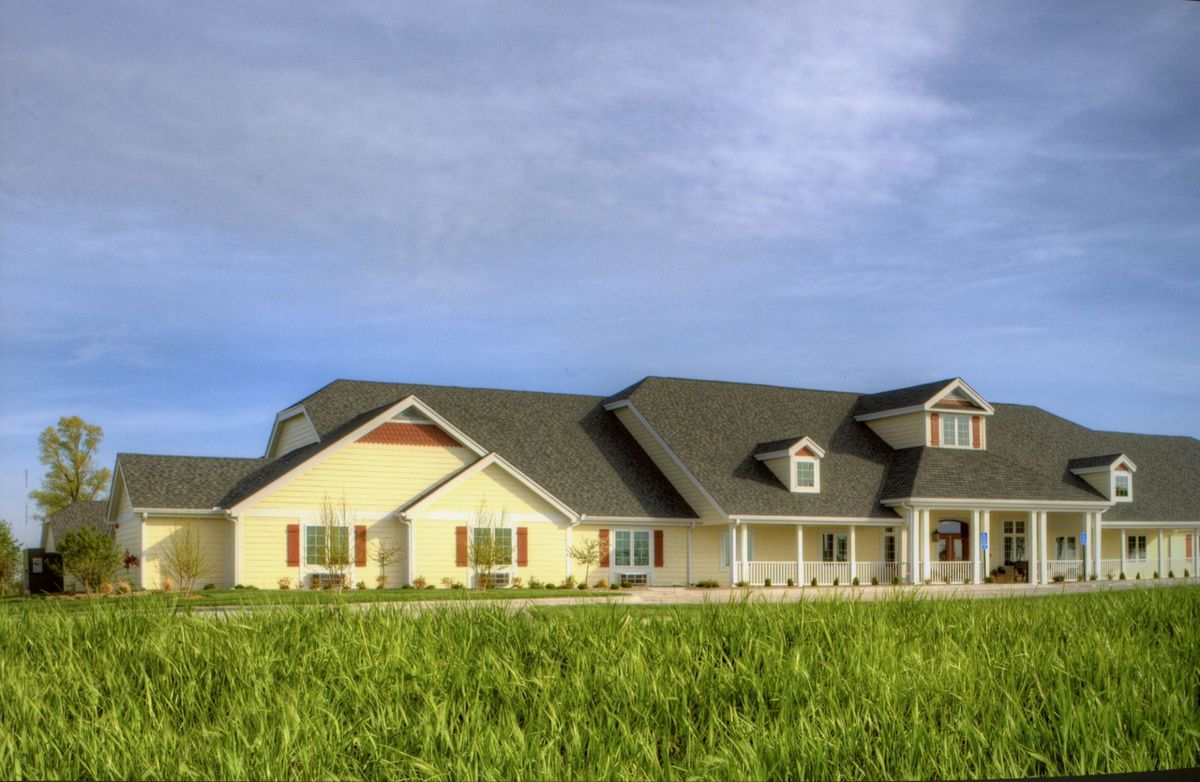
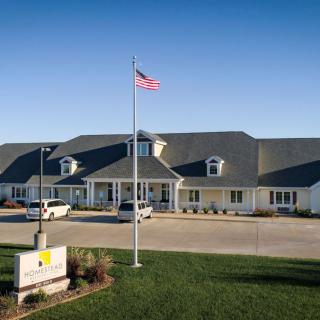
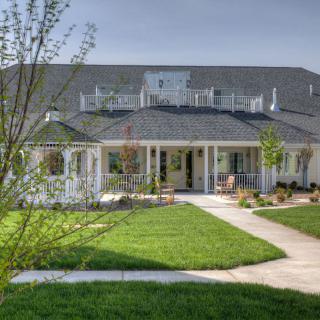
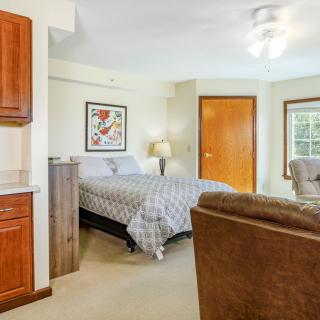
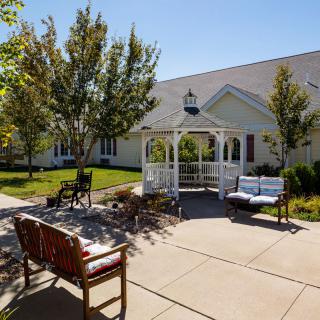
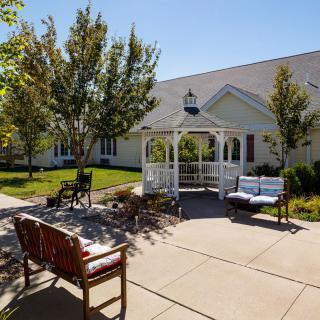
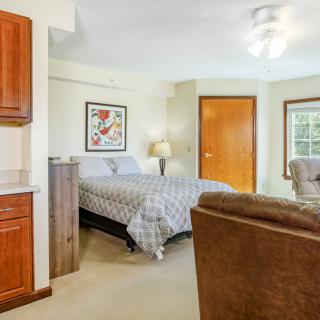
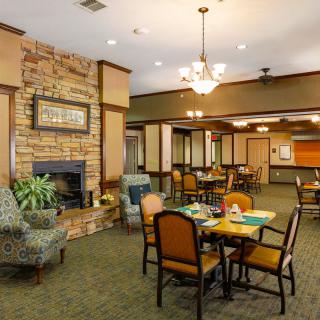
6592 165th St, Albia, IA 52531
To contact a resident: (641) 932-2102
For more information about senior living options: (866) 208-4318
Homestead of Albia Costs & Pricing
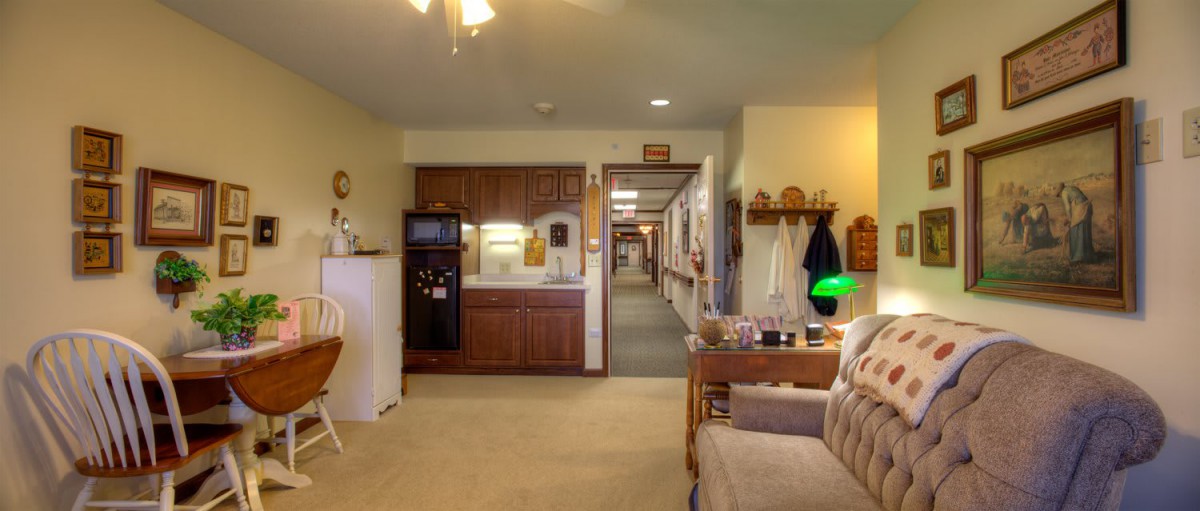
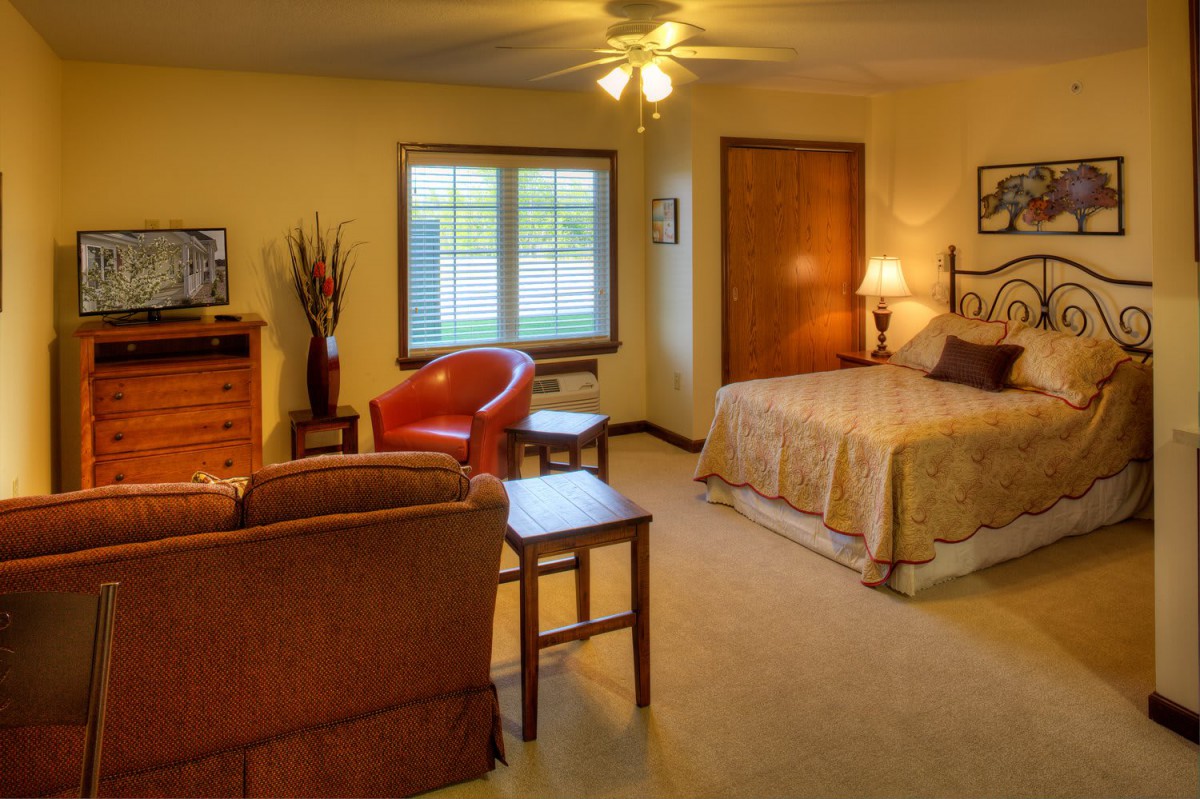
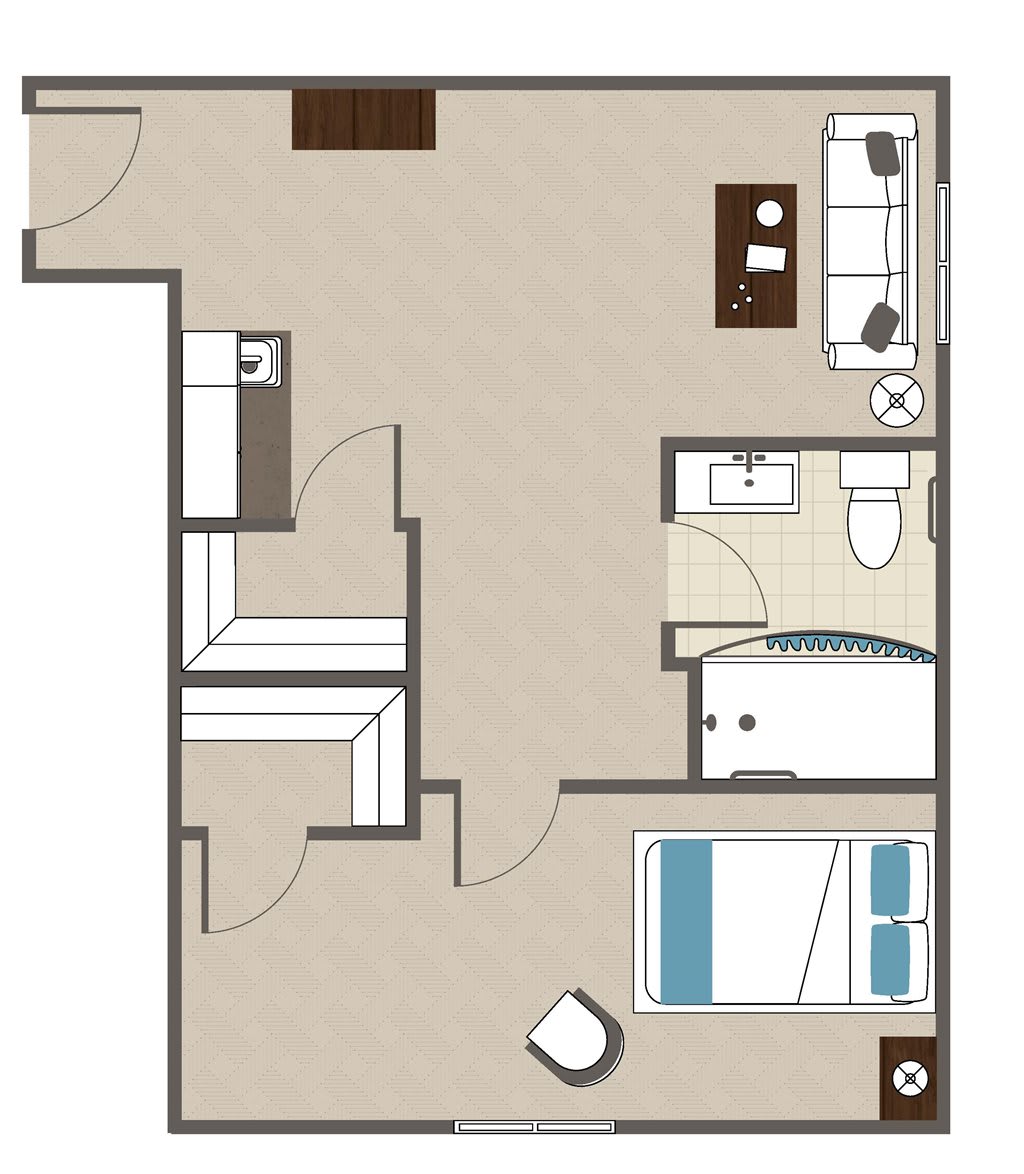
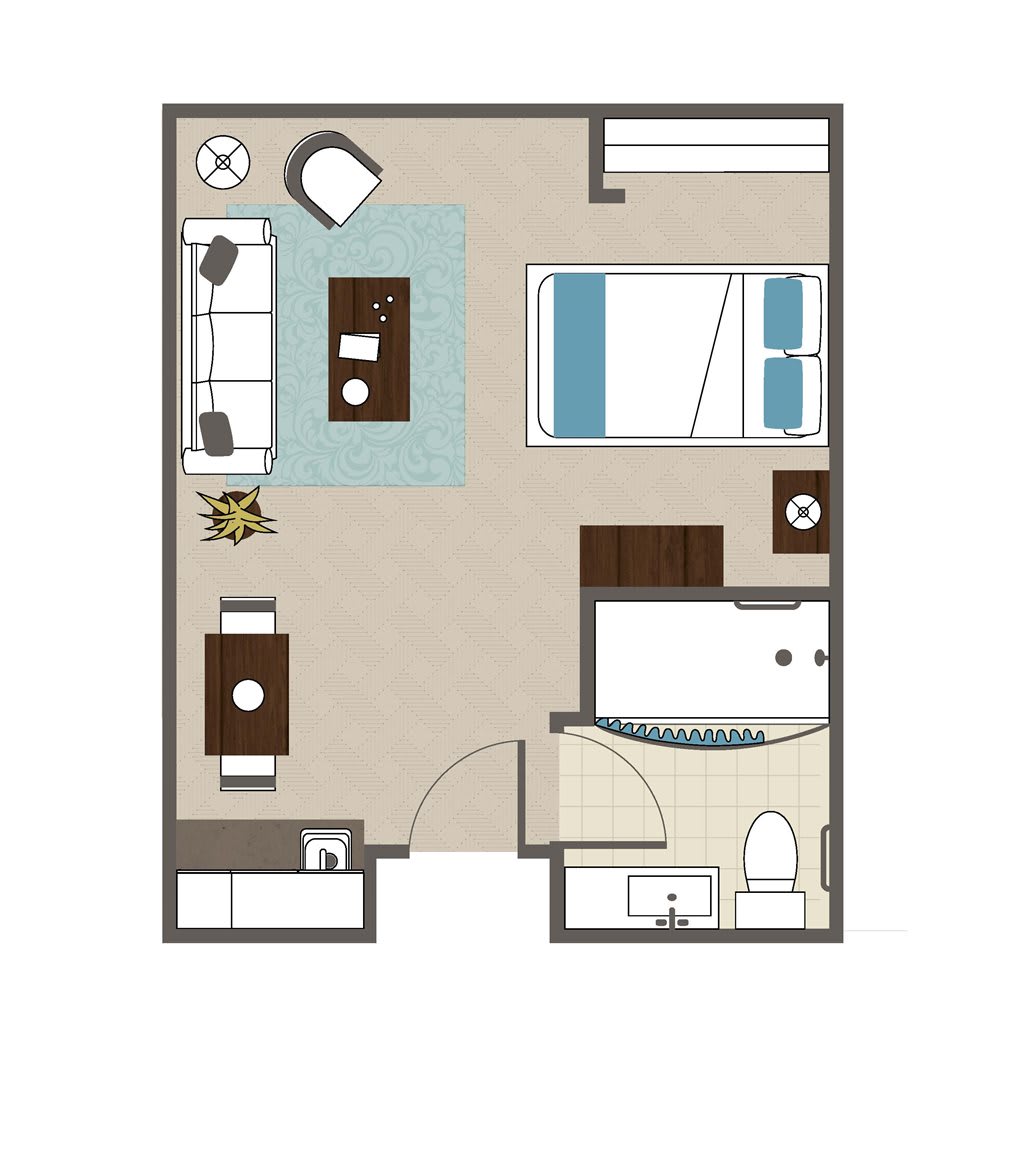
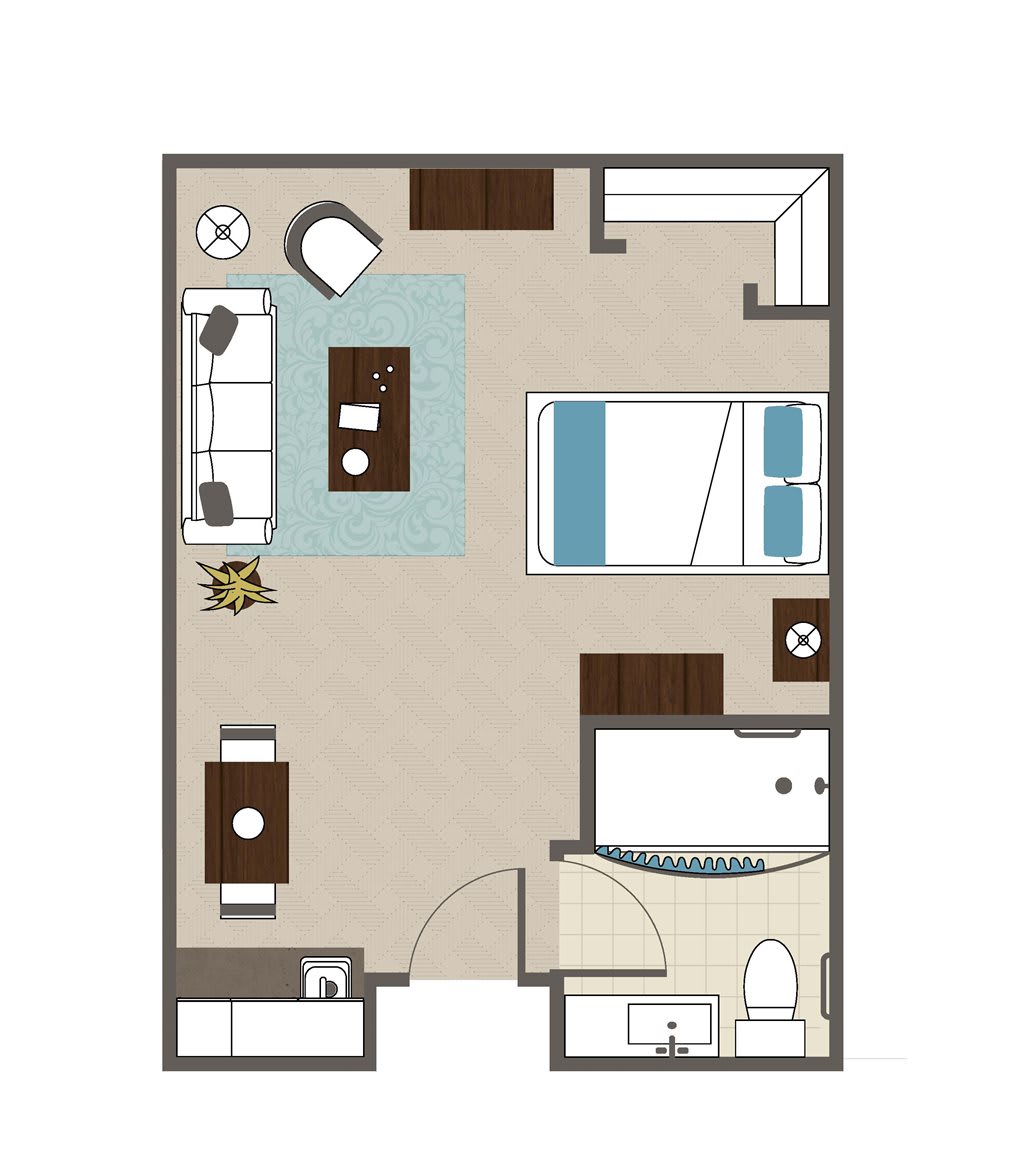
At Homestead of Albia, the monthly costs for various room types reflect a premium compared to both Wapello County and the broader state of Iowa. For instance, a studio apartment at Homestead is priced at $5,130, significantly higher than the county average of $4,140 and the state average of just $3,613. This trend continues with one-bedroom accommodations, where residents pay $6,665 at Homestead - again well above Wapello County's rate of $3,387 and Iowa's average of $2,862. These figures suggest that while Homestead of Albia may offer distinct benefits or amenities that justify its pricing, potential residents should weigh these costs against their budgetary considerations in comparison to local and statewide options.
| Floor plans | Homestead of Albia | Wapello County | Iowa |
|---|---|---|---|
| Studio | $5,130 | $4,140 | $3,609 |
| 1 Bedroom | $6,665 | $3,387 | $2,863 |
Assisted Living communities with a similar price nearby
-
About the same
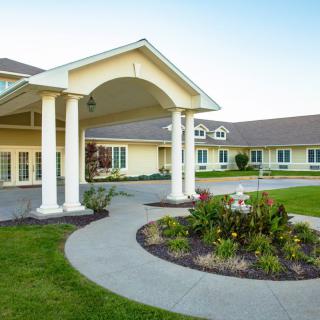
Homestead of Centerville
$5,210 to $6,430 / month22.2 miles away -
About the same
Homestead of Oskaloosa
$5,130 to $5,740 / month17.9 miles away -
About the same
Homestead of Knoxville Assisted Living
$5,130 to $5,740 / month24.7 miles away
Overall Review of Homestead of Albia
Pros
 The Homestead of Albia takes excellent care of residents.
- They provide many types of activities.
- They enable residents to join staff for store trips, ice cream outings, or scenic drives around town.
- They have made the transition to assisted living very easy for families and their loved ones.
- The staff are very understanding and help residents through difficult times.
Cons
 She had dementia and could be difficult at times.
Review
Homestead of Albia in Albia, IA, is best suited for seniors who want a close-knit, service-oriented assisted living experience in a small-town setting. It works well for families that value hands-on involvement and a staff culture that treats residents like neighbors rather than numbers. Residents here benefit from active engagement, with programming that invites participation in daily outings and social activities instead of passive supervision. For seniors who wish to maintain a degree of independence while having reliable support, and for families seeking a smooth, low-stress transition into care, this community presents a compelling option.
The strongest positives revolve around attentive, compassionate staff and a broad menu of activities. Reviewers consistently describe staff who tailor support to individual moments, including dementia-related challenges, with a steady, understanding approach. The activity calendar spans a range of interests, and staff frequently accompany residents on errands or social outings, to the local store, an ice cream shop, or a relaxed drive through town, preserving autonomy and dignity. Families report that the transition into assisted living is unusually easy, reflecting a culture that prioritizes easing change rather than enforcing abrupt, impersonal confinement. For residents facing cognitive aging, the care environment demonstrates steadiness and practical, compassionate guidance.
One should clearly understand who may want to consider alternatives. The community sits within a small town and appears best aligned with residents who do not require high-acuity medical oversight on a daily basis. Families seeking extensive on-site nursing resources, a dedicated memory-care unit with specialized branding, or access to a broad spectrum of advanced therapies may find larger campuses with more medical infrastructure to be a better match. The current set of reviews, although highly favorable, comes from a limited pool, so prospective families should verify current staffing levels, nursing coverage, and how care plans adapt when needs intensify. In short, this is not the pick for those chasing the most robust clinical footprint.
Nevertheless, the practical realities of care here offset those potential gaps in meaningful ways. The personal attention, mobility-friendly programming, and community integration create a high-engagement experience that often outpaces expectations for smaller facilities. Attentive staff consistently de-escalates dementia challenges with patience and clarity, providing residents with a sense of safety and predictability. The ease of transition is not a luxury but a tangible benefit, transforming what could be a stressful move into a collaborative process that includes family input and ongoing reassurance. For residents who stay within assisted living parameters, the combination of companionship, reliable routines, and accessible staff yields a compelling value proposition.
Families evaluating Homestead of Albia should focus on practical, day-to-day assurances. Begin with a candid discussion about daily routines, staffing coverage, and how care plans are created and updated, especially for memory-related needs. Inquire about staff-to-resident ratios, night-time coverage, and the process for escalating care when conditions change. Clarify transportation options for errands and appointments, and review the breadth and structure of activities, including any targeted programs for cognitive aging. Request a visit during an actual activity period, meet frontline caregivers, and examine a sample weekly calendar. If possible, explore a staged transition plan or trial arrangements to ensure compatibility over time.
Viewed through a practical lens, Homestead of Albia stands as a solid, people-first option for seniors who prize accessibility, social connectedness, and a dependable care team. For families seeking a localized setting with meaningful resident autonomy and a reputation for handling dementia with composure, the positives substantially outweigh the caveats. Those who require a more robust medical footprint, or who prefer a larger campus with expansive in-house clinical services, should consider alternatives. Yet for the right profile, engaged residents in a tight-knit community with attentive staff, Homestead of Albia offers a convincing, well-executed path into assisted living.
 70 resident community capacity
 Assisted Living
 Cats allowed
 Dogs allowed
 Activities on-site
 Air-conditioning
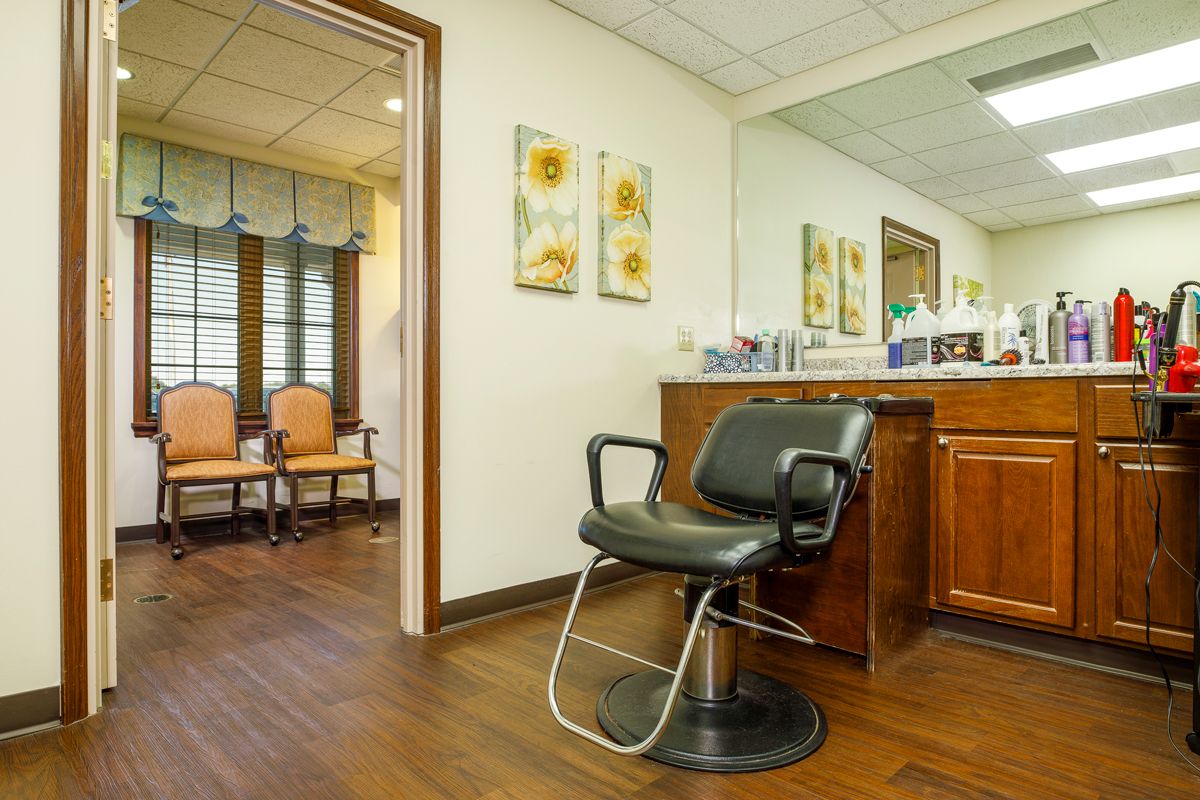
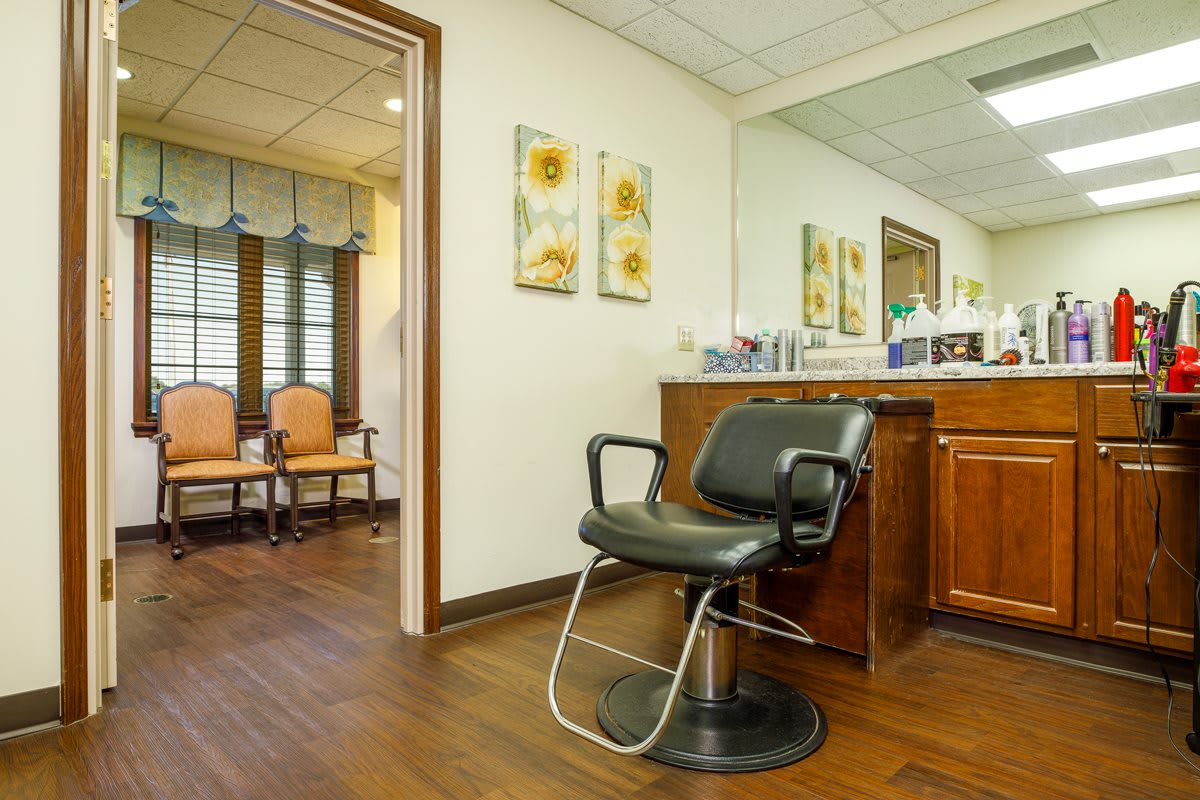
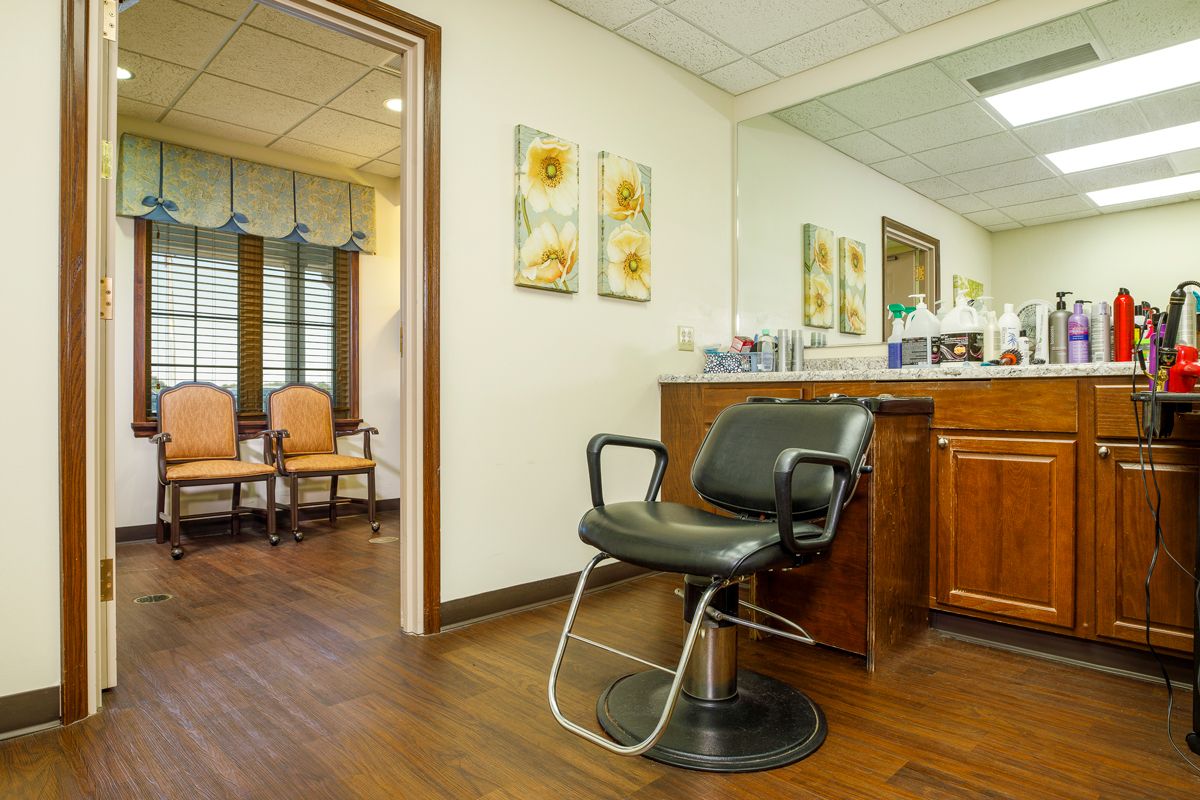
 Beauty salon
 Cable or satellite TV
 Computer center
 Devotional services off-site
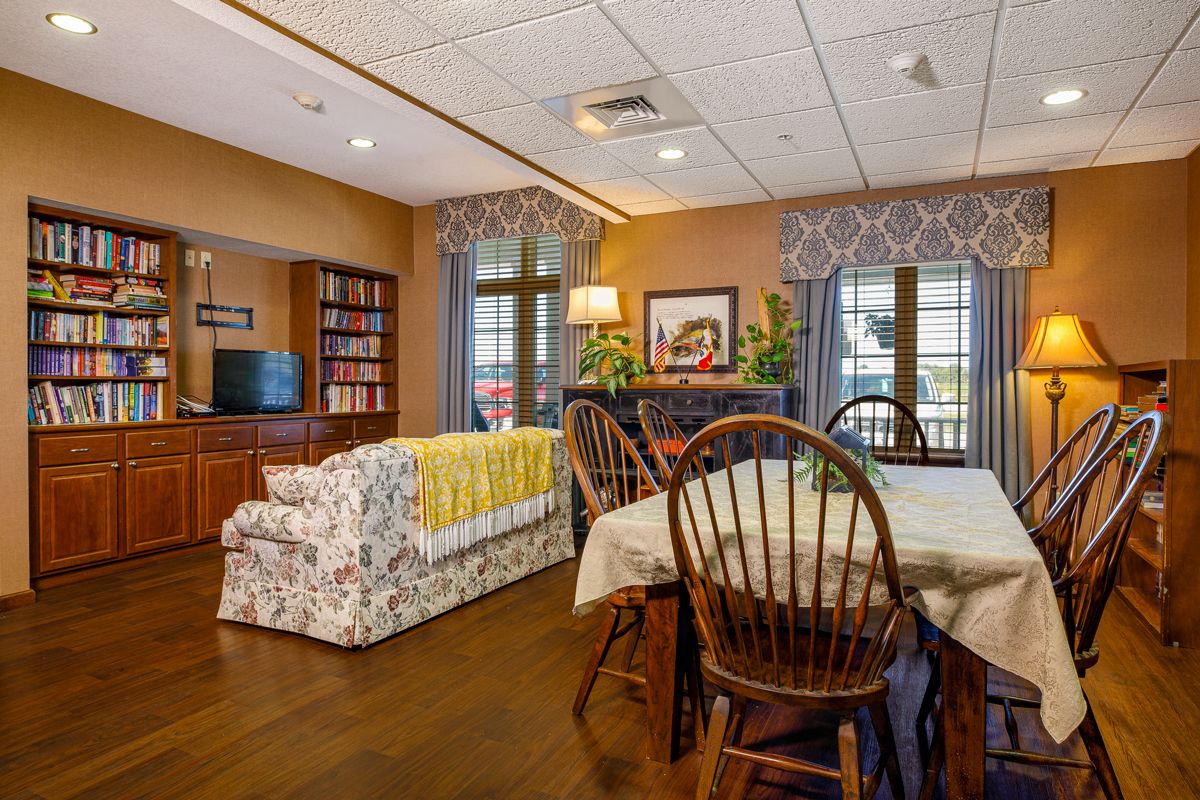
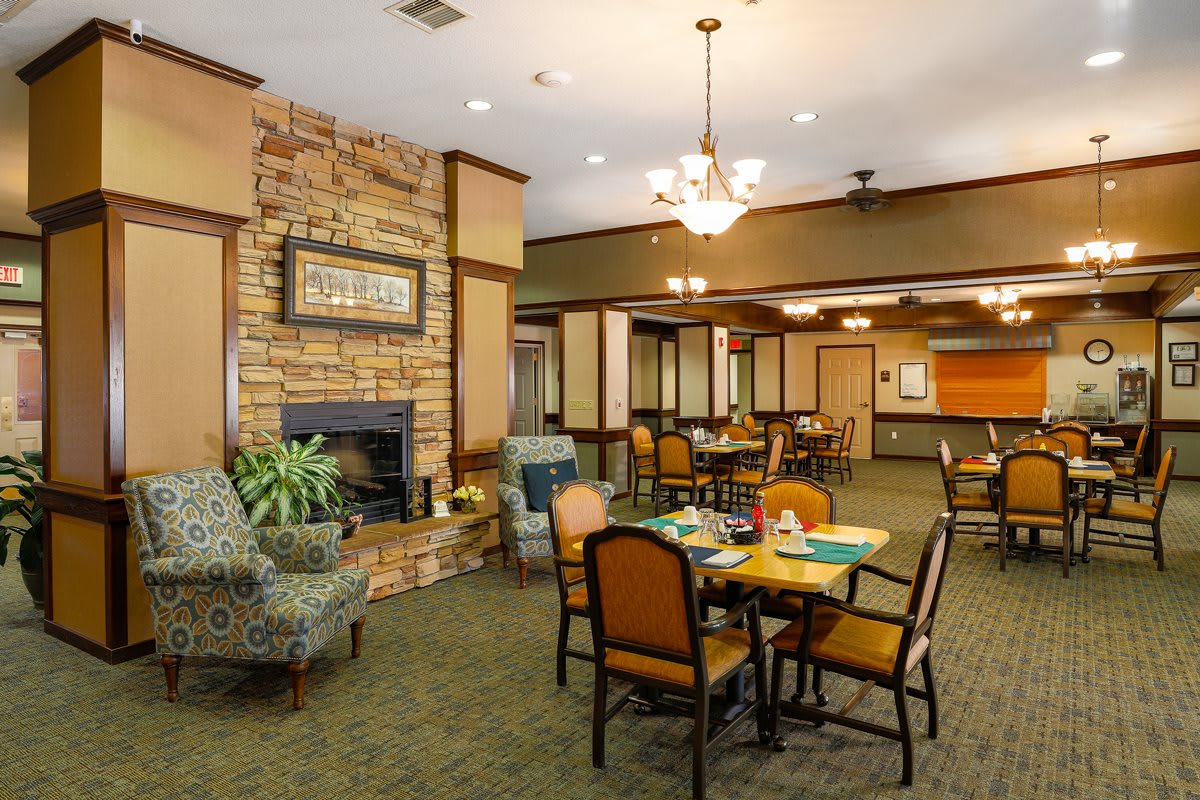
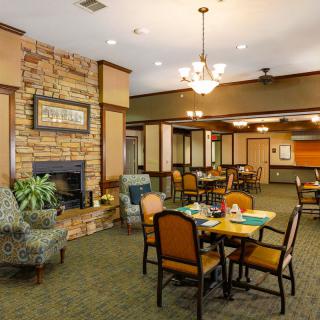
 Dining room
 Fitness room
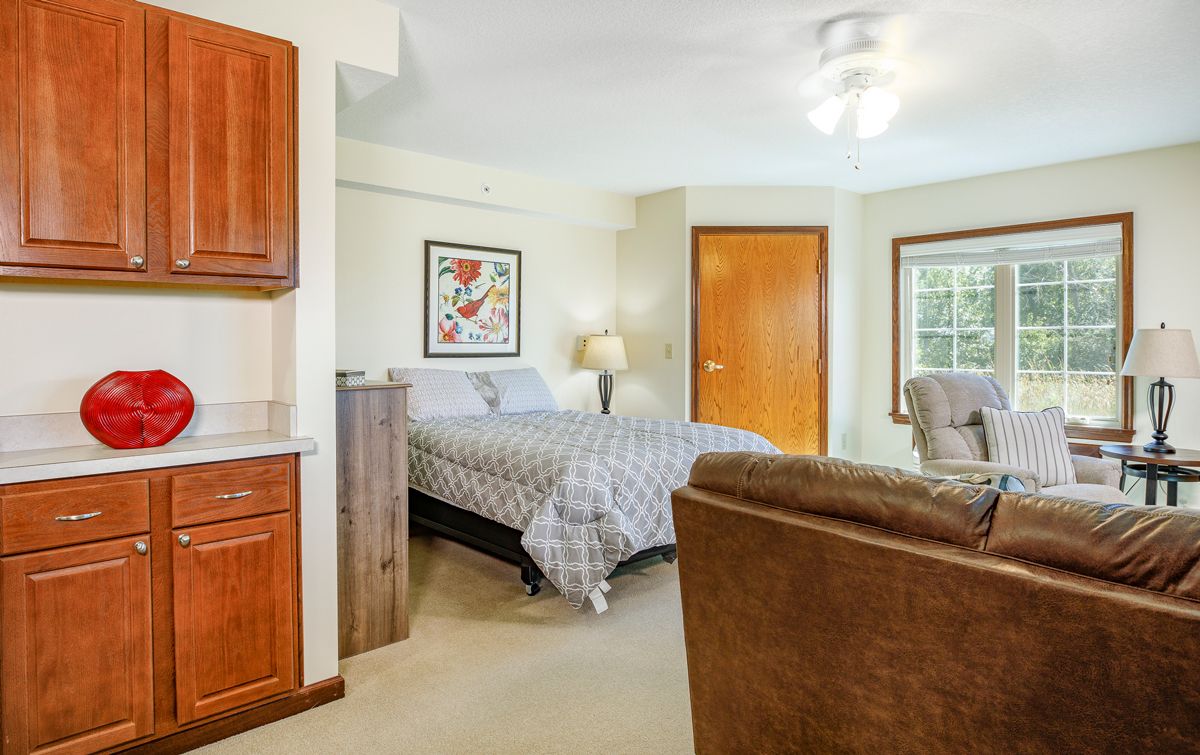
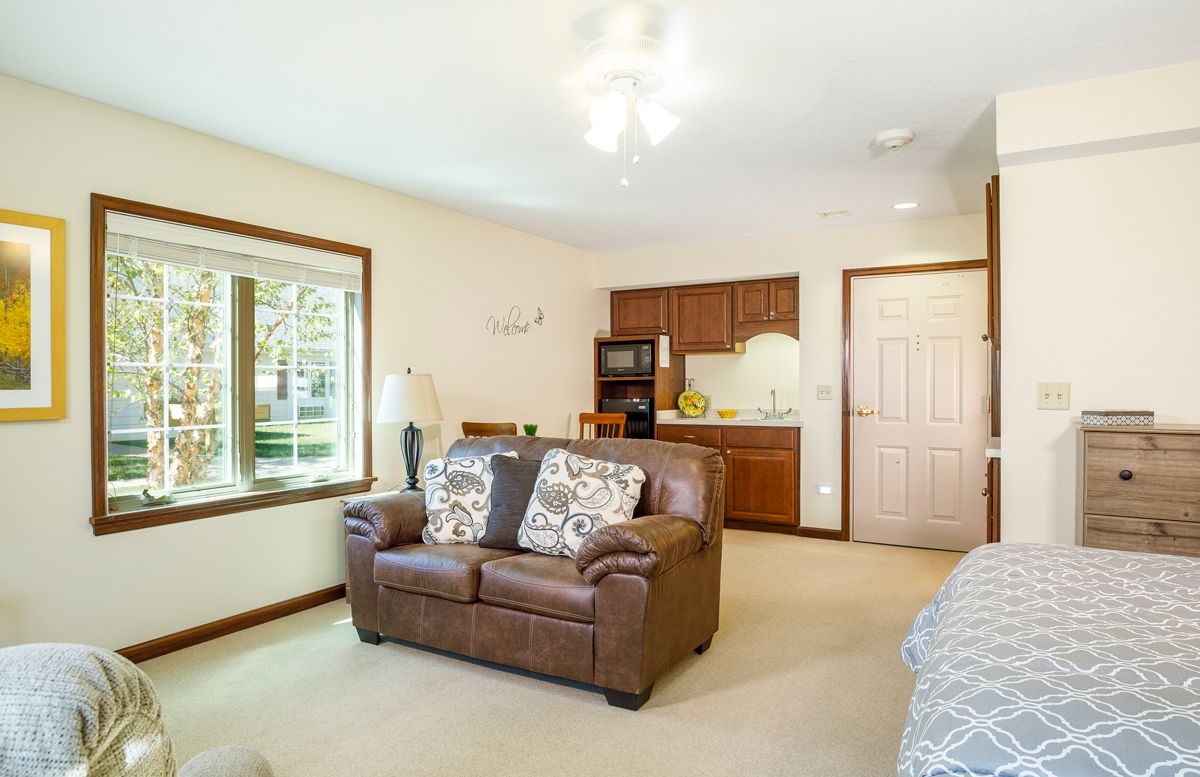
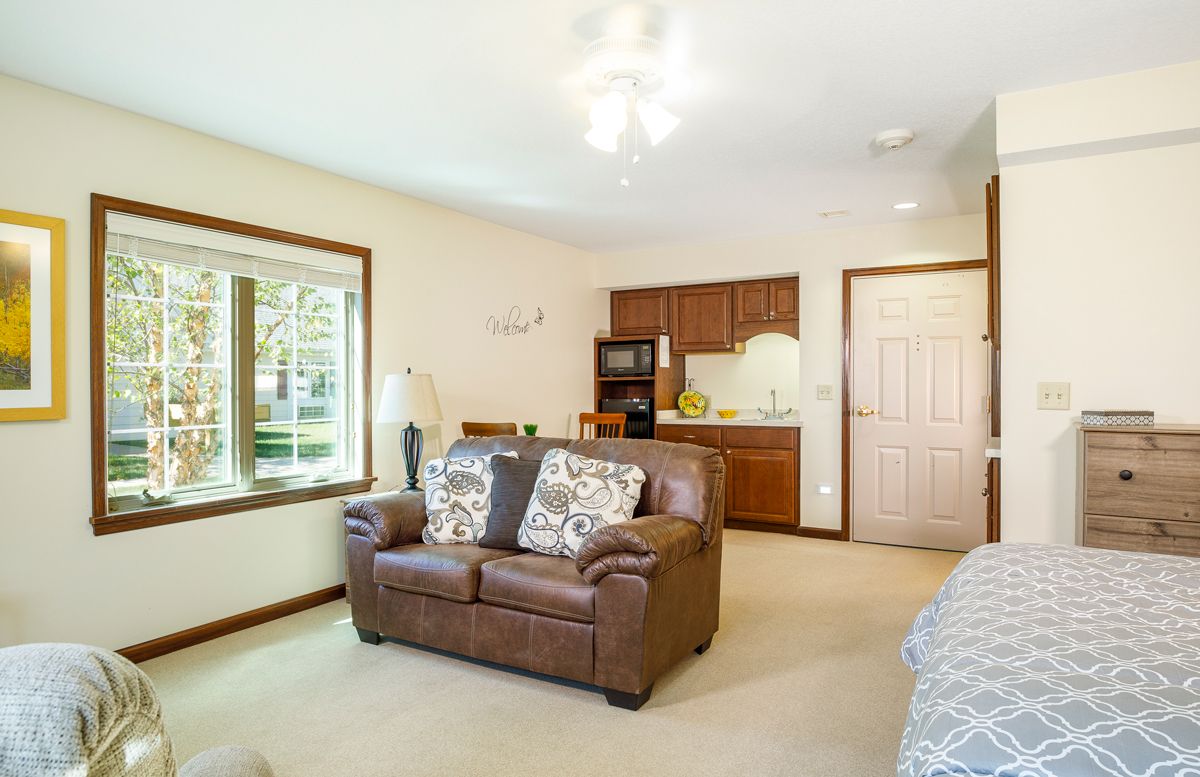
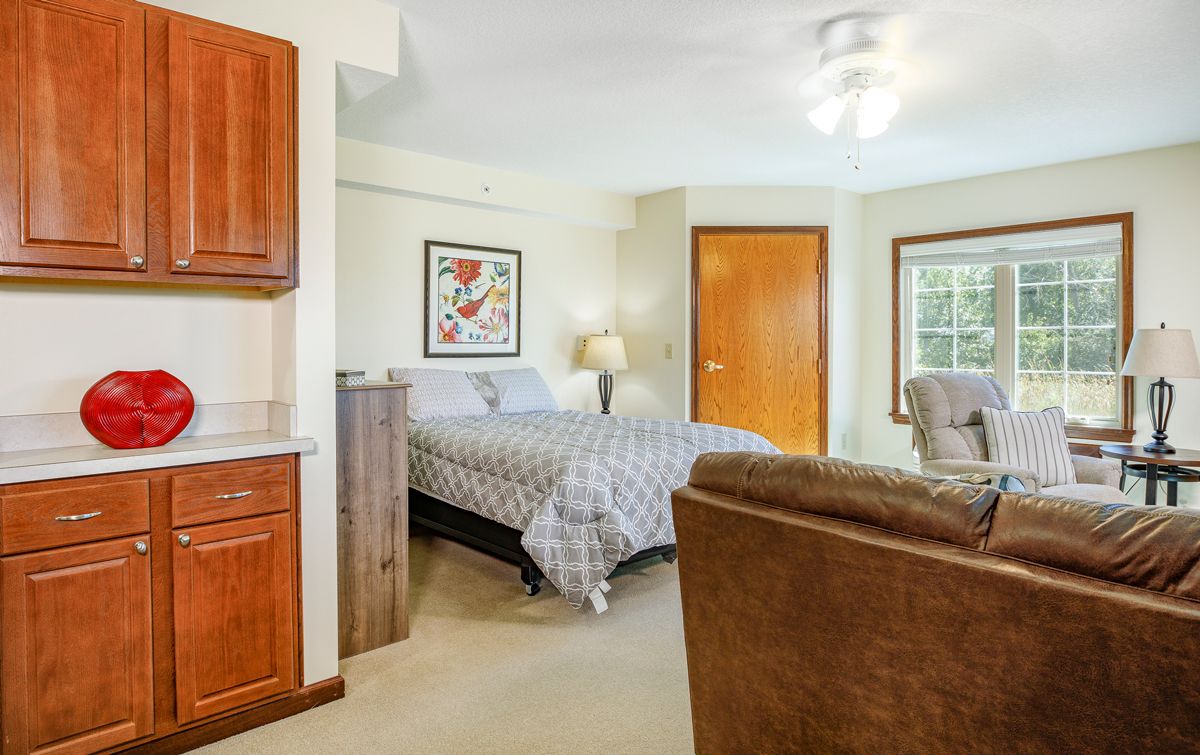
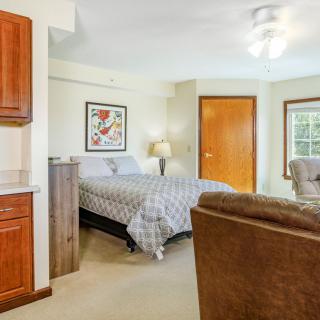
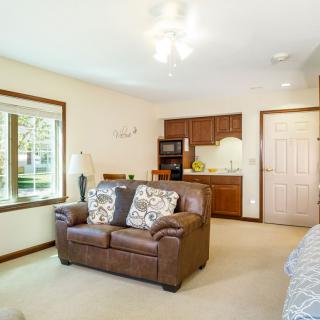
 Fully furnished
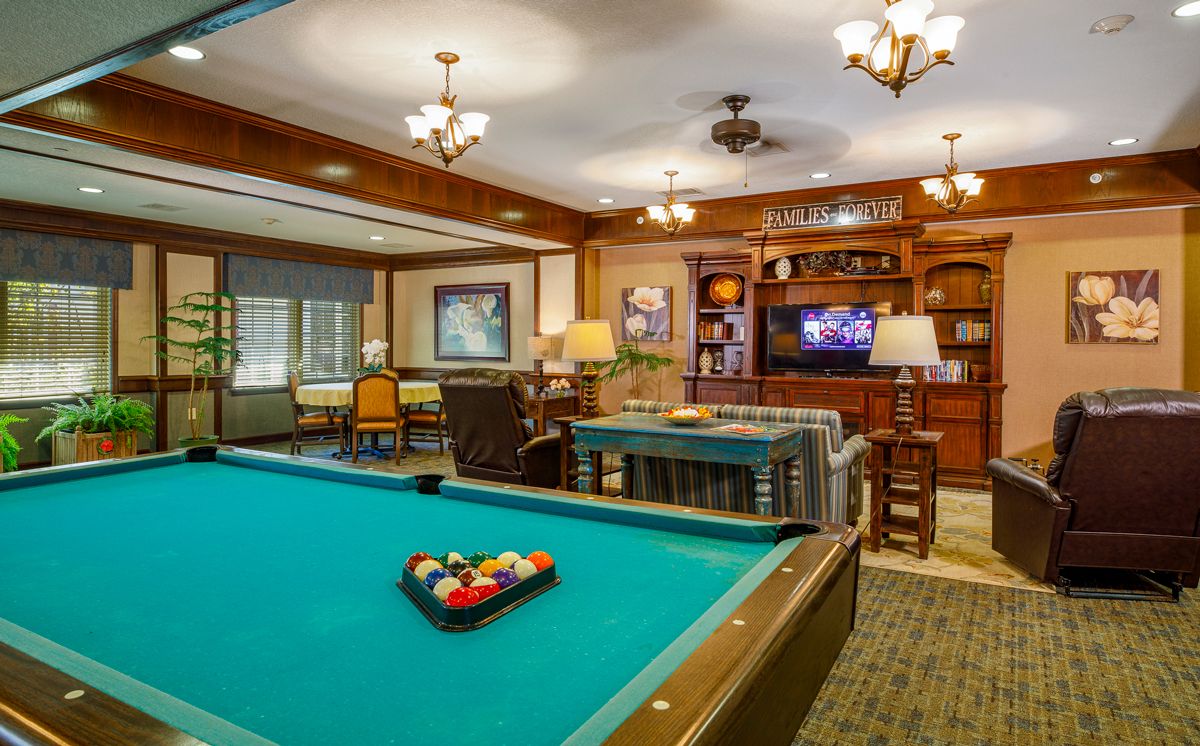
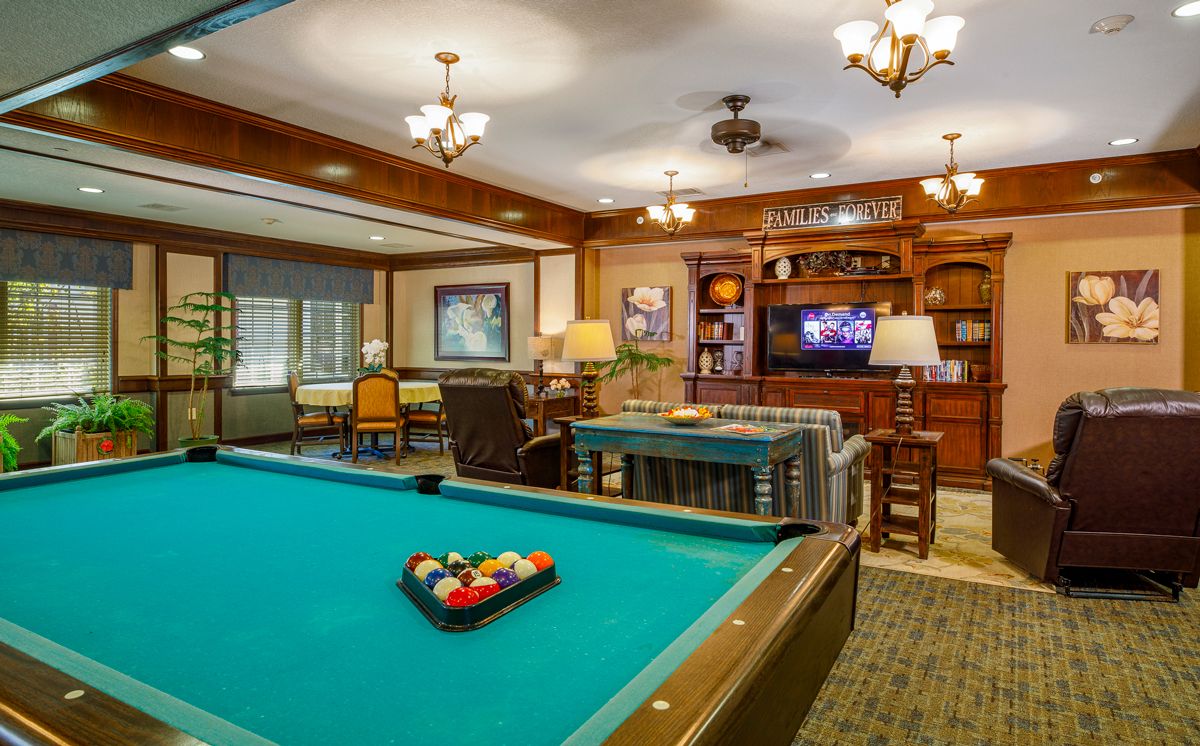
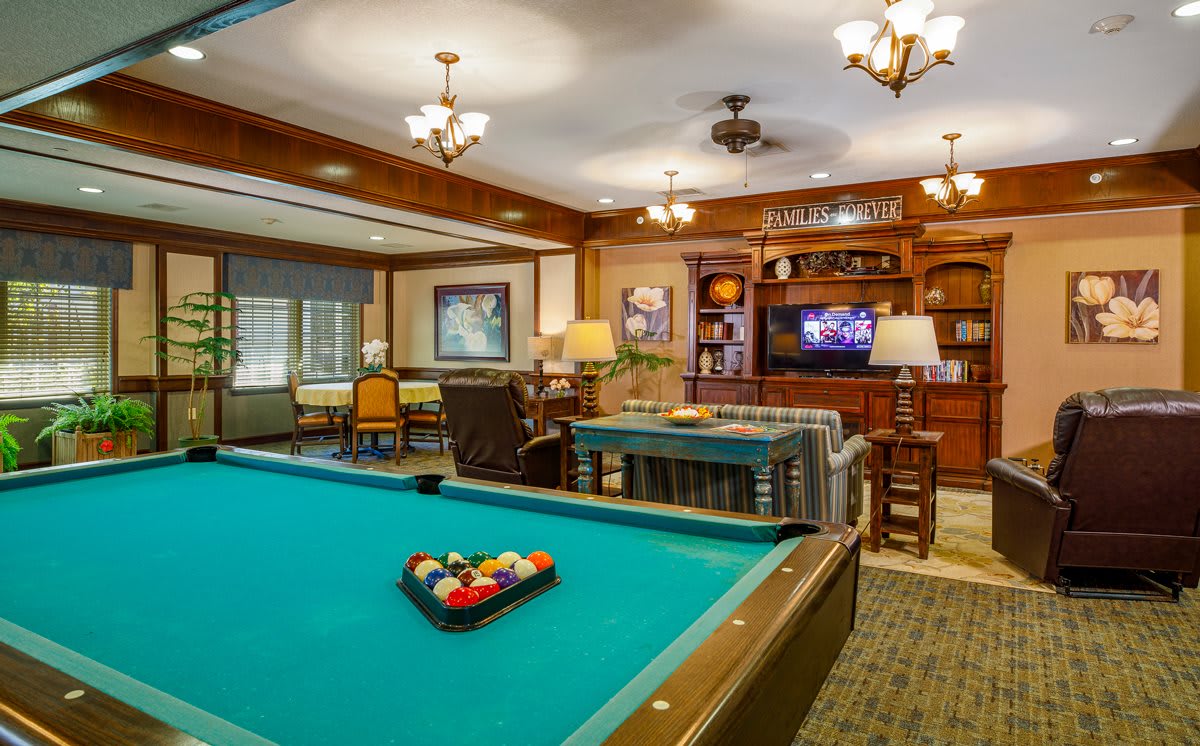
 Gaming room
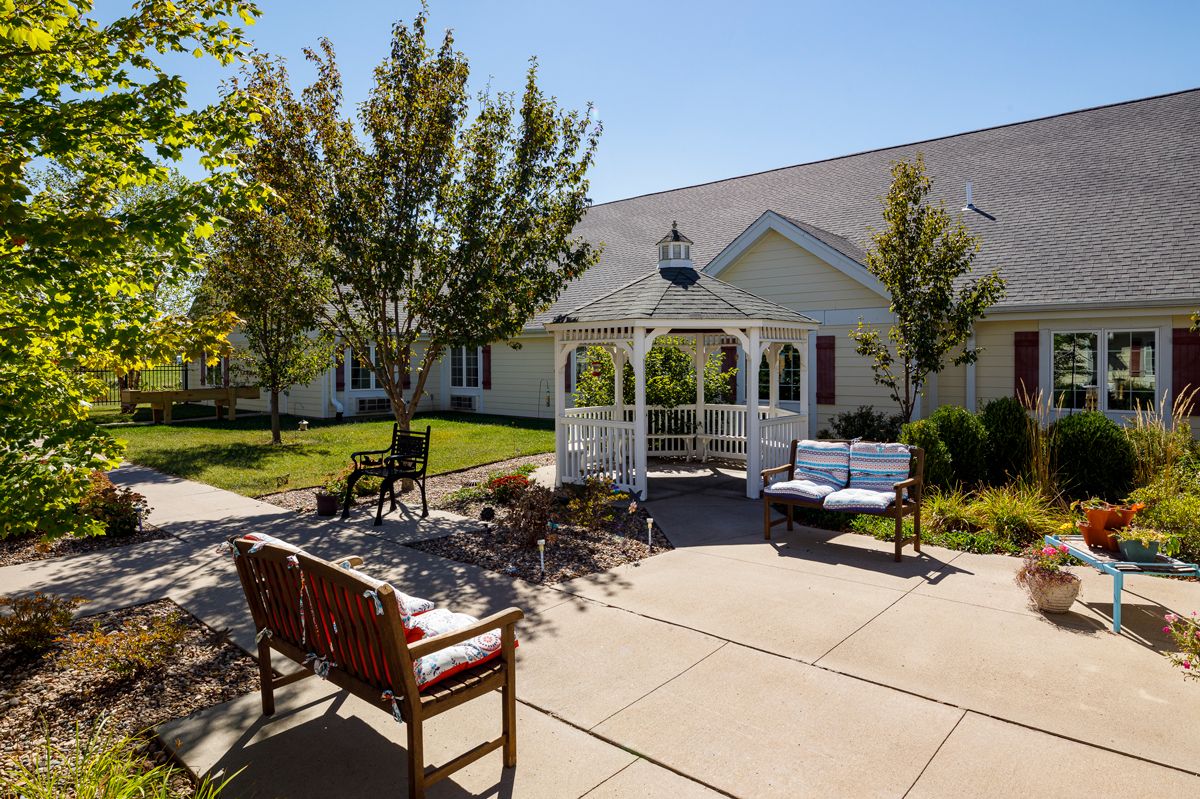
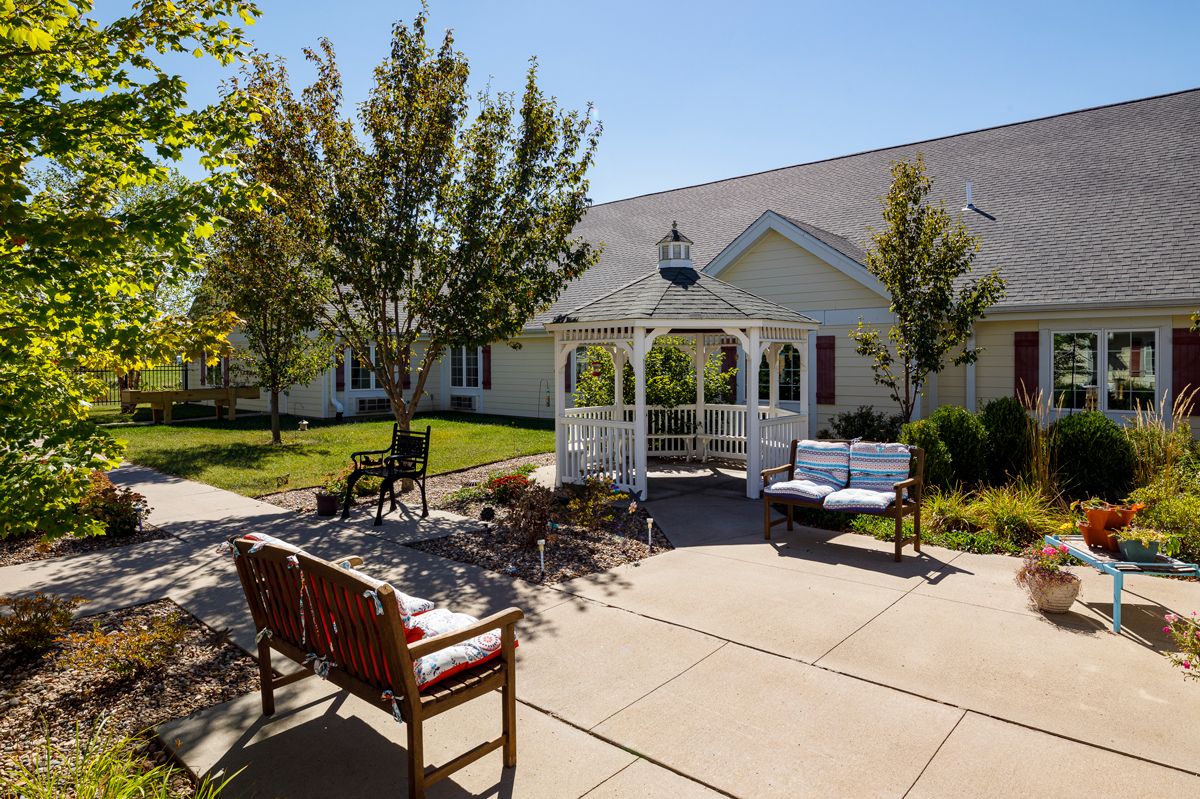
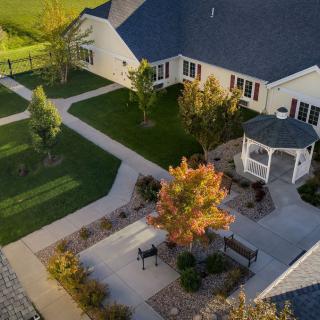
 Garden
 Housekeeping services
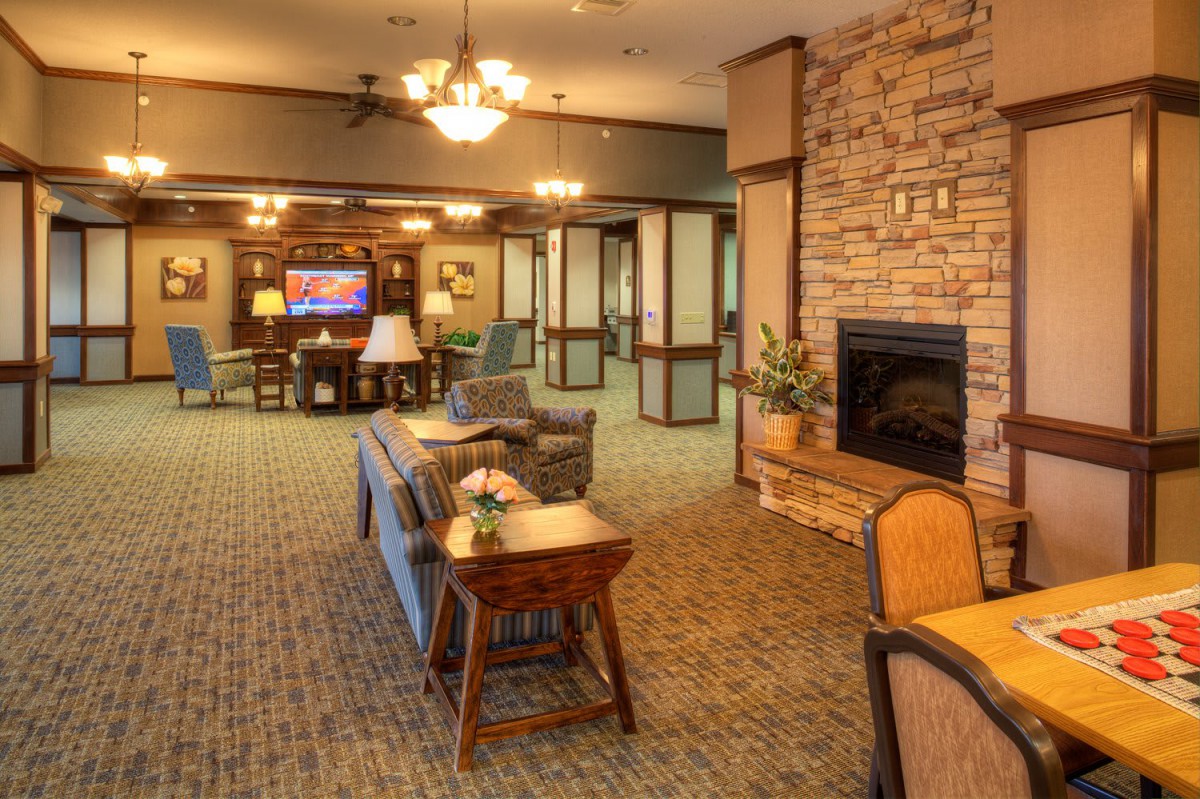
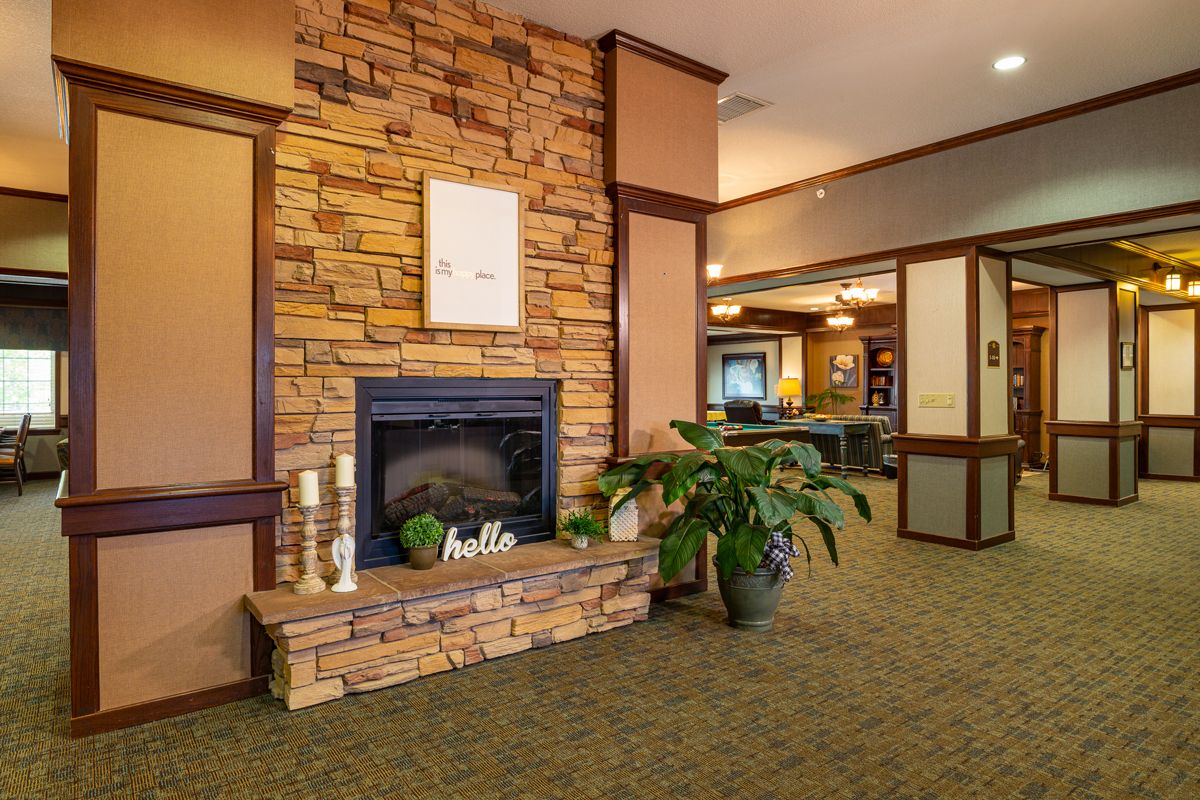
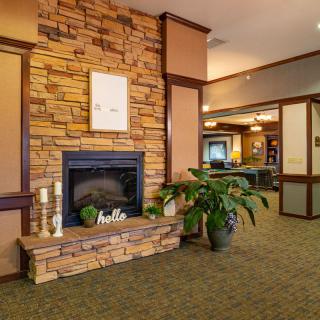
 Indoor common areas
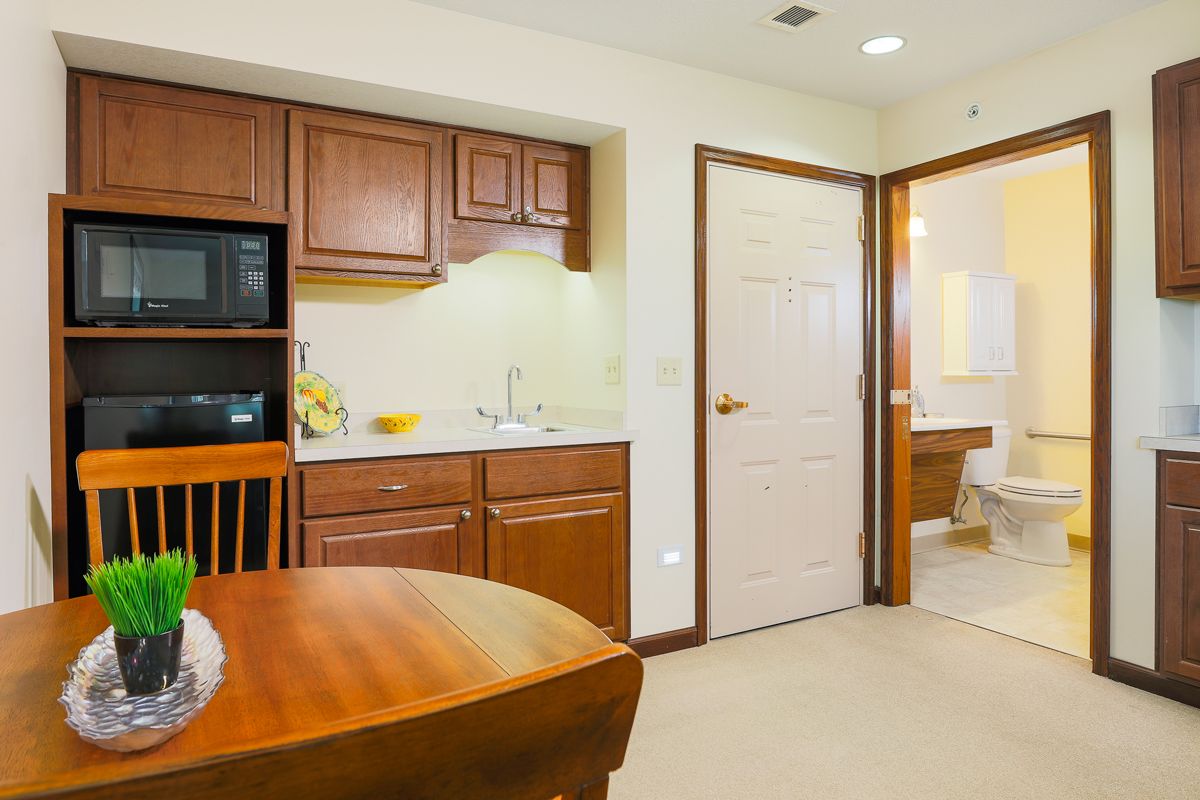
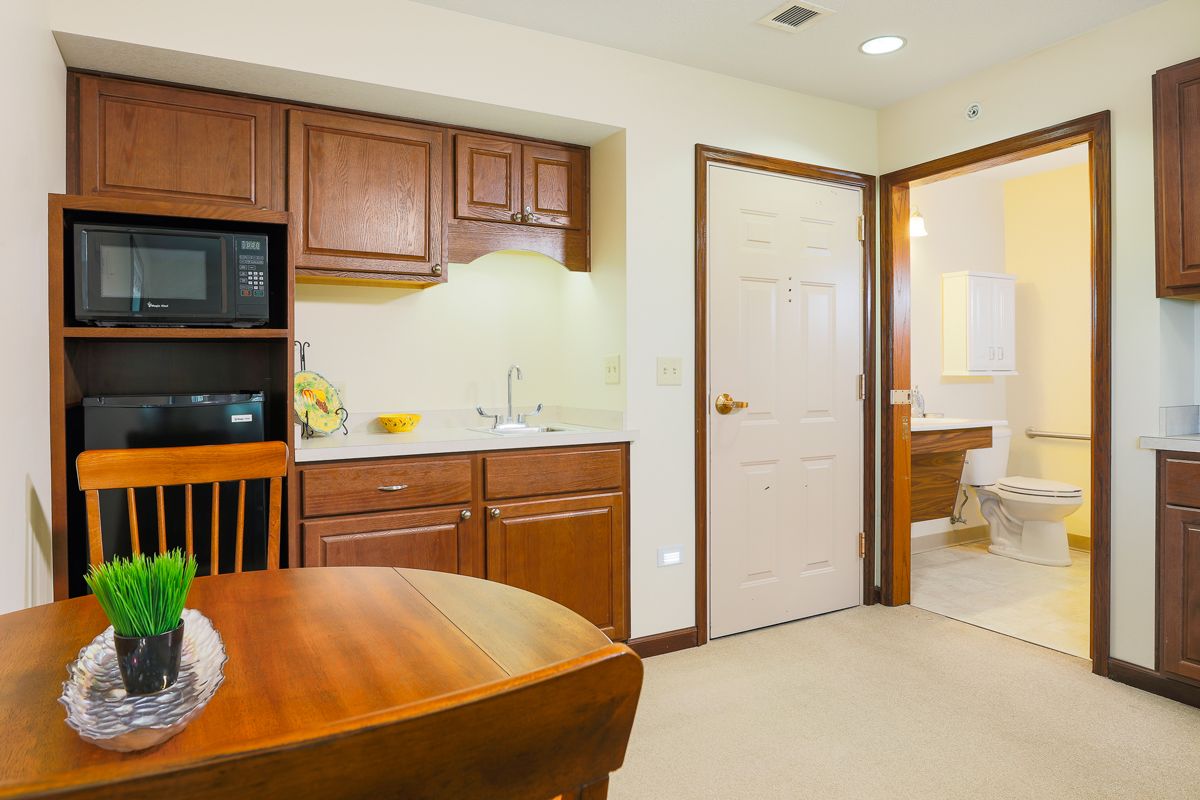
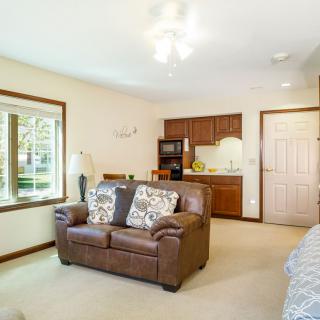
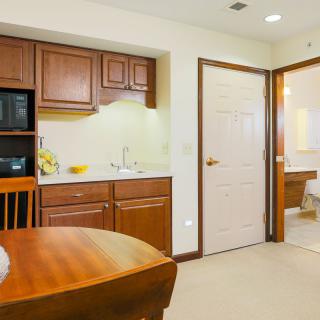
 Kitchenette
 Move-in coordination
 Outdoor space
 Private bathrooms
 Restaurant-style dining
 Small library
 Telephone
 Wellness center
 Wi-Fi/high-speed internet available
 Community operated transportation
 12-16 hour nursing
 24-hour call system
 Ambulatory care
 Assistance with bathing
 Assistance with dressing
 Assistance with transfers
 Diabetes diet
 Diabetic care
 Medication management
 Mental wellness program
 Special dietary restrictions
 Transportation arrangement (medical)
 Concierge services
 Planned day trips

 Vibrant Senior Living: A Comprehensive Guide for Active Older Adults
 When to Transition from Assisted Living to Memory Care: Key Indicators, Steps, and Finding the Right Community
 Assisted Living and Memory Care: Understanding Their Core Differences