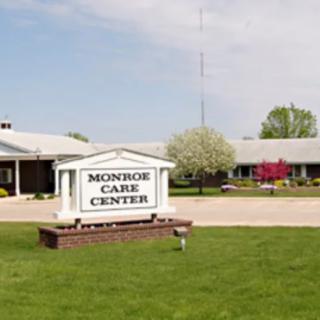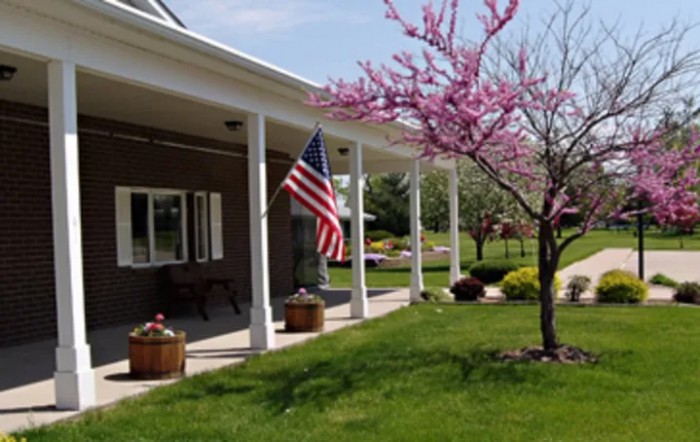
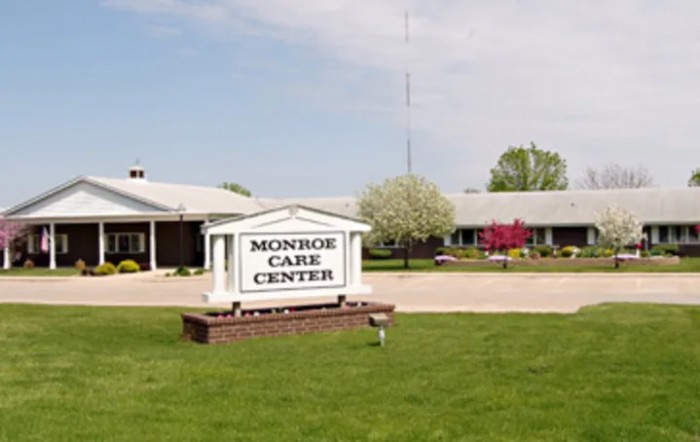
120 North Thirteenth Street, Albia, IA 52531
For more information about senior living options: (866) 208-4318
Monroe Care Center Costs & Pricing
Monroe Care Center offers competitive pricing for its residents, with monthly costs reflecting a balance between quality care and affordability. The facility charges $3,000 for a semi-private room, which is slightly higher than the Wapello County average of $2,700 but remains significantly lower than the broader state average of $3,885. For those seeking more privacy, a private room at Monroe Care Center is priced at $4,000 per month; while this is above the county's rate of $3,367 and also below Iowa's average of $4,670. This strategic pricing positions Monroe Care Center as an appealing option within both local and state contexts for families seeking care that aligns with their budgetary considerations while ensuring comfortable living conditions for their loved ones.
| Floor plans | Monroe Care Center | Wapello County | Iowa |
|---|---|---|---|
| Semi-Private | $3,000 | $2,700 | $3,885 |
| Private | $4,000 | $3,367 | $4,670 |
Skilled Nursing Facilities with a similar price nearby
-
from -$500 / mo

Centerville Specialty Care
$2,500 to $3,750 / month20.2 miles away
Overall Review of Monroe Care Center
Pros
 The care provided to the grandmother during her final days was the best the family could have hoped for.
- There were nurses who genuinely cared and went above and beyond.
- The family expressed gratitude for the staff's dedication.
Cons
 The facility is horribly mismanaged.
- They frequently run out of supplies.
- They are not upfront and honest with the families of their patients.
- The reviewer warns against placing a loved one there.
Review
Monroe Care Center in Albia is best suited for families seeking deeply compassionate bedside care during life’s final chapter, where the people at the bedside can deliver comfort and dignity even when clinical systems falter. This community shines when a loved one’s comfort and emotional needs are paramount, and when families are prepared to engage actively with administration to ensure supplies, documentation, and communication stay aligned with the resident’s best interests. It is a setting where heart-centered nursing can make a critical difference in the darkest hours, but those benefits come with the obligation to stay vigilant about how the operation is run behind the scenes.
Those who may want to consider alternatives are families that value consistent administrative reliability, transparent communication, and steady access to essential supplies. If predictability and proactive problem-solving from management are non-negotiables, Monroe may not be the strongest fit. Prospective residents who require robust activity programming, steady rehabilitation services, or highly structured care plans across shifts could find better alignment elsewhere. In short, this is a place where exceptional frontline care can compensate for organizational gaps, but not every family will be willing or able to compensate for those gaps over the long arc of care.
The clearest strength is the caliber of nursing attentiveness when it matters most. A caregiver’s praise from the loved one’s final days reflects a durable, genuine commitment to comfort and dignity at the end of life. Instances where staff members “go above and beyond” demonstrate what is possible when the care team is present, compassionate, and patient-centered. That level of dedication translates to meaningful, tangible relief for families facing hard decisions and emotional strain. When the moment demands tenderness, certain nurses and aides deliver in a way that makes a real difference.
Yet the strongest virtue is tempered by significant drawbacks. The most frequently cited concerns center on mismanagement, ongoing supply shortages, and a lack of upfront, honest communication with families. These issues create daily friction and leave families feeling uncertain about what is happening with their loved one and why. The mismatch between high-quality bedside care and inconsistent administrative execution can erode trust and complicate decision-making during fragile times. While compassionate care can soften the impact of systemic flaws, it cannot fully compensate for persistent operational gaps.
In practical terms, the decision to move forward with Monroe rests on weighing the emotional and clinical realities against the administrative realities. If the priority is to have compassionate care delivered in the critical moments, and if families are prepared to actively advocate, track, and verify care plans, supplies, and status updates, Monroe can be a reasonable choice. Families should plan for a proactive partnership: designate a dedicated liaison who can communicate daily with the care team, insist on clear, written care plans, and confirm supply availability and staffing levels before and during transitions. The balance tips in favor of Monroe when the care team’s humanity is trusted to carry the day, even as systemic issues require ongoing vigilance.
Ultimately, Monroe Care Center offers a compelling, albeit imperfect, option within Albia. Its strength lies in the human touch delivered at the bedside, especially during end-of-life moments. For families who can tolerate, and even need, administrative scrutiny and ongoing advocacy, the positives can be substantive. For others, especially those who cannot tolerate ambiguous communication or recurrent supply gaps, alternatives with steadier operations and more transparent governance will likely serve better. The prudent approach is clear: visit, observe the front-line care interactions, ask pointed questions about kitting, stock, and daily handoffs, and decide with a candid assessment of whether the care environment can be sustained through potential operational turbulence.
 60 resident community capacity
 Skilled Nursing Facility
 Air-conditioning
 Beauty salon
 Cable or satellite TV
 Computer center
 Dining room
 Fitness room
 Fully furnished
 Gaming room
 Garden
 Housekeeping services
 Kitchenette
 Move-in coordination
 Outdoor space
 Private bathrooms
 Restaurant-style dining
 Small library
 Telephone
 Wellness center
 Wi-Fi/high-speed internet available
 Community operated transportation
 12-16 hour nursing
 24-hour call system
 Activities of daily living assistance
 Assistance with bathing
 Assistance with dressing
 Assistance with transfers
 Diabetes diet
 Medication management
 Mental wellness program
 Special dietary restrictions
 Concierge services
 Planned day trips




 Supportive Employee Benefits That Help Caregivers Attain Better Work-Life Harmony
 Top Cars for Senior Drivers and Essential Safety Innovations
 A Closer Look at Private Pay Home Care