
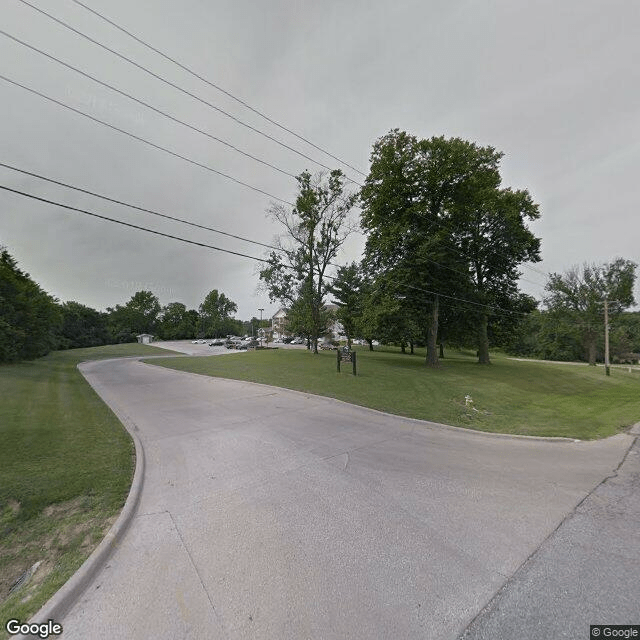
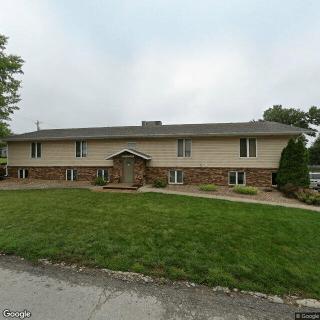
1600 Stellar Ave, Ottumwa, IA 52501
To contact a resident: (641) 684-6523
For more information about senior living options: (866) 208-4318
Overall Review of Sunnyslope Care Ctr
Pros
 The reviewer states that staff do not seem to care about patients’ needs, including the need to take time off for sick children.
- The reviewer notes short staffing and poor management.
- The reviewer reports a persistent sewage odor and concerns about overall cleanliness.
- The reviewer describes nurses as rude and residents as an inconvenience, with only a couple of exceptions who may care.
- The reviewer claims call lights are not responded to and staff are often chatting instead.
- The reviewer criticizes the food as disgusting, frequently cold, and undercooked, and highlights dietary orders being misapplied.
- The reviewer mentions medicines left unattended and questions the hospice care approach, suggesting it may prioritize sedation over genuine comfort.
Cons
 The facility shows a blatant disregard for patients’ needs and has poor management.
 - It stinks of sewage, indicating sanitation problems.
- The staff do not care for their patients; the nurses are rude and treat residents as an inconvenience.
- Some nurses do not respond to call lights, instead they sit around chatting.
- The food is disgusting, often cold and undercooked, and staff show a lack of knowledge about dietary needs.
- Medication is left out unattended.
- The place is absolutely horrible, especially for those in their last years; hospice care is described as terrible, with accusations that patients are drugged so they never wake up.
- It is sickening.
Review
Sunnyslope Care Center in Ottumwa, IA is best suited for families operating on a tight budget who need a local option and are prepared to accept serious compromises in daily care. This community does not deliver a dependable level of attention, responsiveness, or professional conduct, and it is unlikely to meet the expectations of families that prioritize dignity, safety, and consistent nursing support. In short, it serves as a low-cost choice for anyone who can endure pervasive care gaps and a challenging care environment.
Those weighing alternatives should be clear about who may want to look elsewhere. Any family whose loved one relies on timely nurse response, accurate meal service, medication safety, and respectful, attentive daily care should actively consider other options. If the goal is to avoid routine call-light delays, to receive consistent dietary management, or to ensure hospice experiences are properly focused on comfort rather than sedation, this facility is unlikely to satisfy those requirements.
On the upside, there are sporadic signs that some staff members do care. A few nurses and aides occasionally demonstrate engagement with residents, suggesting that not all interactions are uniformly negative. However, these moments are overwhelmed by broader patterns of disengagement and management challenges that undermine overall quality. The reality is that these glimmers do not compensate for the frequent, systemic issues that color the resident experience day after day.
The dominant concerns are blunt and specific. A persistent odor problem, described as sewage-related, signals deeper issues with maintenance and infection-control practices. The care environment is described as unwelcoming, with nurses who appear brusque and treat residents as inconveniences rather than people in need. Call lights are not consistently answered, leading to a sense of neglect during moments when assistance is critical. Food quality and preparation are problematic, with meals often cold and undercooked, and diet accommodations frequently mishandled, including a pureed diet being served when a full liquid diet is indicated. Medication safety is another red flag, with medicines left out unattended at times, raising concerns about proper administration and oversight. Even hospice care is criticized, with accusations that comfort is pursued through sedation rather than truly supportive, person-centered care. In short, the care experience is shaped by reliability gaps, communication breakdowns, and governance that struggles to correct course.
From a decision-making standpoint, the key to a prudent choice lies in weighing the limited, potential positives against the scale of the cons. The occasional sign of staff caring is not enough to offset chronic call-response failures, dietary mismanagement, and unsafe medication practices. Families should demand clear, verifiable commitments on staffing levels, response times, and the facility’s protocols for meal service, medication handling, and end-of-life care. A transparent tour should focus on evidence of clean, odor-controlled spaces, a responsive front-line team, and observable adherence to individualized care plans. Without concrete improvements in these areas, Sunnyslope cannot reliably support a resident’s safety, comfort, or dignity.
In the end, Sunnyslope Care Center should be approached with caution. It is a choice to be made only when no better options exist, and when the budget constraints are severe enough to compel consideration despite clear risks. For families who can afford to look elsewhere, alternatives that demonstrate consistent staffing, responsive care, safe medication practices, and respectful treatment are strongly advisable. If proceeding with Sunnyslope, set strict expectations, insist on formal policies, and implement ongoing oversight to mitigate the very real concerns highlighted by current staff and resident experiences.
 Assisted Living
 Activities on-site
 Devotional services off-site
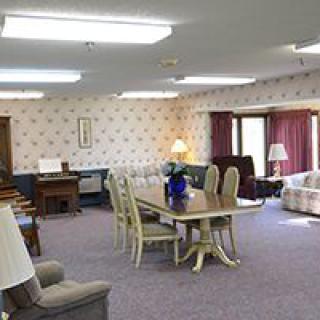
 Indoor common areas
 Ambulatory care
 Diabetic care
 Meals provided






 Senior Transition Services: Understanding Their Role, Cost, and Importance
 Exploring the Path to Senior Living: A Comprehensive Look at Independent Living and Assisted Living
 Is Assisted Living Deductible on Your Taxes? Understanding the Complexities of Assisted Living Expenses and Deductions