For more information about senior living options: (866) 208-4318
2.7 from 105 reviews
5 stars
34
4 stars
8
3 stars
4
2 stars
9
1 stars
50
Overall Review of Alden Estates Of Orland Park
differentiator22 reviews mention this
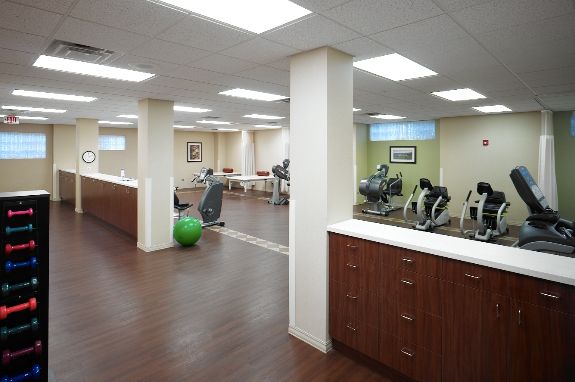
Therapy is a consistent bright spot
Physical therapy and other rehab therapies are repeatedly praised by residents and families.
Across reviews, rehab therapy is the part most often described as effective and worth the move. Families mention progress in PT/OT/speech therapy and describe therapists as attentive and professional. Even in highly negative reviews, some residents still call out the therapy department as good, with a few saying it stands out from the rest of the experience.
common19 reviews mention this
Food gets mixed but frequent mentions
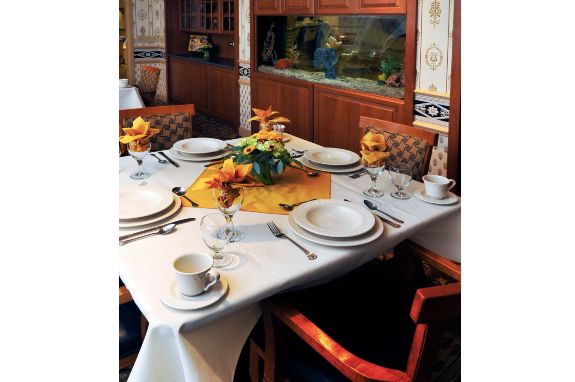
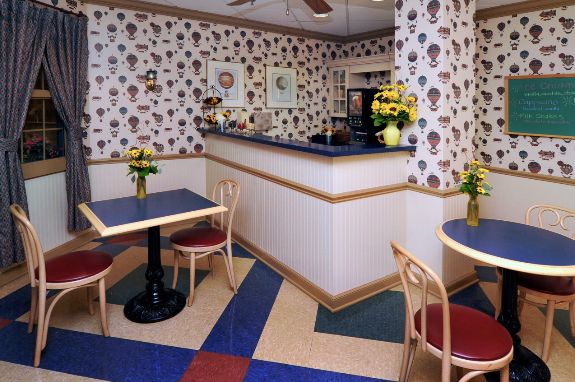
Meals are often discussed, including praise for quality and organization.
Food comes up often, with several reviewers describing the meals as good or even excellent. A number of residents and families also note the dining as better than what they expected. At the same time, a few reviews are more cautious, saying dietary restrictions were not followed or that the food was only adequate.
common34 reviews mention this
Staff kindness comes through
Many reviewers describe caring, respectful staff and positive day-to-day interactions.
A large share of reviews highlight staff members as friendly, helpful, and professional, including nursing and aides. Multiple families say they felt supported and kept informed about care or status changes. Even some critical reviews acknowledge that certain individuals were good, while the overall service experience fell short.
caveat31 reviews mention this
Call buttons and phone access frustrate
Residents and families report long waits for assistance and difficulty getting through by phone.
A repeating complaint is not being able to reach staff promptly when help is needed. Multiple reviewers describe call buttons taking much longer than expected, with some describing missed or delayed responses for toileting and safety needs. A few reviews also describe trouble getting the facility to answer the phone or return calls, which adds to the frustration during urgent situations.
caveat17 reviews mention this
Cleanliness and odors are disputed
Cleanliness is not consistently experienced, with some reports of urine or feces odors.
Several reviews praise cleanliness, including comments about the facility smelling better than other places and not having a urine odor. Others report strong urine and feces smells, soiled diapers or bedding, and rooms left messy or not properly attended to. Reviews that are positive on cleanliness often contrast with those describing ongoing odor and hygiene problems.
caveat27 reviews mention this
Understaffing affects care quality
Many reviews point to short staffing as a driver of neglected care.
Understaffing is a frequent theme, with reviewers describing too few nurses and aides to respond in time. Some families connect staffing gaps to delayed help, longer waits for toileting, or issues with medication and basic comfort. A few reviews acknowledge that some staff are doing their best, but describe the overall staffing levels as limiting what they can deliver.
How we summarize
Counts show how many written reviews mention each theme; a review can touch several themes, and only frequently mentioned themes are displayed.
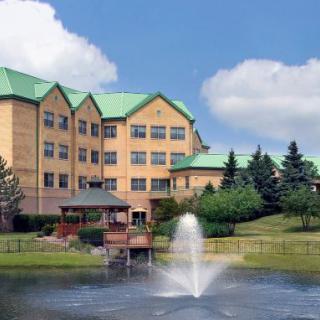
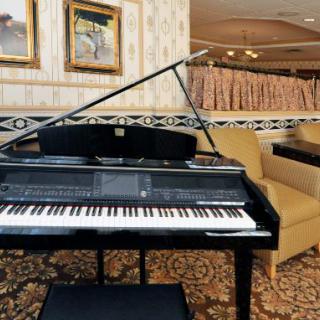
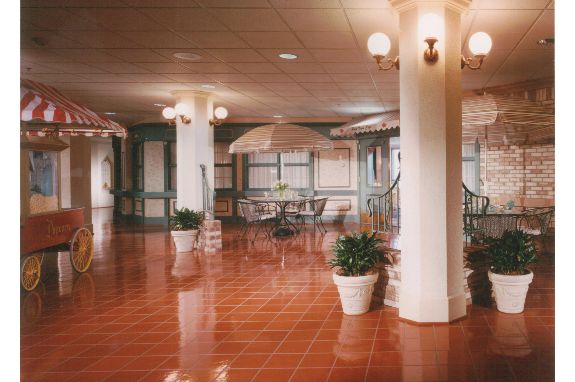
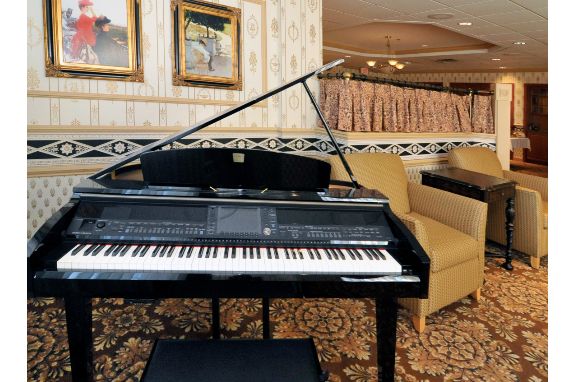
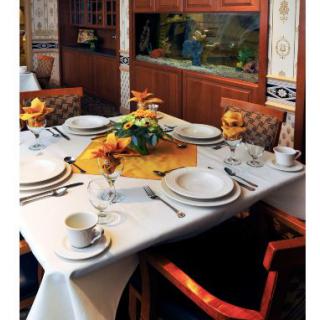
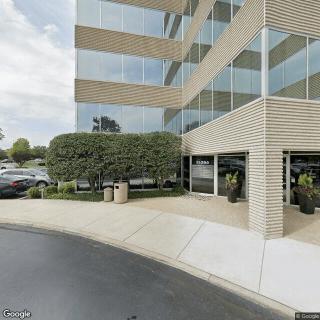
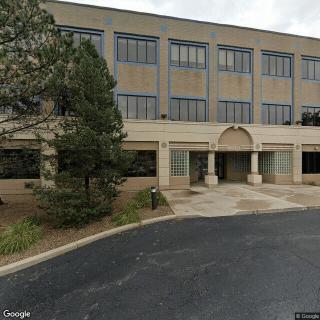
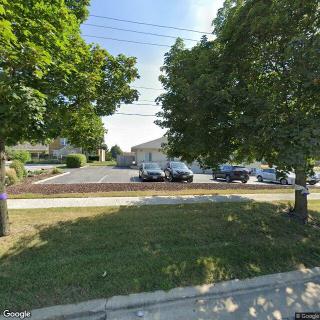
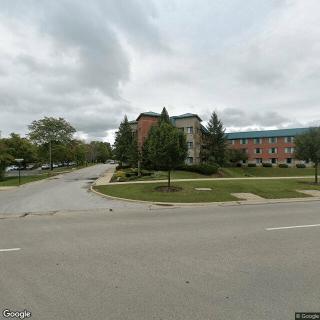
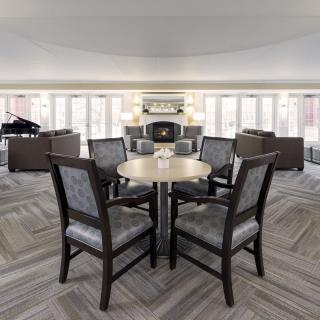
Alden Estates Of Orland Park on seniors.fyi includes 6 photos including images showing dining, interior, decor, living room, lobby, architecture, lighting, building, and more.
Nearby Communities
Alden Orland Park and Rehabilitation
Orland Park, IL
2.3 from 117 reviews
$5,200 to $6,742 / month
Therapy services (PT/OT) and some compassionate staff.
Brookdale Orland Park
Orland Park, IL
4.3 from 168 reviews
$4,505 to $6,950 / month
Friendly, attentive staff with engaging activities in a clean, smaller community.
Advanced Elder Care, Inc.
Orland Park, IL
4.1 from 14 reviews
Convenient access to nearby pharmacies, physicians, restaurants, places of worship, theaters, and hospitals.
Synergy Home Care of Orland Park
Orland Park, IL
5 from 48 reviews
Exceptional, punctual in-home care with compassionate, well-trained staff.
BrightStar Care - Orland Park/Will County, IL
Orland Park, IL
3.9 from 15 reviews
Compassionate leadership with Alzheimer's expertise and adaptable, continuous care that addresses both medical and emotional needs.
Right at Home
Orland Park, IL
Comfortable, secure setting with easy access to nearby amenities.
Warren Bar of Orland Park
Orland Park, IL
3.4 from 123 reviews
$6,480 to $7,440 / month
Compassionate, dedicated staff delivering attentive rehab and daily care.
Lexington Of Orland Park
Orland Park, IL
3.4 from 119 reviews
Extensive amenities and 24/7 care support.
Hanover Place
Tinley Park, IL
4 from 108 reviews
$2,015 to $2,359 / month
Warm atmosphere with friendly staff, spacious apartments, and engaging activities.
Caregiver burnout is a common issue resulting from the intense physical, emotional, and mental demands of caregiving, leading to symptoms like fatigue and social withdrawal. To prevent burnout, caregivers should recognize early warning signs and implement self-care strategies, seek support, and prioritize their own well-being alongside that of those they care for.
Caregiver exhaustion, or burnout, stems from the relentless demands of caregiving, leading to emotional and physical depletion characterized by stress, frustration, and neglect of personal needs. Addressing this burden is essential to prevent long-term consequences, with early recognition and support being crucial for caregivers to maintain balance and implement self-care.
Hospice care at home provides specialized end-of-life support that focuses on comfort and dignity for individuals with life-limiting illnesses, offering a range of services including medical management, emotional and spiritual support, and logistical assistance tailored to the family's needs. It involves collaboration to create individualized care plans and extends to bereavement support after a loved one's passing.
Landscaping, Building, Trees, Outdoors, Fountain, and Lake
Architecture, Lighting, and Lobby
Get PricingAsk A QuestionSchedule A TourContact Senior Advisor
By clicking submit, you agree to our Partner's Terms of Use. You
also consent to receive calls and texts, which may be autodialed, from our Partner. Your consent is not a condition to
using our Partner's service. Please visit our Partner's Privacy Policy for information about their privacy practices.



 200 resident community capacity
 Skilled Nursing Facility
 Air-conditioning
 Beauty salon
 Cable or satellite TV
 Computer center
 Dining room
 Fitness room
 Fully furnished
 Gaming room
 Garden
 Housekeeping services
 Kitchenette
 Move-in coordination
 Outdoor space
 Private bathrooms
 Restaurant-style dining
 Small library
 Telephone
 Wellness center
 Wi-Fi/high-speed internet available
 Chicago Midway (14 miles away)
 Community operated transportation
 12-16 hour nursing
 24-hour call system
 Activities of daily living assistance
 Assistance with bathing
 Assistance with dressing
 Assistance with transfers
 Diabetes diet
 Medication management
 Mental wellness program
 Special dietary restrictions
 Concierge services
 Planned day trips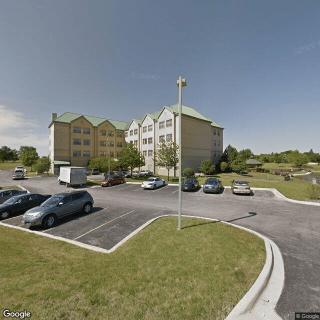
 Therapy services (PT/OT) and some compassionate staff.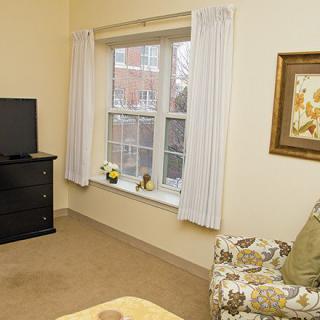

 Caring for Those Who Care: Recognizing, Understanding, and Overcoming Caregiver Burnout
 Caregiver Exhaustion: Recognizing the Signs and Restoring Your Well-Being
 Understanding Hospice Care at Home: Comprehensive Services, Key Benefits, and Eligibility