For more information about senior living options: (866) 208-4318
3.4 from 123 reviews
5 stars
56
4 stars
15
3 stars
7
2 stars
8
1 stars
37
Warren Bar of Orland Park Costs & Pricing
At Warren Bar of Orland Park, the monthly costs for accommodations reflect a premium in comparison to both Cook County and the broader state of Illinois. For a semi-private room, residents can expect to pay $6,480, which is considerably higher than the county average of $5,192 and the state average of $5,146. Similarly, for those seeking a private room at Warren Bar, the cost rises to $7,440 - a notable increase over the county's rate of $5,168 and Illinois's rate of $5,049. This pricing structure suggests that while Warren Bar may offer enhanced services or amenities that justify these costs, prospective residents should weigh these factors against the more competitive rates available in the surrounding areas.
Floor plans
Warren Bar of Orland Park
Cook County
Illinois
Semi-Private
$6,480
$5,192
$5,146
Private
$7,440
$5,168
$5,049
Skilled Nursing Facilities with a similar price nearby
Several residents and families report slow responses to call lights and requests.
Multiple reviewers say they had to wait for staff to come when the call light was on, or that it took a long time to get help. Others describe difficulty reaching nursing staff for updates or basic needs, especially at certain times. A few reviewers also tie the delays to staffing levels or unmet day-to-day expectations.
caveat4 reviews mention this
Food quality is mixed
Dining reviews are inconsistent, with complaints about quality and flexibility.
Some reviewers say the food was terrible or could not be adjusted to dietary preferences, including having to send food back to get it right. Others mention that food was only okay, or that meals and snacks were good. Overall, residentsā€™ experiences with dining quality and dietary support varied widely by reviewer.
common4 reviews mention this
Cleanliness and odors come up
Cleanliness is mentioned both positively and negatively, including concerns about odors.
A few reviewers praise the facility for being clean, quiet, and well-kept. At the same time, several comments focus on unpleasant smells or dirty-looking floors that affected visits. Taken together, cleanliness appears uneven depending on the reviewer and timing of the stay.
common5 reviews mention this
Care and therapy vary by experience
Therapy and day-to-day care are described as helpful by some, but concerning by others.
Many reviewers describe positive rehab experiences, including progress with physical therapy and occupational therapy, wound care, and attentive clinical support. Others report serious concerns, such as worsening conditions during the stay, inadequate follow-through on tasks, or issues related to falls and hygiene. The reviews point to a wide range of outcomes rather than a single consistent pattern.
caveat5 reviews mention this
Communication and management are debated
Reviews disagree on communication, with complaints about delays and missed updates.
Several reviewers say they experienced poor communication between management and staff, slow follow-through, or difficulty getting timely information. Others describe more positive experiences, including feeling well-informed about progress and discharge planning support from social workers. Overall, how clearly families felt kept in the loop seems to depend heavily on the situation and staff on hand.
caveat2 reviews mention this
Staffing levels affect day-to-day support
Some reviewers attribute gaps in care to short staffing.
A couple of comments explicitly raise concerns about being short-staffed and call for more employees to improve prompt help. Others describe moments where basic needs were not handled quickly enough, aligning with those staffing concerns. While many reviewers praise staff, the negative comments suggest capacity can become a problem.
How we summarize
Counts show how many written reviews mention each theme; a review can touch several themes, and only frequently mentioned themes are displayed.
Features
Types of Care
Skilled Nursing Facility
Amenities
Activities off-site
Activities on-site
Bath tubs
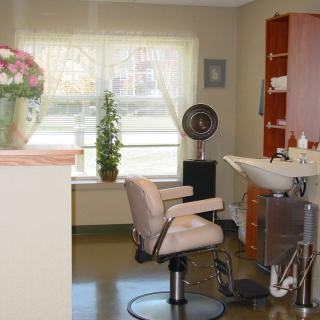
Beautician on-site
Devotional services on-site
Indoor common areas
Outdoor common areas
Private
Respite or short term stays offered
Wheelchair accessible showers
Transportation
Chicago Midway (12 miles away)
Chicago O'Hare International (25 miles away)
Care Services
Diabetic care
High acuity care
Incontinence care
Dining
Meals provided
Activities
Activities off-site
Activities on-site
Devotional activities on-site
Nearby Places of Interest
This part of Orland Park, Illinois offers a convenient and diverse array of amenities for senior living. With multiple pharmacies such as Walgreens and CVS Pharmacy nearby, access to healthcare services is readily available. There are also various dining options including Red Lobster and The Cheesecake Factory, as well as cafes like Starbucks for socializing and enjoying meals. For entertainment, theaters like Orland Park Cinema and Emagine Frankfort are within a short driving distance. Additionally, there are physicians' offices and hospitals such as Palos Community Hospital in close proximity for medical care needs. Parks like Arbor Park and Waterfall Glen Forest Preserve provide opportunities for outdoor recreation and relaxation. Overall, this area provides a mix of conveniences, healthcare facilities, dining options, entertainment venues, places of worship, and green spaces which may cater to the needs and interests of seniors looking to settle in Orland Park.
At Warren Bar of Orland Park, the monthly costs for accommodations reflect a premium in comparison to both Cook County and the broader state of Illinois. For a semi-private room, residents can expect to pay $6,480, which is considerably higher than the county average of $5,192 and the state average of $5,146. Similarly, for those seeking a private room at Warren Bar, the cost rises to $7,440 - a notable increase over the county's rate of $5,168 and Illinois's rate of $5,049. This pricing structure suggests that while Warren Bar may offer enhanced services or amenities that justify these costs, prospective residents should weigh these factors against the more competitive rates available in the surrounding areas.
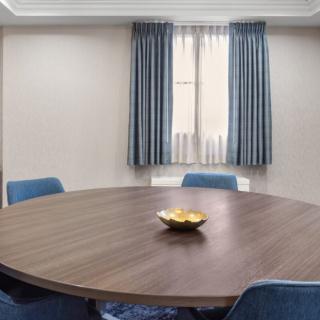
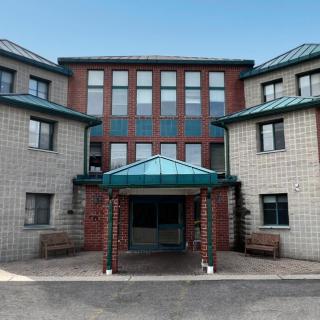
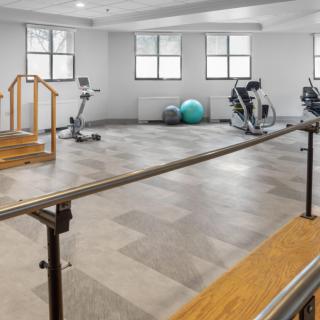
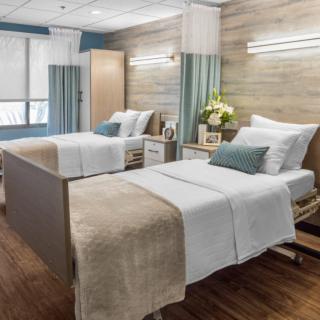
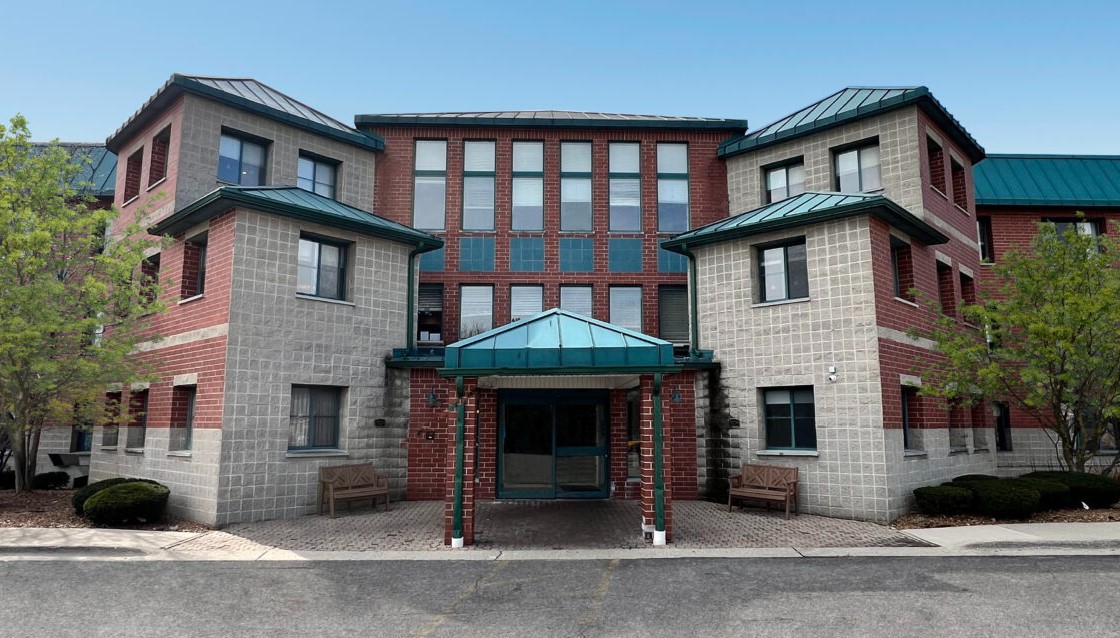
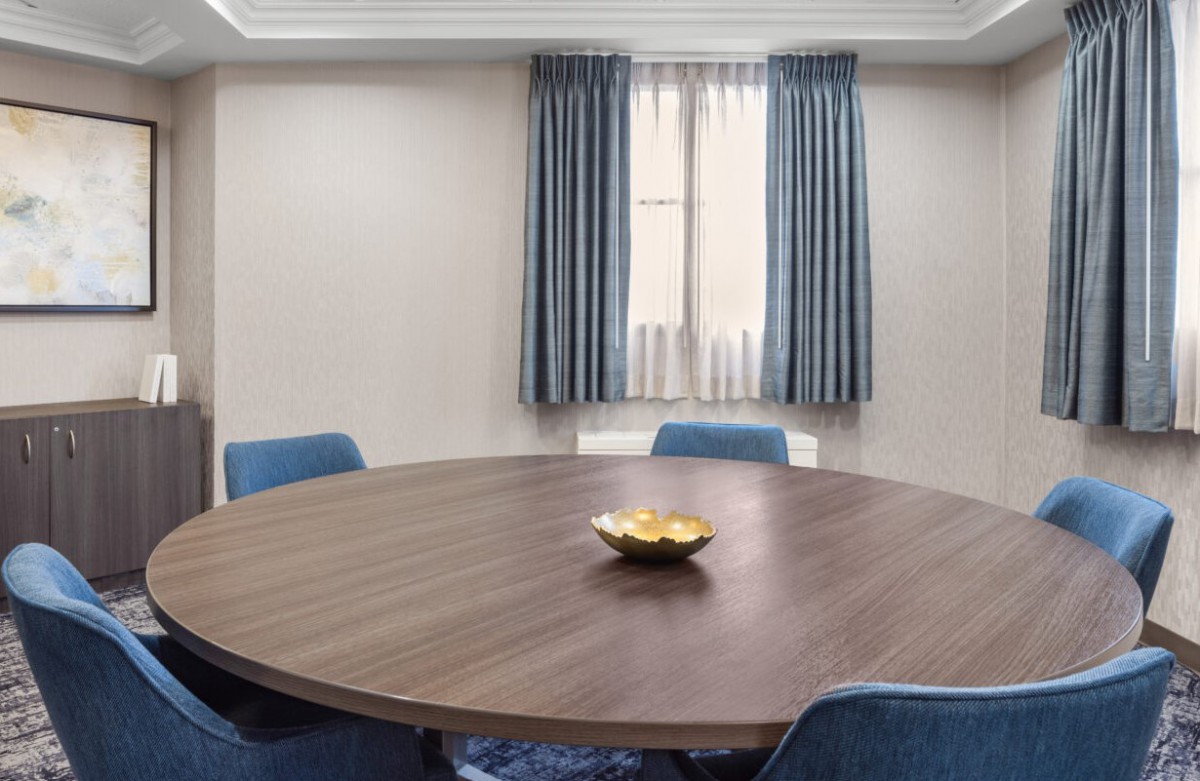
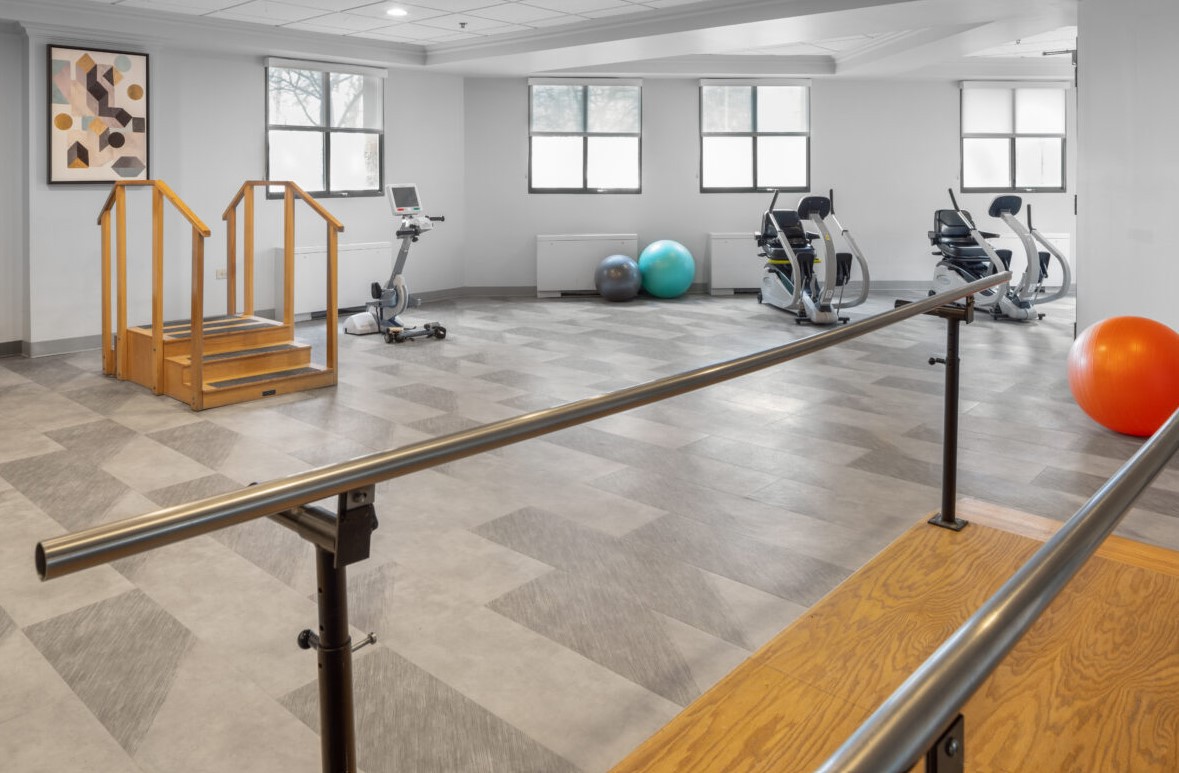
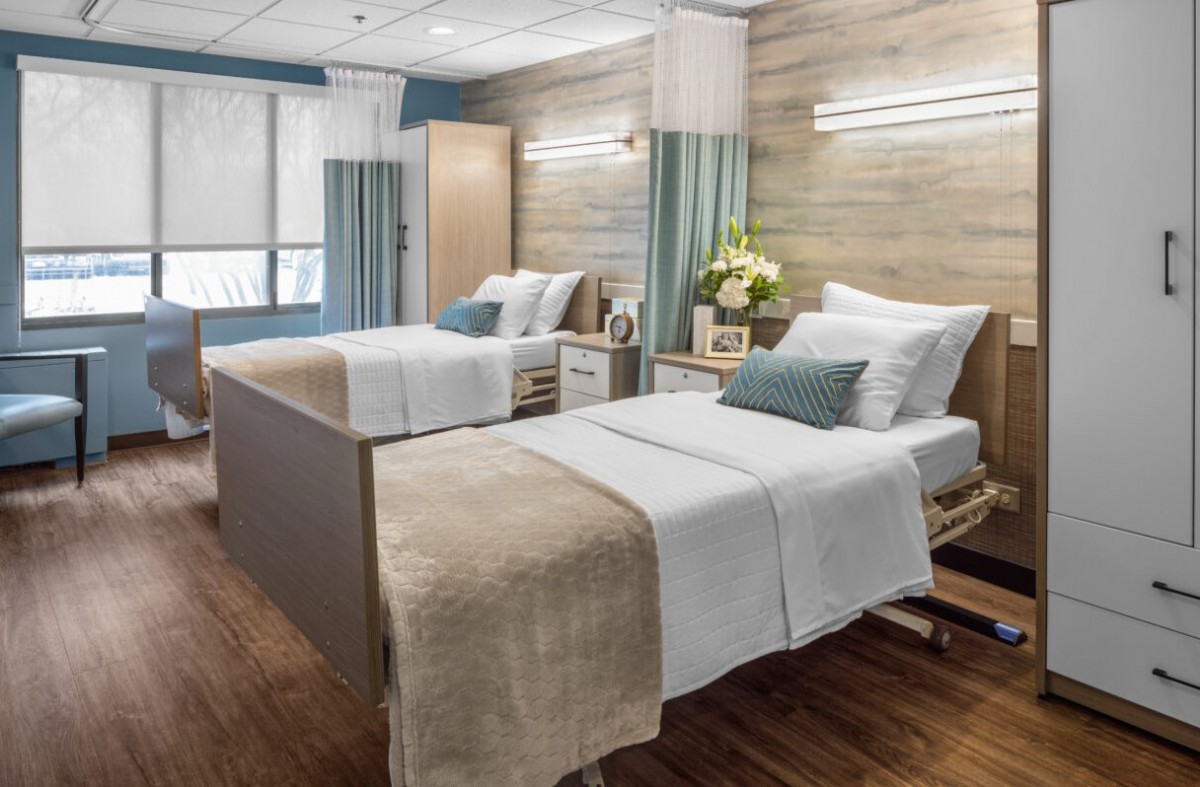
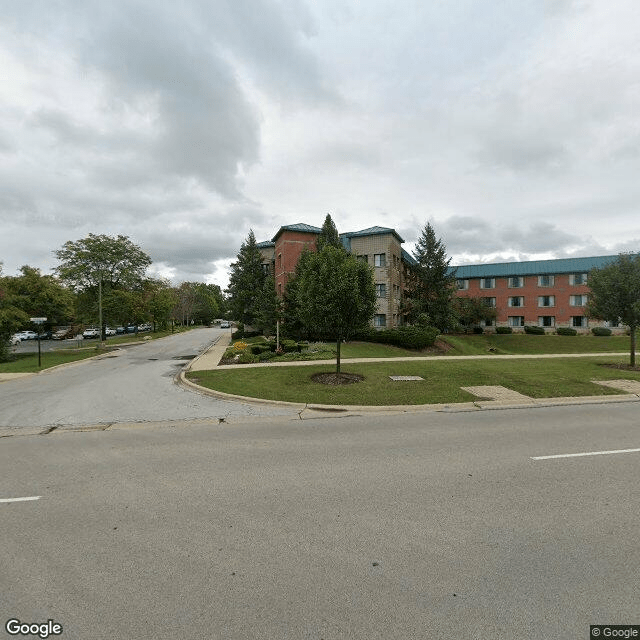
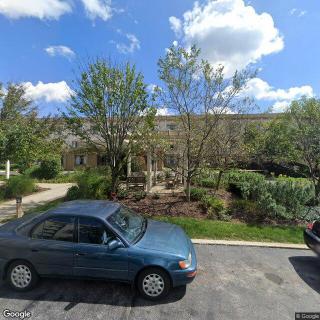
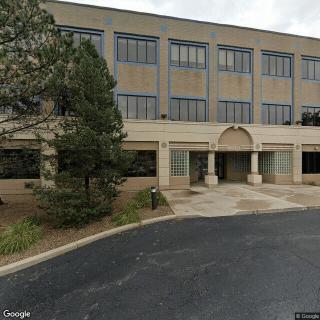
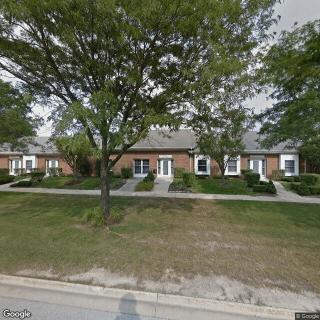
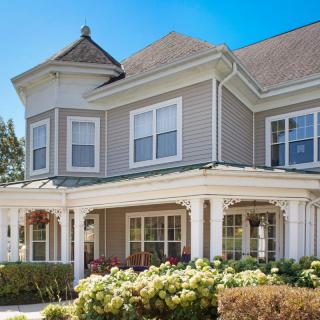
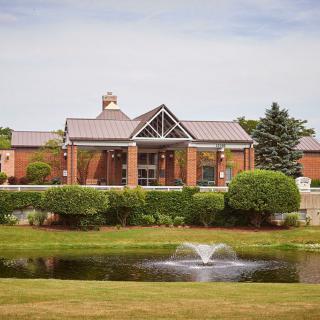
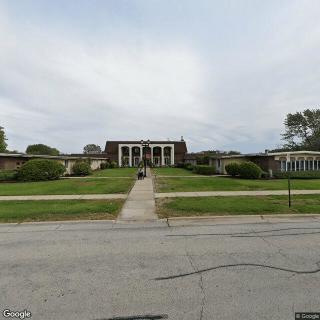
Warren Bar of Orland Park on seniors.fyi includes 5 photos including images showing interior, exercise equipment, windows, treadmill, fitness, rehabilitation, healthcare, building, and more.
Nearby Communities
Lexington Of Orland Park
Orland Park, IL
3.4 from 119 reviews
Extensive amenities and 24/7 care support.
Destiny Senior Care - Orland Park, IL
Orland Park, IL
Strong access to nearby healthcare, dining, worship, and entertainment.
BrightStar Care - Orland Park/Will County, IL
Orland Park, IL
3.9 from 15 reviews
Compassionate leadership with Alzheimer's expertise and adaptable, continuous care that addresses both medical and emotional needs.
Synergy Home Care of Orland Park
Orland Park, IL
5 from 48 reviews
Exceptional, punctual in-home care with compassionate, well-trained staff.
Right at Home
Orland Park, IL
Comfortable, secure setting with easy access to nearby amenities.
Advanced Elder Care, Inc.
Orland Park, IL
4.1 from 14 reviews
Convenient access to nearby pharmacies, physicians, restaurants, places of worship, theaters, and hospitals.
Sunrise Of Palos Park
Palos Park, IL
4.3 from 80 reviews
$4,920 to $6,870 / month
Bright, open community with friendly staff and a variety of activities.
Peace Village
Palos Park, IL
4.4 from 86 reviews
$1,460 to $2,120 / month
Beautiful grounds with compassionate staff and strong dining/activities.
Tinley Court Catered Senior Living
Tinley Park, IL
4.5 from 64 reviews
$1,900 to $3,400 / month
Friendly, attentive staff; good meals; engaging activities.
Weight training is vital for seniors to maintain muscle mass, bone density, and overall health, combating age-related declines through customized resistance exercises that enhance balance and well-being. Safe routines should start with realistic goals and proper form, while emphasizing gradual progress and consultations with healthcare providers to ensure safety and effectiveness.
The Sandwich Generation comprises adults managing the dual responsibilities of caring for aging parents and raising children, leading to significant emotional, logistical, and financial challenges. This situation is exacerbated by longer life expectancies and cultural expectations, necessitating effective coping strategies and support resources to alleviate caregiver stress and burnout.
The article highlights eight essential assistive devices that improve the independence and safety of older adults, addressing issues related to mobility, balance, vision, hearing, and dexterity. It emphasizes the importance of proper selection guided by healthcare professionals to enhance seniors' quality of life while allowing them to age in place.
Building, Architecture, Entrance, Brick, and Urban
Exercise Equipment, Gym, Rehabilitation, Fitness, and Treadmill
Healthcare
Meeting Room
Get PricingAsk A QuestionSchedule A TourContact Senior Advisor
By clicking submit, you agree to our Partner's Terms of Use. You
also consent to receive calls and texts, which may be autodialed, from our Partner. Your consent is not a condition to
using our Partner's service. Please visit our Partner's Privacy Policy for information about their privacy practices.



 Skilled Nursing Facility
 Activities off-site
 Bath tubs
 Beautician on-site
 Devotional services on-site
 Indoor common areas
 Outdoor common areas
 Private
 Respite or short term stays offered
 Wheelchair accessible showers
 Chicago Midway (12 miles away)
 Diabetic care
 High acuity care
 Incontinence care
 Meals provided
 Extensive amenities and 24/7 care support.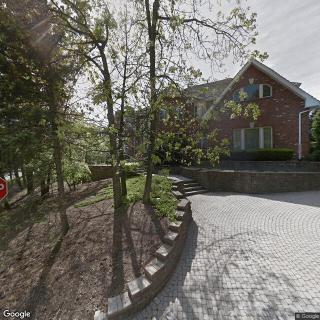
 Weight Training for Seniors: Building Strength and Vitality
 Understanding the Sandwich Generation: Stress and Responsibilities for Multigenerational Caregivers
 8 Essential Assistive Devices for Older Adults