
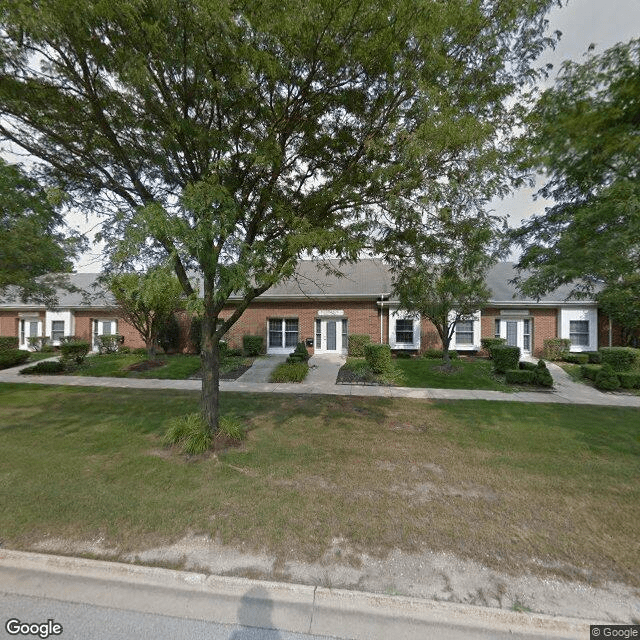
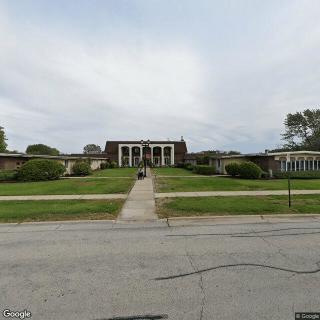
9651 W. 153rd St Ste 60, Orland Park, IL 60462
To contact a resident: (708) 226-0860
For more information about senior living options: (866) 208-4318
Overall Review of Advanced Elder Care, Inc.
Pros
 Dr. Stephen is a refreshing change from the usual medical experts.
- He is extremely knowledgeable on many issues.
- He diagnoses health issues quickly and develops an effective plan.
- Patients feel significantly better in the first month and continue to improve.
- He is a rare find, and people are lucky to have him in the area.
- Dr. Steven is highly knowledgeable and helps patients improve greatly.
- He helps patients stop taking medications when appropriate.
- He is super knowledgeable and makes patients feel their best.
- He provides dietary and vitamin-based help that makes a difference.
- He helped clear acne quickly and keep it clear.
- He is a doctor worth recommending.
- Dr. Vanlopik is very knowledgeable, personable, and helpful.
- He addresses concerns and contributes to overall health improvements.
- He is flexible and makes visits convenient.
- Dr. Steven is exceptional, thorough, and genuinely cares for his patients.
- He is a trusted go-to doctor for health and well-being.
- He listens to concerns and adapts the plan as needed.
- He encourages healthier lifestyle changes and is easily accessible.
Cons
 One reviewer described Dr. Van Lopik as “a quack at best.”
- The reviewer claimed he would not disclose the cost of visits, noting the first and second visits were both $400.
- The reviewer stated that Dr. Van Lopik mostly spoke about himself during visits.
- The reviewer felt he simply treated symptoms with online supplements rather than addressing underlying issues.
- The reviewer raised concerns about a potential conflict of interest, alleging payments could be made to the doctor’s wife’s counseling business.
Review
Advanced Elder Care, Inc., in Orland Park, is best suited for seniors and families seeking a physician-led, integrative approach to elder health. This community shines for those who want a thorough, root-cause orientation, where health plans are built around long-term wellness, lifestyle adjustments, and a direct, ongoing relationship with a highly knowledgeable clinician. It is especially attractive to families hoping to reduce medication burdens where possible and to those who value proactive, personalized management over episodic, symptom-focused care. The fit is strongest for residents who welcome a holistic, individualized care philosophy and are prepared to engage actively in lifestyle changes as part of their overall treatment plan.
Those who should consider alternatives include families prioritizing strict conventional medicine, aggressive transparency about every fee upfront, and a purely symptom-driven care model. If budget certainty and a traditional, cookie-cutter visit cadence are non-negotiables, this practice may feel opaque or misaligned. Additionally, individuals wary of non-traditional modalities or wary of perceived marketing or self-promotion in a clinician’s practice should exercise caution and seek a more conventional arrangement. In short, this is not the right choice for those seeking a standard, payer-friendly primary care path with straightforward, low-key branding.
The strongest positives center on clinical depth and a proactive, patient-centered cadence. Reviews consistently highlight exceptional knowledge and thorough diagnostic ability, with many patients reporting meaningful health improvements after the first month and sustained progress over time. The care philosophy emphasizes addressing underlying issues rather than merely treating symptoms, with a willingness to adjust plans as new information emerges. For seniors navigating multi-system health concerns, the potential to streamline medications and tailor interventions to a singular, coherent plan stands out as a decisive advantage. The accessible, flexible scheduling and the sense that the physician is genuinely engaged with the patient’s long-term wellbeing further bolster perceived value.
However, the main drawbacks warrant careful consideration. A minority of reviews flag concerns about costs and the somewhat opaque-feel of fee structures, including a notably high first-visit charge and questions about subsequent billing. One critique points to a perceived over-emphasis on the physician’s own narrative or business connections, which can feel disorienting to families seeking a straightforward, evidence-based medical encounter. Another strong cauterizing note calls attention to the existence of competing opinions about the legitimacy of certain modalities or approaches offered, labeling them as pseudoscience in some contexts. Taken together, these cons are not universal, but they do temper expectations for families that require absolute predictability in pricing and a strictly conventional approach.
Those cons do not fully erase the practical strengths on offer. When the clinician’s diagnostic rigor leads to real health gains, and when a plan reduces the number of medications while improving daily functioning, the value can surpass concerns about cost or branding. The practical advantage rests in real-world outcomes: clearer direction for care, a willingness to reevaluate and refine treatment, and a holistic framework that treats the person rather than a collection of symptoms. For families facing complex, chronic, or age-related health challenges, these attributes can translate into steadier health trajectories and more confidence in the care pathway.
Decision-makers weighing options should approach with a focused set of questions. Clarify upfront what visits and tests are included in the base fee, what constitutes a follow-up visit, and how changes to the plan impact cost. Probe the evidentiary basis for proposed lifestyle interventions and supplements, and ask for examples of medication taper or deprescribing outcomes in similar cases. Request transparency about any potential conflicts of interest and how the practice handles fees that may feel outside the traditional model. Finally, assess alignment with personal values: is the emphasis on root-cause care and lifestyle modification a fit, or does a more conventional, medication-centered approach better match the family’s expectations and budget? For families ready to engage deeply and invest in a comprehensive wellness strategy, Advanced Elder Care, Inc. offers a compelling, although not universally suited, path toward durable health gains.
 Chicago Midway (13 miles away)



 Weight Training for Seniors: Building Strength and Vitality
 Understanding the Sandwich Generation: Stress and Responsibilities for Multigenerational Caregivers
 8 Essential Assistive Devices for Older Adults