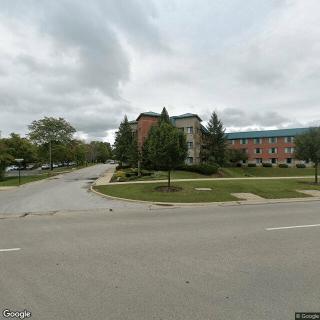
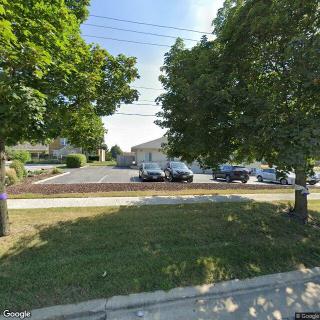
Lexington Of Orland Park

Information last verified:

14601 South John Humphrey Drive, Orland Park, IL 60462

For more information about senior living options: (844) 490-3973

3.5 from 110 reviews
5 stars
58
4 stars
8
3 stars
4
2 stars
6
1 stars
34

Overall Review of Lexington Of Orland Park

Pros

  • pro Families report being very happy with the care and staff at Warren Barr Orland Park.
  • pro The therapy team is dedicated and excellent, helping patients regain strength after surgery or a stroke.
  • pro Jeanette Davis, the social worker, is praised for keeping families informed and coordinating care.
  • pro Memory-care staff are attentive and caring, with residents engaging in activities and exercise.
  • pro Chef Darius provides vegetarian-friendly meals and checks in with residents and families, delivering high-quality meals and desserts.
  • pro The front desk, valet, and reception staff are welcoming and help create a positive first impression.
  • pro Nurses, CNAs, and aides are repeatedly described as compassionate and going above and beyond.
  • pro The facility is clean, well-maintained, and organized, contributing to residents’ comfort.
  • pro Families feel reassured and at peace knowing their loved ones are safe and well cared for.
  • pro Many reviewers would strongly recommend Warren Barr for rehab and memory care.
  • pro Specific caregivers such as Bree, Brianna, Shanita, and Jeannette Davis are singled out for exceptional care and kindness.
  • pro The rehab team helps patients walk again and regain independence.

Cons

  • pro They describe the staff as unprofessional and neglectful, ignoring medication times and resident requests.
  • pro They report residents being left in dirty diapers for hours and not properly cleaned.
  • pro They characterize the night staff as brutal, with patients left waiting for help and unresponsive to calls.
  • pro They accuse management of poor communication, being dismissive, and failing to follow through on promises.
  • pro They claim medication management failures, including long waits to receive pain meds and delays in treatment.
  • pro They allege belongings and clothes are lost, rooms are changed without clear communication, and falls are not adequately reported.
  • pro They describe the environment as unhygienic with a persistent smell and insufficient supplies or staffing.
  • pro They warn families not to send loved ones there, citing elder abuse concerns and worsening health outcomes.
  • pro They state that due to neglect, some residents deteriorate or require readmission to the hospital.

Review

Lexington Of Orland Park is best suited for seniors who need assertive rehabilitation and memory-care support delivered by a highly engaged therapy and social-work team. The facility consistently earns praise for post-acute rehab, particularly for stroke recovery, hip or spine surgeries, and wound care, where therapists push for real, measurable progress and discharge readiness. Families that value proactive discharge planning, coordinated transportation, and regular family updates report the strongest satisfaction. The memory-care floor also earns commendations for patient-friendly routines, meaningful activities, and staff who know residents well. In short, this community shines when the goal is restoring mobility, independence, and daily function, with on-site teams that champion communication and continuity of care.

Those considering alternatives should be mindful of several red flags that recur in reviews. If consistent, transparent communication from administration is non-negotiable, this may not be the easiest place to anchor a loved one long-term. Multiple accounts describe inconsistent staffing, slow call-light responses, and gaps in medication timing or routine hygiene. Families that have faced unresolved concerns about dignity, safety, or basic daily care, such as clothing management, bathroom assistance, or timely pain control, will want to compare other centers with stronger, verifiable staffing benchmarks and more rigorous oversight. For residents who require near-constant supervision, or for families prioritizing flawless accountability over all else, exploring additional options is prudent.

The strongest, most durable positives here come from the therapy and social-work ecosystems. Therapists and therapy aides are repeatedly praised for their expertise, persistence, and encouragement, with many residents regaining or surpassing home-ambulation goals and regaining independence enough to return home or to a lower level of care. The memory-floor teams demonstrate genuine patience and continuity, with social workers coordinating transfers, home-health arrangements, and follow-up appointments in ways that reduce family stress. Case managers and social workers such as Shanita, Ayisat, and Jeanette Davis emerge as trusted anchors, delivering consistent updates, arranging transportation, and weathering weekend calls to keep families connected. When families praise these professionals, they describe fewer hurdles in discharge planning and a smoother transition back to life outside the facility.

Yet the other side of the ledger cannot be ignored. A significant thread of reviews highlights inconsistent management, under-resourcing, and recurring safety concerns. Reports range from delayed responses to calls and missed medications to more troubling claims of neglect, inadequate hygiene, and denied dignity. Some families recount lost belongings, unexplained bruises, or abrupt room and bed changes, all of which erode confidence in the facility’s ability to safeguard vulnerable residents. There are also impressions of a difficult cultural dynamic between staff and families, with accusations that management sometimes appears dismissive of legitimate concerns. The volume and variability of these accounts mean a cautious, evidence-driven family must actively verify current conditions beyond past reputations.

These pros and cons interact in a consequential way. The presence of a robust rehab program and a compassionate social-work team can produce meaningful, visible gains, especially for patients who arrive with clear mobility goals and a plan for returning home. When such strengths are paired with thoughtful discharge coordination, they can offset many concerns about transition risk and inconsistent daily routines. However, for residents who are highly vulnerable, medically complex, or prone to communication barriers, the gaps noted in staffing and administration become magnified. In those cases, the balance tips away from “good rehab, solid teamwork” toward a cautionary note about ongoing safety and reliability.

Decision-makers should approach Lexington Of Orland Park with clear, task-oriented questions and a concrete plan. Confirm current nurse-to-patient ratios and average call-light response times by shift, then request recent safety and incident logs. Ask for a day-in-the-life walkthrough of a memory-care resident and a rehab patient to gauge how daily care, therapy, and meals are actually delivered. Require a formal, written care plan with milestones for therapy goals, pain management, and discharge logistics, plus a contingency plan if a resident’s condition worsens. Finally, insist on meeting the key social worker or case manager assigned to the loved one, and request scheduled, predictable updates that align with family expectations.

In the end, Lexington Of Orland Park offers a compelling proposition for families pursuing aggressive rehabilitation and devoted social-work support, with many residents making tangible gains under experienced therapists and attentive memory-care staff. The facility’s strongest selling points are those hands-on teams that coordinate care across disciplines, keeping discharge goals and home-transition plans front and center. Yet the weight of inconsistent staffing, management communication issues, and occasional safety or dignity concerns cannot be dismissed. For families prioritizing relentless reliability and transparent accountability above all, it is essential to compare alternatives, conduct thorough in-person observations, and demand assurances that address the most troubling reviews head-on before placing a loved one in care.

Features

Housing

  • 259 resident community capacity 259 resident community capacity

Types of Care

  • Skilled Nursing Facility Skilled Nursing FacilitySkilled Nursing Facilities are crucial for seniors as they provide round-the-clock medical care, rehabilitation services, and assistance with daily activities. These facilities ensure that seniors receive the specialized care they need to maintain their health and well-being as they age.

Amenities

  • Air-conditioning Air-conditioningAir conditioning is important for seniors as they are more vulnerable to heat-related illnesses and may have underlying health conditions that make it difficult for them to regulate their body temperature. It helps to keep them comfortable, safe, and healthy in hot weather.
  • Beauty salon Beauty salonBeauty salons are important for seniors because they provide a space for them to feel pampered, socialize, and maintain their personal grooming and hygiene. Regular visits to a beauty salon can help boost seniors' self-esteem and overall well-being.
  • Cable or satellite TV Cable or satellite TVCable or satellite TV is important for seniors because it provides entertainment, news, and companionship, helping to combat loneliness and boredom. It also offers a wide range of programming options tailored to different interests and preferences.
  • Computer center Computer centerA computer center is essential for seniors as it provides access to technology, communication tools, and resources that can enhance their daily lives. It allows them to stay connected with loved ones, engage in online activities, and learn new skills, ultimately promoting socialization and mental stimulation.
  • Dining room Dining roomDining rooms are important for seniors as they provide a space for socialization, connection, and nutritious meals. They offer opportunities for residents to bond over shared meals, foster a sense of community, and promote healthy eating habits. Dining rooms also ensure that seniors have access to well-balanced meals tailored to their dietary needs and preferences.
  • Fitness room Fitness roomHaving a fitness room in a senior living community is essential for seniors to stay active, maintain their physical health, and improve their overall well-being. Regular exercise can help prevent falls, reduce the risk of chronic diseases, and promote mental sharpness. It also provides social opportunities for residents to connect with others and enjoy a sense of community.
  • Fully furnished Fully furnishedFully furnished senior living communities are important for seniors because they provide convenience, comfort, and a hassle-free moving experience. Seniors can easily settle into their new living space without the stress of having to buy and move furniture. This allows them to focus on enjoying their new home and community.
  • Gaming room Gaming roomGaming rooms are important for seniors as they provide a fun and engaging environment for socializing, cognitive stimulation, and physical activity. Games can improve memory, problem-solving skills, and overall mental well-being while fostering friendships and reducing feelings of isolation.
  • Garden GardenGardens are important for seniors as they provide a peaceful and therapeutic environment for relaxation, physical activity, and socialization. Being in nature has been shown to reduce stress, improve mood, and promote overall well-being. Gardens also offer opportunities for seniors to engage in gardening activities, which can improve mobility, flexibility, and cognitive function. Additionally, gardens create a sense of community and connection with others who share a passion for plants and outdoor spaces.
  • Housekeeping services Housekeeping servicesHousekeeping services are important for seniors because they help maintain a clean and safe living environment, promote independence, and reduce the risk of accidents or illnesses. Additionally, having assistance with household chores can alleviate physical strain and allow seniors to focus on other aspects of their well-being.
  • Kitchenette KitchenetteKitchenettes are important for seniors living in senior living communities because they provide the convenience and independence of being able to prepare simple meals and snacks in the comfort of their own living space. This can help promote a sense of autonomy and well-being for seniors, allowing them to maintain some level of control over their dietary choices and daily routines.
  • Move-in coordination Move-in coordinationMove-in coordination is important for seniors because it helps ease the transition into their new living environment. It ensures that all logistics, such as packing, organizing movers, and setting up utilities are taken care of, allowing seniors to focus on settling in and adjusting to their new home. Having a smooth move-in process can alleviate stress and anxiety, making the transition smoother and more enjoyable for seniors.
  • Outdoor space Outdoor spaceOutdoor spaces are important for seniors as they provide opportunities for physical activity, social interaction, exposure to natural light and fresh air, and a sense of connection to nature. Having access to outdoor spaces can improve overall well-being and quality of life for older adults living in senior communities.
  • Private bathrooms Private bathroomsPrivate bathrooms are important for seniors in senior living communities because they provide independence, dignity, and comfort. Having a private bathroom allows seniors to maintain their personal hygiene routines without the need for assistance, promoting a sense of autonomy and privacy. Additionally, private bathrooms help prevent the spread of infections and provide a safe and clean environment for seniors to navigate safely.
  • Restaurant-style dining Restaurant-style diningRestaurant-style dining is important for seniors because it allows them to enjoy delicious, nutritious meals in a social and upscale setting. This enhances their dining experience, promotes healthy eating habits, and fosters socialization with fellow residents, ultimately contributing to their overall well-being and quality of life.
  • Small library Small librarySmall libraries are important for seniors as they provide access to a variety of reading materials, including books, newspapers, and magazines. This can help stimulate their minds, keep them engaged, and provide a sense of community through book clubs and other social activities. Additionally, reading has been shown to improve cognitive function and overall mental well-being in older adults.
  • Telephone TelephoneTelephones are important for seniors as they provide a lifeline for communication with loved ones, emergency services, and healthcare providers. They offer a sense of security and independence, enabling seniors to stay connected and access assistance when needed.
  • Wellness center Wellness centerWellness centers are important for seniors because they offer a variety of programs and services that promote physical, mental, and emotional well-being. These centers provide opportunities for exercise, socialization, education, and relaxation, helping seniors maintain their overall health and quality of life.
  • Wi-Fi/high-speed internet available Wi-Fi/high-speed internet availableWi-Fi/high-speed internet is important for seniors to stay connected with loved ones, access online resources, and participate in virtual activities to combat feelings of loneliness and isolation. It also allows them to easily manage healthcare needs, access entertainment, and engage in lifelong learning opportunities.

Transportation

  • Chicago Midway (12 miles away) Chicago Midway (12 miles away)
  • Chicago O'Hare International (25 miles away) Chicago O'Hare International (25 miles away)
  • Community operated transportation Community operated transportationCommunity operated transportation is crucial for seniors as it provides them with the means to access essential services, social activities, and medical appointments. It allows seniors to maintain their independence and quality of life by ensuring they can participate in activities outside of their homes. Additionally, community-operated transportation services offer a safe and reliable way for seniors to travel without having to rely on family or friends for assistance.
  • Transportation arrangement Transportation arrangementTransportation arrangements are crucial for seniors as they may face challenges with driving, mobility, or access to public transportation. Having reliable transportation services ensures that seniors can easily attend appointments, social activities, and maintain their independence and quality of life.
  • Transportation arrangement (non-medical) Transportation arrangement (non-medical)Transportation arrangements are essential for seniors as they provide access to essential services, activities, and social interactions outside the home. This service helps maintain independence, mobility, and overall well-being for seniors who may have limited transportation options.
  • Transportation to doctors appointments Transportation to doctors appointmentsTransportation to doctors appointments is crucial for seniors as it ensures they have access to necessary medical care and support, promoting their health and well-being. It allows them to receive timely treatment, monitor existing conditions, and address any new health concerns efficiently. Additionally, transportation services can help seniors maintain their independence and quality of life by enabling them to stay connected with their healthcare providers.

Care Services

  • 12-16 hour nursing 12-16 hour nursing12-16 hour nursing care is crucial for seniors in order to ensure around-the-clock monitoring, timely medication administration, and prompt response to any health concerns or emergencies. This level of care helps to promote the overall well-being and safety of seniors living in senior living communities.
  • 24-hour call system 24-hour call system24-hour call systems are important for seniors because they provide peace of mind and immediate assistance in case of emergencies. This technology ensures that help is always available, promoting safety and security for elderly individuals living alone or in assisted living facilities.
  • 24-hour supervision 24-hour supervision24-hour supervision is important for seniors to ensure their safety, well-being, and access to immediate assistance in case of emergencies or health issues. This constant support provides peace of mind for both seniors and their loved ones, allowing them to age in place with dignity and security.
  • Activities of daily living assistance Activities of daily living assistanceActivities of daily living assistance are important for seniors because they provide essential support with tasks such as eating, bathing, dressing, and mobility. This assistance helps seniors maintain their independence, dignity, and overall quality of life as they age.
  • Assistance with bathing Assistance with bathingAssistance with bathing is crucial for seniors as it helps maintain personal hygiene, prevents infections, and ensures their overall well-being and comfort. It also provides a sense of dignity and independence for seniors who may struggle with this task on their own.
  • Assistance with dressing Assistance with dressingAssistance with dressing is important for seniors because it helps maintain their independence, promotes personal hygiene, prevents accidents and injuries, and improves overall quality of life. This service ensures that seniors can continue to dress comfortably and confidently, despite any physical limitations they may have.
  • Assistance with transfers Assistance with transfersAssistance with transfers is crucial for seniors as it helps prevent falls and injuries, maintains their independence, and ensures they can safely navigate their living environment. It also provides peace of mind for both seniors and their loved ones.
  • Diabetes diet Diabetes dietA diabetes diet is crucial for seniors as it helps manage blood sugar levels, reduce risks of complications, and improve overall health and well-being. By following a balanced and nutritious diet tailored to their specific needs, seniors can better control their diabetes and enhance their quality of life.
  • Meal preparation and service Meal preparation and serviceMeal preparation and service are crucial for seniors as they may have limited mobility or energy to cook nutritious meals. Having access to healthy and convenient food options can ensure they are getting the proper nutrition needed to maintain their overall health and well-being.
  • Medication management Medication managementMedication management is crucial for seniors to ensure they are taking the right medications at the correct dosages and times. This helps prevent adverse drug interactions, reduces the risk of medication errors, and promotes overall health and well-being. Proactive management also allows for adjustments as needed based on changing health conditions or new prescriptions.
  • Mental wellness program Mental wellness programMental wellness programs are essential for seniors as they promote cognitive stimulation, emotional support, and social engagement. These programs help prevent isolation, depression, and cognitive decline, ultimately enhancing the overall quality of life for older adults.
  • Special dietary restrictions Special dietary restrictionsSpecial dietary restrictions are important for seniors because age-related changes in metabolism and health conditions can make it difficult for their bodies to process certain foods. By following a diet tailored to their specific needs, seniors can maintain their overall health and well-being, manage chronic conditions, and reduce the risk of complications such as malnutrition or food interactions with medications.

Dining

  • Diabetes diet Diabetes dietA diabetes diet is crucial for seniors as it helps manage blood sugar levels, reduce risks of complications, and improve overall health and well-being. By following a balanced and nutritious diet tailored to their specific needs, seniors can better control their diabetes and enhance their quality of life.
  • Special dietary restrictions Special dietary restrictionsSpecial dietary restrictions are important for seniors because age-related changes in metabolism and health conditions can make it difficult for their bodies to process certain foods. By following a diet tailored to their specific needs, seniors can maintain their overall health and well-being, manage chronic conditions, and reduce the risk of complications such as malnutrition or food interactions with medications.

Activities

  • Community-sponsored activities Community-sponsored activitiesCommunity-sponsored activities are important for seniors as they provide opportunities for social interaction, mental stimulation, and physical activity. These activities can help improve overall well-being, combat loneliness and isolation, and promote a sense of belonging and purpose among older adults.
  • Concierge services Concierge servicesConcierge services are essential for seniors as they provide assistance with daily tasks and errands, enhance their quality of life by offering convenience and personalized care, and promote a sense of safety and security.
  • Fitness programs Fitness programsFitness programs are crucial for seniors as they help improve strength, flexibility, balance, and overall well-being. Staying active can reduce the risk of chronic diseases, improve mental health, and enhance quality of life in older adults.
  • Planned day trips Planned day tripsPlanned day trips are important for seniors because they offer opportunities for socialization, mental stimulation, and physical activity. They provide a change of scenery and help seniors stay engaged and connected to their community, promoting overall well-being and quality of life.
  • Resident-run activities Resident-run activitiesResident-run activities are important for seniors as they encourage social interaction, creativity, and a sense of autonomy. These activities empower seniors to stay engaged and active in their community while fostering meaningful connections with their peers.
  • Scheduled daily activities Scheduled daily activitiesScheduled daily activities are important for seniors because they provide structure, socialization, mental stimulation, and physical activity. Engaging in regular activities can improve overall well-being and quality of life for seniors living in a community setting.

Description

Lexington Of Orland Park is an assisted living community located in the charming town of Orland Park, Illinois. Our community is designed to provide a comfortable and welcoming environment for seniors who need assistance with daily activities while still maintaining their independence.

At Lexington Of Orland Park, we offer a wide range of amenities to enhance our residents' quality of life. Our beauty salon allows residents to pamper themselves with haircuts, styling, and other salon services. Residents can relax and enjoy their favorite TV shows with cable or satellite TV options available in each room. Our community-operated transportation service ensures that residents can easily get around town for errands, appointments, and social outings.

Our computer center provides residents with access to technology for staying connected with loved ones and engaging in online activities. Three delicious meals are served daily in our dining room, offering restaurant-style dining experiences. For those who prefer a private cooking space, kitchenettes are available in select apartments.

Physical fitness is encouraged at Lexington Of Orland Park with our fully equipped fitness room and wellness center. Residents can participate in exercise programs tailored to their needs and preferences. We also have a gaming room where residents can gather for friendly competitions and entertainment. Our small library offers a quiet space for reading and relaxation.

Housekeeping services ensure that residents can enjoy a clean living environment without the hassle of cleaning duties. Move-in coordination services are provided to assist new residents during the transition process.

Residents can take advantage of the beautiful outdoors in our garden space and outdoor areas perfect for strolling or enjoying nature. Wi-Fi/high-speed internet is available throughout the community to keep residents connected online.

Our dedicated care staff provides 24-hour call system availability, supervision, and assistance with activities of daily living such as bathing, dressing, and transfers. Medication management services ensure that medications are taken correctly and on time. Special dietary restrictions are accommodated to support individual health needs.

Lexington Of Orland Park strives to provide a fulfilling lifestyle for our residents through various activities. Concierge services are available to assist with any personal needs or requests. Fitness programs keep residents active, while planned day trips and resident-run activities promote social engagement. Scheduled daily activities cater to diverse interests.

Our community is conveniently located near cafes, pharmacies, physicians, restaurants, places of worship, theaters, and hospitals to meet the needs of our residents. Whether you are seeking assistance with daily tasks or looking for an engaging community to call home, Lexington Of Orland Park offers the ideal assisted living experience.

Nearby Places of Interest

Pharmacies

  • Walgreens (0.2 miles)
  • Walgreens (2.5 miles)
  • CVS Pharmacy (3.2 miles)
  • CVS Pharmacy (3.9 miles)
  • CVS Pharmacy (4 miles)
  • Walgreens (4.3 miles)
  • Walgreens (4.6 miles)

Restaurants

  • Red Lobster (0.3 miles)
  • The Cheesecake Factory (0.3 miles)
  • Raising Cane's Chicken Fingers (0.5 miles)
  • P.F. Chang's China Bistro (0.6 miles)
  • Hooters (0.9 miles)
  • Chick-Fil-A (1.3 miles)
  • Miller's Ale House - Orland Park (1.3 miles)

Theaters

  • Orland Park Cinema Orland Park, Il (2.3 miles)
  • Emagine Frankfort (6.8 miles)

Physicians

  • Rife & Associates (2.7 miles)
  • Children's Wellness Center (2.8 miles)
  • Loyola (2.9 miles)
  • Advocate Medical Campus Southwest (4.4 miles)
  • MidAmerica Orthopaedics (5.6 miles)
  • Heart Care Centers of Illinois (5.7 miles)
  • Pinnacle Dermatology- Frankfort (7.6 miles)

Cafes

  • Starbucks (3.4 miles)
  • Eggheadz Cafe (4.5 miles)
  • Starbucks (6 miles)
  • Starbucks (7.9 miles)
  • Corner Bakery Cafe (8.6 miles)

Places of Worship

  • Palos Islamic Center (3.4 miles)
  • Our Mother Of Good Counsel (4.2 miles)
  • Parkview Christian Church (5 miles)
  • Mosque Foundation (7.2 miles)

Hospitals

  • Palos Community Hospital (3.6 miles)
  • South Suburban Hospital (8.9 miles)

Parks

  • Arbor Park (6.4 miles)
  • Foxridge Park (7.3 miles)
  • Waterfall Glen Forest Preserve (7.5 miles)
  • The Forge: Lemont Quarries (7.7 miles)

Transportation

  • Metra (6.8 miles)

Frequently Asked Questions

Where is Lexington Of Orland Park?

Nearby Communities

  • Warren Bar of Orland Park

    Warren Bar of Orland Park

    Orland Park, IL

    3.4 from 123 reviews
    $6,480 to $7,440 / month

    pro Compassionate, dedicated staff delivering attentive rehab and daily care.

  • Destiny Senior Care - Orland Park,  IL

    Destiny Senior Care - Orland Park, IL

    Orland Park, IL


    pro Strong access to nearby healthcare, dining, worship, and entertainment.

  • BrightStar Care - Orland Park/Will County,  IL

    BrightStar Care - Orland Park/Will County, IL

    Orland Park, IL

    3.9 from 15 reviews
     

    pro Compassionate leadership with Alzheimer's expertise and adaptable, continuous care that addresses both medical and emotional needs.

  • Synergy Home Care of Orland Park

    Synergy Home Care of Orland Park

    Orland Park, IL

    5 from 48 reviews
     

    pro Exceptional, punctual in-home care with compassionate, well-trained staff.

  • Right at Home

    Right at Home

    Orland Park, IL


    pro Comfortable, secure setting with easy access to nearby amenities.

  • Advanced Elder Care,  Inc.

    Advanced Elder Care, Inc.

    Orland Park, IL

    4.1 from 14 reviews
     

    pro Convenient access to nearby pharmacies, physicians, restaurants, places of worship, theaters, and hospitals.

  • Sunrise Of Palos Park

    Sunrise Of Palos Park

    Palos Park, IL

    4.3 from 80 reviews
    $4,920 to $6,870 / month

    pro Bright, open community with friendly staff and a variety of activities.

  • Peace Village

    Peace Village

    Palos Park, IL

    4.4 from 85 reviews
    $1,460 to $2,120 / month

    pro Beautiful grounds with compassionate staff and strong dining/activities.

  • Tinley Court Catered Senior Living

    Tinley Court Catered Senior Living

    Tinley Park, IL

    4.5 from 62 reviews
    $1,900 to $3,400 / month

    pro Friendly, attentive staff; good meals; engaging activities.

Related Resources

  • fecal incontinenceFecal Incontinence in Older Adults: A Comprehensive Guide

    Fecal incontinence, prevalent among older adults, arises from factors like weakened pelvic muscles and nerve damage, significantly affecting well-being and social interactions. Diagnosis involves clinical evaluation and tests to inform tailored treatments, while caregivers and preventive measures can aid in managing the condition effectively.

  • anticipatory griefRecognizing the Journey: Understanding and Navigating Anticipatory Grief

    Anticipatory grief is an emotional response to the impending loss of a loved one, characterized by complex emotions such as sadness and anger, and involves navigating stages similar to those identified by Kübler-Ross. Coping strategies are vital for managing this process, emphasizing compassionate communication, self-care, and support groups while recognizing the cultural influences on grieving.

  • adult day careEncouraging Participation in Adult Day Care: A Guide to Supporting a Hesitant Parent

    Adult day care programs offer essential support and activities for older adults, yet many hesitate to participate due to concerns about independence and stigma. To alleviate these apprehensions, families should facilitate open discussions, explore financial resources, suggest trial visits, and collaborate with healthcare providers to highlight the benefits of such services for both the participants and their caregivers.