For more information about senior living options: (866) 208-4318
2.3 from 117 reviews
5 stars
29
4 stars
8
3 stars
4
2 stars
9
1 stars
67
Alden Orland Park and Rehabilitation Costs & Pricing
Alden Orland Park and Rehabilitation offers a range of room types with pricing that reflects its premium services in the context of regional averages. For a semi-private room, residents can expect to pay $5,200 per month, which is notably higher than the Will County average of $4,676 and slightly above the Illinois state average of $5,146. When it comes to private accommodation, Alden's monthly fee stands at $6,742, significantly exceeding both local and statewide figures - Will County averages just $4,387 while Illinois averages around $5,049. These costs indicate that Alden Orland Park and Rehabilitation positions itself as a facility emphasizing enhanced care and amenities, catering to those seeking quality in their rehabilitation experience.
Floor plans
Alden Orland Park and Rehabilitation
Will County
Illinois
Semi-Private
$5,200
$4,676
$5,146
Private
$6,742
$4,387
$5,049
Skilled Nursing Facilities with a similar price nearby
Overall Review of Alden Orland Park and Rehabilitation
common8 reviews mention this
Therapy teams get frequent praise
Residents repeatedly describe strong physical therapy support during rehab stays.
Across multiple reviews, residents and families single out therapy—especially PT/OT, and in some cases speech therapy—as a bright spot. Some reviewers credit therapy staff with helping patients get up, moving, or making progress, even when other parts of the stay felt inconsistent. A few comments also note that therapy can be good while nursing responsiveness or overall care is not.
common11 reviews mention this
Some staff show kindness and respect
Many reviewers say staff members treat patients with respect and work hard.
Several reviews describe friendly, helpful nurses, CNAs, and therapists, with families feeling reassured that their loved one was being cared for. A number of commenters also mention being kept informed about health updates during rehab. At the same time, other reviews describe understaffing or moments of unresponsiveness, so the tone is mixed rather than uniformly positive.
caveat9 reviews mention this
Call buttons and phones cause delays
Multiple reviews describe long waits to get help when call buttons are pressed.
A recurring complaint is that residents have trouble getting timely assistance after pressing the call button, with some reviews describing waits that stretch from tens of minutes to hours. Others report difficulty reaching staff by phone, including unanswered calls or delayed responses. Some families connect these delays to missed comfort needs and unsafe situations, while reviews with positive experiences still suggest that availability can vary by moment and staffing level.
caveat10 reviews mention this
Urine odor and hygiene concerns
Several reviewers mention urine odor and cleanliness issues in rooms.
Many negative reviews describe a urine smell in the facility or on particular floors and rooms, along with references to soiled conditions and inadequate hygiene. Some reviewers also mention trash, diapers, and wet bedding as issues they observed during the stay. A smaller number of reviews contrast this by saying the facility did not have a urine smell and was kept clean, but the odor and hygiene concerns are prominent enough to stand out.
How we summarize
Counts show how many written reviews mention each theme; a review can touch several themes, and only frequently mentioned themes are displayed.
Features
Types of Care
Skilled Nursing Facility
Amenities
Private
Transportation
Chicago Midway (14 miles away)
Nearby Places of Interest
This part of Orland Park, Illinois offers a convenient and diverse range of amenities for senior living. With theaters such as Orland Park Cinema and Emagine Frankfort nearby, entertainment options are easily accessible. There are also a variety of dining options including Rock Bottom Restaurant & Brewery, Uncle Julio's, and The Cheesecake Factory within close proximity. Additionally, pharmacies such as CVS and Walgreens are readily available for medication needs. Various physicians' offices including Children's Wellness Center and Heart Care Centers of Illinois are located nearby for medical assistance. Places of worship such as Parkview Christian Church and Good Shepherd Lutheran Church cater to spiritual needs. Several cafes like Starbucks and Panera Bread offer opportunities for socializing over coffee or meals. Parks like Arbor Park provide outdoor recreational spaces while transportation options such as Metra ensure easy access to neighboring areas. Furthermore, hospitals like Palos Community Hospital and South Suburban Hospital are situated close by for any healthcare emergencies. Overall, this area in Orland Park provides a well-rounded community atmosphere with convenient amenities ideal for senior living.
Alden Orland Park and Rehabilitation offers a range of room types with pricing that reflects its premium services in the context of regional averages. For a semi-private room, residents can expect to pay $5,200 per month, which is notably higher than the Will County average of $4,676 and slightly above the Illinois state average of $5,146. When it comes to private accommodation, Alden's monthly fee stands at $6,742, significantly exceeding both local and statewide figures - Will County averages just $4,387 while Illinois averages around $5,049. These costs indicate that Alden Orland Park and Rehabilitation positions itself as a facility emphasizing enhanced care and amenities, catering to those seeking quality in their rehabilitation experience.
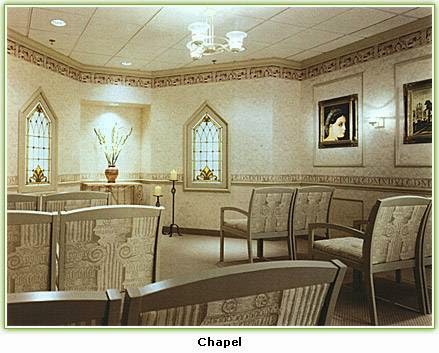
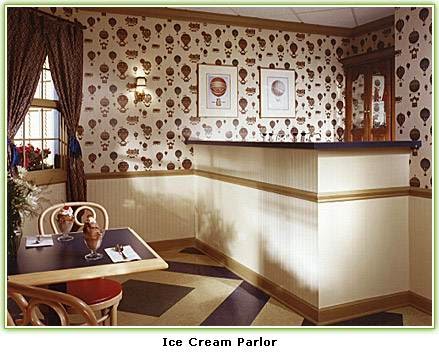
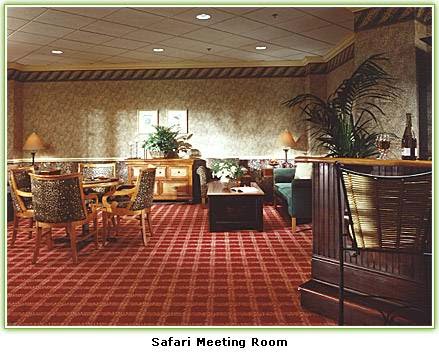
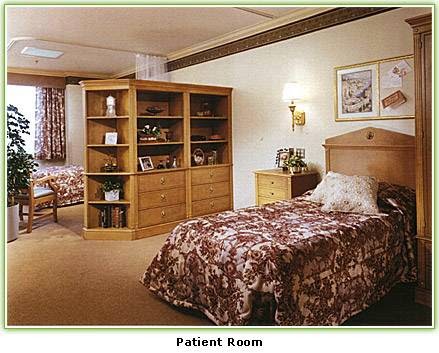
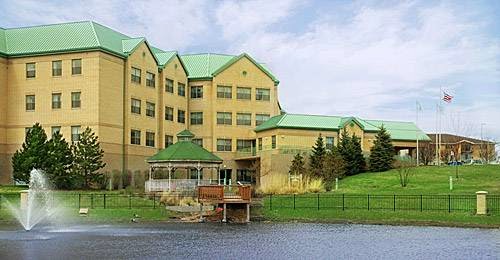
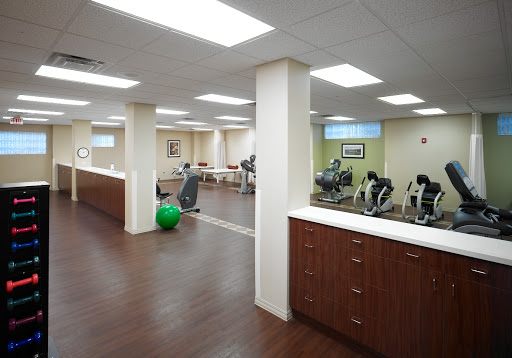
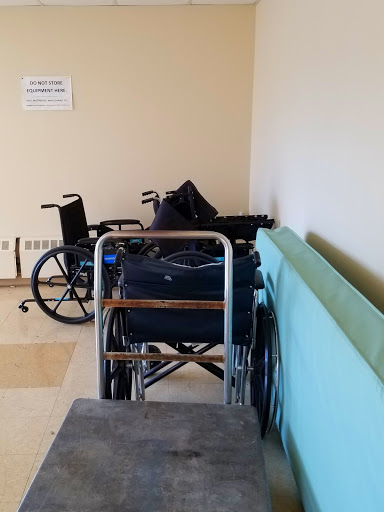
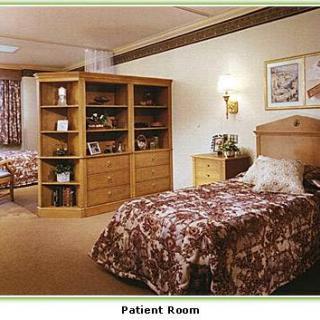
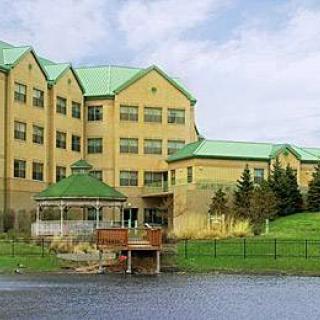
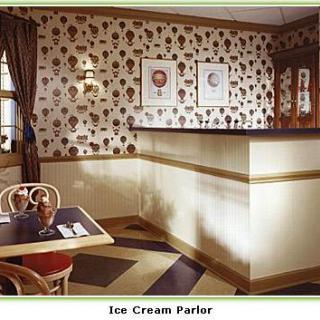
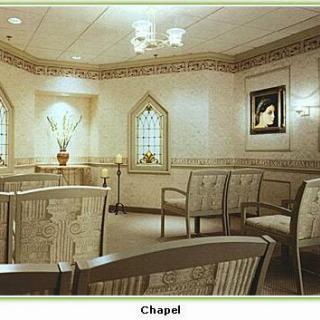
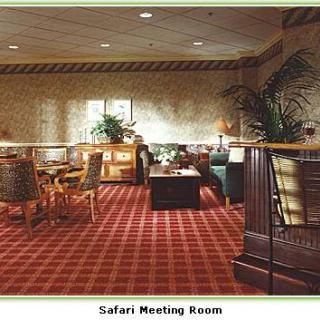
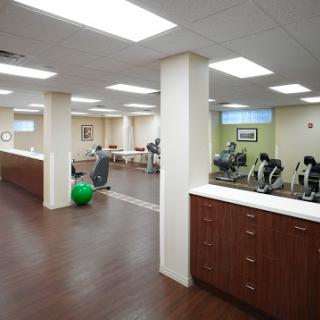
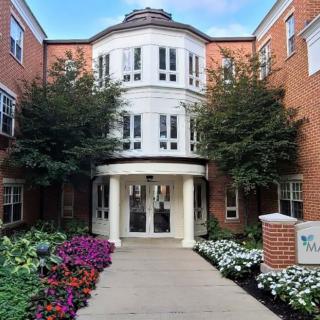
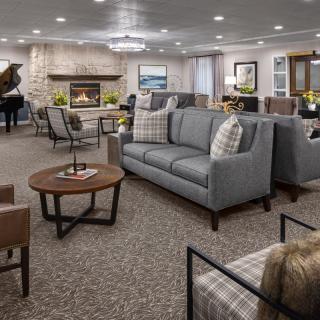
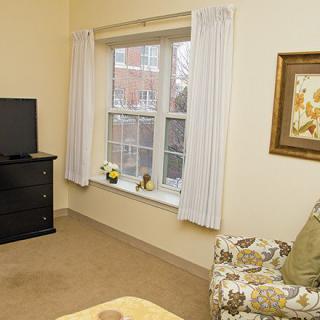
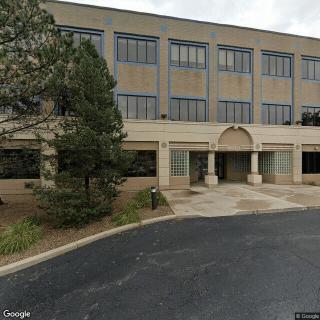
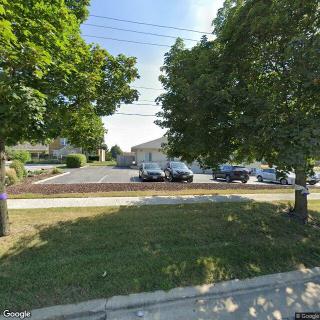
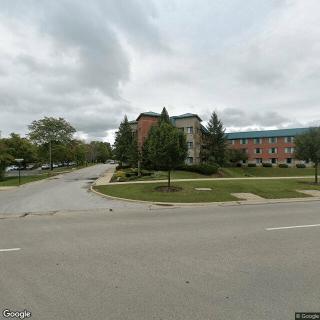
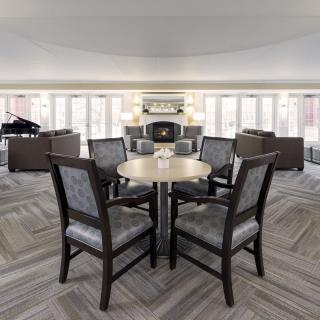
Alden Orland Park and Rehabilitation on seniors.fyi includes 11 photos including images showing interior, decor, nature, bedroom, building, architecture, chapel, exterior, and more.
Nearby Communities
Alden Estates Of Orland Park
Orland Park, IL
2.7 from 105 reviews
Comprehensive on-site amenities and care (dining, wellness, activities, transportation, and medication management).
Brookdale Orland Park
Orland Park, IL
4.3 from 168 reviews
$4,505 to $6,950 / month
Friendly, attentive staff with engaging activities in a clean, smaller community.
Advanced Elder Care, Inc.
Orland Park, IL
4.1 from 14 reviews
Convenient access to nearby pharmacies, physicians, restaurants, places of worship, theaters, and hospitals.
Synergy Home Care of Orland Park
Orland Park, IL
5 from 48 reviews
Exceptional, punctual in-home care with compassionate, well-trained staff.
BrightStar Care - Orland Park/Will County, IL
Orland Park, IL
3.9 from 15 reviews
Compassionate leadership with Alzheimer's expertise and adaptable, continuous care that addresses both medical and emotional needs.
Right at Home
Orland Park, IL
Comfortable, secure setting with easy access to nearby amenities.
Warren Bar of Orland Park
Orland Park, IL
3.4 from 123 reviews
$6,480 to $7,440 / month
Compassionate, dedicated staff delivering attentive rehab and daily care.
Lexington Of Orland Park
Orland Park, IL
3.4 from 119 reviews
Extensive amenities and 24/7 care support.
Hanover Place
Tinley Park, IL
4 from 108 reviews
$2,015 to $2,359 / month
Warm atmosphere with friendly staff, spacious apartments, and engaging activities.
The article highlights the high risk of falls among older adults due to factors like muscle weakness, vision issues, and environmental hazards, with one in four experiencing a fall annually. It advocates for a comprehensive prevention approach that includes exercise, home safety modifications, medication management, social support, and caregiver involvement.
Elder law attorneys assist older adults and their families with legal matters such as estate planning, Medicaid eligibility, and guardianships, while also providing protection against elder abuse. They help navigate complex regulations to safeguard financial resources, ensure well-being, and maintain autonomy for seniors.
Caregiving for an aging parent entails emotional and financial responsibilities accompanied by significant tax implications, including potential benefits from claiming them as dependents and deductions for medical expenses and caregiving costs. Caregivers must understand eligibility requirements, maintain thorough documentation, and consider consulting a tax professional to navigate these complexities effectively.
Landscaping, Building, Architecture, Exterior, Gazebo, and Water
Lighting, Waiting Area, and Chapel
Seating Area and Meeting Room
Outdoors and Lake
Exercise Equipment, Rehabilitation, Physical Therapy, and Exercise
Nature
Healthcare
Additional Photos
Get PricingAsk A QuestionSchedule A TourContact Senior Advisor
By clicking submit, you agree to our Partner's Terms of Use. You
also consent to receive calls and texts, which may be autodialed, from our Partner. Your consent is not a condition to
using our Partner's service. Please visit our Partner's Privacy Policy for information about their privacy practices.






 Skilled Nursing Facility
 Private
 Chicago Midway (14 miles away)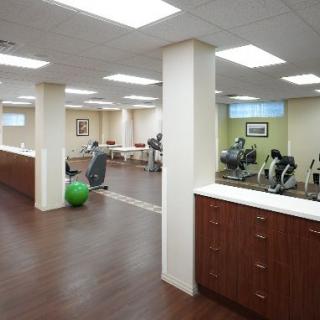
 Comprehensive on-site amenities and care (dining, wellness, activities, transportation, and medication management).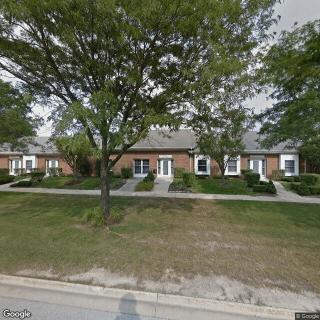

 Comprehensive Insights and Practical Strategies to Help Older Adults Avoid Falls
 6 Crucial Ways an Elder Law Attorney Assists Families
 Navigating the Tax Landscape of Caregiving: Credits, Deductions, and Beyond