

444 W Harrison Ave, Decatur, IL 62526
To contact a resident: (217) 877-7333
For more information about senior living options: (866) 208-4318
Overall Review of Manor Care Health Svc
Pros
 The home has great potential and some loving staff.
- The rehab team works daily with residents to keep them strong and prepare them for home.
- The facility is clean and friendly.
- The staff are caring.
- Some families view Heartland as a great choice for rehabilitation.
- With stronger leadership, the home could turn around and improve.
Cons
 Reviewers say Heartland lacks adequate communication between medical staff and advocacy for patient needs, which allegedly endangered a grandparent’s health during rehabilitation.
- They describe Heartland’s leadership as weak and in need of improvement.
- The nursing department is portrayed as struggling due to staffing shortages, causing delays in care, medications, and therapies.
- The facility is criticized for poor responsiveness, including prolonged phone holds and staff not regularly checking on patients.
- There are reports of missed medications and delayed breathing treatments for a patient with pneumonia.
- Food service is described as inadequate, with residents sometimes dependent on family members to provide meals.
- Testing and results are questioned, with routine tests reportedly not completed promptly and unclear communication about results.
- There is concern that residents, including those with Alzheimer's, do not receive round-the-clock care and that more continuous nursing is needed.
Review
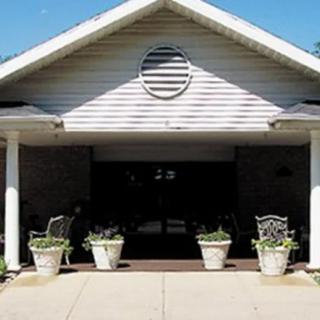
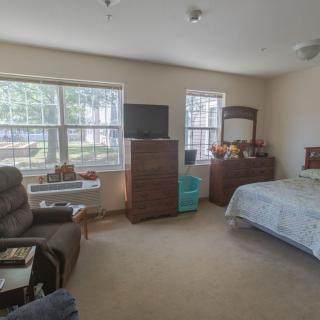
Manor Care Health Services in Decatur is best suited for families pursuing short- to mid-term rehabilitation with a strong expectation that progress can be made toward returning home, so long as substantial family involvement remains in play to shore up care gaps. The community can deliver a clean, orderly environment and a rehab-focused team that appears to engage residents daily. This is not the spot for someone who requires unwavering nursing advocacy or year-round medical oversight; those needs demand alternatives with deeper staffing resources and more consistent leadership.
Those weighing alternatives should note who may be better served elsewhere. Families needing reliable medication management, timely breathing treatments, and immediate nurse response will want to look at other options with higher nursing ratios and stronger daily oversight. If a facility’s leadership turnover is frequent or if communication between departments is unclear, the risk of unresolved needs rises, an outcome no one wants for a medically complex resident. Cost considerations and the availability of around-the-clock nursing support should factor into the decision, especially if long-term care is contemplated.
On the positive side, reviewers consistently cite a clean facility and some caring staff, with several accounts highlighting a competent rehab team that works with patients every day and aims to stabilize function for discharge. There is also mention of an Alzheimer's wing and a generally supportive admissions process in at least parts of the facility. These strengths matter: a well-organized rehab program can drive meaningful progress and set the stage for a safer return home, which is a central goal for many families. When leadership aligns with these strengths, the overall experience can be serviceable.
Yet the negatives are persistent and hard to overlook. The dominant thread across multiple reviews is a systemic breakdown in communication and advocacy: medical staff not coordinating effectively, medications and breathing treatments delayed or mismanaged, and caregivers who seem slow to respond to calls or questions. Several families describe having to bring medications from home, trouble obtaining simple requests like milk at meals, and inconsistent attention to basic needs. There are also concerns about testing delays and a perception that clinical decisions are not communicated promptly. These issues undermine rehab gains and create an unsafe impression for families trying to balance hope with realism.
Practically, this means the decision hinges on risk tolerance and the ability to supervise care closely. Prospective residents should insist on concrete safeguards: a named nurse or care coordinator, daily rounds by a licensed clinician, and a formal care plan with measurable milestones and regular family updates. Ask for transparent staffing schedules, explicit handoff procedures between shifts, and a plan for managing medications and treatments without gaps. Before committing, visit at multiple times, request a tour of the rehab wing, and probe how the facility handles escalations if concerns arise. Documented assurances from leadership about ongoing quality improvements are essential.
In the end, Manor Care Health Services offers a viable rehab pathway in a clean, organized setting with a dedicated, if uneven, care team. However, the weight of reported communication failures and inconsistent nursing responsiveness makes it a cautionary choice for those who cannot be present to supervise care continually. The best-fit profile is a family able to actively monitor, advocate, and press for timely care, with a clear plan to transition home once goals are met. For anyone needing steady, proactive medical management and dependable daily care, stronger alternatives should be prioritized, while this facility remains a reasonable option to reconsider only after confirming leadership commitment to address the core gaps.
 Skilled Nursing Facility






 Weight Training for Seniors: Building Strength and Vitality
 Understanding the Sandwich Generation: Stress and Responsibilities for Multigenerational Caregivers
 8 Essential Assistive Devices for Older Adults