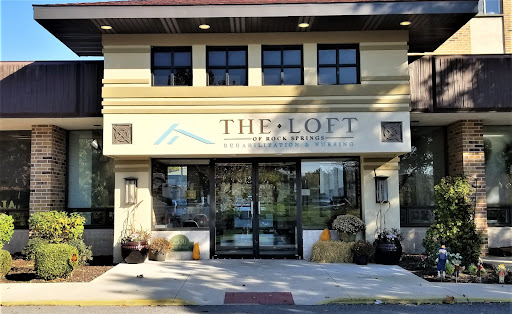
2530 North Monroe Street, Decatur, IL 62526
For more information about senior living options: (866) 208-4318
Overall Review of Generations At Mckinley Place
Pros
 They seem to take decent care of her.
- The staff seem nice and fairly knowledgeable.
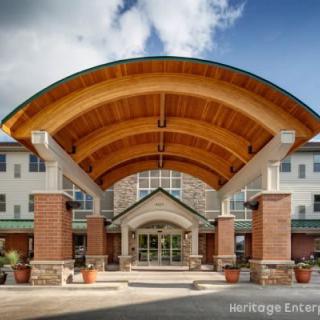
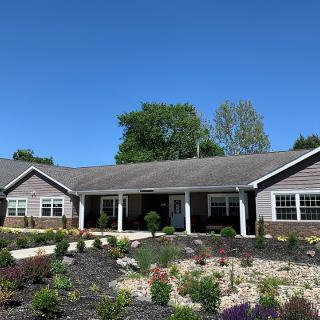
- The building looks nice on the outside.
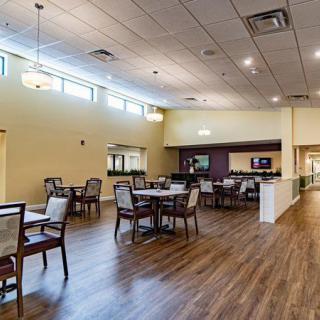
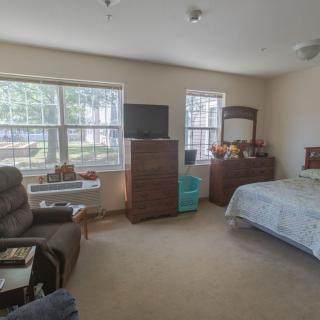
- The interior is clean.
- They offer activities on the dementia floor, including bingo and games.
- The facility presents a pleasant overall appearance.
Cons
 It is hard for them to get a hold of their mom at Prairie Creek Village.
- The staff often doesn’t answer the phone, which they disliked.
- Their mom is on the other side of the glass during visits, separating them.
- They cannot enter the facility to really look around.
- They think all nursing homes are overpriced.
Review
This community is best suited for families that prize a clean, professional environment with a dementia-capable floor and staff who come across as genuinely caring and capable, even when communication routines are imperfect. In Decatur’s market, the profile lines up with seniors who want reassurance that care is steady, that staff knowledge is reliable, and that a well-maintained building supports predictable daily life. The resident experience here leans toward structure, safety, and routine rather than constant, high-touch family involvement. For families accustomed to visible day-to-day updates or flexible visit policies, this setting can feel solid but reticent, so expectations should be managed from the outset.
Those who may want to consider alternatives are families that need easy, frequent access to their loved one and rapid responses to calls or questions. If open lines of communication and open visitor policies are non-negotiable, the type of friction described in a limited-visibility model will be a meaningful factor. Prospective residents who prioritize adaptability, transparent updates, and opportunities for spontaneous family interaction may find other options more aligned with their values. In short, this is a prudent fit for families who can work within a structured system rather than demanding constant, unrestricted access.
On the plus side, the facility described communicates a number of stabilizing advantages. The environment tends to be well-kept, with a clean interior and an inviting exterior, which supports comfort and a sense of dignity for residents. Staff are described as nice and fairly knowledgeable, a combination that tends to translate into dependable daily care and responsive assistance when needs arise. The presence of a dementia-focused floor with activities signals intentional programming tailored to cognitive challenges, and the overall scale, a tall, sizable building, often means multiple staff members are available across shifts.
The primary drawbacks center on accessibility and responsiveness. Communication gaps, phone calls not answered promptly and limited opportunities to interact with loved ones in real time, can leave families feeling out of the loop. The arrangement of meeting residents in the lobby through a glass barrier underscores a physical barrier to spontaneous visits and relationship-building with caregivers, which is critical to ongoing assessment and comfort. Activity programming, while present on the dementia floor, lacks explicit detail in the account, making it harder to gauge how robust or engaging the day-to-day offerings truly are. Price perceptions, even if not uniquely punitive, sit alongside these concerns, given the general sense that nursing-home costs are high.
How the positives offset the negatives depends on priorities and risk tolerance. The clean, well-maintained setting and the dependable staff help reduce day-to-day stress and support a predictable routine, which is especially valuable for residents who thrive on stability. Dementia-focused activities can mitigate isolation and provide meaningful engagement, potentially offsetting some frustration over limited visitability. Yet the communication and access gaps can erode confidence over time, particularly for families that rely on timely updates to adjust care plans or when a loved one’s condition shifts. Practical remedies exist, such as establishing a primary liaison, scheduling regular updates, and requesting a clear point of contact for immediate concerns, but these require proactive engagement from both sides.
For families choosing between Generations At Mckinley Place and nearby alternatives, the decision rests on whether predictable care and a polished setting trump the need for open, fluid family involvement. If the priority is steady care, dementia-capable programming, and a clean, orderly environment, this choice can be solid with the right communication framework in place. If, instead, the family’s bottom line is constant access, rapid phone responsiveness, and unimpeded in-person visits, this more measured model may merit exploring other communities first. The decisive steps are straightforward: arrange an in-person tour focused on interaction with the caregiving team, request a detailed activity calendar, confirm staffing ratios and turnover, and set up a clear plan for regular family updates that fits the resident’s needs and the family’s expectations.
 195 resident community capacity
 Skilled Nursing Facility
 Air-conditioning
 Beauty salon
 Cable or satellite TV
 Computer center
 Dining room
 Fitness room
 Fully furnished
 Gaming room
 Garden
 Housekeeping services
 Kitchenette
 Move-in coordination
 Outdoor space
 Private bathrooms
 Restaurant-style dining
 Small library
 Telephone
 Wellness center
 Wi-Fi/high-speed internet available
 Community operated transportation
 12-16 hour nursing
 24-hour call system
 Activities of daily living assistance
 Assistance with bathing
 Assistance with dressing
 Assistance with transfers
 Diabetes diet
 Medication management
 Mental wellness program
 Special dietary restrictions
 Concierge services
 Planned day trips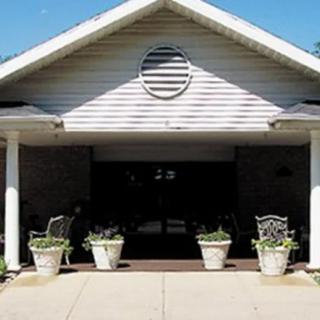



 Exploring the World of Home Health Nurses: Qualifications, Roles, and Hiring Tips
 Navigating Medicare Coverage for In-Home Care Services
 In-Home Care Costs in 2025: A Detailed State-by-State Exploration