

500 West Mckinley Avenue, Decatur, IL 62526
For more information about senior living options: (866) 208-4318
Overall Review of Generations At Mckinley Court
Pros
 The staff was wonderful.
 - They treated residents like adults and with a lot of respect.
- The facility was very clean and well maintained.
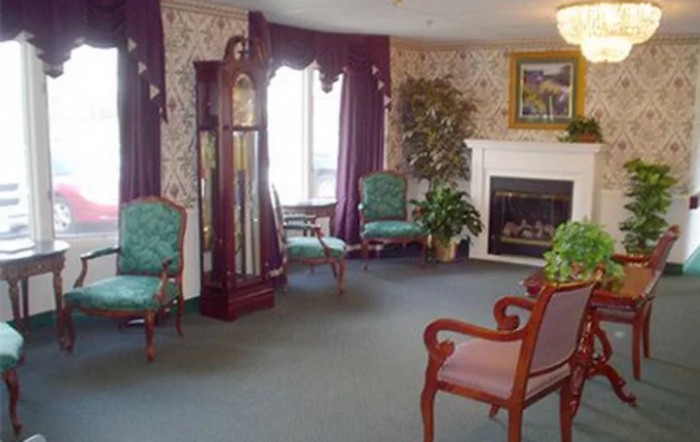
- It was a lovely place with a positive, friendly atmosphere.
- The staff worked well together to assist patients, even during mobility assistance.
- The food was usually very good.
Cons
 There were too many carbohydrates in the meals for the reviewer’s liking.
- The reviewer did not consider peas, corn, and carrots to be good vegetables because they’re full of carbohydrates.
- The reviewer felt there wasn’t enough coffee and there were no seconds unless going to the dining room.
- The staff were overworked and there were not enough workers to handle the demand.
Review
Generations At Mckinley Court is best suited for seniors who are navigating short-term rehabilitation needs and want a care environment that feels respectful, adult-centered, and practically run. The community works best for residents who value clean, well-maintained spaces, dependable daily housekeeping, and therapy teams that treat people with dignity rather than infantilizing them. Its proximity to Decatur’s hospital corridor and local amenities adds a practical appeal for families seeking ease of visiting and convenient access to medical services. In short, this is a solid fit for those prioritizing quality therapy, a courteous atmosphere, and a home-like setting over flashier programming or high-end amenities.
Those who should consider alternatives include families seeking robust 24/7 personal care with very high staffing ratios, or residents who require intensive, around-the-clock supervision for complex daily living tasks. The recollections note that staff can be overextended by workload pressures, which can temper responsiveness at times. For families needing consistently proactive assistance with ADLs, or for residents who want a more dynamic, youthfully energetic activity calendar, other communities with stronger staffing guarantees may deliver more peace of mind. Additionally, those who want a diet with fewer carbohydrate-heavy options may prefer facilities with more tailored meal customization.
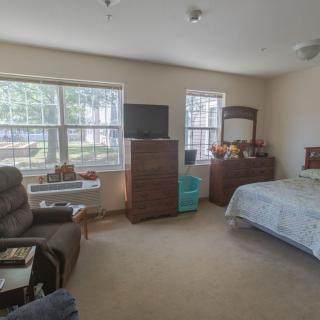
The strongest advantages center on the human touch and the practical conveniences. The therapy team is described as wonderful and respectful, avoiding infantilization and engaging residents with encouragement and humor. Cleanliness is repeatedly highlighted, with daily room care and thorough turnover after departures. Residents benefit from a stable routine, including reliable meal service that delivers breakfast quality and a sense of normalcy, plus on-site amenities like a beauty shop and a small shop where treats can be purchased with preloaded funds. The location, across from the hospital and adjacent to other community amenities, adds reassurance for families and a smoother overall care journey when medical needs surface during rehabilitation.
However, the care ecosystem faces real constraints that families should weigh carefully. Staffing pressures mean aides may be stretched thin, which can translate into slower assistance with daily needs or bathroom assistance when fatigue sets in. That pressure point matters most for residents who require frequent hands-on help or rapid response to calls. Meal variety can be good, yet there is a tendency toward carbohydrate-forward options, which might not align with every resident’s dietary goals. The ambience can feel comfortable and home-like, but it may also feel like a traditional nursing home environment to some, lacking the snappier pace or broader programmatic diversity found in higher-end senior living campuses.
For families weighing choices, consider how these dynamics align with the resident’s rehabilitation trajectory and independence goals. If principal needs center on effective, respectful therapy in a clean, supportive setting, and proximity to medical care, that combination often offsets the staffing caveats. If, instead, daily personal care demands are high or a more varied, wellness-forward schedule is non-negotiable, alternatives with stronger staffing guarantees and more expansive activity programming warrant serious consideration. The key is aligning expectations: a good rehab-focused home can deliver comfort, dignity, and progress, but it requires acknowledging where staffing realities may shape day-to-day responsiveness.
Practical next steps are essential. Arrange a guided tour to gauge how staff interact with residents during routine activities and to observe the cadence of therapy sessions. Ask for current staffing ratios by shift and request real-world examples of response times for assistance. Review the kitchen menu and meal customization options, and confirm whether dietary preferences can be accommodated without compromising protein or fiber goals. Inquire about the availability of private dining spaces for family gatherings and the breadth of on-site amenities beyond beauty and convenience stores. Finally, speak with a few residents and family members about their experiences, and request a trial period or a clear move-in plan that addresses how long therapy typically lasts and what success looks like for the resident’s specific goals.
 150 resident community capacity
 Skilled Nursing Facility
 Air-conditioning
 Beauty salon
 Cable or satellite TV
 Computer center
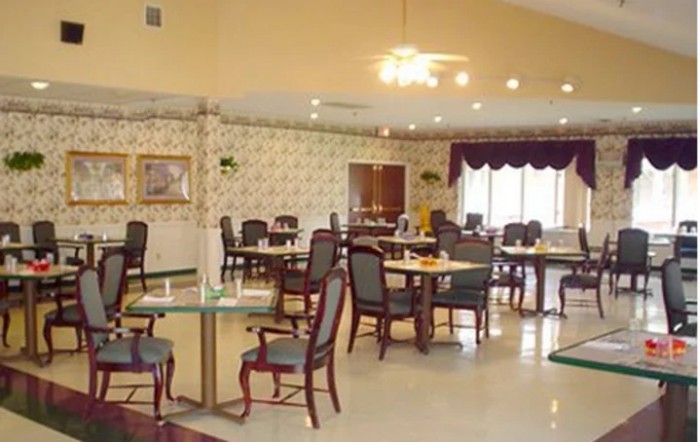
 Dining room
 Fitness room
 Fully furnished
 Gaming room
 Garden
 Housekeeping services
 Kitchenette
 Move-in coordination
 Outdoor space
 Private bathrooms
 Restaurant-style dining
 Small library
 Telephone
 Wellness center
 Wi-Fi/high-speed internet available
 Community operated transportation
 12-16 hour nursing
 24-hour call system
 Activities of daily living assistance
 Assistance with bathing
 Assistance with dressing
 Assistance with transfers
 Diabetes diet
 Medication management
 Mental wellness program
 Special dietary restrictions
 Concierge services
 Planned day trips







 Top Canine Companions for Older Adults
 Comprehensive Guide to Blood Pressure Charts for Older Adults: Understanding Normal and High Readings by Age
 Financing Long-Term Nursing Home Care Through Social Security: A Thorough Exploration