Hickory Point Christian Village

Save

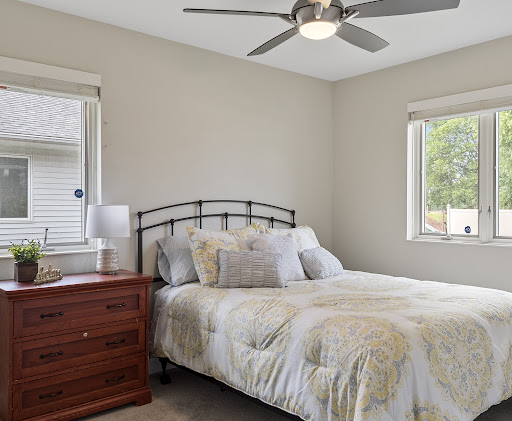
  • Interior

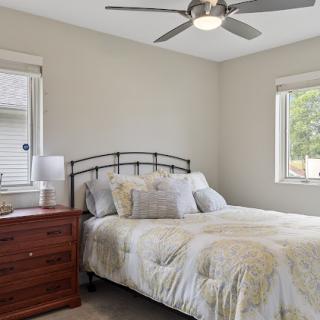
    A cozy and inviting bedroom featuring a comfortable bed, stylish nightstand, and ample natural light.
  • Outdoors

    A peaceful garden scene with a pergola and a bench surrounded by lush greenery and colorful flowers.
  • Decor

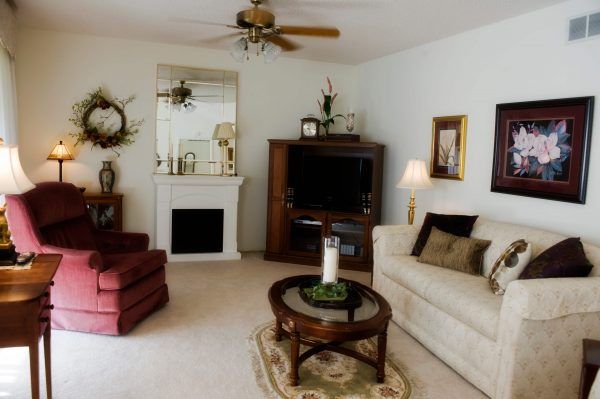
    A cozy living room with a fireplace, sofa, and television.
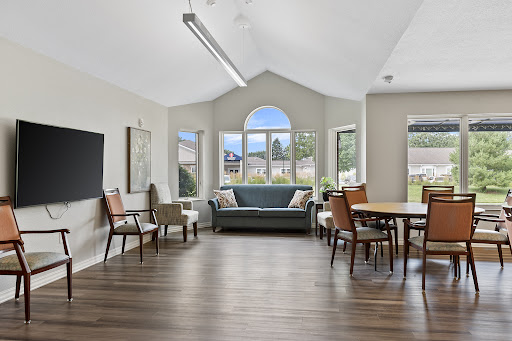
  • Living Room

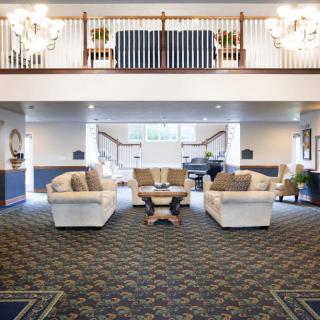
    A bright and airy living space featuring comfortable seating, large windows, and a modern aesthetic.
  • Building

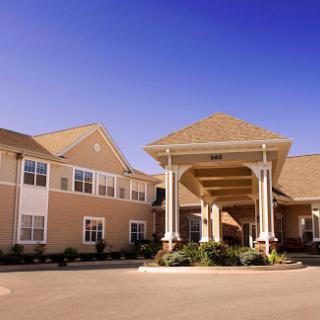
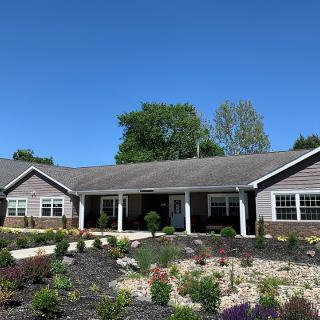
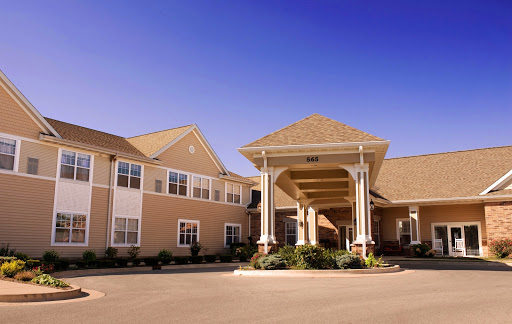
    A welcoming entrance to a residential building under a clear blue sky.
  • Architecture

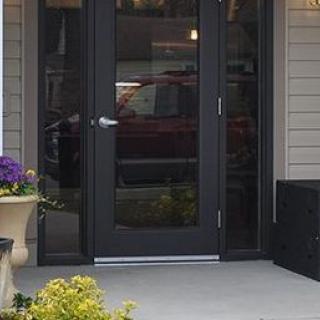
    A welcoming front entrance with a glass-paneled door and potted plants.
  • Trees

    A cozy house with a porch surrounded by lush greenery and trees.
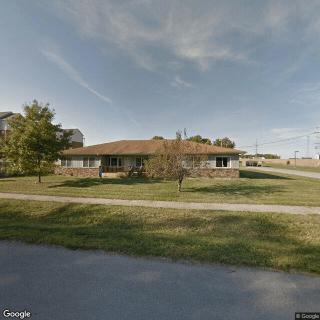
  • Windows

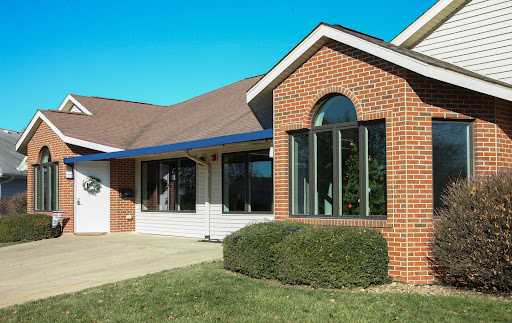
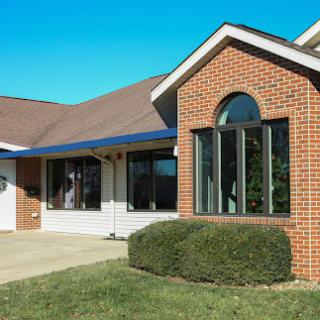
    A charming brick house with large windows and a well-maintained front yard.
  • Dining

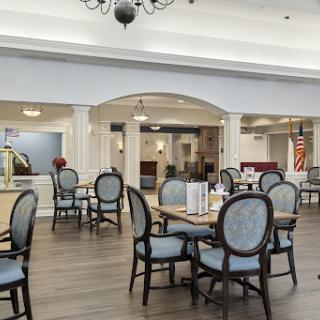
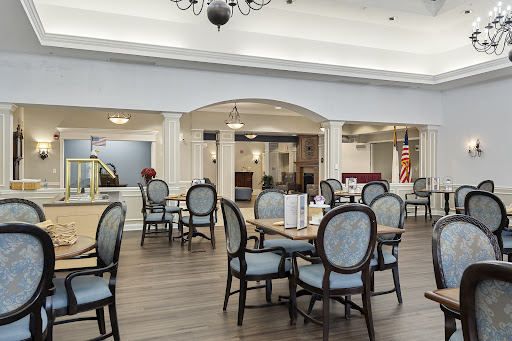
    An elegant dining area designed for a senior community, featuring comfortable seating and a welcoming atmosphere.
  • Kitchen

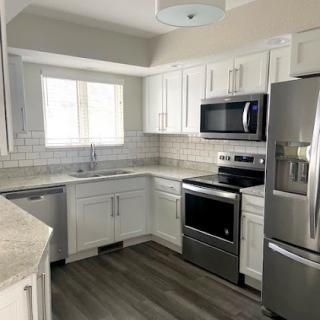
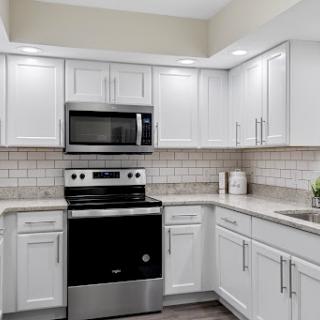
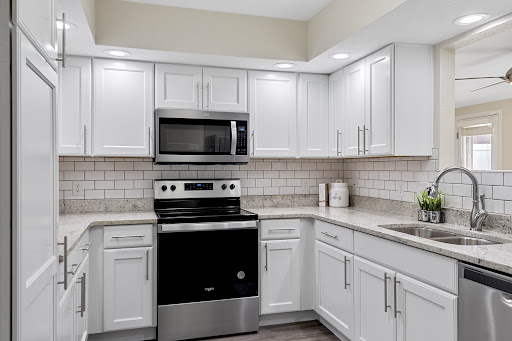
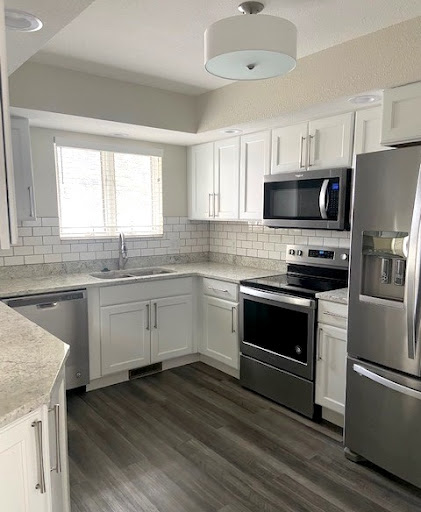
    A newly renovated modern kitchen featuring white cabinets, stainless steel appliances, and ample natural light.
  • Fireplace

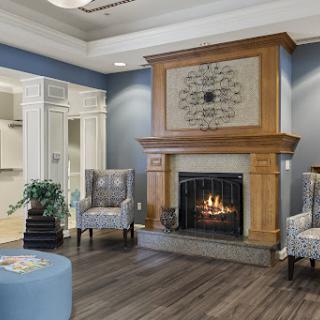
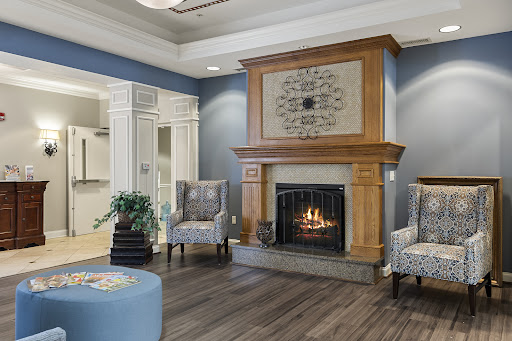
    A cozy living room featuring a warm fireplace, stylish blue walls, and comfortable seating arrangements.
  • Outdoor

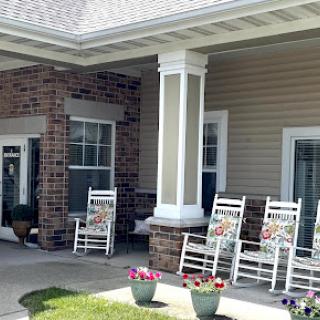
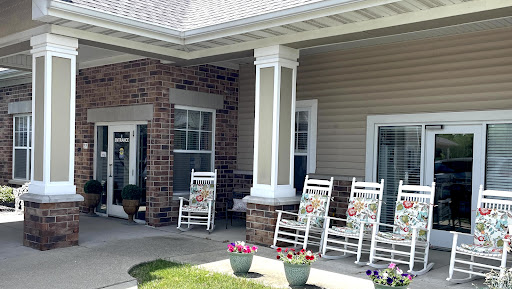
    A serene outdoor porch featuring rocking chairs and potted flowers, perfect for relaxation.
  • Appliances

    A modern kitchen featuring sleek white cabinets and stainless steel appliances, perfect for both functionality and style.
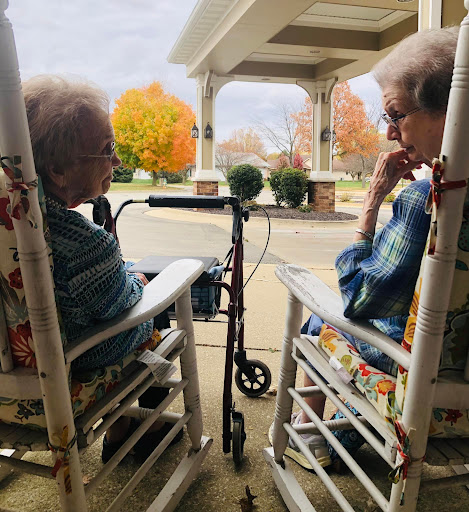
  • Rocking Chairs

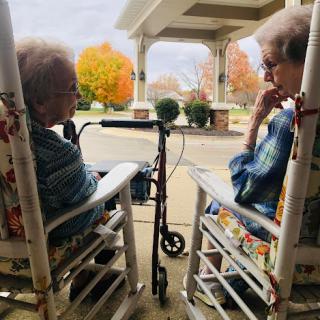
    Two elderly women enjoying a peaceful moment together on a porch during autumn.

Hickory Point Christian Village

565 West Marion Avenue, Forsyth, IL 62535

For more information about senior living options: (844) 490-3973

4.1 from 40 reviews
5 stars
27
4 stars
4
3 stars
1
2 stars
1
1 stars
7

Assisted Living Continuing Care Retirement Community (CCRC) Hospice Agency Independent Living Memory Care Respite Care Skilled Nursing Facility

Overall Review of Hickory Point Christian Village

Pros

  • pro The community is beautiful, clean and very home like.
  • pro The staff are knowledgeable, welcoming and kind.
  • pro Katrina is an extremely helpful/cheerful worker.
  • pro The rehab department is amazing!
  • pro This facility was absolutely wonderful with my aunt.
  • pro CNAs were so caring and the nurses so kind and knowledgeable.
  • pro The admissions person Allison has been wonderful to work with.
  • pro Jamie is extremely helpful and compassionate.
  • pro Hickory Point Christian Village is beneficial as an all around diverse senior living community.

Cons

  • pro The care gradually worsened, and the administration seemed to address concerns only on the surface without making real improvements for residents.
  • pro The meals were dreadful and not fit for consumption, leading to significant weight loss and hospital visits.
  • pro Residents were not moved in bed as ordered (every two hours), with constant infections and bedsores and equipment that didn't work.
  • pro A large portion of staff remained at the nurses' station, causing call lights to ring for up to an hour and delaying care.
  • pro Medication management was severely mishandled, with missing medicines and narcotics given to the wrong patients or used by staff.
  • pro Since being bought by Arcadia, the facility allegedly declined in quality, with insufficient staffing (often only one CNA per hall) and slow responses to needs.
  • pro Rehabilitation and physical therapy were shortened or discontinued, with sessions far below the stated 30 minutes.
  • pro Complaints to leadership did not lead to improvements, and concerns about care seemed to be ignored.
  • pro There were allegations that the facility kept residents longer than medically necessary to maximize Medicare or insurance payments.

Review

These reviews paint a picture of a senior-care community whose quality of care appears to swing widely depending on who is working there and how the management team is functioning at any given time. On one hand, families describe heartbreaking declines in care, serious lapses in basic needs, and troubling accusations about medications and response times. On the other hand, others recount clean facilities, attentive staff, thoughtful therapies, and a sense of warmth and community that makes them confident in recommending the place. Taken together, the narratives reveal a facility that can be deeply compassionate and effective for some residents while failing to meet basic expectations for others.

Several accounts begin with a harsh, very personal experience. A father entered the facility after a heart attack that left him unable to walk, with a prognosis and prognosis-related expectations that he would not be able to return home alone. The family describes a months-long slide in care quality: meals that were inadequate, leading to weight loss and hospitalizations, beds not moved as ordered, infections and bedsores, and a general sense that necessary appointments and therapies were delayed or insufficient. They report that the facility's leadership and day-to-day responsiveness deteriorated as time passed, even noting a dramatic improvement after transferring him to a different, reportedly better-equipped center. In that move, the improvements were quantified in measurable gains - his walking increased from a few dozen steps to hundreds, and conversations about moving to assisted living or going home became more realistic. Yet financial fallout remained unresolved, with money left in his account not yet refunded and a blunt message from a staff member about being too busy to respond.

Alongside these deeply negative stories are reviews that highlight consistent, serious concerns about operations and patient safety. Several reviewers allege systemic issues, including incorrect medication administration, narcotics being tied to the wrong patients, and even instances of medications being misused by staff. They describe long call-light delays, with staff frequently behind the nurses' station and slow to attend to residents, which in turn is linked to recurring infections and incontinence issues. There are mentions of understaffing, with agency staff filling shifts and not always being aligned with the residents' care needs or preferences. The reviews also touch on administrative friction - state survey results being passed despite troubling lapses, and reports that complaints to leadership, the director of nursing, or administration did not yield meaningful changes. The tone in these accounts is urgent and cautionary: potential families are urged to proceed carefully, verify all details, and consider alternative placements unless a change in leadership and practices proves otherwise.

Amid the concerns, there are equally persistent threads of praise for individuals, teams, and certain aspects of the community. Several reviewers highlight caring and capable CNAs, dietary staff, and occupational or physical therapists as bright spots, often noting that those particular team members provided genuine compassion and helpful progress in rehabilitation. Some families emphasize a bright, home-like environment, clean facilities, and a sense of Christian values and community. The therapy department is repeatedly singled out as excellent in some testimonies, with phrases like "amazing rehab department" and recognition that therapists helped residents regain mobility and confidence quickly. The admissions process, in particular, is praised by a few families who found staff like Allison to be kind, responsive, and supportive, and tours or private conversations with staff such as Jamie are described as reassuring and informative.

Another layer of the discussion concerns the facility's transition and branding under new ownership. A recurring theme is that the quality of care and the overall atmosphere shifted after the facility was acquired by Arcadia. Some reviewers credit Arcadia with a renewed willingness to help and a deeper understanding of aging, suggesting that the organization's philosophy improved resident experiences. Others recall a stark contrast: a facility once praised for its warmth and efficiency that "went downhill" after the buyout, with new management's promises not translating into sustained improvements for many residents. The juxtaposition creates a nuanced, uncertain portrait of how ownership changes can impact day-to-day care, staffing priorities, and the resident experience.

A number of reviewers center their reflections on HPCV (Hickory Point Christian Village) and the broader senior-living ecosystem around it. A portion of commenters lauds HPCV for its beauty, cleanliness, and home-like feel, complemented by residents' and family members' compliments about the care provided by nursing staff and therapists in favorable conditions. Positive anecdotes frequently mention the memory-care unit, events for residents, and the sense of community fostered by a dedicated staff. Visitors also point to the Independent Living options and the proactive admissions process as appealing features, with some recommending specific staff members - like Jamie or Allison - for their responsiveness and kindness. The sentiment here is that when the facility operates smoothly and the staff align with the residents' needs, HPCV can offer a hopeful, well-rounded living experience.

Taken together, the collection of reviews underscores a clear truth: experiences at this facility are highly variable. For some families, the care is characterized by compassionate frontline workers - nurses, CNAs, therapists, and dietary staff - who, despite constraints, make a meaningful difference in daily life and recovery. For others, the same setting feels dangerously mishandled, with concerns about meals, infections, bedsores, medication safety, and administrative responsiveness overshadowing any potential positives. For prospective residents and their families, the message is to look beyond glossy appearances or an individual tale and to seek out current, concrete details: staffing ratios on specific shifts, the consistency of therapy schedules and session lengths, the process for handling medications and narcotics, and, crucially, a clear plan for financial matters like refunds or accounts in credit. The path to a confident choice seems to lie in asking hard questions, requesting up-to-date state-survey information, and arranging thorough visits that allow families to see the care culture in action, as well as the facility's leadership responsiveness in real time.

Features

Housing

  • 48 resident community capacity 48 resident community capacity

Types of Care

  • Assisted Living Assisted LivingAssisted living facilities provide crucial support and care for seniors who may need help with daily tasks such as medication management, bathing, and meal preparation. These communities offer a safe and comfortable environment where seniors can maintain their independence while receiving the assistance they need to thrive in their golden years.
  • Continuing Care Retirement Community (CCRC) Continuing Care Retirement Community (CCRC)Continuing Care Retirement Communities (CCRCs) are important for seniors because they provide a range of housing options and care services all in one location. This allows seniors to age in place and receive the level of care they need as their health changes, without having to move to a new facility. CCRCs provide a sense of security and peace of mind for seniors and their families, knowing that they will be taken care of no matter what the future holds.
  • Hospice Agency Hospice AgencyHospice agencies provide compassionate end-of-life care and support for seniors, helping them maintain dignity and quality of life during their final days. They offer specialized medical services, emotional support, and comfort to both the senior and their loved ones. Having access to a hospice agency can greatly improve the overall well-being of seniors as they navigate this difficult transition.
  • Independent Living Independent LivingIndependent living communities are important for seniors because they offer a safe and supportive environment where older adults can live independently while still having access to amenities and services that enhance their quality of life. These communities provide social opportunities, recreational activities, and assistance with daily tasks, promoting overall well-being and allowing seniors to maintain their independence for as long as possible.
  • Memory Care Memory CareMemory care is crucial for seniors as it provides specialized support and services for individuals with dementia or Alzheimer's disease. These programs offer a safe and secure environment where residents receive personalized care, cognitive stimulation, and help with daily activities. Memory care helps seniors maintain their independence, quality of life, and dignity while also providing peace of mind for their families.
  • Respite Care Respite CareRespite care provides temporary relief for caregivers, allowing them to recharge and attend to their own needs. It also gives seniors the opportunity to socialize, receive professional care, and experience a change of scenery, promoting overall well-being and reducing feelings of isolation.
  • Skilled Nursing Facility Skilled Nursing FacilitySkilled Nursing Facilities are crucial for seniors as they provide round-the-clock medical care, rehabilitation services, and assistance with daily activities. These facilities ensure that seniors receive the specialized care they need to maintain their health and well-being as they age.

Amenities

  • Activities on-site Activities on-siteActivities on-site are important for seniors because they provide opportunities for socialization, mental stimulation, physical activity, and overall well-being. Engaging in activities can help seniors stay active, maintain their independence, and improve their quality of life.
  • Beauty salon Beauty salonBeauty salons are important for seniors because they provide a space for them to feel pampered, socialize, and maintain their personal grooming and hygiene. Regular visits to a beauty salon can help boost seniors' self-esteem and overall well-being.
  • Cable or satellite TV Cable or satellite TVCable or satellite TV is important for seniors because it provides entertainment, news, and companionship, helping to combat loneliness and boredom. It also offers a wide range of programming options tailored to different interests and preferences.
  • Devotional services off-site Devotional services off-siteDevotional services off-site are important for seniors as they provide spiritual nourishment, social engagement, and a sense of community outside of the senior living facility. This can enhance overall well-being and help combat feelings of isolation and loneliness often experienced by older adults.
  • Dining room Dining roomDining rooms are important for seniors as they provide a space for socialization, connection, and nutritious meals. They offer opportunities for residents to bond over shared meals, foster a sense of community, and promote healthy eating habits. Dining rooms also ensure that seniors have access to well-balanced meals tailored to their dietary needs and preferences.
  • Fully furnished Fully furnishedFully furnished senior living communities are important for seniors because they provide convenience, comfort, and a hassle-free moving experience. Seniors can easily settle into their new living space without the stress of having to buy and move furniture. This allows them to focus on enjoying their new home and community.
  • Garden GardenGardens are important for seniors as they provide a peaceful and therapeutic environment for relaxation, physical activity, and socialization. Being in nature has been shown to reduce stress, improve mood, and promote overall well-being. Gardens also offer opportunities for seniors to engage in gardening activities, which can improve mobility, flexibility, and cognitive function. Additionally, gardens create a sense of community and connection with others who share a passion for plants and outdoor spaces.
  • Housekeeping services Housekeeping servicesHousekeeping services are important for seniors because they help maintain a clean and safe living environment, promote independence, and reduce the risk of accidents or illnesses. Additionally, having assistance with household chores can alleviate physical strain and allow seniors to focus on other aspects of their well-being.
  • Indoor common areas Indoor common areasIndoor common areas are crucial for seniors as they provide a space for socialization, recreation, and community engagement, promoting overall well-being and reducing feelings of isolation and loneliness.
  • Kitchenette KitchenetteKitchenettes are important for seniors living in senior living communities because they provide the convenience and independence of being able to prepare simple meals and snacks in the comfort of their own living space. This can help promote a sense of autonomy and well-being for seniors, allowing them to maintain some level of control over their dietary choices and daily routines.
  • Move-in coordination Move-in coordinationMove-in coordination is important for seniors because it helps ease the transition into their new living environment. It ensures that all logistics, such as packing, organizing movers, and setting up utilities are taken care of, allowing seniors to focus on settling in and adjusting to their new home. Having a smooth move-in process can alleviate stress and anxiety, making the transition smoother and more enjoyable for seniors.
  • Outdoor space Outdoor spaceOutdoor spaces are important for seniors as they provide opportunities for physical activity, social interaction, exposure to natural light and fresh air, and a sense of connection to nature. Having access to outdoor spaces can improve overall well-being and quality of life for older adults living in senior communities.
  • Restaurant-style dining Restaurant-style diningRestaurant-style dining is important for seniors because it allows them to enjoy delicious, nutritious meals in a social and upscale setting. This enhances their dining experience, promotes healthy eating habits, and fosters socialization with fellow residents, ultimately contributing to their overall well-being and quality of life.
  • Small library Small librarySmall libraries are important for seniors as they provide access to a variety of reading materials, including books, newspapers, and magazines. This can help stimulate their minds, keep them engaged, and provide a sense of community through book clubs and other social activities. Additionally, reading has been shown to improve cognitive function and overall mental well-being in older adults.
  • Telephone TelephoneTelephones are important for seniors as they provide a lifeline for communication with loved ones, emergency services, and healthcare providers. They offer a sense of security and independence, enabling seniors to stay connected and access assistance when needed.
  • Wi-Fi/high-speed internet available Wi-Fi/high-speed internet availableWi-Fi/high-speed internet is important for seniors to stay connected with loved ones, access online resources, and participate in virtual activities to combat feelings of loneliness and isolation. It also allows them to easily manage healthcare needs, access entertainment, and engage in lifelong learning opportunities.

Care Services

  • 24-hour call system 24-hour call system24-hour call systems are important for seniors because they provide peace of mind and immediate assistance in case of emergencies. This technology ensures that help is always available, promoting safety and security for elderly individuals living alone or in assisted living facilities.
  • 24-hour supervision 24-hour supervision24-hour supervision is important for seniors to ensure their safety, well-being, and access to immediate assistance in case of emergencies or health issues. This constant support provides peace of mind for both seniors and their loved ones, allowing them to age in place with dignity and security.
  • Activities of daily living assistance Activities of daily living assistanceActivities of daily living assistance are important for seniors because they provide essential support with tasks such as eating, bathing, dressing, and mobility. This assistance helps seniors maintain their independence, dignity, and overall quality of life as they age.
  • Ambulatory care Ambulatory care"Ambulatory care services provide essential medical support and treatment to seniors without requiring hospitalization, allowing them to maintain their independence and quality of life while managing chronic conditions or receiving routine medical care."
  • Assistance with bathing Assistance with bathingAssistance with bathing is crucial for seniors as it helps maintain personal hygiene, prevents infections, and ensures their overall well-being and comfort. It also provides a sense of dignity and independence for seniors who may struggle with this task on their own.
  • Assistance with dressing Assistance with dressingAssistance with dressing is important for seniors because it helps maintain their independence, promotes personal hygiene, prevents accidents and injuries, and improves overall quality of life. This service ensures that seniors can continue to dress comfortably and confidently, despite any physical limitations they may have.
  • Assistance with transfers Assistance with transfersAssistance with transfers is crucial for seniors as it helps prevent falls and injuries, maintains their independence, and ensures they can safely navigate their living environment. It also provides peace of mind for both seniors and their loved ones.
  • Diabetes diet Diabetes dietA diabetes diet is crucial for seniors as it helps manage blood sugar levels, reduce risks of complications, and improve overall health and well-being. By following a balanced and nutritious diet tailored to their specific needs, seniors can better control their diabetes and enhance their quality of life.
  • Diabetic care Diabetic careDiabetic care is crucial for seniors as they are more susceptible to developing diabetes due to aging and other health conditions. Proper management of diabetes can help prevent complications such as heart disease, vision loss, and nerve damage, improving the overall quality of life for seniors in senior living communities.
  • Meal preparation and service Meal preparation and serviceMeal preparation and service are crucial for seniors as they may have limited mobility or energy to cook nutritious meals. Having access to healthy and convenient food options can ensure they are getting the proper nutrition needed to maintain their overall health and well-being.
  • Medication management Medication managementMedication management is crucial for seniors to ensure they are taking the right medications at the correct dosages and times. This helps prevent adverse drug interactions, reduces the risk of medication errors, and promotes overall health and well-being. Proactive management also allows for adjustments as needed based on changing health conditions or new prescriptions.
  • Mental wellness program Mental wellness programMental wellness programs are essential for seniors as they promote cognitive stimulation, emotional support, and social engagement. These programs help prevent isolation, depression, and cognitive decline, ultimately enhancing the overall quality of life for older adults.
  • Special dietary restrictions Special dietary restrictionsSpecial dietary restrictions are important for seniors because age-related changes in metabolism and health conditions can make it difficult for their bodies to process certain foods. By following a diet tailored to their specific needs, seniors can maintain their overall health and well-being, manage chronic conditions, and reduce the risk of complications such as malnutrition or food interactions with medications.
Dining

  • Diabetes diet Diabetes dietA diabetes diet is crucial for seniors as it helps manage blood sugar levels, reduce risks of complications, and improve overall health and well-being. By following a balanced and nutritious diet tailored to their specific needs, seniors can better control their diabetes and enhance their quality of life.
  • Meals provided Meals provided"Meals provided" are crucial for seniors in assisted living communities as it ensures they have access to nutritious, balanced meals without the stress of meal planning and preparation. This can help promote overall health and well-being for seniors who may have limited mobility or cognitive abilities.
  • Special dietary restrictions Special dietary restrictionsSpecial dietary restrictions are important for seniors because age-related changes in metabolism and health conditions can make it difficult for their bodies to process certain foods. By following a diet tailored to their specific needs, seniors can maintain their overall health and well-being, manage chronic conditions, and reduce the risk of complications such as malnutrition or food interactions with medications.

Activities

  • Activities on-site Activities on-siteActivities on-site are important for seniors because they provide opportunities for socialization, mental stimulation, physical activity, and overall well-being. Engaging in activities can help seniors stay active, maintain their independence, and improve their quality of life.
  • Community-sponsored activities Community-sponsored activitiesCommunity-sponsored activities are important for seniors as they provide opportunities for social interaction, mental stimulation, and physical activity. These activities can help improve overall well-being, combat loneliness and isolation, and promote a sense of belonging and purpose among older adults.
  • Devotional activities offsite Devotional activities offsiteDevotional activities offsite are important for seniors because they provide social engagement, spiritual growth, and a sense of community outside of their living environment. This can improve overall well-being, mental health, and combat feelings of isolation or loneliness.
  • Resident-run activities Resident-run activitiesResident-run activities are important for seniors as they encourage social interaction, creativity, and a sense of autonomy. These activities empower seniors to stay engaged and active in their community while fostering meaningful connections with their peers.
  • Scheduled daily activities Scheduled daily activitiesScheduled daily activities are important for seniors because they provide structure, socialization, mental stimulation, and physical activity. Engaging in regular activities can improve overall well-being and quality of life for seniors living in a community setting.

Description

Hickory Point Christian Village in Forsyth, IL is a comprehensive assisted living community offering a wide range of care services and amenities for seniors. As a Continuing Care Retirement Community (CCRC), residents have the flexibility to transition between different levels of care as their needs change over time. The community also provides hospice agency services for those requiring end-of-life care.

For independent and active seniors, Hickory Point Christian Village offers comfortable and fully furnished apartments with amenities such as cable or satellite TV, Wi-Fi/high-speed internet, and small libraries. There are also indoor common areas and outdoor spaces where residents can socialize and enjoy the beautiful garden.

To ensure that residents' daily needs are met, the community provides 24-hour supervision and assistance with activities of daily living such as bathing, dressing, and transfers. Residents with diabetes or special dietary restrictions can rely on the staff to provide specialized diets and diabetic care. Medication management is also available to ensure that medications are taken correctly.

Meals are provided in a restaurant-style dining room where residents can enjoy delicious meals prepared by the staff. Special dietary restrictions are accommodated to cater to individual preferences. In addition to dining services, Hickory Point Christian Village offers a mental wellness program to support residents' emotional well-being.

The community strives to create an engaging environment by organizing community-sponsored activities, devotional activities offsite, resident-run activities, and scheduled daily activities. Residents can participate in these events based on their interests and preferences.

Hickory Point Christian Village is conveniently located near two cafes, several parks, pharmacies, physicians' offices, restaurants, transportation options, places of worship, and hospitals. This ensures that residents have easy access to necessary amenities and medical services.

Overall, Hickory Point Christian Village provides a warm and caring environment where seniors can live comfortably while receiving the personalized care they need.

Nearby Places of Interest

Physicians

  • Lockhart Dennis L MD (0.3 miles)
  • Memorial Imaging Center (0.3 miles)
  • William B. Franklin, MD (0.3 miles)
  • David Baumberger, MD (0.3 miles)
  • Muhammad N. Khan, MD (0.3 miles)
  • Forsyth Professional Center (0.3 miles)
  • All About Eyes - Forsyth (0.4 miles)

Restaurants

  • Panda Express (0.3 miles)
  • Burrito Express (0.3 miles)
  • Red Lobster (0.4 miles)
  • Applebee's (0.5 miles)
  • McAlister's Deli (0.5 miles)
  • McDonald's (0.5 miles)
  • Cracker Barrel (0.9 miles)

Places of Worship

  • Forsyth Baptist Church (0.8 miles)
  • Riverside Baptist Church (2.1 miles)
  • Temple Baptist Church (2.6 miles)
  • HeartFlow Youth Ministry (2.6 miles)
  • First Christian Church (2.7 miles)
  • St John's Lutheran Church (3.4 miles)
  • St Thomas Church (3.9 miles)

Pharmacies

  • Walgreens (1.7 miles)
  • Pharmacy (2.1 miles)
  • Sav-Mor Pharmacy (2.7 miles)
  • CVS Pharmacy (3.1 miles)
  • Walgreens (3.2 miles)
  • Walgreens (4.6 miles)

Cafes

  • Panera Bread (1.7 miles)
  • Peet's Coffee and Tea (3 miles)

Transportation

  • U-Haul Moving & Storage (3.2 miles)
  • Train (4.2 miles)
  • D R Roberts Photography (4.6 miles)
  • Canadian National Railroad (4.6 miles)
  • U-Haul Neighborhood Dealer (4.9 miles)
  • WABIC Junction (5.2 miles)

Hospitals

  • Davita Healthcare Partners (3.6 miles)
  • Prime Time (3.7 miles)
  • DMH Find-A-Doctor (3.7 miles)
  • Matthews Beverly PsyD (3.8 miles)
  • Heartland Health Care Center-Decatur (3.9 miles)

Parks

  • Monroe Park (3.9 miles)

Frequently Asked Questions

Where is Hickory Point Christian Village?
Does Hickory Point Christian Village provide care for residents with dementia or Alzheimer's disease?
What photos are available for Hickory Point Christian Village in Forsyth, Illinois?

Nearby Communities

Assisted Living in Nearby Cities

Related Resources

  • caregiver support group22 Remarkable Caregiver Support Groups Available Online and In-Person

    Caregiver support groups are crucial for providing emotional and practical assistance to those caring for loved ones, offering resources, coping strategies, and a sense of community through various organizations and platforms. These groups help alleviate isolation and burnout while addressing the unique challenges faced by caregivers of individuals with specific conditions.

  • does medicaid pay for assisted livingUnderstanding Medicaid Coverage for Assisted Living: A Comprehensive Guide

    The guide outlines the complexities of Medicaid coverage for assisted living, highlighting significant state-to-state variations, limited coverage often restricted to personal care services, and the existence of specialized waivers for certain needs like memory care. It advises families to consult local Medicaid offices for options while emphasizing the importance of understanding state-specific regulations and facility policies.

  • does medicaid pay for assisted livingHow and When Medicaid May Cover Assisted Living Costs
    Medicaid coverage for assisted living varies by state and is primarily available to low-income individuals, with eligibility dependent on strict income and asset limits. Some states offer HCBS waivers for specific services in assisted living, but families must generally cover room and board costs, and should verify facility acceptance of Medicaid while considering potential waiting lists.