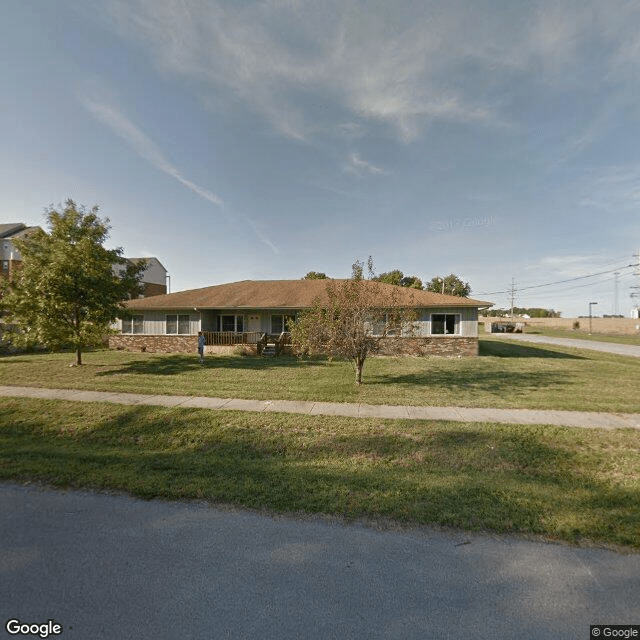
Hickory Point Terrace
Save
260 Lucile Ave, Forsyth, IL 62535
For more information about senior living options: (844) 490-3973
Taken together, the collection of reviews paints a starkly mixed picture of care within this family of senior facilities. On one end of the spectrum, there are harrowing accounts of decline and neglect - stories of a father entering care after a heart attack who would never go home alone, only to endure months of deteriorating conditions, poor meals, slow responses to needs, and a perceived lack of accountability from the administration. Several families spoke of a few shining staff members - a handful of CNAs, dietary workers, and an OT - who clearly cared deeply, but they emphasized that the overall experience was marred by high turnover and a distant leadership that seemed slow to act on recurring concerns. The overall sentiment is that conditions worsened after the facility came under new management, leaving many families frustrated and alarmed.
A recurring theme across many accounts is the quality of daily care and its direct impact on residents' health. Families reported meals that were frequently tasteless, insufficient, or inedible, contributing to significant weight loss and hospitalizations. There were frequent complaints about bedsores, infections, and delays in essential care, such as bed checks every two hours not happening as ordered, and appointments - physical therapy, doctors' visits, and other necessities - being slow to occur. The atmosphere of neglect extended to the physical environment as well, with notes about broken equipment and inconsistent delivery of basic services like timely assistance when call lights rang. Several reviewers specifically connected these issues to higher-level decisions or staffing patterns, suggesting that leadership did not consistently address frontline problems.
Financial and administrative aspects compounded the stress for families. One family described money remaining in a resident's account long after a move, with the refund still pending and a blunt response from a staff member suggesting that the person was "very busy." The sense of accountability appeared weak in some accounts: administrators and directors of nursing were described as unresponsive or unhelpful, and there were serious allegations about medication management, including narcotics being diverted or misprescribed, and staff "signing off" on narcotics in ways that residents did not consent to. Reviewers also noted that, despite state survey results that could be interpreted as satisfactory, front-line failures persisted, including instances where agency staff were used to cover shifts and where the standard of care did not meet residents' needs.
The narrative of improvement after transferring to a "better facility" stands in contrast to the troubling reports above. In several testimonies, movement and function increased dramatically after relocation: from being able to take a few dozen steps to surpassing six hundred, and from uncertain prospects of returning home to seriously considering assisted living. One account claimed a fivefold improvement in the overall level of care after the transfer, with a more hopeful view of rehabilitation and independence. Yet even in this more optimistic thread, there were caveats about the rehab experience at times - therapy sessions described as shorter than scheduled, with one therapist shown a chart that suggested sessions should be limited to under certain minutes. In short, the improvement is real for some residents, but not universal, and even those improvements can coexist with ongoing concerns about the consistency and quality of therapy and overall care.
Within the broader ecosystem of these reviews, patient and family experiences vary dramatically by facility and even by department within the same organization. Some reviewers praised the administration for listening and being empathetic in principle, even if they did not always see results, while others described the leadership as rude, arrogant, or misinformed and advised vigilant advocacy for loved ones. Positive testimonies frequently highlighted the rehab department, the therapy teams, and certain individuals - such as Jamie in admissions and other staff who were described as helpful, compassionate, and responsive. There were also mentions of well-kept facilities, clean grounds, and the general sense of a welcoming environment in some locations, with residents and families expressing gratitude for staff who were patient, knowledgeable, and kind.
Amid the contrasts, a common thread is the existence of two parallel narratives within the same network: one of compassionate care and meaningful progress in some wings or units, and another of perceived neglect, administrative opacity, and safety lapses in others. Some reviews spoke positively of "the Arc" and of facilities that maintain Christian values, stating that caring attitudes and helpful staff do exist and that the environment can be supportive and well-run. Others spoke of a decline after new ownership, noting that there was a sharp difference in experience after a change in management and asserting that the new regime did not always translate into better outcomes for residents. The juxtaposition is striking: it suggests that care quality may be highly variable, depending on who is on duty, which unit a resident is in, and which leadership team is guiding a particular facility on any given day.
In the end, the story across these reviews is not a single, uniform portrait but a mosaic of experiences. Some families describe life-changing improvements for their loved ones - better mobility, more attentive care, more reliable therapies, and a renewed sense of hope for independent living. Others recount serious concerns about safety, medication management, nutrition, infection control, and responsiveness, all of which understandably provoke alarm and a determination to seek alternatives. Readers are left with a clear impression of a system capable of both compassion and neglect, progress and regression, depending on which facility, unit, and staff member is involved. The takeaway is a call for careful due diligence, direct engagement with administration, and a readiness to advocate vigorously for loved ones whenever the care quality feels inconsistent or unacceptable.
Hickory Point Terrace is an assisted living community located in the vibrant town of Forsyth, IL. Within close proximity, residents have easy access to a range of amenities and services to meet their needs.
For those looking to enjoy a cup of coffee or grab a quick bite to eat, there are two cafes nearby. These cozy establishments provide the perfect setting for socializing or simply unwinding with friends and family.
Nature enthusiasts will delight in the fact that there is a park just a short distance away from Hickory Point Terrace. This picturesque green space offers the opportunity for peaceful walks, picnics, and enjoying the beauty of nature.
Healthcare needs are conveniently met with six pharmacies and 35 physicians in the vicinity. Residents can easily access their medications and seek medical attention whenever necessary.
With 33 restaurants close by, residents have ample choices when it comes to dining out or trying new cuisines. Whether they crave local flavors or international delicacies, there is something to satisfy every palate in this diverse culinary scene.
Transportation options are readily available with six nearby transportation services. This ensures that residents can easily navigate around town for appointments, shopping trips, or leisure activities without any hassle.
To nourish their spiritual well-being, residents have 10 places of worship located nearby. These houses of worship provide a peaceful environment for prayer, meditation, and fostering connections within the community.
In case of emergencies or medical emergencies, five hospitals are conveniently situated near Hickory Point Terrace. This provides reassurance to both residents and their families, knowing that top-quality healthcare facilities are within reach should they ever be needed.
Overall, Hickory Point Terrace boasts an excellent location with its abundance of nearby amenities and services. Residents can enjoy the best of both worlds – the tranquility of an assisted living community combined with easy accessibility to various conveniences that enhance their quality of life.
This area of Forsyth, Illinois offers a variety of amenities and services that cater to senior living needs. With popular dining options such as McDonald's, Red Lobster, and Cracker Barrel, residents can enjoy a selection of delicious meals without having to travel far. Additionally, there are reputable physicians like All About Eyes and Bard Optical nearby for healthcare needs. Places of worship like Forsyth Baptist Church provide spiritual support for those who seek it. For leisurely activities, Monroe Park offers a peaceful outdoor space for relaxation and recreation. Access to pharmacies like Walgreens and CVS ensures convenient access to medication and health supplies. Transportation options such as U-Haul Moving & Storage are available for any moving or storage needs that may arise. Overall, this area provides a well-rounded environment for seniors looking to settle in Forsyth.
Hickory Point Terrace is located at 260 Lucile Ave, Forsyth, IL 62535 in Macon County, Illinois
Hickory Point Christian Village
Forsyth, IL
Peaceful, well-maintained campus with accessible spaces and compassionate Christian-oriented care.

Hickory Point Christian Village reviews
Hickory Point Christian Village images
Decatur Primrose
Decatur, IL
Upscale, well-maintained community with a wide range of amenities and care options.
Decatur Primrose costs
Decatur Primrose reviews
Decatur Primrose images
Lincolnshire Place
Decatur, IL
Compassionate staff in a clean, inviting memory-care environment.
Lincolnshire Place costs
Lincolnshire Place reviews
Lincolnshire Place images
Lincolnshire Place Decatur
Decatur, IL
Specialized memory care with 24/7 supervision and engaging activities in a fully furnished setting.
Lincolnshire Place Decatur reviews
Lincolnshire Place Decatur images
Randall Residence Of Decatur
Decatur, IL
Attentive staff, clean facilities, spacious apartments with patios/balconies, and varied activities.
Randall Residence Of Decatur costs
Randall Residence Of Decatur reviews
Randall Residence Of Decatur images
The Woods Apartments
Decatur, IL
Very affordable one-bedroom rent compared to Macon County and Illinois state averages.
The Woods Apartments costs
The Woods Apartments reviews
The Woods Apartments images
Evergreen Senior Living
Decatur, IL
Spacious, well-kept apartments with a strong, caring staff and engaging activities.
Evergreen Senior Living costs
Evergreen Senior Living reviews
Evergreen Senior Living images
Arbor Rose of Monticello
Monticello, IL
Home-like atmosphere with attentive staff and engaging activities.
Arbor Rose of Monticello costs
Arbor Rose of Monticello reviews
Arbor Rose of Monticello images
Skilled Nursing Facilities vs. Nursing Homes: Making Sense of the Differences

Skilled nursing facilities (SNFs) provide high-level medical care and rehabilitation for short-term recovery, typically covered by Medicare after hospitalization, while nursing homes focus on ongoing custodial care for chronic conditions, mainly funded by Medicaid or private payments. The staffing and regulatory structures differ significantly between the two, necessitating clarity for families in choosing appropriate long-term care options.
A Detailed Examination of Nursing Home Costs Across the U.S.

Nursing home care costs in the U.S. vary significantly based on location, level of care, and amenities, with private room prices ranging from approximately $6,700 to over $30,000 monthly. Families need to explore various payment options and conduct thorough research to manage these expenses effectively.
Exploring Nonmedical Home Care: Understanding Services, Costs, and Financial Approaches
Nonmedical home care provides assistance with daily activities and companionship for individuals wishing to maintain independence and quality of life at home, without medical intervention. Its growing popularity is driven by an aging population, the need for supportive environments for recovery, and the emotional benefits of caregiver companionship, while costs vary based on service frequency and location.