2650 North Monroe, Decatur, IL 62526
For more information about senior living options: (866) 208-4318
Overall Review of Carriage Crossing Senior Living - Decatur
Pros
 The staff are super friendly and the food is fantastic.
- Activities are happening all day long.
- The facility is beautiful and staffed by kind and caring workers.
- Carriage Crossing is a warm, caring, and safe place for loved ones to live.
- Residents are treated like family, with their needs as a top priority.
- The community is bright, welcoming, and full of wonderful residents.
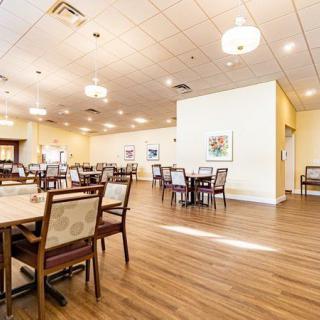
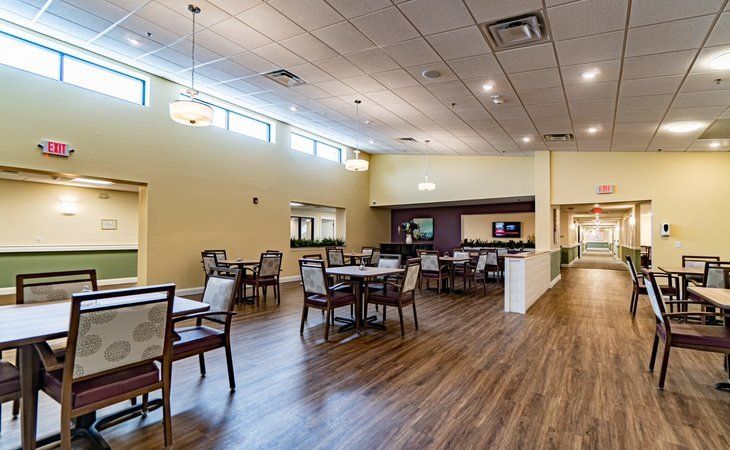
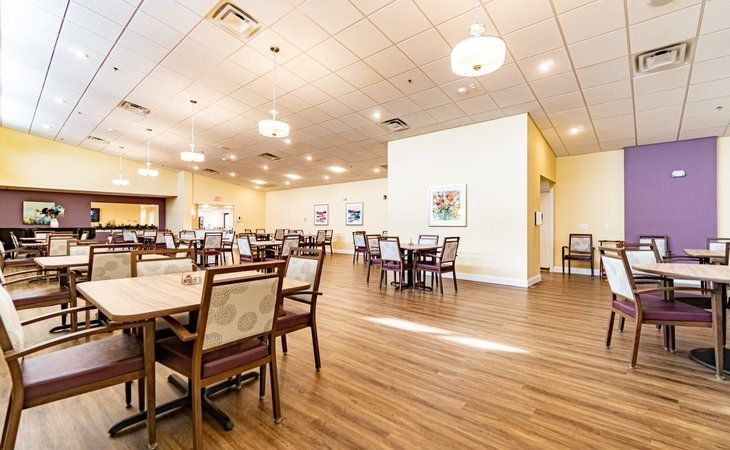
- The dining experience is delicious and the dining area is bright and cheery.
- The activities team is terrific, keeping residents active and engaged.
- The staff take pride in being helpful and attentive.
Cons
 The new director is incompetent and rude.
- The facility is overpriced and provides substandard care.
- They would send her to the ER because they couldn’t handle it.
- They could not calm her, so she was sent to the ER again.
- The director of the facility told them their loved one could not return to the facility.
- The medical staff at the hospital were in agreement that this whole situation was caused by the facility because of changes in that 24-hour period.
- The reviewer called it the worst place ever and said the management was horrible.
Review
Carriage Crossing Senior Living in Decatur is best suited for families seeking a bright, active, and warmly staffed assisted living environment where daily life feels lively and residents are treated with genuine care. This community tends to excel for seniors who want reliable companionship, engaging programming, and dependable dining in a setting that feels like a welcoming, family-like space. When safety, consistent warmth from caregivers, and a busy calendar of activities are top priorities, Carriage Crossing delivers a compelling package.
Those who may want to consider alternatives are clear too. For families confronting advanced dementia or persistent agitation, there are credible concerns about how crises are managed and how quickly residents can be stabilized, which can translate into uncomfortable hospital transfers. Several reviews flag management and communication issues as a meaningful risk, and a perception that price does not always align with perceived care quality suggests that cost-conscious families or those seeking ultra-stable memory-care protocols may prefer other options. In short, leadership reliability and dementia-specific care processes are pivotal factors to scrutinize during visits.
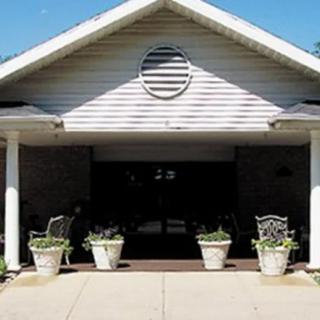
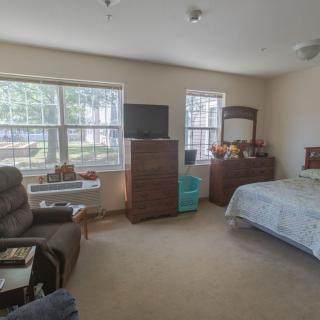
On the strength side, the community earns consistent praise for staff warmth and attentiveness. Residents and families repeatedly note friendly, helpful caregivers across nursing, dining, and support staff, with comments that staff treat residents like family. The dining program is a standout feature, meals are described as delicious in a bright, cheery setting, and the activities team keeps residents engaged all day, contributing to a sense of purpose and belonging. The facility’s appearance reinforces these strengths: a modern, welcoming, and safe environment that supports peace of mind for families handing over daily care responsibilities.
The principal caveats center on leadership and cost signals, with two clear, explicit red flags raised by unhappy reviewers. One critique targets the new director as incompetent and rude, paired with concerns about pricing being too high and care falling short of expectations. Another accounts for a severe disruption in a loved one’s routine, agitation related to dementia, an ER transfer, and a challenging transition that left families feeling unsettled. Taken together, these reports underscore that management responsiveness and transparent, consistent care protocols can meaningfully shape the resident experience, and that when leadership missteps occur, trust can quickly erode.
Where the pros offset the cons, the calculus becomes practical: for families prioritizing a vibrant social life, dependable daily rhythm, and strong dining, Carriage Crossing often delivers more than enough value to justify a positive choice. The care team’s evident investment in residents’ comfort, safety, and engagement helps counterbalance concerns about cost or occasional management friction, provided those concerns are addressed proactively during the transition. A stable, empathetic leadership approach and clear communication about care plans will tilt the balance further in favor of a confident placement for most, especially if dementia-related risk is not the central challenge.
To make a well-grounded decision, prospective families should schedule in-depth tours and ask pointed questions. Observe how staff interact with residents, especially during meals and activities, and inquire about memory-care capabilities, response times for crises, and how transitions are managed if behavioral changes occur. Review the current pricing structure against expected services, and request concrete examples of care planning, incident follow-up, and family communication. If memory-care stability and cost predictability are decisive, bring these issues to the table and compare with nearby options. For many, Carriage Crossing offers a compelling blend of warmth, nutrition, and engagement; for others, the search should continue until leadership consistency and dementia-care protocols align with expectations.
 65 resident community capacity
 Assisted Living
 Memory Care
 Air-conditioning
 Beauty salon
 Cable or satellite TV
 Computer center
 Dining room
 Fitness room
 Fully furnished
 Gaming room
 Garden
 Housekeeping services
 Kitchenette
 Move-in coordination
 Outdoor space
 Private bathrooms
 Restaurant-style dining
 Small library
 Telephone
 Wellness center
 Wi-Fi/high-speed internet available
 Community operated transportation
 12-16 hour nursing
 24-hour call system
 Activities of daily living assistance
 Assistance with bathing
 Assistance with dressing
 Assistance with transfers
 Diabetes diet
 Hospice waiver
 Medication management
 Mental wellness program
 Special dietary restrictions
 Transportation arrangement (medical)
 Concierge services
 Planned day trips





 Delving into the Inner World of Dementia: Insights into Thoughts and Awareness
 Five Subtle Dementia Indicators to Observe: An In-Depth Guide to Understanding “Does My Mom Have Dementia?”
 Dementia, Paranoia, and Caregiver Guidance: Understanding the Connection