
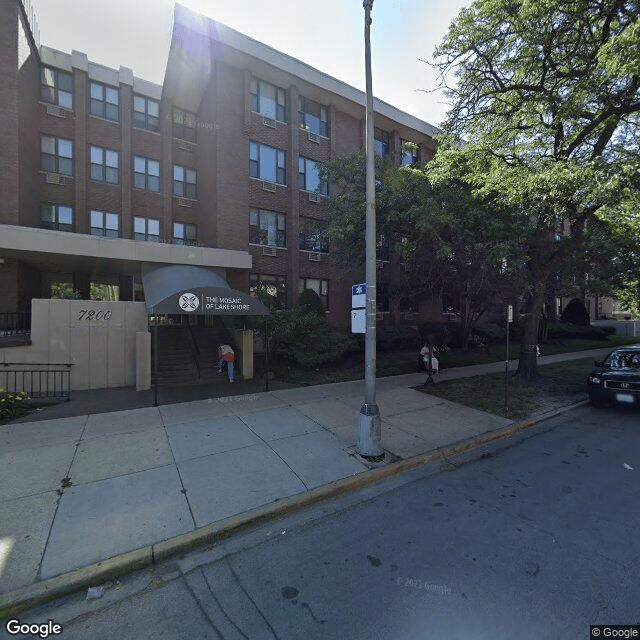
7200 N. Sheridan Rd., Chicago, IL 60626
To contact a resident: (773) 973-7200
For more information about senior living options: (866) 208-4318
Mosaic Of Lakeshore, The Costs & Pricing
Mosaic of Lakeshore stands out in the marketplace with its monthly private room cost of $6,000. This rate is notably higher than both the average costs within Cook County, which sits at approximately $5,168, and the broader state average for Illinois at around $5,049. While the premium pricing may reflect enhanced amenities or specialized services that Mosaic offers, it is essential for prospective residents and their families to consider how these costs align with their expectations for care and overall quality of life. Ultimately, it's a decision that weighs financial investment against the potential benefits of a more enriched living experience.
| Floor plans | Mosaic Of Lakeshore, The | Cook County | Illinois |
|---|---|---|---|
| Private | $6,000 | $5,168 | $5,049 |
Skilled Nursing Facilities with a similar price nearby
-
from -$815 / mo

Harmony Nursing & Rehabilitation
$5,185 to $6,100 / month4.2 miles away -
from -$591 / mo

Warren Barr North Shore
$5,409 to $7,031 / month15.7 miles away -
from +$1110 / mo

North Shore Place
$7,110 to $10,440 / month10.6 miles away -
from -$850 / mo

Victory Centre of Vernon Hills
$5,150 / month22.0 miles away -
from -$1085 / mo

Belmont Village Senior Living Geneva Road
$4,915 to $6,845 / month24.1 miles away
Overall Review of Mosaic Of Lakeshore, The
Pros
 The facility helped residents gain independence and self-sufficiency.
- The food was better than good, with great choices.
- The cafeteria staff were professional and hardworking, always attending to patients' needs.
- The physical therapy team consistently assisted residents.
- The nursing and rehabilitation staff were wonderful.
- The receptionist was very friendly.
- The staff respected the dignity of residents.
- The staff showed exceptional care and devotion.
Cons
 The father-in-law is constantly being sent to the ER under their care, twice for dehydration.
- The staff members bring COVID into this facility.
- Observers wonder why this place hasn't been shut down.
- The staff are rude and inconsiderate over the phone; calls ring for minutes and are hung up on.
- There are reports of urine smells in the facility.
- The nurses are neglectful and patients are told to find help themselves.
- Two falls occurred with no access to the call button, creating safety concerns.
- There is poor communication between departments and a perceived lack of caring from staff.
- The facility is understaffed and Medicaid patients do not receive physical therapy that could help.
- The facility could use updating and expansion.
- The place allegedly allows bed sores and provides no medical assistance after a stroke.
- Doctors at Mosaic allegedly did not believe a relative had a stroke and delays in recognition caused damage.
Review
Mosaic Of Lakeshore in Chicago is best suited for families seeking a skilled-nursing option where rehabilitation services and solid meals are central priorities, and where there is tolerance for some day-to-day variability in care. The facility shows pockets of dependable therapy, physical therapy consistently assists residents and the focus on mobility is real, and the food is repeatedly praised as better than acceptable, with choices that keep many residents satisfied. Therapy teams, when engaged, can deliver real progress, and several staff members demonstrate genuine care and respect. This is not a glossy luxury setting, but a practical, serviceable option for those who value tangible rehab benefits and dependable dining over flawless aesthetics. Prospective families should be prepared for uneven communication, staffing ebbs and flows, and the realities of a busy, under-resourced environment.
Those considering alternatives should be prepared if consistent communication and rock-solid safety are nonnegotiables. Multiple reviews highlight missed calls, curt phone interactions, and even reports of odors on some shifts, signaling days that do not feel well-managed. More alarming are accounts of dehydration leading to emergency visits, delayed recognition of stroke, and bed sores in some cases, serious red flags for ongoing custodial needs. Understaffing and Medicaid-driven limits on therapy further complicate the picture, suggesting that care plans can be less aggressive for certain residents. For families prioritizing unwavering responsiveness and a tightly coordinated clinical rhythm, other providers will likely deliver greater reassurance.
On balance, the strongest positives lie in the rehabilitation pathway and the meals, which can offset care-related stress by offering tangible mobility gains and reliable nourishment. The presence of compassionate nurses and CNAs, plus a generally welcoming receptionist, can soften the experience for many residents. Yet the opposite experiences, communication breakdowns, perceived neglect, and inconsistent access to routine care, demonstrate the facility’s fragility when staffing and administrative coordination slip. Odor or cleanliness concerns, though not universal, surface enough to matter for daily comfort and trust. In short, the rehab and dining advantages are real, but they do not fully compensate for care-structure weaknesses that color the overall safety and reliability picture.
Careful, proactive visits are essential. Tours should include real-time observations of therapy sessions, conversations with direct-care staff about ratios, and a request for recent incident reports and oversight records. Inquire about call-button access and average response times, and confirm whether Medicaid residents receive comparable rehabilitation services to private-pay residents. Clarify how care plans adapt after events like a stroke or dehydration, and identify the on-site administrator responsible for follow-through. If transferring from another facility, insist on a seamless transfer of critical medical history. A candid, data-driven assessment of daily operations, beyond hopeful marketing language, will determine whether the setting can meet specific health needs.
Financial and operational realities further tilt the decision. Medicaid participation appears to constrain rehabilitative services, and staffing levels influence both the quality of care and the speed of responses. This is not a high-security guarantee; it is a practical reality for a facility balancing budget pressures with patient needs. The building’s age and the need for updates also enter the calculus, signaling potential interruptions to routines and comfort. Families should weigh these factors against the emotional and financial costs of alternative placements that promise more consistent staffing and stricter safety protocols. The calculus is not about flashy amenities but about dependable, life-sustaining care.
Bottom line: Mosaic Of Lakeshore is a mixed option that can work for a subset of families, especially those who prioritize tangible rehab outcomes and solid meals, so long as tolerance exists for communication gaps and care-structure flaws. It is not the strongest fit for households demanding seamless service, constant staff availability, and airtight safety, particularly given reports of dehydration, falls, and inconsistent call-bell access. For decision-making, approach with a structured, no-nonsense visit plan, verify staffing patterns and care protocols, and demand transparent, current records. When paired with clear expectations and contingency plans, Mosaic Of Lakeshore can be a viable middle-ground choice rather than the top-tier option in Chicago’s crowded senior-care landscape.
 Skilled Nursing Facility
 Private
 Chicago O'Hare International (13 miles away)
 Howard






 California's Form 602A: An In-Depth Examination of Senior Care Assessment
 Comprehensive Look at Senior Blood Pressure Charts: Normal and Elevated Levels by Age
 Top Canine Companions for Older Adults