For more information about senior living options: (866) 208-4318
3.9 from 59 reviews
5 stars
35
4 stars
8
3 stars
1
2 stars
3
1 stars
12
Overall Review of Atrium Health Care Center
differentiator3 reviews mention this
Medication support gets mixed reviews
Residents and families mention medication handling as a key point.
Some reviewers describe help with medication transitions and problem-solving when needs come up. Others raise serious concerns about medication safety and nurse errors. Taken together, medication support appears important to residents’ outcomes, for better or worse.
common44 reviews mention this
Staff kindness and responsiveness stand out
Staff friendliness and responsiveness are repeatedly described.
Many reviews emphasize staff being nice, welcoming, helpful, and attentive to residents’ needs. Several families specifically credit administrators, nursing staff, social services, housekeeping, and even front-desk support for making residents feel comfortable and safe. A minority of reviews report rude or unprofessional behavior, but the most consistent pattern across feedback is that residents and families notice how staff treat people day to day.
common6 reviews mention this
Meals are praised, but some complain
Food quality comes through in both positive and negative feedback.
Several reviewers say the meals are good, and one describes the food as world class. Others note receiving three meals a day during a stay, and dining is included alongside comfort and cleanliness in those accounts. Still, multiple reviews criticize the food as horrible or disgusting, so experiences with dining appear inconsistent.
caveat9 reviews mention this
Cleanliness, odors, and pests vary
Cleanliness feedback is uneven, with odor and pest concerns.
Some reviews praise the facility as clean and well managed, and a few describe residents’ comfort alongside tidy conditions. Other comments focus on urine odor, dirty or stinky areas, cockroach problems, and concerns about hygiene in rooms and bathrooms. Because both positive and negative accounts are present, cleanliness may depend on when and where a resident is staying.
common3 reviews mention this
Activities show up sometimes
Residents and families mention activities, but not consistently.
One family credits activities with keeping a resident socially engaged and mentally stimulated during a respite and extended stay. Another review points to a community event experience during a visit. In contrast, a separate review says they have an activities department but that it was not being seen in action, suggesting uneven visibility of programming.
How we summarize
Counts show how many written reviews mention each theme; a review can touch several themes, and only frequently mentioned themes are displayed.
Features
Housing
160 resident community capacity
Types of Care
Skilled Nursing Facility
Amenities
Air-conditioning
Beauty salon
Cable or satellite TV
Computer center
Dining room
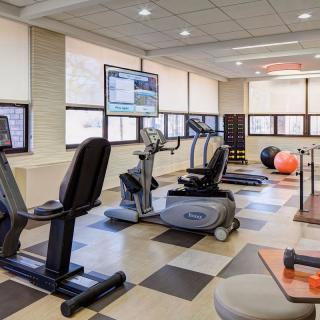
Fitness room
Fully furnished
Gaming room
Garden
Housekeeping services
Kitchenette
Move-in coordination
Outdoor space
Private bathrooms
Restaurant-style dining
Small library
Telephone
Wellness center
Wi-Fi/high-speed internet available
Transportation
Chicago O'Hare International (12 miles away)
Chicago Midway (16 miles away)
Community operated transportation
Transportation arrangement
Transportation arrangement (non-medical)
Transportation to doctors appointments
Nearby Metro Stations
Howard
Jarvis
Loyola
Morse
Care Services
12-16 hour nursing
24-hour call system
24-hour supervision
Activities of daily living assistance
Assistance with bathing
Assistance with dressing
Assistance with transfers
Diabetes diet
Meal preparation and service
Medication management
Mental wellness program
Special dietary restrictions
Dining
Diabetes diet
Special dietary restrictions
Activities
Community-sponsored activities
Concierge services
Fitness programs
Planned day trips
Resident-run activities
Scheduled daily activities
Nearby Places of Interest
Transportation
CTA Jarvis (0.3 miles)
Cta (0.6 miles)
Cta (3.1 miles)
Cta (4.5 miles)
CTA-Linden (4.5 miles)
CTA - Belmont (5 miles)
Cta (5.6 miles)
Restaurants
R Public House (0.4 miles)
Little Bad Wolf (1.9 miles)
SoFo Tap (2.7 miles)
Murphy's Bleachers (4.4 miles)
Cell Block (4.4 miles)
Las Mananitas Mexican Restaurant (4.6 miles)
Hydrate (4.7 miles)
Parks
Dubkin Park (0.5 miles)
Warren Park (1.3 miles)
Dawes Park (2.5 miles)
Centennial Park (2.6 miles)
Leahy Park (3.6 miles)
Horner Park (3.8 miles)
Independence Park (5 miles)
Pharmacies
Walgreens (0.6 miles)
Walgreens (1.3 miles)
CVS Pharmacy (1.3 miles)
Walgreens (1.4 miles)
Walgreens (1.7 miles)
Walgreens (1.9 miles)
Walgreens (2.1 miles)
Hospitals
Saint Francis Hospital (1.3 miles)
Swedish Covenant Hospital Cancer Care (3 miles)
Advocate Illinois Masonic Medical Center (5.2 miles)
The article explores the complexities of using Social Security to finance long-term nursing home care in the U.S., detailing eligibility requirements and misconceptions, while emphasizing that these benefits often do not cover full costs and highlighting the need for strategic financial planning and professional guidance.
Pneumonia significantly affects older adults due to weakened immune systems and atypical symptoms that complicate diagnosis, necessitating early detection and tailored treatment. Risk factors include chronic diseases and cognitive impairments, with preventive measures like vaccinations and healthy lifestyles being crucial for reducing risk.
Palliative care enhances the quality of life for seriously ill patients by providing comprehensive support at home through a multidisciplinary team, addressing various needs and prioritizing comfort over curative treatments. While it offers personalized care and involves family in decision-making, challenges like caregiver stress and logistical issues persist, with growing demand prompting advancements in technology and healthcare policies to improve access.
Get PricingAsk A QuestionSchedule A TourContact Senior Advisor
By clicking submit, you agree to our Partner's Terms of Use. You
also consent to receive calls and texts, which may be autodialed, from our Partner. Your consent is not a condition to
using our Partner's service. Please visit our Partner's Privacy Policy for information about their privacy practices.

 160 resident community capacity
 Skilled Nursing Facility
 Air-conditioning
 Beauty salon
 Cable or satellite TV
 Computer center
 Dining room
 Fitness room
 Fully furnished
 Gaming room
 Garden
 Housekeeping services
 Kitchenette
 Move-in coordination
 Outdoor space
 Private bathrooms
 Restaurant-style dining
 Small library
 Telephone
 Wellness center
 Wi-Fi/high-speed internet available
 Chicago O'Hare International (12 miles away)
 Community operated transportation
 Howard
  12-16 hour nursing
 24-hour call system
 Activities of daily living assistance
 Assistance with bathing
 Assistance with dressing
 Assistance with transfers
 Diabetes diet
 Medication management
 Mental wellness program
 Special dietary restrictions
 Concierge services
 Planned day trips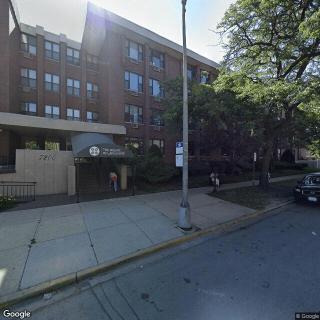
 Prime location with abundant nearby amenities and services.




 Financing Long-Term Nursing Home Care Through Social Security: A Thorough Exploration
 Essential Knowledge on Pneumonia in Older Adults
 Exploring Palliative Care in the Home: A Comprehensive Overview