Waterford Care Center

Save

  • Interior

    A professional woman in a suit smiling and offering a handshake in an office setting.
  • Building

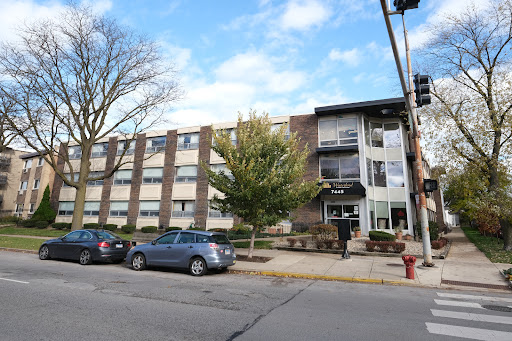
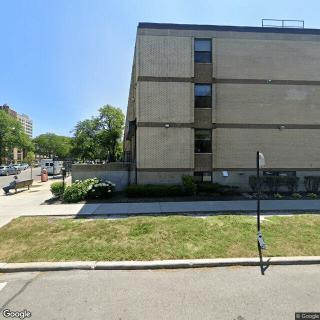
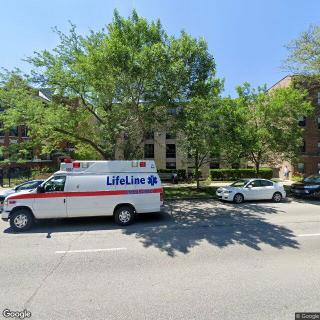
    A view of a multi-story building surrounded by trees and parked cars on the street.
  • Architecture

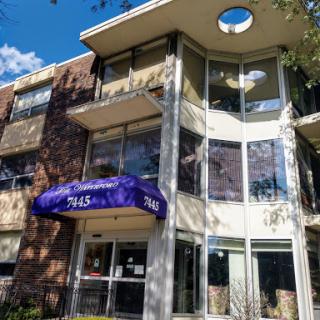
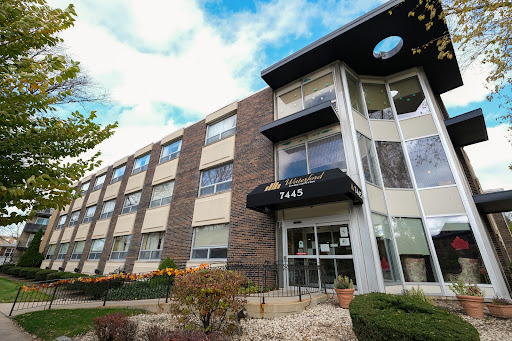
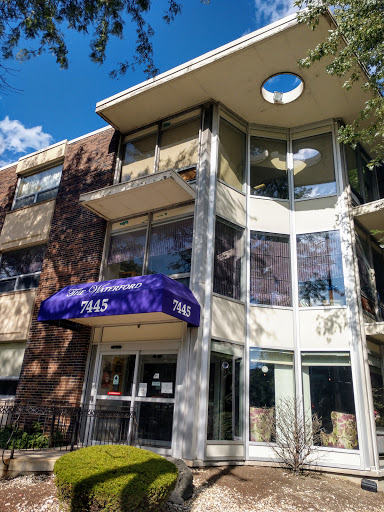
    A modern apartment building featuring large windows and a purple canopy.
  • Windows

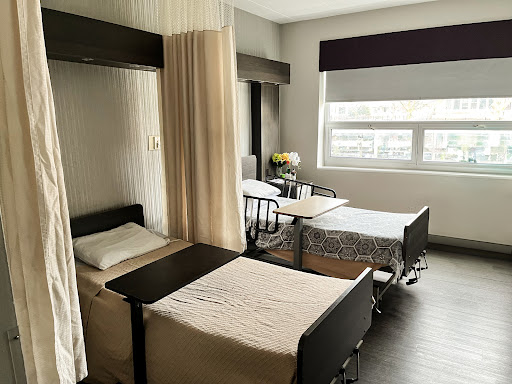
    A view of a modern hospital patient room featuring two beds separated by curtains.
  • Landscaping

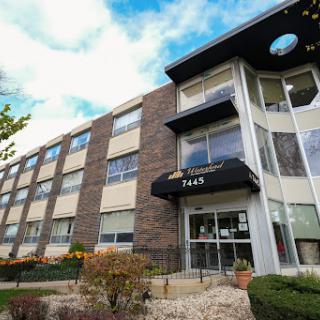
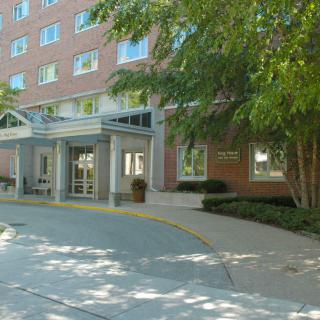
    A modern residential building showcasing a blend of brick and glass architecture.
  • Lighting

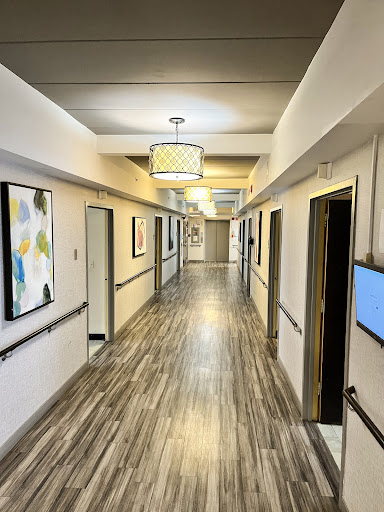
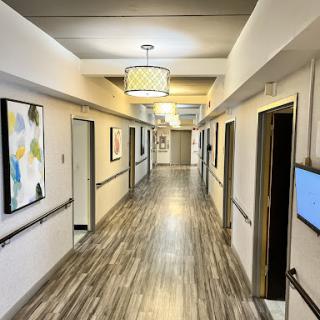
    A bright and modern hallway featuring artwork on the walls and elegant lighting.
  • Garden

    A patio set with a table and four chairs, placed on a paved area in a garden setting.

Waterford Care Center

7445 North Sheridan Road, Chicago, IL 60626

For more information about senior living options: (844) 490-3973

4 from 40 reviews
5 stars
30
4 stars
0
3 stars
0
2 stars
0
1 stars
10

Skilled Nursing Facility

What level of care are you interested in?

Assisted Living

Memory Care

Independent Living

Skilled Nursing Facility

Continuing Care Retirement Community (CCRC)CCRC

Other


Request a tour at Waterford Care Center

    Overall Review of Waterford Care Center

    Pros

    • pro The staff are caring, kind, and very patient.
    • pro The facility is clean and staffed by friendly personnel.
    • pro They take great care of residents and help them progress.
    • pro The environment feels like a second home due to the friendly, caring staff.
    • pro Nurses and doctors are nice and knowledgeable about residents' varying conditions.
    • pro The team communicates well with families and takes time to answer questions.
    • pro The hospice care teams are amazing, keeping patients comfortable and cared for.
    • pro The rehab and therapy staff are kind, respectful, and effective.
    • pro The administrator is hands-on and gets things done; the DON is caring and capable; Social Services works with families.
    • pro Many staff have long tenures at Waterford, contributing to a home-like atmosphere.
    • pro The facility helps residents regain independence and return home.
    • pro Spanish-speaking staff provide valuable support to families.
    • pro Staff go above and beyond to make stays positive and successful.

    Cons

    • pro The facility is severely understaffed and the nursing staff show little warmth or caring.
    • pro Maintenance requests, such as installing a towel bar, go unanswered for days.
    • pro The rooms are small and cramped, poorly lit, with minimal storage for mobility aids.
    • pro There is a rodent and bug problem at the Waterford.
    • pro There are claims of high theft levels and no accountability for missing items or inaccessible medical records.
    • pro Some residents experienced abuse or neglect, including being cut off from physical therapy and being misrepresented about their medical conditions.
    • pro Guardianship was used during COVID to prevent residents from leaving, causing distress and longing to go home.

    Review

    The collection of impressions about Waterford presents a broad and at times contradictory portrait of the facility. On one end of the spectrum, many reviewers describe Waterford as a place where kindness, patience, and a genuine sense of care come through in everyday interactions. Families consistently note that staff are friendly, professional, and attentive, and that the environment feels clean and comfortable. For several people, Waterford has felt like a second home for their loved ones, especially during long-term care needs, rehab after hospitalization, or hospice situations. The sentiment from these accounts is that the team works hard to make residents feel seen and supported, and that the care teams - nurses, doctors, therapists, and social workers - are dedicated to the well-being of the people in their care.

    Several accounts highlight specific positive experiences that reinforce this impression. A number of reviews mention staff who "go above and beyond" to help residents recover, regain mobility, or stabilize medical conditions. The rehabilitation and therapy departments are described as particularly capable and compassionate, with praise for caregivers who are patient and knowledgeable about residents' individual conditions. For families with language needs, the availability of Spanish-speaking staff is repeatedly cited as a meaningful help, easing communication and allowing loved ones to participate more fully in care planning. In hospice contexts, reviewers commend the comfort and dignity afforded to patients, and the reassurance provided to families that their loved ones are well cared for in what is often a very challenging time.

    Beyond the direct care, several comments emphasize the value of clear, responsive communication with families. One reviewer recounted a staff member taking ample time to answer a long list of questions during a call, interpreting that as a sign of the team's overall approach to family engagement. The professional competence of the wider team - ranges from the nursing staff to the administrator who is described as hands-on and effective - also comes through in these accounts. The social services team, in particular, is highlighted as helpful in navigating complicated transitions and coordinating services, which many families find crucial during medical changes, rehab, or discharge planning.

    Yet, this smiling portrait is balanced by a substantial chorus of concerns and criticisms from other reviewers. Several accounts describe serious deficiencies that paint Waterford in a very different light. Understaffing is a recurring theme, with at least one review characterizing the facility as a five-star-turned-minus experience due to too few aides to meet resident needs. Allocations of staff time versus resident needs appear to be a central tension in these criticisms, contributing to perceptions that residents are not always attended to promptly or with the warmth reviewers expect. Maintenance and environment are also cited as problem areas by some, including reports of small, dim rooms, limited space for mobility aids, and a general sense that the physical plant could be improved.

    Food and daily life have not escaped criticism in this collection. Several reviewers describe menu issues, particularly for residents on restricted or texture-modified diets, calling the meals unimaginative or unsatisfactory. In some notes, activities are labeled uninspired and routine, with prizes and programming not meeting the expectations or engagement levels of residents. The more negative observers do not hesitate to point out odor, light, and storage concerns, painting a picture of a facility where the lived experience for residents could be improved in tangible ways.

    There are unmistakable warnings in some testimonies about safety, integrity, and accountability. A subset of reviews contains troubling allegations, ranging from accusations of poor treatment and disrespect to more severe claims of abuse or coercive practices, guardianship questions, and inconsistent medical records. One reviewer describes a situation in which a resident's physical therapy was abruptly reduced and recovery progress was interrupted, with the claim that staff were not truthful about the patient's condition. Others allege neglect, difficulty obtaining timely communication about a loved one, and even more troubling suggestions of mistreatment or coercion. A number of reviewers also raise concerns about lost belongings, alleged theft, and insufficient transparency around medical records and financial matters.

    The most critical voice in the mix is explicit about comparing experiences with a broader system of care oversight. A few reviewers urge readers to consult public records, state complaint databases, or legal resources to evaluate the facility's performance, pointing to perceived inconsistencies between favorable internal reviews and external one-star feedback. Stories that touch on guardianship interventions and enforcement actions underscore a sense of distrust among some families, who feel that accountability may be lacking. While some reviewers defend Waterford and describe positive interactions with leadership and staff, others contend that the facility's problems are systemic and not easily resolved by individual staff members.

    Taken together, the reviews reveal a complex, uneven picture of Waterford. For families evaluating care for a loved one, the threads of experience suggest a facility capable of delivering high-quality rehab, compassionate hospice care, and responsive family communication in many cases. They also underscore the reality that residents' experiences can vary markedly, depending on staffing levels, administrative responsiveness, and the day-to-day realities of running a multi-care facility. The strongest reassurance seems to come from accounts that emphasize dedicated staff who treat residents with dignity, informed decision-making from social services and clinical teams, and a management approach that is actively engaged in resolving issues as they arise. The most cautionary reminders emphasize the importance of asking pointed questions about staffing ratios, therapy continuity, nutrition, activity programming, maintenance, and accessibility, and checking independent records and complaints to form a complete view.

    For anyone considering Waterford for a loved one, the takeaway is to approach the decision with a balanced view. There are clearly experiences of comfort, respect, and effective care that highlight the potential strengths of the facility - especially for patients needing rehab, long-term nursing support, or hospice services in a setting that residents describe as welcoming and like family. At the same time, there are credible concerns about staffing, administration, and certain quality of life and safety issues that deserve careful attention and due diligence. Prospective families should consider touring with questions tailored to their loved one's needs, verify the latest state inspection and complaint records, and speak with multiple staff members across shifts to gauge consistency in care and communication. In doing so, families can form a more informed sense of whether Waterford aligns with their expectations for safety, dignity, and dependable care.

    Features

    Housing

    • 141 resident community capacity 141 resident community capacity

    Types of Care

    • Skilled Nursing Facility Skilled Nursing FacilitySkilled Nursing Facilities are crucial for seniors as they provide round-the-clock medical care, rehabilitation services, and assistance with daily activities. These facilities ensure that seniors receive the specialized care they need to maintain their health and well-being as they age.

    Amenities

    • Air-conditioning Air-conditioningAir conditioning is important for seniors as they are more vulnerable to heat-related illnesses and may have underlying health conditions that make it difficult for them to regulate their body temperature. It helps to keep them comfortable, safe, and healthy in hot weather.
    • Beauty salon Beauty salonBeauty salons are important for seniors because they provide a space for them to feel pampered, socialize, and maintain their personal grooming and hygiene. Regular visits to a beauty salon can help boost seniors' self-esteem and overall well-being.
    • Cable or satellite TV Cable or satellite TVCable or satellite TV is important for seniors because it provides entertainment, news, and companionship, helping to combat loneliness and boredom. It also offers a wide range of programming options tailored to different interests and preferences.
    • Computer center Computer centerA computer center is essential for seniors as it provides access to technology, communication tools, and resources that can enhance their daily lives. It allows them to stay connected with loved ones, engage in online activities, and learn new skills, ultimately promoting socialization and mental stimulation.
    • Dining room Dining roomDining rooms are important for seniors as they provide a space for socialization, connection, and nutritious meals. They offer opportunities for residents to bond over shared meals, foster a sense of community, and promote healthy eating habits. Dining rooms also ensure that seniors have access to well-balanced meals tailored to their dietary needs and preferences.
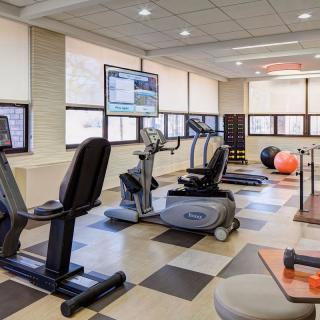
    • Fitness room Fitness roomHaving a fitness room in a senior living community is essential for seniors to stay active, maintain their physical health, and improve their overall well-being. Regular exercise can help prevent falls, reduce the risk of chronic diseases, and promote mental sharpness. It also provides social opportunities for residents to connect with others and enjoy a sense of community.
    • Fully furnished Fully furnishedFully furnished senior living communities are important for seniors because they provide convenience, comfort, and a hassle-free moving experience. Seniors can easily settle into their new living space without the stress of having to buy and move furniture. This allows them to focus on enjoying their new home and community.
    • Gaming room Gaming roomGaming rooms are important for seniors as they provide a fun and engaging environment for socializing, cognitive stimulation, and physical activity. Games can improve memory, problem-solving skills, and overall mental well-being while fostering friendships and reducing feelings of isolation.
    • Garden GardenGardens are important for seniors as they provide a peaceful and therapeutic environment for relaxation, physical activity, and socialization. Being in nature has been shown to reduce stress, improve mood, and promote overall well-being. Gardens also offer opportunities for seniors to engage in gardening activities, which can improve mobility, flexibility, and cognitive function. Additionally, gardens create a sense of community and connection with others who share a passion for plants and outdoor spaces.
    • Housekeeping services Housekeeping servicesHousekeeping services are important for seniors because they help maintain a clean and safe living environment, promote independence, and reduce the risk of accidents or illnesses. Additionally, having assistance with household chores can alleviate physical strain and allow seniors to focus on other aspects of their well-being.
    • Kitchenette KitchenetteKitchenettes are important for seniors living in senior living communities because they provide the convenience and independence of being able to prepare simple meals and snacks in the comfort of their own living space. This can help promote a sense of autonomy and well-being for seniors, allowing them to maintain some level of control over their dietary choices and daily routines.
    • Move-in coordination Move-in coordinationMove-in coordination is important for seniors because it helps ease the transition into their new living environment. It ensures that all logistics, such as packing, organizing movers, and setting up utilities are taken care of, allowing seniors to focus on settling in and adjusting to their new home. Having a smooth move-in process can alleviate stress and anxiety, making the transition smoother and more enjoyable for seniors.
    • Outdoor space Outdoor spaceOutdoor spaces are important for seniors as they provide opportunities for physical activity, social interaction, exposure to natural light and fresh air, and a sense of connection to nature. Having access to outdoor spaces can improve overall well-being and quality of life for older adults living in senior communities.
    • Private bathrooms Private bathroomsPrivate bathrooms are important for seniors in senior living communities because they provide independence, dignity, and comfort. Having a private bathroom allows seniors to maintain their personal hygiene routines without the need for assistance, promoting a sense of autonomy and privacy. Additionally, private bathrooms help prevent the spread of infections and provide a safe and clean environment for seniors to navigate safely.
    • Restaurant-style dining Restaurant-style diningRestaurant-style dining is important for seniors because it allows them to enjoy delicious, nutritious meals in a social and upscale setting. This enhances their dining experience, promotes healthy eating habits, and fosters socialization with fellow residents, ultimately contributing to their overall well-being and quality of life.
    • Small library Small librarySmall libraries are important for seniors as they provide access to a variety of reading materials, including books, newspapers, and magazines. This can help stimulate their minds, keep them engaged, and provide a sense of community through book clubs and other social activities. Additionally, reading has been shown to improve cognitive function and overall mental well-being in older adults.
    • Telephone TelephoneTelephones are important for seniors as they provide a lifeline for communication with loved ones, emergency services, and healthcare providers. They offer a sense of security and independence, enabling seniors to stay connected and access assistance when needed.
    • Wellness center Wellness centerWellness centers are important for seniors because they offer a variety of programs and services that promote physical, mental, and emotional well-being. These centers provide opportunities for exercise, socialization, education, and relaxation, helping seniors maintain their overall health and quality of life.
    • Wi-Fi/high-speed internet available Wi-Fi/high-speed internet availableWi-Fi/high-speed internet is important for seniors to stay connected with loved ones, access online resources, and participate in virtual activities to combat feelings of loneliness and isolation. It also allows them to easily manage healthcare needs, access entertainment, and engage in lifelong learning opportunities.

    Transportation

    • Chicago O'Hare International (13 miles away) Chicago O'Hare International (13 miles away)
    • Chicago Midway (17 miles away) Chicago Midway (17 miles away)
    • Community operated transportation Community operated transportationCommunity operated transportation is crucial for seniors as it provides them with the means to access essential services, social activities, and medical appointments. It allows seniors to maintain their independence and quality of life by ensuring they can participate in activities outside of their homes. Additionally, community-operated transportation services offer a safe and reliable way for seniors to travel without having to rely on family or friends for assistance.
    • Transportation arrangement Transportation arrangementTransportation arrangements are crucial for seniors as they may face challenges with driving, mobility, or access to public transportation. Having reliable transportation services ensures that seniors can easily attend appointments, social activities, and maintain their independence and quality of life.
    • Transportation arrangement (non-medical) Transportation arrangement (non-medical)Transportation arrangements are essential for seniors as they provide access to essential services, activities, and social interactions outside the home. This service helps maintain independence, mobility, and overall well-being for seniors who may have limited transportation options.
    • Transportation to doctors appointments Transportation to doctors appointmentsTransportation to doctors appointments is crucial for seniors as it ensures they have access to necessary medical care and support, promoting their health and well-being. It allows them to receive timely treatment, monitor existing conditions, and address any new health concerns efficiently. Additionally, transportation services can help seniors maintain their independence and quality of life by enabling them to stay connected with their healthcare providers.

    Nearby Metro Stations

    • Metro Station Howard     
    • Metro Station Jarvis  
    • Metro Station Morse  
    • Metro Station South Boulevard   

    Care Services

    • 12-16 hour nursing 12-16 hour nursing12-16 hour nursing care is crucial for seniors in order to ensure around-the-clock monitoring, timely medication administration, and prompt response to any health concerns or emergencies. This level of care helps to promote the overall well-being and safety of seniors living in senior living communities.
    • 24-hour call system 24-hour call system24-hour call systems are important for seniors because they provide peace of mind and immediate assistance in case of emergencies. This technology ensures that help is always available, promoting safety and security for elderly individuals living alone or in assisted living facilities.
    • 24-hour supervision 24-hour supervision24-hour supervision is important for seniors to ensure their safety, well-being, and access to immediate assistance in case of emergencies or health issues. This constant support provides peace of mind for both seniors and their loved ones, allowing them to age in place with dignity and security.
    • Activities of daily living assistance Activities of daily living assistanceActivities of daily living assistance are important for seniors because they provide essential support with tasks such as eating, bathing, dressing, and mobility. This assistance helps seniors maintain their independence, dignity, and overall quality of life as they age.
    • Assistance with bathing Assistance with bathingAssistance with bathing is crucial for seniors as it helps maintain personal hygiene, prevents infections, and ensures their overall well-being and comfort. It also provides a sense of dignity and independence for seniors who may struggle with this task on their own.
    • Assistance with dressing Assistance with dressingAssistance with dressing is important for seniors because it helps maintain their independence, promotes personal hygiene, prevents accidents and injuries, and improves overall quality of life. This service ensures that seniors can continue to dress comfortably and confidently, despite any physical limitations they may have.
    • Assistance with transfers Assistance with transfersAssistance with transfers is crucial for seniors as it helps prevent falls and injuries, maintains their independence, and ensures they can safely navigate their living environment. It also provides peace of mind for both seniors and their loved ones.
    • Diabetes diet Diabetes dietA diabetes diet is crucial for seniors as it helps manage blood sugar levels, reduce risks of complications, and improve overall health and well-being. By following a balanced and nutritious diet tailored to their specific needs, seniors can better control their diabetes and enhance their quality of life.
    • Meal preparation and service Meal preparation and serviceMeal preparation and service are crucial for seniors as they may have limited mobility or energy to cook nutritious meals. Having access to healthy and convenient food options can ensure they are getting the proper nutrition needed to maintain their overall health and well-being.
    • Medication management Medication managementMedication management is crucial for seniors to ensure they are taking the right medications at the correct dosages and times. This helps prevent adverse drug interactions, reduces the risk of medication errors, and promotes overall health and well-being. Proactive management also allows for adjustments as needed based on changing health conditions or new prescriptions.
    • Mental wellness program Mental wellness programMental wellness programs are essential for seniors as they promote cognitive stimulation, emotional support, and social engagement. These programs help prevent isolation, depression, and cognitive decline, ultimately enhancing the overall quality of life for older adults.
    • Special dietary restrictions Special dietary restrictionsSpecial dietary restrictions are important for seniors because age-related changes in metabolism and health conditions can make it difficult for their bodies to process certain foods. By following a diet tailored to their specific needs, seniors can maintain their overall health and well-being, manage chronic conditions, and reduce the risk of complications such as malnutrition or food interactions with medications.

    Dining

    • Diabetes diet Diabetes dietA diabetes diet is crucial for seniors as it helps manage blood sugar levels, reduce risks of complications, and improve overall health and well-being. By following a balanced and nutritious diet tailored to their specific needs, seniors can better control their diabetes and enhance their quality of life.
    • Special dietary restrictions Special dietary restrictionsSpecial dietary restrictions are important for seniors because age-related changes in metabolism and health conditions can make it difficult for their bodies to process certain foods. By following a diet tailored to their specific needs, seniors can maintain their overall health and well-being, manage chronic conditions, and reduce the risk of complications such as malnutrition or food interactions with medications.

    Activities

    • Community-sponsored activities Community-sponsored activitiesCommunity-sponsored activities are important for seniors as they provide opportunities for social interaction, mental stimulation, and physical activity. These activities can help improve overall well-being, combat loneliness and isolation, and promote a sense of belonging and purpose among older adults.
    • Concierge services Concierge servicesConcierge services are essential for seniors as they provide assistance with daily tasks and errands, enhance their quality of life by offering convenience and personalized care, and promote a sense of safety and security.
    • Fitness programs Fitness programsFitness programs are crucial for seniors as they help improve strength, flexibility, balance, and overall well-being. Staying active can reduce the risk of chronic diseases, improve mental health, and enhance quality of life in older adults.
    • Planned day trips Planned day tripsPlanned day trips are important for seniors because they offer opportunities for socialization, mental stimulation, and physical activity. They provide a change of scenery and help seniors stay engaged and connected to their community, promoting overall well-being and quality of life.
    • Resident-run activities Resident-run activitiesResident-run activities are important for seniors as they encourage social interaction, creativity, and a sense of autonomy. These activities empower seniors to stay engaged and active in their community while fostering meaningful connections with their peers.
    • Scheduled daily activities Scheduled daily activitiesScheduled daily activities are important for seniors because they provide structure, socialization, mental stimulation, and physical activity. Engaging in regular activities can improve overall well-being and quality of life for seniors living in a community setting.

    Description

    The Waterford Care Center in Chicago, IL is an assisted living community that offers a wide range of amenities and care services to meet the needs of its residents. With a focus on comfort and convenience, the community features a beauty salon, cable or satellite TV, a computer center, and a fully furnished environment. Residents can enjoy the outdoors in the garden or outdoor space, stay active in the fitness room or gaming room, and relax in the small library.

    The dining experience at Waterford Care Center is restaurant-style, with special dietary restrictions accommodated. Professional housekeeping services ensure that residents' living spaces are always clean and comfortable. Move-in coordination is available to assist new residents with transitioning to their new home.

    Care services provided include 24-hour call system and supervision for added peace of mind. The dedicated staff assists with activities of daily living such as bathing, dressing, and transfers. Medication management is also available to ensure residents are taking their medications properly. A mental wellness program is offered to promote emotional well-being among residents.

    Transportation arrangements are provided for non-medical purposes as well as transportation to doctors appointments. This allows residents to easily access essential services and remain engaged in the community. The community also has a wellness center where residents can participate in various health programs.

    High-speed internet is available throughout the facility for residents to stay connected with family and friends. Concierge services are provided for additional convenience and assistance.

    In addition to the amenities and care services offered within the community, there are numerous cafes, parks, pharmacies, restaurants, transportation options, places of worship nearby for easy access to additional resources and activities. With its comprehensive offerings and convenient location, Waterford Care Center provides a comfortable and supportive environment for seniors looking for assisted living options in Chicago.

    Nearby Places of Interest

    Restaurants

    • R Public House (0.2 miles)
    • Little Bad Wolf (2.4 miles)
    • SoFo Tap (3.1 miles)
    • Cell Block (4.8 miles)
    • Murphy's Bleachers (4.8 miles)
    • Las Mananitas Mexican Restaurant (5 miles)
    • Hydrate (5.1 miles)

    Transportation

    • CTA Jarvis (0.2 miles)
    • Cta (0.4 miles)
    • Cta (3.5 miles)
    • CTA-Linden (4.1 miles)
    • Cta (4.9 miles)
    • CTA - Belmont (5.4 miles)
    • Cta (5.9 miles)

    Parks

    • Dubkin Park (0.3 miles)
    • Warren Park (1.6 miles)
    • Dawes Park (2.1 miles)
    • Centennial Park (2.2 miles)
    • Leahy Park (3.3 miles)
    • Horner Park (4.2 miles)
    • Independence Park (5.4 miles)

    Pharmacies

    • Walgreens (0.5 miles)
    • Walgreens (1.1 miles)
    • CVS Pharmacy (1.3 miles)
    • Walgreens (1.7 miles)
    • Walgreens (2.1 miles)
    • Walgreens (2.1 miles)
    • Walgreens (2.3 miles)

    Hospitals

    • Saint Francis Hospital (1.1 miles)
    • Swedish Covenant Hospital Cancer Care (3.4 miles)
    • Advocate Illinois Masonic Medical Center (5.6 miles)

    Cafes

    • Little Beans Cafe (1.4 miles)
    • Starbucks (2.4 miles)
    • Starbucks (2.4 miles)
    • Starbucks (2.8 miles)
    • Starbucks (3.8 miles)
    • Starbucks (3.9 miles)
    • Starbucks (4.8 miles)

    Physicians

    • North Shore Physicians Group (4 miles)

    Places of Worship

    • Baha'i House of Worship (4.1 miles)

    Theaters

    • AMC Village Crossing Theatre (5.2 miles)
    • Regal Webster Place (6.6 miles)

    Frequently Asked Questions

    Where is Waterford Care Center?
    What photos are available for Waterford Care Center in Chicago, Illinois?

    Nearby Communities

    Related Resources

    • memory games for seniors9 Stimulating Memory Activities for Seniors: Puzzles, Cards, and Much More

      The article highlights nine memory-boosting activities for seniors that enhance cognitive health and social interaction, including puzzles, trivia quizzes, and storytelling, while emphasizing the importance of adapting these activities to individual preferences to maximize enjoyment and engagement. Consistent mental engagement is linked to improved cognitive function and emotional well-being in older adults.

    • what happens when medicare stops paying for nursing home careManaging Nursing Home Expenses After Medicare Coverage Ends

      Medicare provides limited coverage for skilled nursing home care, covering full benefits for the first 20 days and partial benefits up to 100 days under certain conditions, after which families must explore alternative funding options like Medicaid or long-term care insurance to manage potentially high costs. Proactive planning is essential to navigate the complexities of financing ongoing care once Medicare coverage ends.

    • geriatric care managerIs a Geriatric Care Manager the Right Choice for Your Family?
      Geriatric care managers create personalized care plans for older adults, addressing their medical, social, financial, and psychological needs while coordinating services and advocating for their well-being. They help families navigate caregiving challenges but may be hindered by high costs and a shortage of qualified professionals.


    Get Pricing Ask A Question Schedule A Tour Contact Senior Advisor