
1512 West Fargo, Chicago, IL 60626
For more information about senior living options: (866) 208-4318
Overall Review of Arbour Health Care Center
Pros
 The Arbour Health Care facility has a friendly, clean, and organized atmosphere.
- The staff are congenial, and the residents look happy.
- The location is convenient to city transportation, making visits easy for family.
- There is a wide variety of activities, including movies, bingo, parties, ice cream socials, and table games.
- The staff accompany residents on local shopping and dining trips.
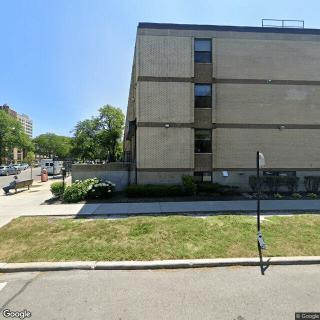
- The grounds are well kept with park-like greenery and ample seating.
- The facility can accommodate a variety of residents, including those with dementia, walkers, and wheelchairs.
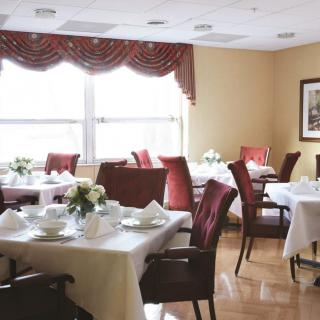
- The food is delicious, nutritious, and varied.
- They are strongly considering this facility as a suitable option for their aunt's needs.
Cons
 The care is horrible.
- The night nursing staff are horrible.
- A night nurse changed vitamins, causing stomach pain.
- The place reeked of something bad.
- The room was filthy.
- No one would want to send a loved one to this facility.
Review
Arbour Health Care Center in Chicago is best suited for seniors who prize an active, city-centric lifestyle with a lively social calendar and easy family access. The facility excels in creating a welcoming, apartment-like ambiance where residents mingle in a clean, organized environment and can participate in a broad slate of activities, bingo, movies, ice cream socials, table games, and regular outings to local shops and dining. The grounds are well-kept and park-like, with ample seating and outdoor spaces that support a social, outdoor-friendly routine. This is a setting that supports mobility on site and accommodates a range of residents, including those who use walkers, wheelchairs, or have dementia-related needs, all within a conducive, community-focused atmosphere.
Those who should consider alternatives are primarily families seeking consistently high-touch clinical care and unwavering cleanliness. The reviews surface a troubling note about night-time nursing care, including an instance of medication changes tied to stomach pain and a clear call from a visitor that the night-shift staff can be problematic. In addition, there are concerns about cleanliness in at least one resident’s room and a strong odor reported by another visitor. When 24/7 medical attention, meticulous housekeeping, or tightly controlled routines are non-negotiable, Arbour may not meet those thresholds. In short, this is not the right fit for someone requiring flawlessly consistent care across all shifts.
The strongest pros, engaging programming, accessible location, friendly staff, and a strong food program, offer meaningful offset to the principal concerns only when a family can accept variability in staffing quality. The abundance of activities and the willingness of staff to accompany residents on outings create meaningful social stimulation and prevent isolation, which is a common risk in senior living. The urban setting means relatives can visit with ease, and the on-site conveniences, barber and salon services, plus a broad menu, add tangible quality of life. These positives matter most when the goal is a vibrant, communicative community rather than a strictly clinical environment. If day-to-day life hinges on engagement and access to amenities, the pros carry substantial weight.
Yet the drawbacks should not be minimized. Inconsistent night-time caregiving can undermine safety and peace of mind, and even a single episode of improper medication handling can have serious consequences. The negative experiences described, ranging from a troubling smell and dirty room to a sense that care quality is uneven, signal potential gaps in supervision or turnover that families must scrutinize. These issues do not negate the solid social framework and comfort of the grounds, but they do erode trust and raise legitimate concerns about ongoing oversight and accountability. The decision hinges on whether the strength of daytime social life and location can compensate for a perceived fragility in 24/7 care and housekeeping standards.
To proceed wisely, implement a structured, due-diligence approach during a visit. Request to observe both daytime and evening shifts, and ask for candid feedback from current residents’ families about care consistency. Probe the staff-to-resident ratio during different shifts, and review the most recent state inspections and any incident reports. Taste-test the menu and, if possible, sample a service, such as the barber or salon, to gauge the level of attentiveness. Verify disaster-preparedness, housekeeping schedules, and cleaning protocols, and confirm policies that protect resident safety and dignity. Finally, insist on a trial period or a clearly defined transition plan that aligns with the resident’s medical needs and personal rhythms.
Bottom line: Arbour Health Care Center offers a compelling option for families prioritizing social engagement, urban accessibility, and a robust activity calendar. It is a practical fit for seniors who want a lively community and are comfortable with potential variability in night-time care and cleanliness. For those whose core requirement is unwavering, high-quality clinical attention around the clock and pristine housekeeping, exploring alternatives with stronger track records on staffing consistency and environmental standards is prudent. A disciplined, in-person tour combined with targeted questions will reveal whether this balance between liveliness and caution can be confidently relied upon.
 99 resident community capacity
 Memory Care
 Skilled Nursing Facility
 Air-conditioning
 Beauty salon
 Cable or satellite TV
 Computer center
 Dining room
 Fitness room
 Fully furnished
 Gaming room
 Garden
 Housekeeping services
 Kitchenette
 Move-in coordination
 Outdoor space
 Private bathrooms
 Respite or short term stays offered
 Restaurant-style dining
 Small library
 Telephone
 Wellness center
 Wi-Fi/high-speed internet available
 Chicago O'Hare International (12 miles away)
 Community operated transportation
 Howard
  12-16 hour nursing
 24-hour call system
 Activities of daily living assistance
 Assistance with bathing
 Assistance with dressing
 Assistance with transfers
 Diabetes diet
 Hospice care
 Medication management
 Mental wellness program
 Special dietary restrictions
 Concierge services
 Planned day trips





 Memory Care Pathways: A Holistic Guide to Dementia Support
 Comprehending Evening Confusion in Dementia: Causes, Manifestations, and Support
 Delirium and Dementia: Unraveling the Key Differences