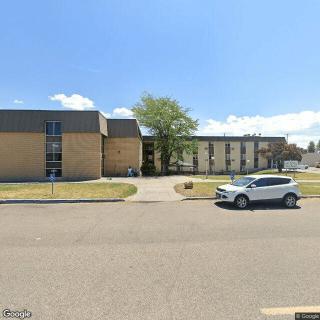
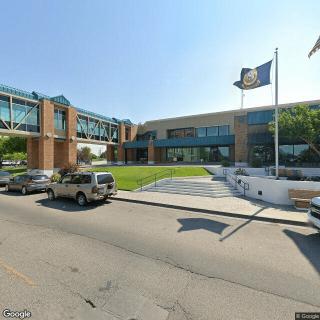
Syringa Chalet Nursing Facility in Blackfoot, ID

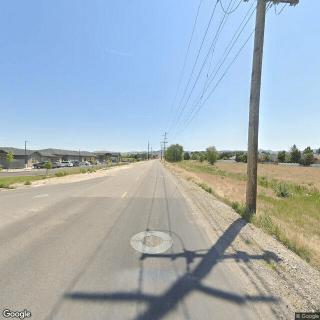
700 East Alice Street, Blackfoot, ID 83221

For more information about senior living options: (844) 490-3973

2.3 from 44 reviews
5 stars
9
4 stars
4
3 stars
4
2 stars
2
1 stars
25

Skilled Nursing Facility

Overall Review of Syringa Chalet Nursing Facility

Pros

  • pro The staff were genuinely caring and sensitive.
  • pro The staff were extremely friendly and helpful, with lots of social activities and team-building.
  • pro The facility offered amenities like a patient library, a cafe, open grounds, and even bowling trips.
  • pro Visitors found the staff to be helpful and friendly.
  • pro The psychiatrists, nurses, and mental health counselors were very good and supportive.
  • pro The reviewer enjoyed activities such as gym, yoga, the cafe, laser tag, and bowling.
  • pro Heather was a good provider and the clinician was nice.

Cons

  • pro They describe the staff as vindictive, incompetent, and bullies who escalate conflicts.
  • pro They claim the facility functions more like a holding unit than a recovery program.
  • pro They report that staff misrepresented actions in reports and dismissed patients' PTSD.
  • pro They say patients were stripped of dignity, had their clothing removed, and were strapped to chairs or placed in padded rooms for hours.
  • pro They describe the environment as oppressive, prison-like, with harsh or unclean conditions.
  • pro They claim patients were isolated during downtime and denied visits, music, or outdoor time.
  • pro They allege neglect and unsafe care, including misused medications and delayed prescriptions.
  • pro They argue the hospital is over-staffed, under-resourced, and focused on keeping people there for insurance reasons.
  • pro They call the facility dangerous and some say it should be shut down or described as a cattle farm for the mentally ill.
  • pro They would not recommend this facility to others.

Review

This community is best suited for families seeking a tightly controlled, hospital-like setting for short-term stabilization of challenging psychiatric cases, where routine, structure, and supervised activities are prioritized over individualized, trauma-informed care. It is not a universal solution for every mental-health need, and those who expect consistently compassionate, patient-centered treatment should look elsewhere. In particular, families who require collaborative, transparent communication, steady medication management, and a strong emphasis on patient rights should consider alternatives. The strongest fit appears to be for cases where safety and containment are primary concerns, and where families are prepared to supervise progress closely.

On the positive side, the environment occasionally delivers meaningful, activity-rich engagement. Several reviews point to a calendar of recreational and social options - outings to cafes, bowling, parks, and other local venues, plus garden-variety arts and crafts - that can enliven days and provide peer connection. There are mentions of staff who are genuinely kind and helpful, along with programs that encourage physical activity and social participation. When functioning well, these elements can offer motivation, rhythm, and a foothold for personal improvement. For families seeking predictable routines and accessible amenities within a campus-like setting, these redeeming features can be appealing.

However, the bulk of the reviews highlight deep, systemic concerns that undermine any modest gains from those pros. Repeated accounts describe staff as vindictive, dismissive, or unsafe, with reports of coercive measures, misrepresentation, and a lack of genuine listening to patients' needs. The most troubling themes include long periods of isolation or restraint, stripping of personal autonomy, and a work culture that at times seems more punitive than therapeutic. Families must weigh the real danger these patterns pose to a vulnerable loved one, especially someone with trauma history or a sensitive psychiatric profile. The overall environment emerges as a high-risk setting rather than a consistently healing one.

In weighing the pros against these main cons, the hopeful elements - activities, occasional caring staff, and accessible amenities - do not reliably offset the fundamental safety and ethical concerns raised in the reviews. When care quality and patient dignity are uneven, the risk to patients becomes the dominant factor. Even if several staff members show warmth or professionalism, the reported incidents of coercive treatment, poor communication, and inconsistent care protocols cast a long shadow over day-to-day experiences. For families prioritizing a respectful, trauma-informed approach with steady accountability, this disparity argues strongly against the status quo.

Alternatives deserve explicit consideration. Families should compare other regional psychiatric hospitals and residential programs that emphasize patient rights, consistent medication oversight, and transparent care planning. Private facilities, community mental-health networks, and outpatient pathways may provide more reliable continuity and a calmer therapeutic environment. Youth and families with prior negative experiences or trauma histories should especially seek options with documented safeguards, robust advocacy, and a proven track record of collaborative treatment planning, rather than a campus with widely reported mistreatment concerns.

For those who proceed with any option in Blackfoot, a rigorous, proactive due-diligence process is essential. Before admission, request a detailed care plan, patient-rights briefing, and a clear continuum of care, including how crises are managed and who advocates for the patient. Schedule conversations with multiple clinicians, ask for recent outcome data, and connect with former and current families to gauge consistency of care. Verify licensing and complaint histories, and insist on a dedicated, visible point person for updates. In short, this facility should be approached with caution, and alternatives should be actively pursued unless a compelling, well-structured plan demonstrates that the risks have been comprehensively addressed.

Features

Housing

  • 29 resident community capacity 29 resident community capacity

Types of Care

  • Skilled Nursing Facility Skilled Nursing FacilitySkilled Nursing Facilities are crucial for seniors as they provide round-the-clock medical care, rehabilitation services, and assistance with daily activities. These facilities ensure that seniors receive the specialized care they need to maintain their health and well-being as they age.

Amenities

  • Beauty salon Beauty salonBeauty salons are important for seniors because they provide a space for them to feel pampered, socialize, and maintain their personal grooming and hygiene. Regular visits to a beauty salon can help boost seniors' self-esteem and overall well-being.
  • Cable or satellite TV Cable or satellite TVCable or satellite TV is important for seniors because it provides entertainment, news, and companionship, helping to combat loneliness and boredom. It also offers a wide range of programming options tailored to different interests and preferences.
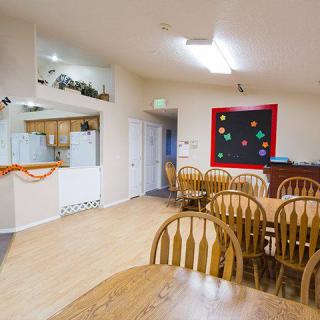
  • Dining room Dining roomDining rooms are important for seniors as they provide a space for socialization, connection, and nutritious meals. They offer opportunities for residents to bond over shared meals, foster a sense of community, and promote healthy eating habits. Dining rooms also ensure that seniors have access to well-balanced meals tailored to their dietary needs and preferences.
  • Fully furnished Fully furnishedFully furnished senior living communities are important for seniors because they provide convenience, comfort, and a hassle-free moving experience. Seniors can easily settle into their new living space without the stress of having to buy and move furniture. This allows them to focus on enjoying their new home and community.
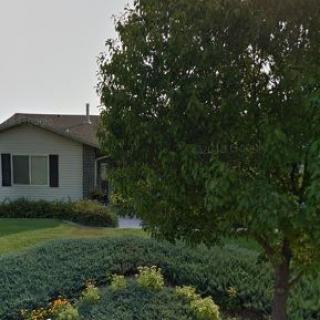
  • Garden GardenGardens are important for seniors as they provide a peaceful and therapeutic environment for relaxation, physical activity, and socialization. Being in nature has been shown to reduce stress, improve mood, and promote overall well-being. Gardens also offer opportunities for seniors to engage in gardening activities, which can improve mobility, flexibility, and cognitive function. Additionally, gardens create a sense of community and connection with others who share a passion for plants and outdoor spaces.
  • Housekeeping services Housekeeping servicesHousekeeping services are important for seniors because they help maintain a clean and safe living environment, promote independence, and reduce the risk of accidents or illnesses. Additionally, having assistance with household chores can alleviate physical strain and allow seniors to focus on other aspects of their well-being.
  • Kitchenette KitchenetteKitchenettes are important for seniors living in senior living communities because they provide the convenience and independence of being able to prepare simple meals and snacks in the comfort of their own living space. This can help promote a sense of autonomy and well-being for seniors, allowing them to maintain some level of control over their dietary choices and daily routines.
  • Move-in coordination Move-in coordinationMove-in coordination is important for seniors because it helps ease the transition into their new living environment. It ensures that all logistics, such as packing, organizing movers, and setting up utilities are taken care of, allowing seniors to focus on settling in and adjusting to their new home. Having a smooth move-in process can alleviate stress and anxiety, making the transition smoother and more enjoyable for seniors.
  • Outdoor space Outdoor spaceOutdoor spaces are important for seniors as they provide opportunities for physical activity, social interaction, exposure to natural light and fresh air, and a sense of connection to nature. Having access to outdoor spaces can improve overall well-being and quality of life for older adults living in senior communities.
  • Restaurant-style dining Restaurant-style diningRestaurant-style dining is important for seniors because it allows them to enjoy delicious, nutritious meals in a social and upscale setting. This enhances their dining experience, promotes healthy eating habits, and fosters socialization with fellow residents, ultimately contributing to their overall well-being and quality of life.
  • Small library Small librarySmall libraries are important for seniors as they provide access to a variety of reading materials, including books, newspapers, and magazines. This can help stimulate their minds, keep them engaged, and provide a sense of community through book clubs and other social activities. Additionally, reading has been shown to improve cognitive function and overall mental well-being in older adults.
  • Telephone TelephoneTelephones are important for seniors as they provide a lifeline for communication with loved ones, emergency services, and healthcare providers. They offer a sense of security and independence, enabling seniors to stay connected and access assistance when needed.
  • Wi-Fi/high-speed internet available Wi-Fi/high-speed internet availableWi-Fi/high-speed internet is important for seniors to stay connected with loved ones, access online resources, and participate in virtual activities to combat feelings of loneliness and isolation. It also allows them to easily manage healthcare needs, access entertainment, and engage in lifelong learning opportunities.

Transportation

  • Pocatello Regional (23 miles away) Pocatello Regional (23 miles away)

Care Services

  • 24-hour call system 24-hour call system24-hour call systems are important for seniors because they provide peace of mind and immediate assistance in case of emergencies. This technology ensures that help is always available, promoting safety and security for elderly individuals living alone or in assisted living facilities.
  • 24-hour supervision 24-hour supervision24-hour supervision is important for seniors to ensure their safety, well-being, and access to immediate assistance in case of emergencies or health issues. This constant support provides peace of mind for both seniors and their loved ones, allowing them to age in place with dignity and security.
  • Activities of daily living assistance Activities of daily living assistanceActivities of daily living assistance are important for seniors because they provide essential support with tasks such as eating, bathing, dressing, and mobility. This assistance helps seniors maintain their independence, dignity, and overall quality of life as they age.
  • Assistance with bathing Assistance with bathingAssistance with bathing is crucial for seniors as it helps maintain personal hygiene, prevents infections, and ensures their overall well-being and comfort. It also provides a sense of dignity and independence for seniors who may struggle with this task on their own.
  • Assistance with dressing Assistance with dressingAssistance with dressing is important for seniors because it helps maintain their independence, promotes personal hygiene, prevents accidents and injuries, and improves overall quality of life. This service ensures that seniors can continue to dress comfortably and confidently, despite any physical limitations they may have.
  • Assistance with transfers Assistance with transfersAssistance with transfers is crucial for seniors as it helps prevent falls and injuries, maintains their independence, and ensures they can safely navigate their living environment. It also provides peace of mind for both seniors and their loved ones.
  • Diabetes diet Diabetes dietA diabetes diet is crucial for seniors as it helps manage blood sugar levels, reduce risks of complications, and improve overall health and well-being. By following a balanced and nutritious diet tailored to their specific needs, seniors can better control their diabetes and enhance their quality of life.
  • Meal preparation and service Meal preparation and serviceMeal preparation and service are crucial for seniors as they may have limited mobility or energy to cook nutritious meals. Having access to healthy and convenient food options can ensure they are getting the proper nutrition needed to maintain their overall health and well-being.
  • Medication management Medication managementMedication management is crucial for seniors to ensure they are taking the right medications at the correct dosages and times. This helps prevent adverse drug interactions, reduces the risk of medication errors, and promotes overall health and well-being. Proactive management also allows for adjustments as needed based on changing health conditions or new prescriptions.
  • Mental wellness program Mental wellness programMental wellness programs are essential for seniors as they promote cognitive stimulation, emotional support, and social engagement. These programs help prevent isolation, depression, and cognitive decline, ultimately enhancing the overall quality of life for older adults.
  • Special dietary restrictions Special dietary restrictionsSpecial dietary restrictions are important for seniors because age-related changes in metabolism and health conditions can make it difficult for their bodies to process certain foods. By following a diet tailored to their specific needs, seniors can maintain their overall health and well-being, manage chronic conditions, and reduce the risk of complications such as malnutrition or food interactions with medications.
Dining

  • Diabetes diet Diabetes dietA diabetes diet is crucial for seniors as it helps manage blood sugar levels, reduce risks of complications, and improve overall health and well-being. By following a balanced and nutritious diet tailored to their specific needs, seniors can better control their diabetes and enhance their quality of life.
  • Special dietary restrictions Special dietary restrictionsSpecial dietary restrictions are important for seniors because age-related changes in metabolism and health conditions can make it difficult for their bodies to process certain foods. By following a diet tailored to their specific needs, seniors can maintain their overall health and well-being, manage chronic conditions, and reduce the risk of complications such as malnutrition or food interactions with medications.

Activities

  • Community-sponsored activities Community-sponsored activitiesCommunity-sponsored activities are important for seniors as they provide opportunities for social interaction, mental stimulation, and physical activity. These activities can help improve overall well-being, combat loneliness and isolation, and promote a sense of belonging and purpose among older adults.
  • Resident-run activities Resident-run activitiesResident-run activities are important for seniors as they encourage social interaction, creativity, and a sense of autonomy. These activities empower seniors to stay engaged and active in their community while fostering meaningful connections with their peers.
  • Scheduled daily activities Scheduled daily activitiesScheduled daily activities are important for seniors because they provide structure, socialization, mental stimulation, and physical activity. Engaging in regular activities can improve overall well-being and quality of life for seniors living in a community setting.

Description

Syringa Chalet Nursing Facility in Blackfoot, ID offers a comfortable and convenient assisted living community for seniors. Our facility provides a range of amenities to ensure residents have everything they need for a fulfilling lifestyle. Each room is fully furnished and equipped with cable or satellite TV, telephone, and Wi-Fi/high-speed internet access. Our dining room offers restaurant-style dining for residents to enjoy delicious meals prepared by our skilled staff. Special dietary restrictions can be accommodated.

Our caring staff is available 24 hours a day to provide supervision and assistance with activities of daily living such as bathing, dressing, and transfers. We also have a mental wellness program to promote emotional well-being among our residents. Medication management services are provided to ensure that each resident receives their medications on time.

At Syringa Chalet Nursing Facility, we understand the importance of staying socially active and engaged. Residents can participate in resident-run activities and scheduled daily activities to keep them entertained and connected with others. For those who enjoy outdoor spaces, our facility has a beautiful garden and outdoor space where residents can relax or engage in light exercise.

Convenience is key at Syringa Chalet Nursing Facility. We have several nearby amenities including cafes, parks, pharmacies, physicians' offices, restaurants, transportation options, places of worship, theaters, and hospitals. This ensures that residents have easy access to necessary services and entertainment options.

We strive to provide a comfortable and supportive environment for seniors at Syringa Chalet Nursing Facility in Blackfoot, ID. With our range of amenities and care services, we aim to enhance the quality of life for each resident while promoting their independence and well-being.

Nearby Places of Interest

Hospitals

  • State Hospital South (0.1 miles)
  • Bingham Memorial Grants, Research, CME, And Community Education Offices (0.6 miles)
  • BMH (0.8 miles)
  • Bingham Memorial Hospital (0.8 miles)

Places of Worship

  • Church of Jesus Christ of Latter Day Saints (0.2 miles)
  • Family History Center (0.4 miles)
  • Church of Christ (0.4 miles)
  • St Pauls Episcopal Church (0.4 miles)
  • Calvary Chapel (0.5 miles)
  • Church of Jesus Christ of Latter Day Saints (0.7 miles)
  • Calvary Chapel of Blackfoot (0.7 miles)

Restaurants

  • Rupe's Burgers (0.5 miles)
  • Melina's Mexican Food (0.5 miles)
  • Tumbleweed Saloon (0.6 miles)
  • New Hong Kong Restaurant (0.6 miles)
  • New Frontier Saloon (0.6 miles)
  • Downtown Bread Co. (0.6 miles)
  • Casa Garcia (0.6 miles)

Parks

  • Courthouse Square (0.5 miles)
  • Jensen Grove Park (1.6 miles)

Transportation

  • U-Haul Neighborhood Dealer (0.5 miles)
  • Alamo (1.1 miles)
  • Yellow Cab (1.4 miles)
  • McCarley Field Airport (U02) (1.6 miles)
  • Austin Rentals / Austin RV Rentals (4.7 miles)
  • Second Nature Taxidermy (18.1 miles)

Theaters

  • Blackfoot Movie Mill (0.8 miles)

Physicians

  • Heather D Pugmire (0.8 miles)
  • John Whiting MD (0.8 miles)
  • Idaho Physicians Clinic (0.8 miles)
  • Cedar Creek Family Medicine (0.8 miles)
  • Idaho Pain Group (0.8 miles)
  • Complete Family Eye Care - Dr Cody Jones (1.5 miles)
  • Indian Health Center (11.9 miles)

Pharmacies

  • Medical Plaza Pharmacy (0.8 miles)
  • Walgreens (1.2 miles)
  • Walmart Pharmacy (1.5 miles)
  • Norco (1.5 miles)
  • Broulim's Supermarket (16.5 miles)
  • Smith's Food & Drug (19.4 miles)

Cafes

  • Mudslingers of Blackfoot (0.9 miles)
  • Wake Up Call (1 miles)
  • XII Stones (1.4 miles)
  • Java Espress - Bl (1.5 miles)

Frequently Asked Questions

Where is Syringa Chalet Nursing Facility?

Nearby Communities

  • Sunset Manor Apartments

    Sunset Manor Apartments

    Blackfoot, ID

    5 from 1 review
     

    pro Extensive nearby amenities and healthcare access.

  • Diamond Peak Of Blackfoot

    Diamond Peak Of Blackfoot

    Blackfoot, ID


    pro Comprehensive care with 24/7 supervision, ADL assistance, medication management, and health care coordination.

  • Bingham County Nursing Home

    Bingham County Nursing Home

    Blackfoot, ID


    pro Vibrant community with convenient access to dining, healthcare, parks, transportation, worship, and cultural activities.

  • Bingham Memorial Skilled Nursing & Rehabilitation

    Bingham Memorial Skilled Nursing & Rehabilitation

    Blackfoot, ID

    2.2 from 5 reviews
     

    pro Clean rooms with some friendly staff.

  • Willows

    Willows

    Blackfoot, ID

    3.9 from 21 reviews
    $2,200 to $2,800 / month

    pro Caring staff with engaging activities and strong safety practices.

  • The Willows Blackfoot Operations

    The Willows Blackfoot Operations

    Blackfoot, ID


    pro Fully furnished living spaces with 24/7 supervision, daily living assistance, meals, housekeeping, and care coordination.

  • Grace At Chubbuck

    Grace At Chubbuck

    Chubbuck, ID

    4.3 from 28 reviews
    $2,200 to $4,500 / month

    pro Brand-new, well-run facility with spacious rooms, great dining, and engaging activities.

  • Ashley Manor Hawthorne

    Ashley Manor Hawthorne

    Pocatello, ID

    4 from 8 reviews
    $2,800 to $3,200 / month

    pro Previously clean and welcoming with friendly staff.

  • Rosetta Of Pocatello

    Rosetta Of Pocatello

    Pocatello, ID

    4.8 from 42 reviews
    $2,500 to $3,200 / month

    pro Warm, home-like environment with compassionate, personalized care.

Skilled Nursing Facility in Nearby Cities

Related Resources

  • does medicare cover home health careNavigating Medicare Coverage for In-Home Care Services

    Medicare covers in-home health care services, which are medical and provided by licensed professionals under a physician's supervision, whereas non-medical personal assistance is generally not covered unless part of a broader skilled care plan. Eligibility for benefits depends on being homebound and needing intermittent skilled services from a Medicare-certified agency, with specific coverage limitations and additional resources available for navigating options.

  • how much does private home care cost per hourIn-Home Care Costs in 2025: A Detailed State-by-State Exploration

    In-home care is increasingly sought after by older adults for maintaining independence, with average private home care rates in 2025 varying by state and service type, reflecting geographical and local labor market influences. As demand rises, families are considering funding options like Medicaid waivers and long-term care insurance to manage costs effectively while ensuring quality care.

  • what is home health careUnderstanding Home Health Care: A Comprehensive Guide

    Home health care has become essential for supporting independence among the aging population, offering diverse services such as skilled nursing and rehabilitation in familiar environments, while also incorporating technology for personalized care. Despite its benefits, including improved recovery rates and emotional well-being, challenges like safety, staff availability, and insurance navigation must be managed for effective implementation.