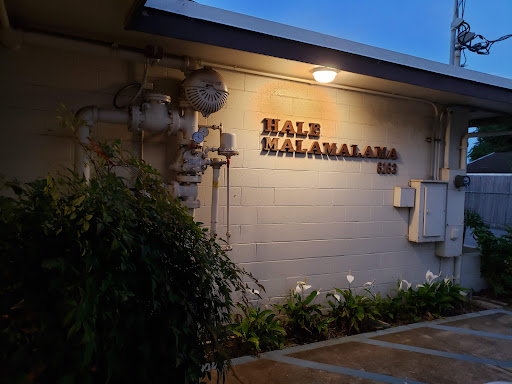




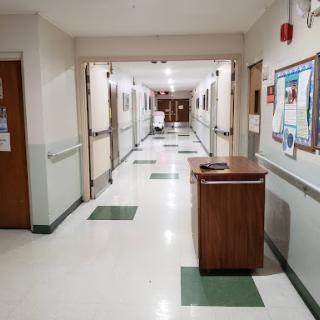

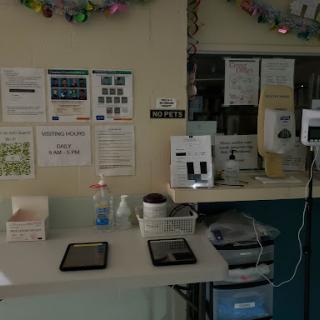
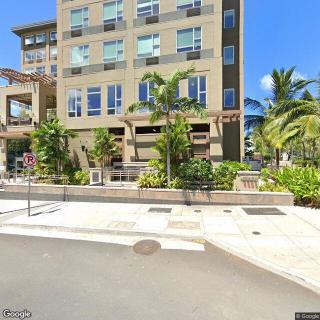
6163 Summer Street, Honolulu, HI 96821
For more information about senior living options: (866) 208-4318
Overall Review of Hale Malamalama
Pros
 The facility's staff are friendly, caring, attentive, engaging, knowledgeable, and faithful.
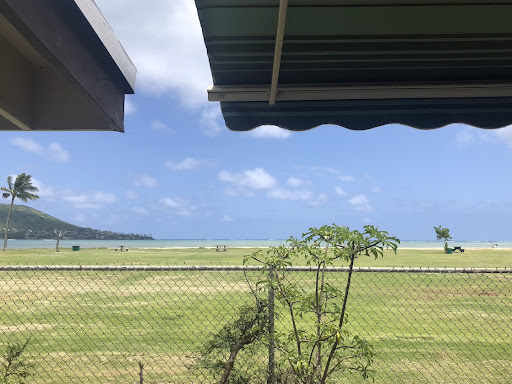
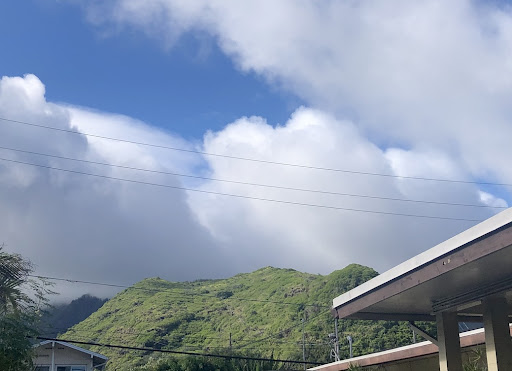
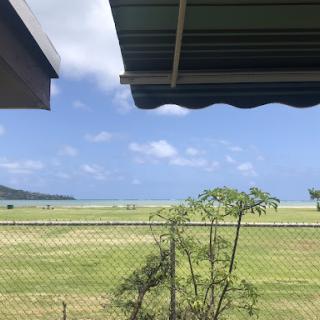
- The location is beautiful, right in front of the beach, with ocean views and a refreshing breeze.
- The food is great and appetizing.
- Nurses and aides regularly visit patients, ensuring no one is left alone.
- Private rooms with ocean views provide quiet time for families.
- Team members receive heartfelt appreciation and aloha.
Cons
 One staff member was rude to the reviewer, telling them, "I am not your ate!"
- Some staff members were not friendly.
- The staff were described as judgmental.
Review
Hale Malamalama is best suited for families and residents who prize a beachfront setting in Honolulu paired with a warm, actively engaged care culture. The community tends to attract seniors who value personal attention, social interaction, and a sense of “aloha” in daily care. It works well for those who can tolerate shared accommodations or who can later transition to a private ocean-view room for quiet time. Those who demand unwavering, uniform privacy and stone-cold consistency across all staff shifts may want to consider alternatives.
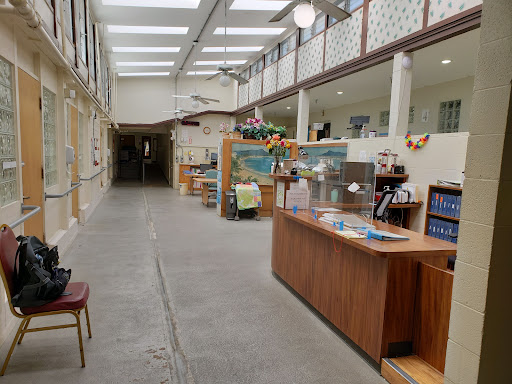
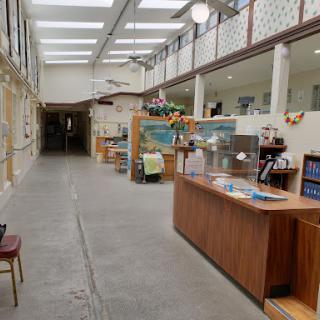
On the plus side, the location is hard to beat. The facility sits right in front of the beach, offering regular opportunities to enjoy sea breezes and pleasant views. Food is consistently described as satisfying, and meals become a natural anchor for residents who look forward to dining experiences. The staff culture is the standout strength: residents are attended to with care, and the team is described as friendly, engaging, knowledgeable, and faithful. The setting is built around daily contact with caregivers, with nurses and aides routinely checking in, so no one feels abandoned. Even when spaces are shared, there is a sense that the patient’s needs are seen and addressed, which matters in a community where companionship and support are critical.
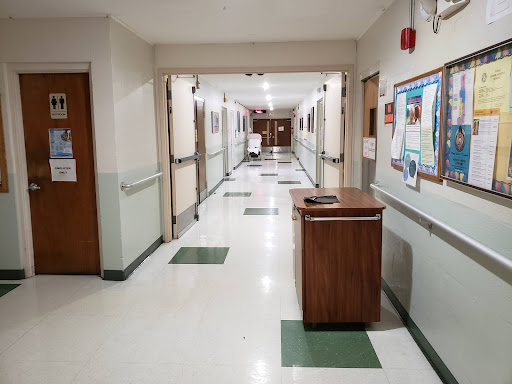
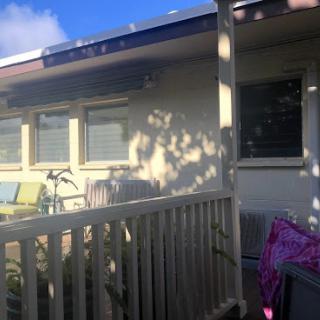
That sense of connection, however, does come with notable caveats. The most tangible drawback is the room configuration. Shared rooms house up to four patients and do not offer meaningful private views; even when windows exist, the sunlight is the extent of the view. This can be limiting for residents who prioritize dignity of space or who require quiet in the midst of caregiving. While some private rooms with ocean views exist, access to them appears uneven, and not every resident will experience that advantage. Those who insist on guaranteed privacy or who fear frequent interruptions may find the layout a real hurdle.
Equally important are the mixed interpersonal experiences reported within the staff. While many interactions are positive, there are still reports of less favorable behavior. One account highlights a kitchen staff member responding with a rude attitude, and others note that some staff members can feel unfriendly or judgmental. Such inconsistencies can erode confidence in daily care, especially for families relying on predictable, empathetic communication. These experiences do not completely erase the care strengths, but they do create a risk profile: variability in the resident experience based on who is on shift and which unit they’re in.
Despite those concerns, the pros often offset the cons for families who can navigate the trade-offs. The combination of a beautiful location, solid meal quality, and a care team that shows up, frequently enough to prevent isolation, creates a practical foundation for day-to-day life. The opportunity to access private ocean-view space for moments of privacy or quiet time, when available, adds meaningful value for residents needing a respite from shared-room living. The overall environment fosters companionship and continuity of care, which can be decisive for families seeking a humane, engaging setting where a loved one can spend meaningful time in a supportive community.
For families weighing Hale Malamalama against alternatives, the decisive question centers on privacy expectations and staff consistency. If private space without compromise and uniformly positive staff experiences across all shifts are non-negotiable, exploration of other Honolulu options is prudent. Look for facilities with guaranteed private rooms, clearer room assignment policies, and a more consistently praised staff culture. If, conversely, the priority is a beach-adjacent lifestyle, a lively but caring community, and access to attentive care within a culturally warm environment, Hale Malamalama delivers a compelling value.
In the end, Hale Malamalama stands as a practical, experience-tested choice for elders who want proximity to the ocean, good meals, and a care team that genuinely shows up for residents. The location and daily care cadence are its strongest assets, and the presence of private rooms with views offers a meaningful upside for those able to secure them. Prospective families should plan a visit with deliberate questions: request a tour of shared and private rooms, meet the caregiving staff across shifts, observe interactions during peak activity times, and inquire about current occupancy and room availability. When these factors align, Hale Malamalama becomes not just a place to live, but a setting where a loved one can receive attentive care in a serene, seaside environment.
 40 resident community capacity
 Skilled Nursing Facility
 Beauty salon
 Cable or satellite TV
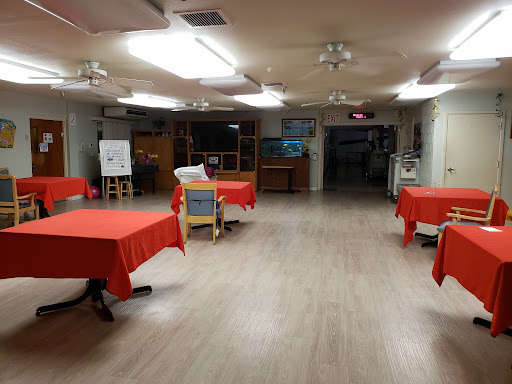
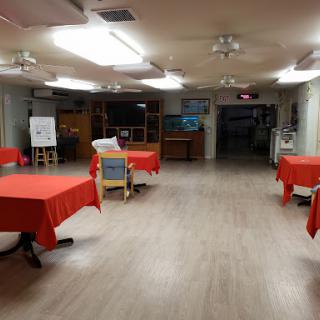
 Dining room
 Fully furnished
 Garden
 Housekeeping services
 Kitchenette
 Move-in coordination
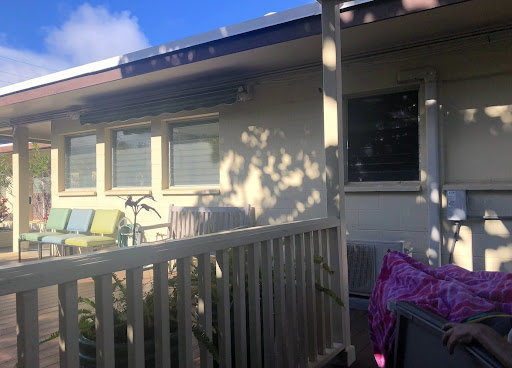
 Outdoor space
 Restaurant-style dining
 Small library
 Telephone
 Wi-Fi/high-speed internet available
 Honolulu International (13 miles away)
 24-hour call system
 Activities of daily living assistance
 Assistance with bathing
 Assistance with dressing
 Assistance with transfers
 Diabetes diet
 Medication management
 Mental wellness program
 Special dietary restrictions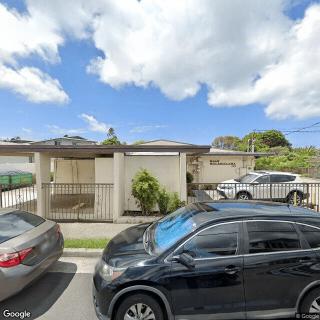





 Exploring Palliative Care in the Home: A Comprehensive Overview
 Comprehensive Insights into Palliative Home Care: What It Is and What to Expect
 Skilled Nursing Facilities vs. Nursing Homes: Making Sense of the Differences