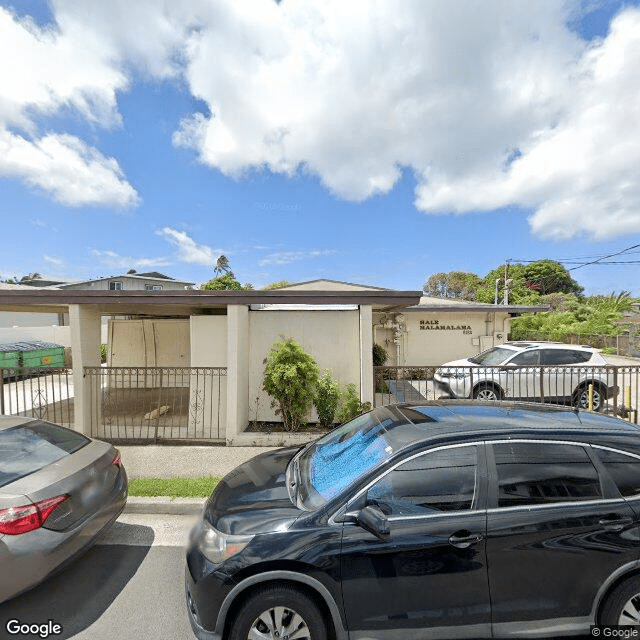
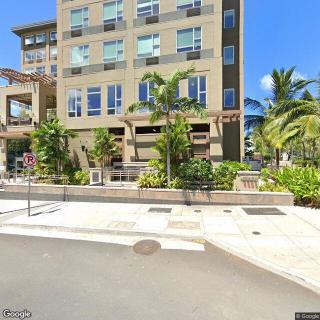
6163 Summer St, Honolulu, HI 96821
To contact a resident: (808) 396-0537
For more information about senior living options: (866) 208-4318
Overall Review of Hale Malamalama ICF
Pros
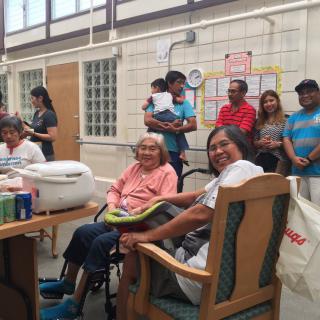
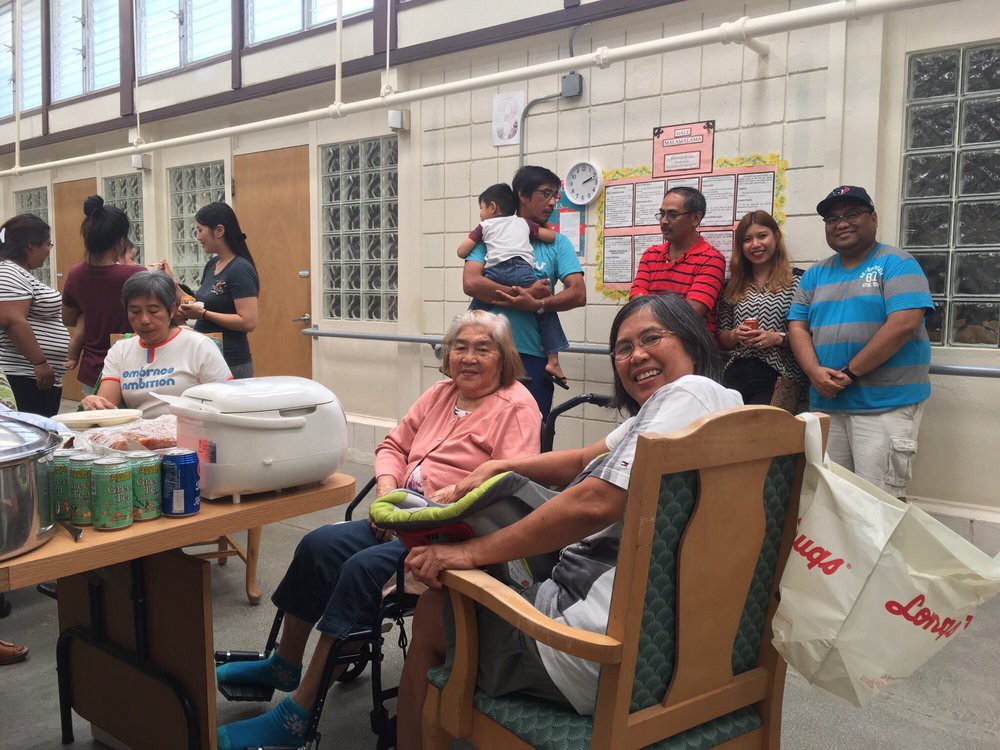
 All staff are described as friendly, caring, attentive, engaging, knowledgeable, and faithful.
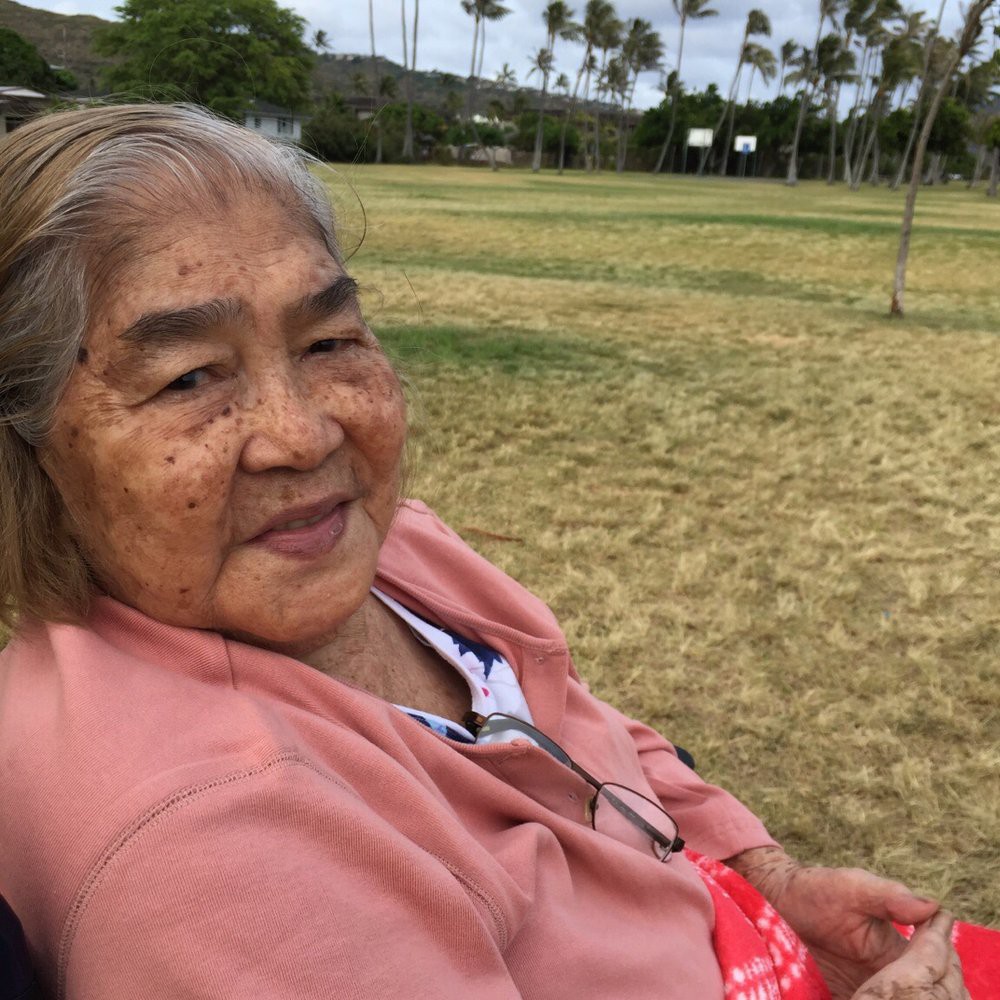
- The location is beautiful, situated right in front of the beach with ocean views and a refreshing breeze.
- The food is great.
- There are private rooms with ocean views.
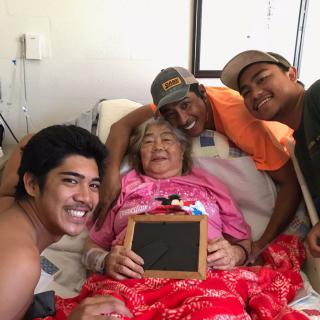
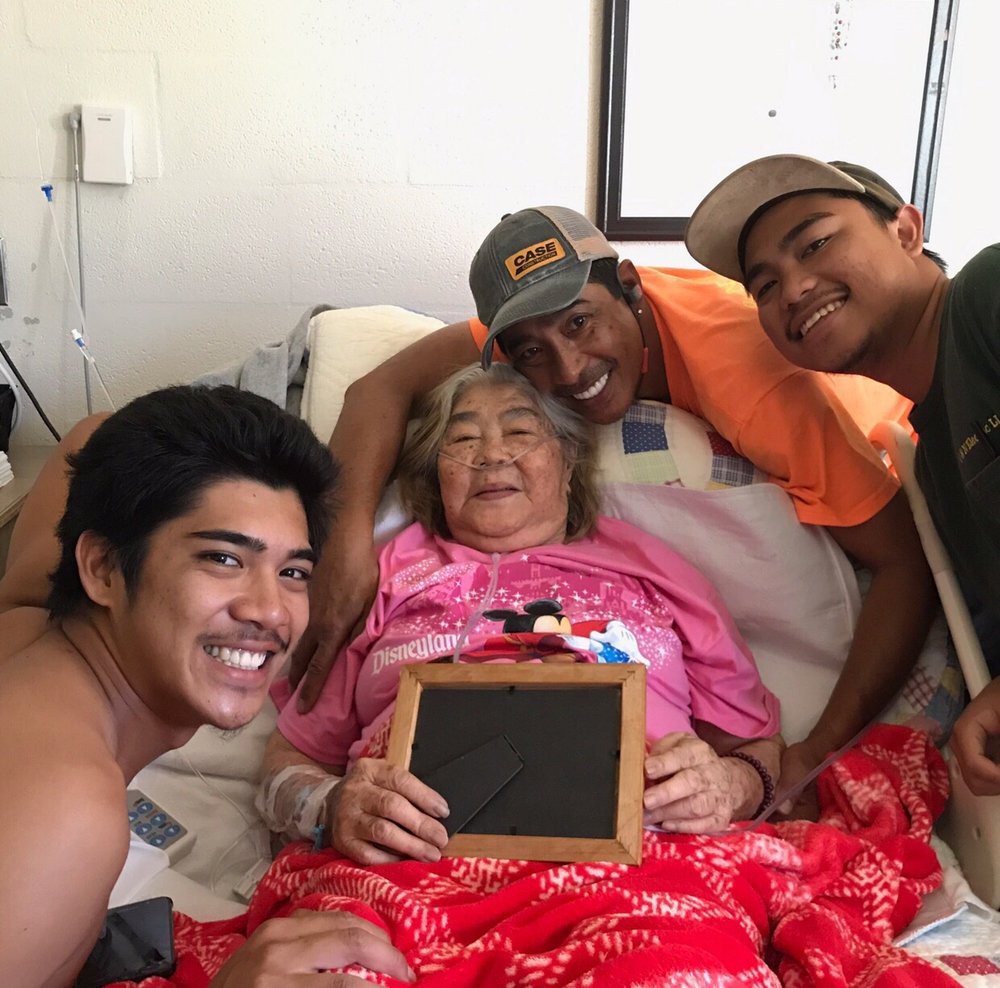
- They are grateful that their beloved mom could spend the last days there.
- No one is left alone here, as nurses and aides regularly check on patients.
- The staff greet guests in the morning with smiles.
Cons
 The shared room didn’t have views, with only a window for sunlight.
 - Some staff members were not friendly and were judgmental.
- A kitchen staff member responded with a rude attitude, saying, “I am not your ate!”
Review
This community is best suited for seniors who prize a coastal setting, a visible sense of aloha from many staff members, and a living arrangement that accommodates shared accommodations without sacrificing access to attentive care. Hale Malamalama ICF sits right on the Honolulu shoreline, offering ocean breezes and easy opportunities for loved ones to enjoy the view and fresh air. The care team is described as friendly, engaging, knowledgeable, and faithful, with moments of genuine warmth that can make families feel that their loved ones are not overlooked. Private ocean-view rooms exist, but they are not universal, and shared rooms up to four residents are common, making the location and atmosphere a central selling point for many prospective residents.
Those weighing alternatives should consider how much emphasis is placed on consistently seamless staff interactions and private, quiet living spaces. A portion of the feedback highlights less favorable experiences with certain staff members, including an instance of rude behavior from a kitchen employee and occasional judgments from some staff. For families who cannot tolerate intermittent lapses in courtesy or who require very steady day-to-day interactions with a uniformly positive front-line team, other facilities with stronger, more uniform service reputations may be preferable. Likewise, if full-time privacy and a guaranteed private room with no shared space are non-negotiable, alternatives offering more predictable private accommodations should be explored.
The strongest positives, proximity to the beach, appealing surroundings, and a culture of care, partially offset the drawbacks by creating a comforting, engaging environment. The kitchen and dining experience is described as excellent, with meals that consistently satisfy appetites, an important factor for residents who rely on consistent nutrition and enjoyable dining. The daily rhythm is reinforced by frequent nurse and aide visits, reducing the sense of isolation and ensuring that residents are not left unattended. For families seeking end-of-life or quiet-time arrangements, the capacity to relocate a loved one to a private ocean-view room for periods of respite or comfort can be a meaningful advantage, even if such rooms are not guaranteed for every resident.
Still, the facility’s cons carry weight in decision-making. Shared rooms with up to four residents and windows that primarily provide sunlight rather than expansive views can limit privacy and personal space, especially for those who cherish a more homelike, private living area. The mixed staff experiences, friendly and attentive on one hand, with isolated reports of unfriendliness or judgment on the other, suggest that the care climate can feel uneven from shift to shift or from one department to another. Families should weigh these dynamics against the tangible benefits of the location and the presence of a caring, engaged team who are visible in daily operations.
Practical next steps for families are straightforward: schedule in-person tours during different times of the day to observe how staff interact with residents; inquire about private room availability, cost differentials, and any long-term residency plans; ask about staff training, communication practices, and how conflicts or misunderstandings are resolved. It is essential to verify how often residents are accompanied by caregivers, how mobility and activities are managed, and what provisions exist for respite or end-of-life care if that need arises. Understanding the balance between the oceanfront appeal and the potential for variability in service will help determine alignment with modern care expectations and family goals.
In the end, Hale Malamalama ICF offers a compelling mix: a beautiful, beach-adjacent setting, a dining program that residents praise, and a caregiving team that can be thoroughly supportive when the moment calls for it. It is a viable choice for families who value ambiance, accessible care, and the reassurance of regular staff engagement, provided that privacy needs and consistent front-line courtesy are weighed against the occasional negative experiences reported. For those who cannot compromise on either private accommodations or uniformly high, attentive service, exploring other Honolulu-area options may be warranted. The facility shines for those who prioritize location and a heartfelt, community-based care ethos, while it warrants caution for families whose top criteria are privacy consistency and flawless staff interactions across every shift.
 Board and Care Home
 Honolulu International (13 miles away)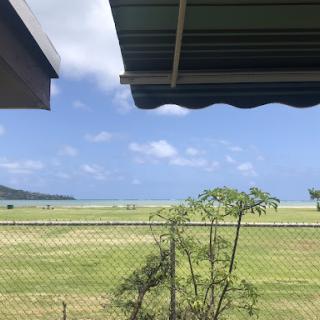





 Weight Training for Seniors: Building Strength and Vitality
 Understanding the Sandwich Generation: Stress and Responsibilities for Multigenerational Caregivers
 8 Essential Assistive Devices for Older Adults