
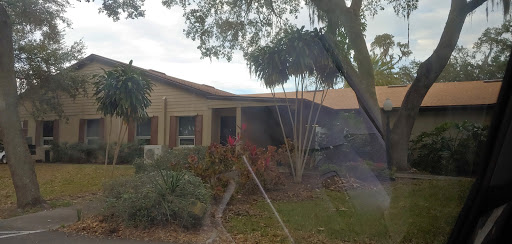


1500 Southgate Drive, Kissimmee, FL 34746
For more information about senior living options: (866) 208-4318
Overall Review of Good Samaritan Society - Kissimmee Village
Pros
 The staff are very nice.
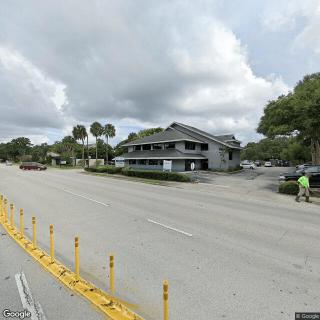
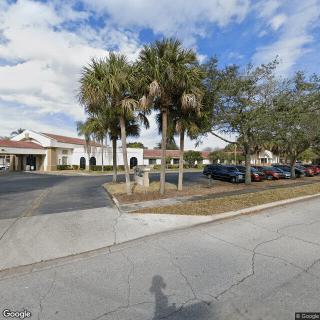
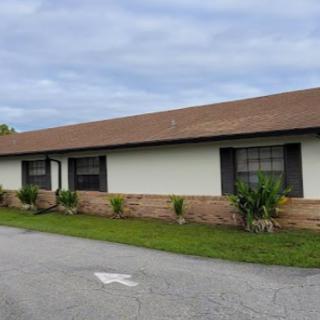
- The facility is spectacular.
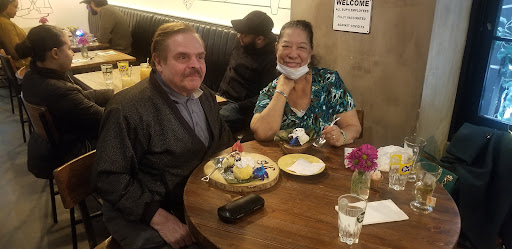
- The seniors are happy, and the staff are kind and sweet and vaccinated against COVID-19.
- It is very pleasant for both the residents and the staff.
Cons
 The facility never answers the phone.
- The facility never has enough staff.
- The facility lacks services.
- Admissions denied admission despite bed availability and insurance.
- They claimed they could not assist the mom with her needs.
- Admissions never returned any calls.
- A director claimed they could not assist the mother, without an opportunity to discuss her needs.
- Good Samaritan demonstrated a lack of care for the elderly in need.
- After-hours contact is impossible; staff cannot be reached after hours.
Review
This community is best suited for seniors who seek a warm, personable environment where caregivers show genuine kindness day to day and where daily life feels pleasant for both residents and staff. It works best for families whose loved ones have general assisted-living or custodial needs and do not require intensive memory-care programs or high-acuity clinical oversight. The standout factor is a welcoming, people-focused atmosphere, where residents often appear content and well cared-for when staff are present. Those evaluating care plans should be mindful that high-level memory-care support or highly specialized medical services may not be reliably available, and that admissions processes can prove inconsistent.
Consider alternatives for families whose loved ones require robust memory-care programming or seamless, predictable admissions coordination. Facilities with clear, verifiable memory-care capabilities and a proven track record of honoring admissions for memory-impaired residents will minimize last-minute gaps in care. Also worth comparing are communities that guarantee after-hours access to staff and a straightforward admissions path with transparent criteria. If certainty around service scope and prompt responsiveness is non-negotiable, exploring other options is prudent rather than risking delays or mismatches in care needs.
On the positive side, the most consistent strengths center on the human element: attentive, friendly staff and a clearly pleasant living environment. Reviews repeatedly highlight staff who are described as nice, caring, and engaged with residents, producing moments of happiness and a sense of belonging for many residents. The overall tone from many residents and families is that the facility is a good place to live when care needs align with what the team readily provides. This relational warmth matters greatly for daily quality of life and can offset other logistical frictions for families able to stay closely involved.
Yet the collection of downsides is hard to overlook. A recurring theme is poor or inconsistent communication, with reports of phones not answered, staff unavailable after hours, and admissions personnel who fail to return calls or clearly explain what the facility can or cannot provide. These gaps create a tangible risk for new residents and their families, especially when immediate needs or questions arise. The most troubling note is the mismatch between advertised capabilities (such as specialized long-term memory care) and the reality of what can be delivered, which can lead to disappointment and a loss of trust during the critical transition period.
The practical takeaway is that the positives, caring staff, a pleasant environment, and the general sense of well-being among residents, can be meaningful advantages for a viable candidate who does not require intensive memory or medical services. However, the cons demonstrate a potential brittleness in operations: if after-hours responsiveness, admissions accuracy, and alignment between marketed services and actual capabilities are non-negotiable, these factors substantially temper the value proposition. Families able to establish direct relationships with on-site leadership and who can actively oversee care planning may still find this community a good fit, but only with clear expectations and vigilant oversight.
For decision-makers, the path is targeted and pragmatic. Verify the exact scope of memory-care services and the criteria for admission, and obtain written clarification on what is guaranteed versus what requires transfer or referral. Schedule in-person conversations with admissions and the executive director to observe responsiveness and to confirm bed availability, service offerings, and staffing patterns for evenings and weekends. Assess whether the facility’s culture aligns with the elder’s personality and social needs, and compare with nearby options that offer stronger after-hours coverage and transparent service commitments. If those conditions cannot be met, steer toward communities with a documented track record of consistent communications and uncompromising admission standards, ensuring that care needs are matched to capabilities from the outset.
 161 resident community capacity
 Skilled Nursing Facility
 Air-conditioning
 Beauty salon
 Cable or satellite TV
 Computer center
 Dining room
 Fitness room
 Fully furnished
 Gaming room
 Garden
 Housekeeping services
 Kitchenette
 Move-in coordination
 Outdoor space
 Private bathrooms
 Restaurant-style dining
 Small library
 Telephone
 Wellness center
 Wi-Fi/high-speed internet available
 Orlando International (14 miles away)
 Community operated transportation
 12-16 hour nursing
 24-hour call system
 Activities of daily living assistance
 Assistance with bathing
 Assistance with dressing
 Assistance with transfers
 Diabetes diet
 Medication management
 Mental wellness program
 Special dietary restrictions
 Concierge services
 Planned day trips


 Financing Long-Term Nursing Home Care Through Social Security: A Thorough Exploration
 Essential Knowledge on Pneumonia in Older Adults
 Exploring Palliative Care in the Home: A Comprehensive Overview