
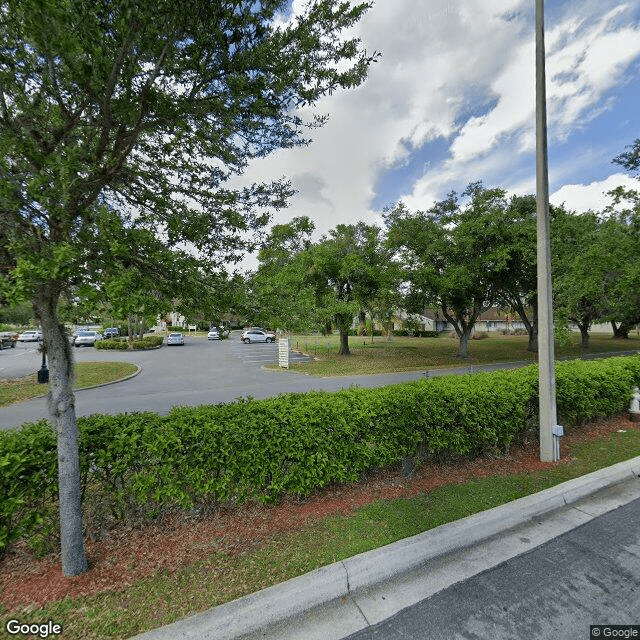
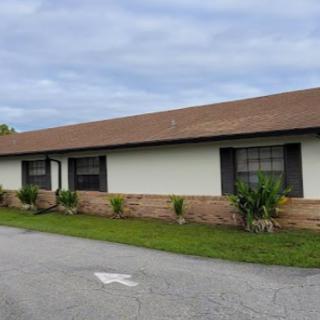
1500 Southgate Dr, Kissimmee, FL 34746
To contact a resident: (407) 846-7201
For more information about senior living options: (866) 208-4318
Overall Review of Good Samaritan Manor
Pros
 The staff are very caring and knowledgeable.
 - The facility feels like a resort for seniors with ample space and comfortable surroundings.
- There is a wide range of activities and wellness options, including pools, crafts, yoga, and dances.
- The staff are friendly, helpful, and attentive to residents’ needs.
- The campus is secure, with strong safety measures and controlled access.
- On-site amenities include health centers, a church, a public square with a store, and convenient transportation options.
- The dining rooms are spacious and clean, with multiple meal options available.
Cons
 They never answer the phone.
- They never have enough staff.
- There is a lack of services.
- They denied admission after confirming bed availability and the mom's insurance, stating they can't assist her needs.
- Admissions never returned calls.
- A director allegedly said they could not assist her needs without ever speaking to anyone about her needs.
- The facility floods during hurricanes, with sewage backups and mold in residents' homes.
- After-hours contact with staff is unreliable; calls go unanswered.
- The rooms lack washrooms in the bedrooms.
- The monthly cost is over $7,000, making it unaffordable for many.
Review
Good Samaritan Manor in Kissimmee is best suited for families seeking a large, amenity-rich senior campus where residents can age in place across a care continuum, from independent living to memory care, without moving to a different community. The property operates like a small city: multiple housing options, a campus-wide calendar of activities, on-site church, wellness facilities, and a golf-cart friendly layout. This breadth is attractive to those who want social connectivity, robust programming, and the sense that care is integrated rather than siloed into a single building. However, this breadth comes with trade-offs: admissions clarity and after-hours reliability may be uneven, and disaster-resilience hinges on the property’s ability to respond to floods and storms. For families needing instant admission decisions or ironclad 24/7 responsiveness, alternatives should be explored.
Pros are tangible and substantial. Staff are repeatedly described as very nice and genuinely caring, with residents noting warmth and attentiveness across shifts. The campus supports a broad lifestyle with indoor and outdoor pools, crafts room, church, health and wellness programs, and diverse exercise options. The admissions process is voiced as starting with a personal needs assessment and a guided approach to services and dietary preferences, which can smooth transitions when operationally smooth, even if some administrative hiccups occur. For families valuing a Spanish-speaking staff presence and hands-on support with daily activities, this community reliably delivers on core social and cultural dimensions that help residents stay engaged and connected.
Yet the negatives are substantive and cannot be ignored. Staffing shortages and inconsistent after-hours reachability create real risk when emergencies arise or questions surface outside traditional hours. Several accounts describe unanswered calls and slow or incomplete follow-up, which undermines confidence in urgent care and safety oversight. Admissions stories reveal friction between bed availability and the needs families present, eroding trust even when the campus appears capable on paper. The weather backdrop compounds risk: hurricanes have exposed vulnerabilities around flooding, water contamination, and slow communication during crises, leaving residents vulnerable and families frustrated and uncertain about evacuation and safety plans.
These strengths and weaknesses compete on the same stage: a sprawling campus with abundant programming can offset some gaps in staff presence through better engagement and self-directed activities, but it cannot substitute for timely clinical response or reliable admissions when a loved one requires memory care or specialized support. In practice, this means potential residents who need predictable, straightforward entry prerequisites and rapid access to care may find the process frustrating. The disaster-readiness element also matters; while the setting offers many security and community advantages, repeated flood events and infrastructure challenges demand a stringent, documented plan for evacuation, sheltering, and sanitation that should be clearly communicated and tested before any serious commitment.
Meal service and room configurations illustrate another practical tension. Some units feature 2- or 3-bedroom layouts and water views, while others note the absence of en-suite bathrooms in bedrooms, a factor that can influence daily use and privacy. Meal plans vary by tier, with some options including meals at different price points and others emphasizing access to multiple dining venues with menus ranging from self-serve to full-service; this variability necessitates careful budgeting and a precise understanding of what is included at each level of care. The overall pace of activities, security features, and on-site supports are compelling for active seniors, but the physical layout and operational details demand straightforward clarification before committing.
Bottom line: Good Samaritan Manor represents a compelling option for families who want a resource-rich, connected campus with a strong sense of community and a broad care continuum, provided due diligence is performed. For those prioritizing seamless admissions, unwavering after-hours responsiveness, and proven disaster resilience, alternatives should be seriously considered. Before deciding, request a detailed care plan that documents memory-care capabilities, confirm bed availability for the required level of care, verify after-hours contacts and response times, and probe disaster-planning procedures and recent safety audits. In the end, alignment with the loved one’s needs, mobility, cognitive status, mealtime expectations, and safety, will determine whether this community stands out as the best fit or if a more streamlined operation is warranted.
 Independent Living
 Orlando International (14 miles away)


 Understanding the Full Cost of 24/7 In-Home Care: A Detailed Overview
 Exploring the World of Home Health Nurses: Qualifications, Roles, and Hiring Tips
 Navigating Medicare Coverage for In-Home Care Services