Overall Review of Wilton Manors Health & Rehabilitation Center
differentiator
Therapy is a frequent bright spot
Rehab therapy stands out as a meaningful part of the experience for many families.
Several reviewers describe therapy staff as attentive and focused on rehabilitation goals, and some call the rehab department a highlight. A few comments name therapists specifically as caring and patient, while other reviewers contrast this with concerns that physical therapy may not have been enough for what they felt was needed. Even in mixed reviews, therapy is sometimes singled out as the better-performing service compared with other day-to-day care areas.
caveat
Food quality divides families
Dining is inconsistent, with some families praising meals and others describing problems.
Some residents and visitors report positive dining experiences, including meals they found tasty. Other reviewers describe food as cold, horrible, or inedible, and one mentions meals not aligning with dietary needs. The reviews suggest dining quality and service consistency may vary depending on timing and the unit experience.
caveat
Cleanliness complaints are recurring
Residents and families frequently mention cleanliness and odor concerns.
A number of negative reviews describe rooms as dirty, linens as not changed, and persistent unpleasant odors. Others mention sanitation problems tied to housekeeping and wound or infection-related worries. On the positive side, some reviewers say the facility is clean and well-maintained, which suggests the experience may not be uniform across visits or areas.
caveat
Communication and responsiveness draw criticism
Multiple reviews mention delays, missed follow-ups, or uncoordinated information.
Several reviewers describe difficulty getting timely help or answers, including call button delays and nights where staff did not respond as expected. There are also comments about inconsistent medication communication and concerns that families were not kept informed about care progress. While some reviews highlight friendly, helpful staff and easier admissions support, the overall pattern in the critical reviews is that families sometimes felt left without clear, reliable updates.
common
Staff kindness appears uneven
Many reviewers describe caring, respectful staff, while others report rude behavior.
A large portion of reviews are positive about staff being kind, caring, attentive, and respectful—some even mention specific people for going out of their way. At the same time, other reviews report negative interactions, including being ignored, treated with attitude, or experiencing disrespect at the front desk and during care. Read together, the reviews point to a mixed staff experience rather than one consistent baseline.
How we summarize
We summarize when many written reviews mention each theme; a review can touch several themes, and only frequently mentioned themes are displayed.
Features
Housing
147 resident community capacity
Types of Care
Skilled Nursing Facility
Amenities
Air-conditioning
Beauty salon
Cable or satellite TV
Computer center
Dining room
Fitness room
Fully furnished
Gaming room
Garden
Housekeeping services
Kitchenette
Move-in coordination
Outdoor space
Private bathrooms
Restaurant-style dining
Small library
Telephone
Wellness center
Wi-Fi/high-speed internet available
Transportation
Fort Lauderdale-Hollywood International (6 miles away)
Community operated transportation
Transportation arrangement
Transportation arrangement (non-medical)
Transportation to doctors appointments
Care Services
12-16 hour nursing
24-hour call system
24-hour supervision
Activities of daily living assistance
Assistance with bathing
Assistance with dressing
Assistance with transfers
Diabetes diet
Meal preparation and service
Medication management
Mental wellness program
Special dietary restrictions
Dining
Diabetes diet
Special dietary restrictions
Activities
Community-sponsored activities
Concierge services
Fitness programs
Planned day trips
Resident-run activities
Scheduled daily activities
Nearby Places of Interest
Pharmacies
Walgreens (0.5 miles)
CVS Pharmacy (1 miles)
Walgreens (1.4 miles)
Walgreens (1.6 miles)
Walgreens (1.9 miles)
Walgreens (2 miles)
Walgreens (2.1 miles)
Physicians
Care Resource (0.6 miles)
Midland Medical Center (1.2 miles)
Eye Centers Of South Florida (2.4 miles)
Pom MRI and Imaging Center (4.2 miles)
Restaurants
Matty's (0.6 miles)
Drynk Bar & Lounge (0.6 miles)
Georgie's Alibi (0.6 miles)
Hunters (0.6 miles)
Village Pub (0.6 miles)
Scandals Saloon (0.7 miles)
Johnsons (0.7 miles)
Parks
Royal Palm Park (1.7 miles)
Holiday Park (2 miles)
George English Park (2.4 miles)
Hugh Taylor Birch State Park (3 miles)
Central Broward Regional Park (3.4 miles)
Fort Lauderdale Beach Park (4 miles)
Theaters
AMC DINE-IN Coral Ridge 1 (2.1 miles)
Transportation
Brightline (2.6 miles)
Cypress Creek Station (2.8 miles)
Delta Air Lines Ticket Counter (6.1 miles)
Fort Lauderdale Airport- Arrivals Pickup (6.1 miles)
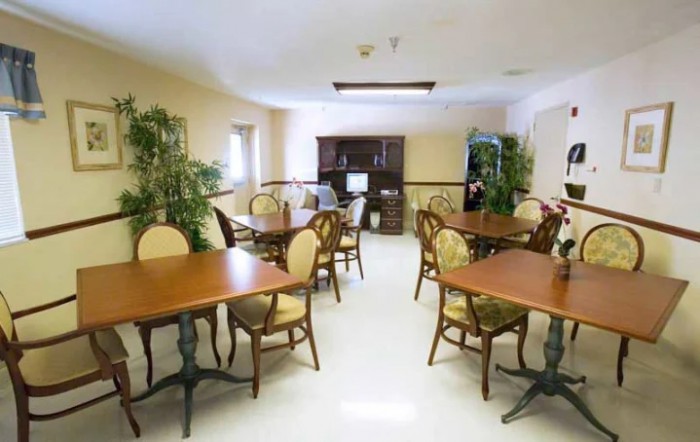
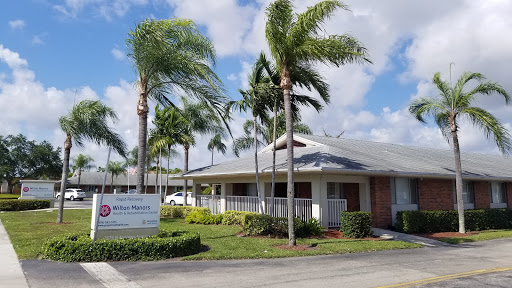
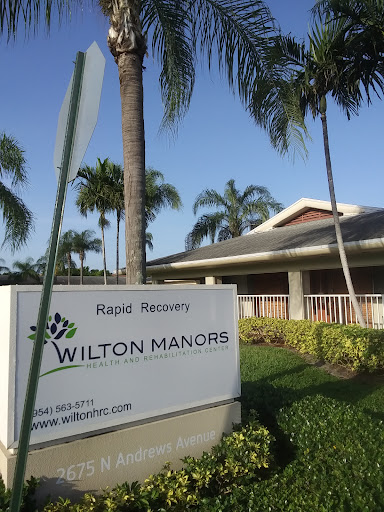
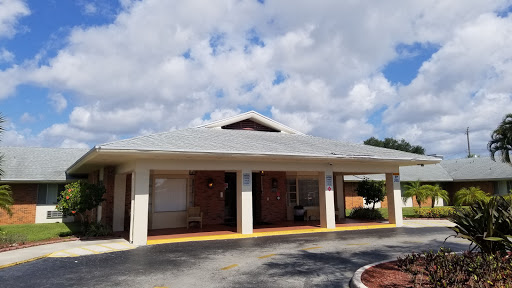
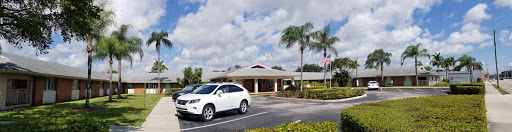
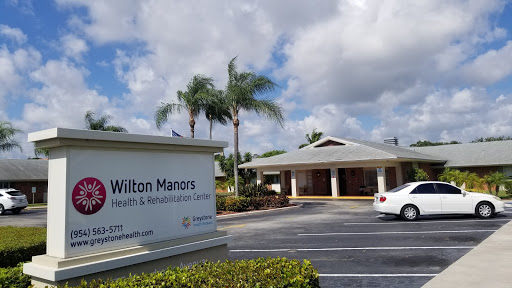
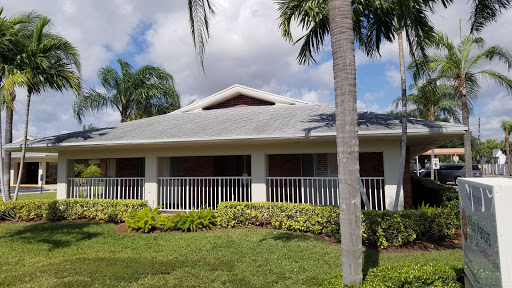
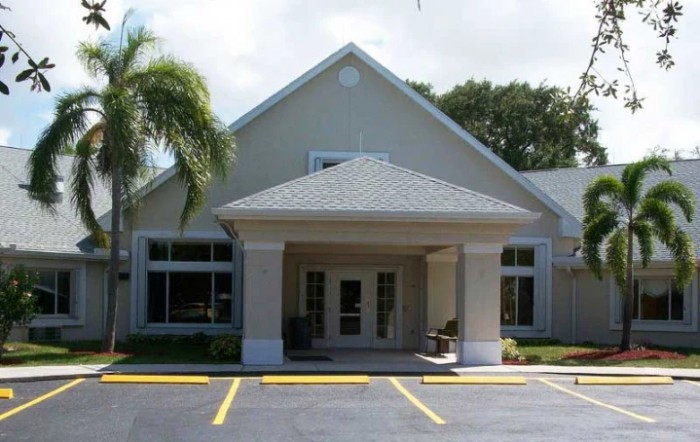
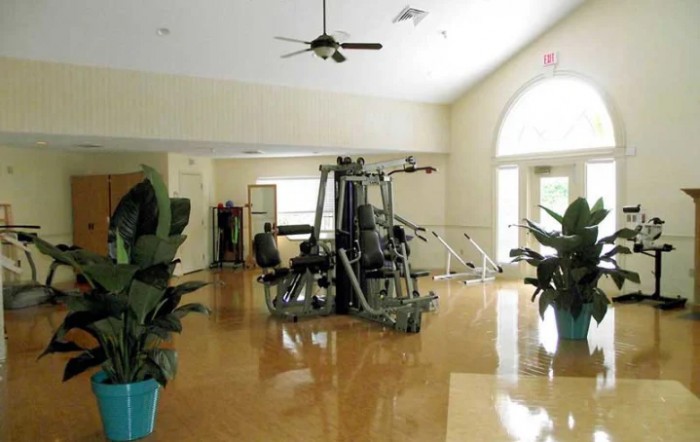
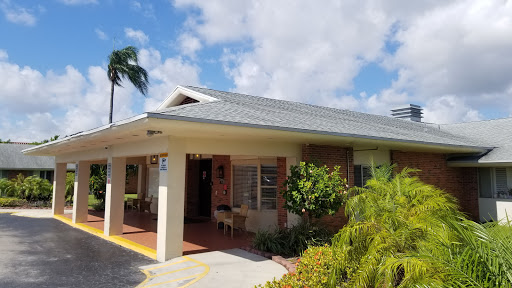
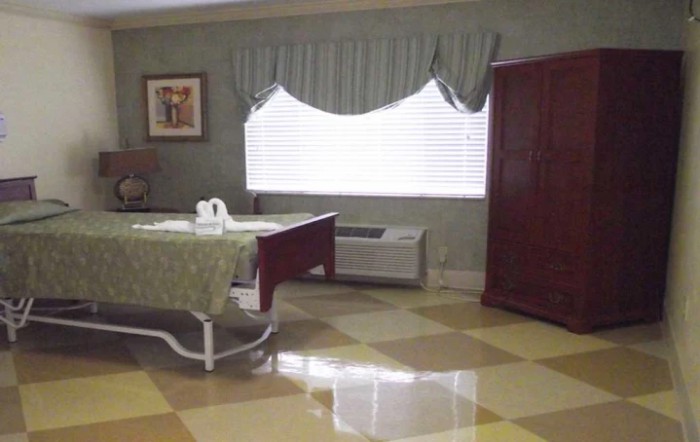
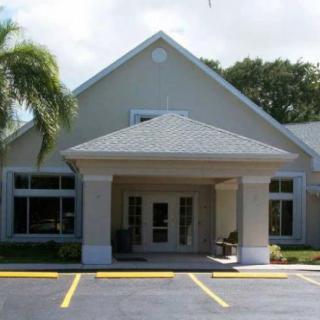
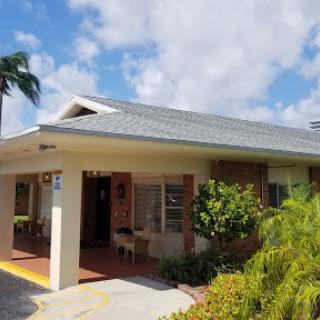
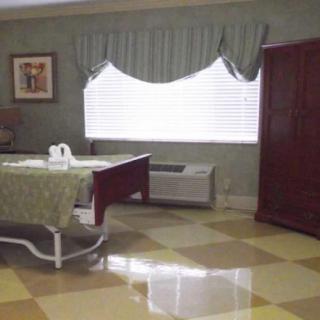
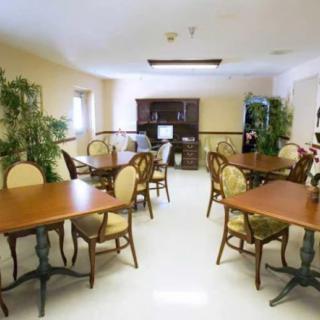
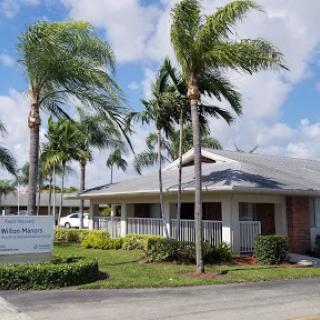
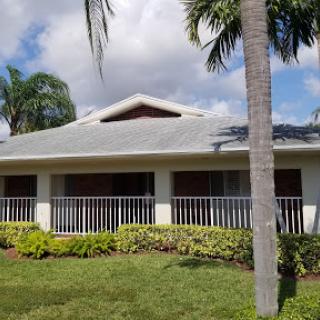
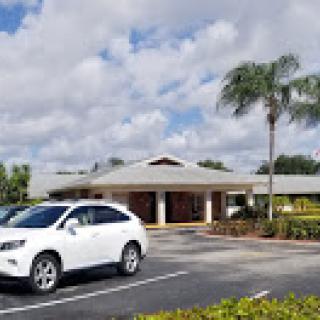
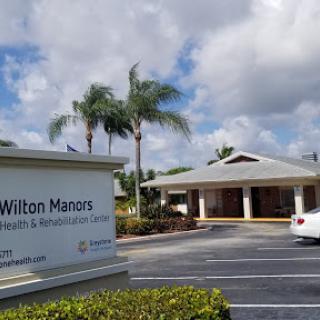
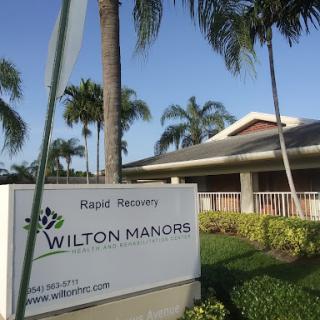
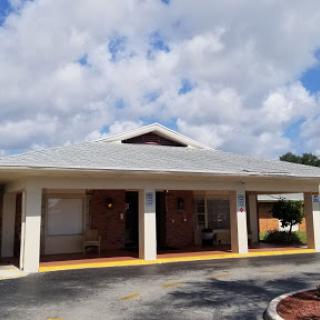
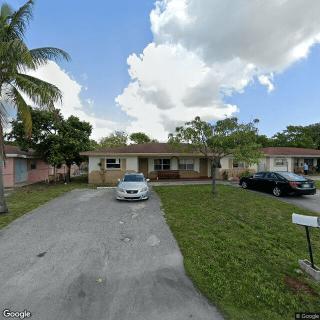
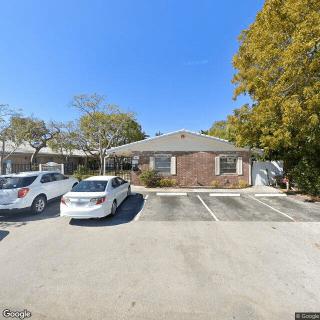
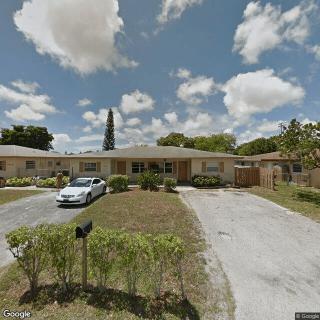
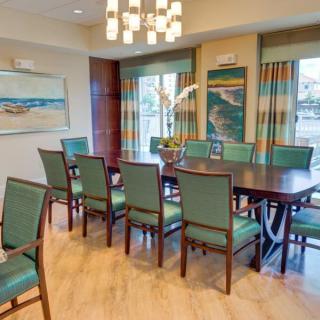
Wilton Manors Health & Rehabilitation Center on seniors.fyi includes 12 photos including images showing building, palm trees, outdoor, architecture, landscaping, interior, exterior, windows, and more.
Nearby Communities
Archways I
Wilton Manors, FL
3.5 from 20 reviews
Fully furnished apartments with dining and comprehensive ADL support.
Comfort Care Retirement Home
Fort Lauderdale, FL
5 from 21 reviews
Peaceful setting with extensive nearby amenities (dining, parks, healthcare, worship, and entertainment).
Deen's Retirement Home Inc
Fort Lauderdale, FL
4 from 12 reviews
$4,900 to $9,950 / month
Upscale setting with extensive amenities and supportive staff.
Kelly's Assisted Living Facility
Fort Lauderdale, FL
3.5 from 2 reviews
Respite care with 24/7 supervision and ADL support.
Treemont On the Park
Oakland Park, FL
3.5 from 13 reviews
Staff show care and create a family-like atmosphere.
Horizon Retirement Home
Fort Lauderdale, FL
3.7 from 3 reviews
Small, clean, and cozy with well-kept rooms and good kitchen facilities.
Williamsburg Landing
Wilton Manors, FL
4.8 from 71 reviews
$3,018 to $5,500 / month
Warm, attentive staff and a welcoming, activity-rich environment.
The Meridian at Waterways
Fort Lauderdale, FL
4.6 from 137 reviews
$6,150 to $8,650 / month
Friendly staff and attentive care; beautiful Intracoastal views; excellent dining; clean, well-maintained facilities with engaging activities.
Oasis Living Quarters
Fort Lauderdale, FL
3.9 from 150 reviews
$3,195 to $5,295 / month
Friendly staff across dining, cleaning, activities, and maintenance; clean, recently renovated apartments with engaging activities.
The guide details ten essential responsibilities of senior caregivers, including personal care, mobility assistance, medication management, and emotional support, while emphasizing the importance of safety, nutrition, and maintaining a safe living environment to enhance seniors' quality of life and independence.
The article highlights nine memory-boosting activities for seniors that enhance cognitive health and social interaction, including puzzles, trivia quizzes, and storytelling, while emphasizing the importance of adapting these activities to individual preferences to maximize enjoyment and engagement. Consistent mental engagement is linked to improved cognitive function and emotional well-being in older adults.
Medicare provides limited coverage for skilled nursing home care, covering full benefits for the first 20 days and partial benefits up to 100 days under certain conditions, after which families must explore alternative funding options like Medicaid or long-term care insurance to manage potentially high costs. Proactive planning is essential to navigate the complexities of financing ongoing care once Medicare coverage ends.
Wilton Manors Health & Rehabilitation Center photos
×
Interior
Building
Architecture
Bedroom
Dining
Landscaping
Garden
Outdoor
Exterior
Palm Trees
Clouds
Interior
Bedroom
Dining
Landscaping
Windows
Building
Architecture
Garden
Outdoor
Entrance
Exercise Equipment, Gym, and Fitness Center
Exterior
Healthcare
Parking
Palm Trees
Clouds and Garage
Urban
Additional Photos
Get PricingAsk A QuestionSchedule A TourContact Senior Advisor
By clicking submit, you agree to our Partner's Terms of Use. You
also consent to receive calls and texts, which may be autodialed, from our Partner. Your consent is not a condition to
using our Partner's service. Please visit our Partner's Privacy Policy for information about their privacy practices.


 147 resident community capacity
 Skilled Nursing Facility
 Air-conditioning
 Beauty salon
 Cable or satellite TV
 Computer center
 Dining room
 Fitness room
 Fully furnished
 Gaming room
 Garden
 Housekeeping services
 Kitchenette
 Move-in coordination
 Outdoor space
 Private bathrooms
 Restaurant-style dining
 Small library
 Telephone
 Wellness center
 Wi-Fi/high-speed internet available
 Fort Lauderdale-Hollywood International (6 miles away)
 Community operated transportation
 12-16 hour nursing
 24-hour call system
 Activities of daily living assistance
 Assistance with bathing
 Assistance with dressing
 Assistance with transfers
 Diabetes diet
 Medication management
 Mental wellness program
 Special dietary restrictions
 Concierge services
 Planned day trips
 Fully furnished apartments with dining and comprehensive ADL support.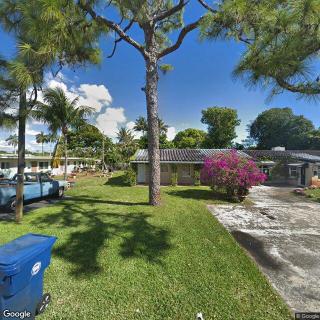



 Ten Vital Duties of a Senior Caregiver: A Comprehensive Guide
 9 Stimulating Memory Activities for Seniors: Puzzles, Cards, and Much More
 Managing Nursing Home Expenses After Medicare Coverage Ends