Oasis Living Quarters offers a competitive pricing structure compared to the surrounding market in Broward County and the broader state of Florida. For a one-bedroom unit, residents can expect to pay $3,195, which is notably lower than the county average of $3,651 and the state average of $3,864. In terms of two-bedroom units, Oasis remains attractive at $3,795 versus Broward's $4,474 and Florida's $4,711. However, the studio option at Oasis is priced higher at $4,095 compared to both county and state averages of $3,601 and $3,823 respectively. Interestingly, the semi-private rooms are positioned at a premium cost of $5,295 but still provide substantial value when placed alongside Broward's average of $2,902 and Florida's average of $3,009. Overall, while some room types may appear pricier than local averages, Oasis Living Quarters presents an appealing choice with its array of amenities and unique living experience.
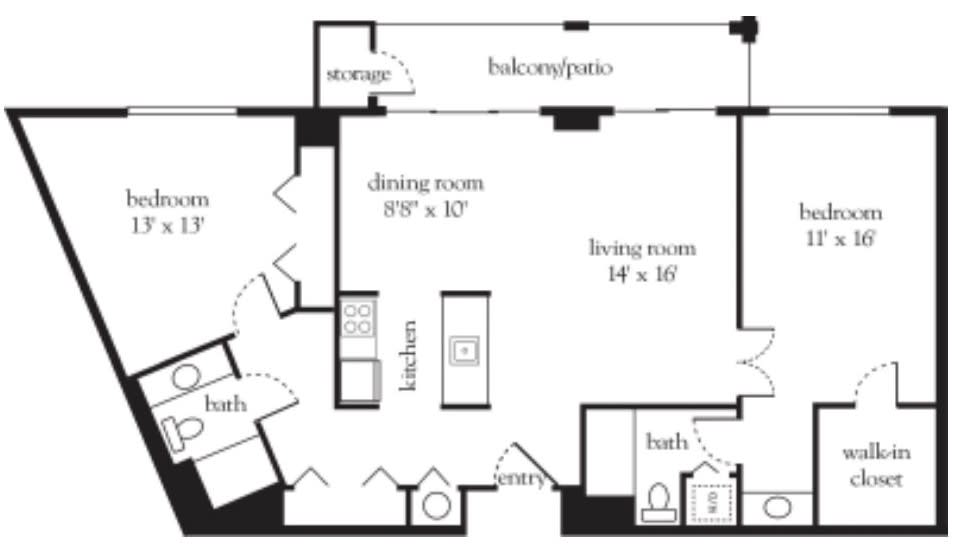
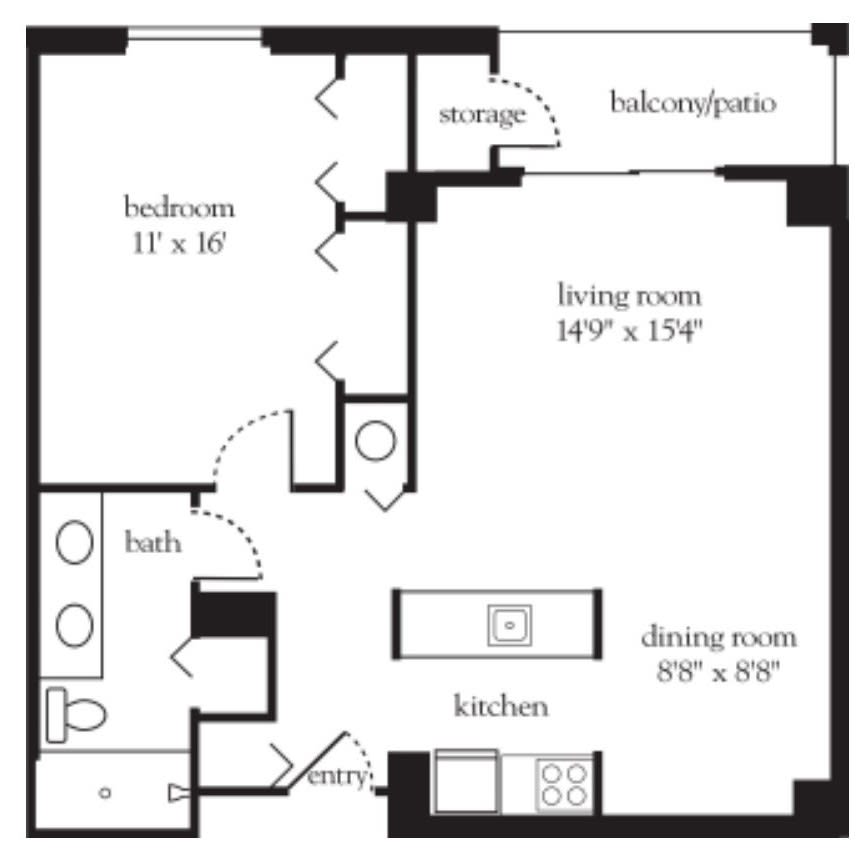
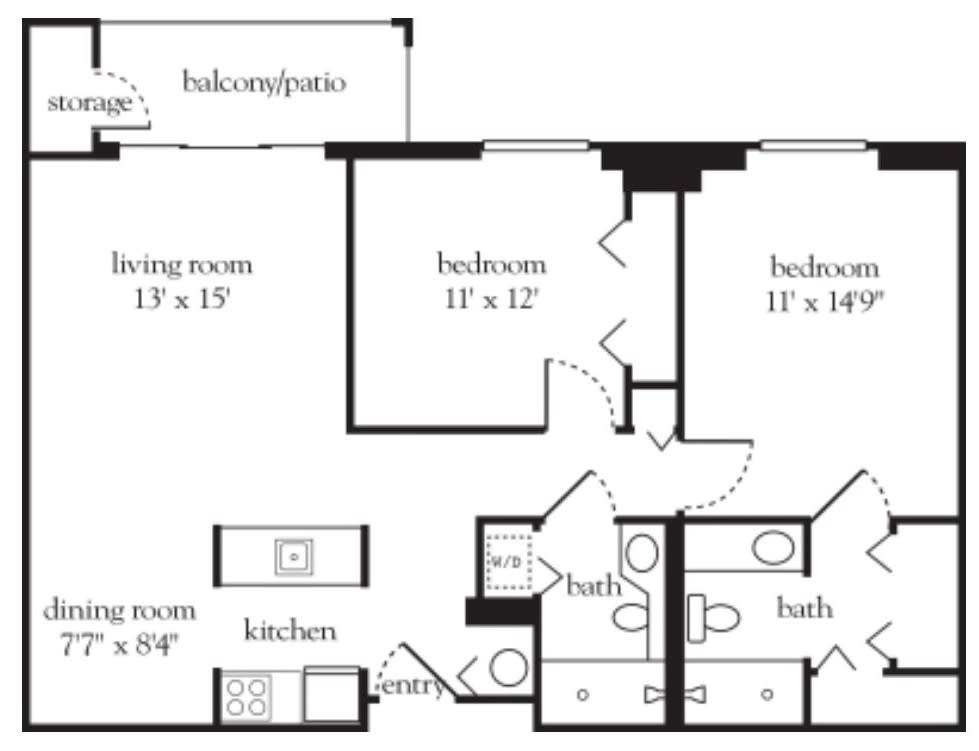
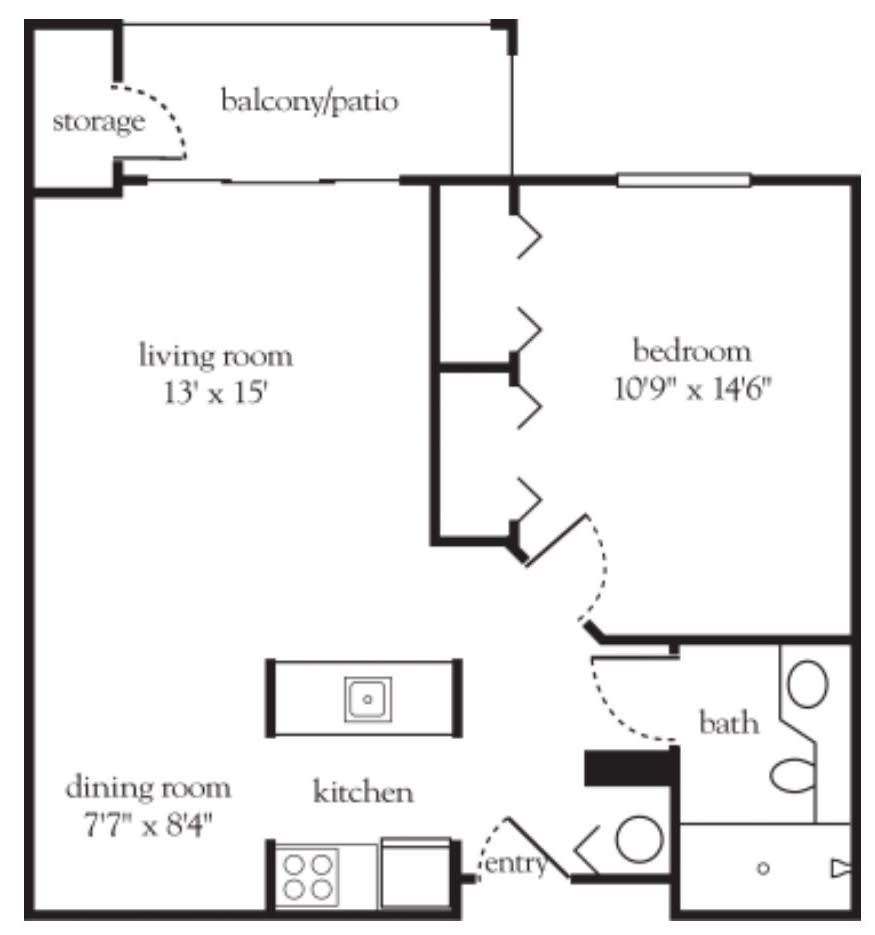
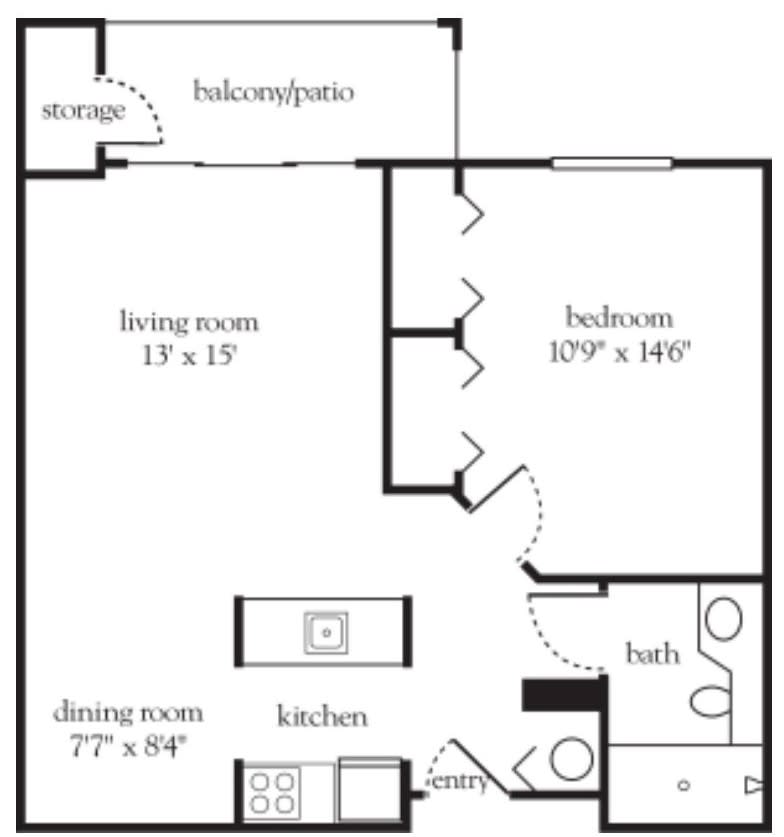
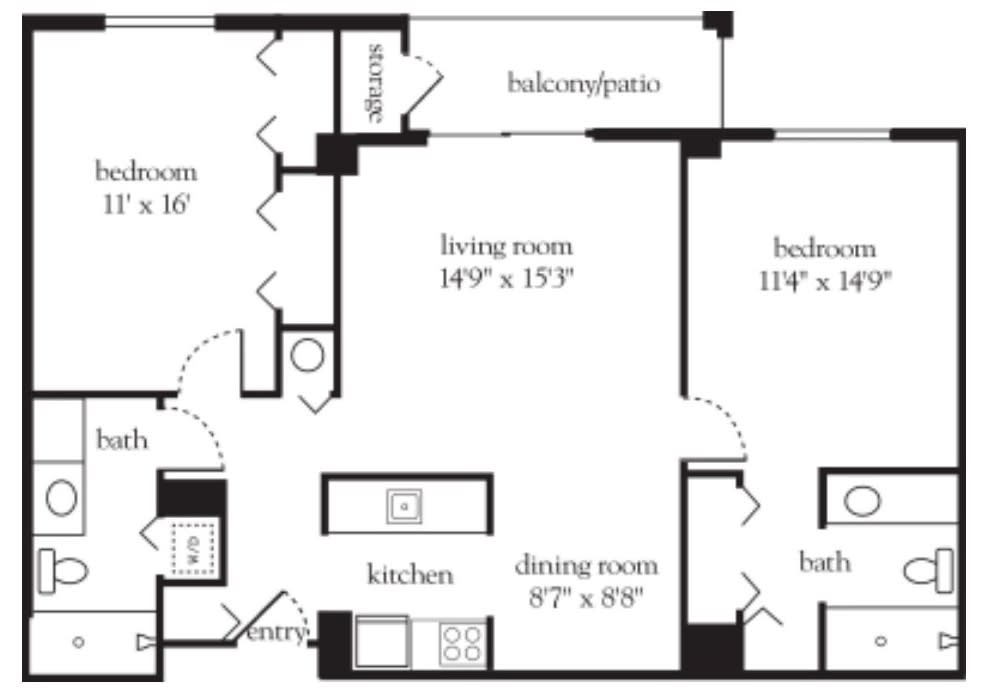
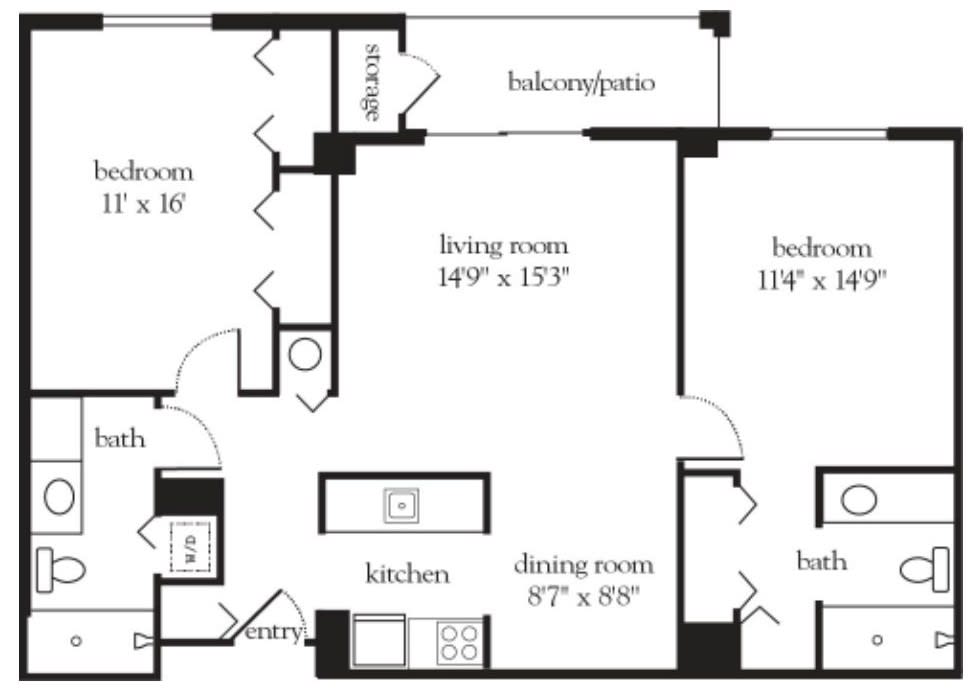
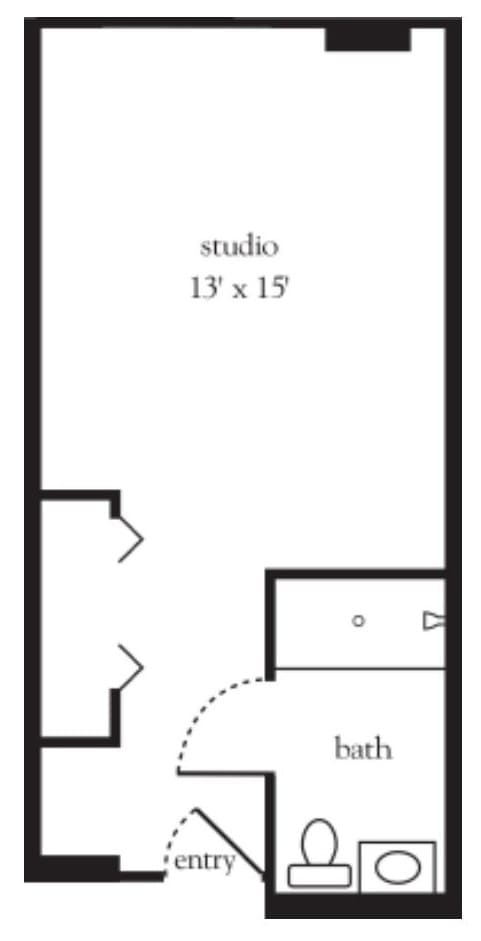
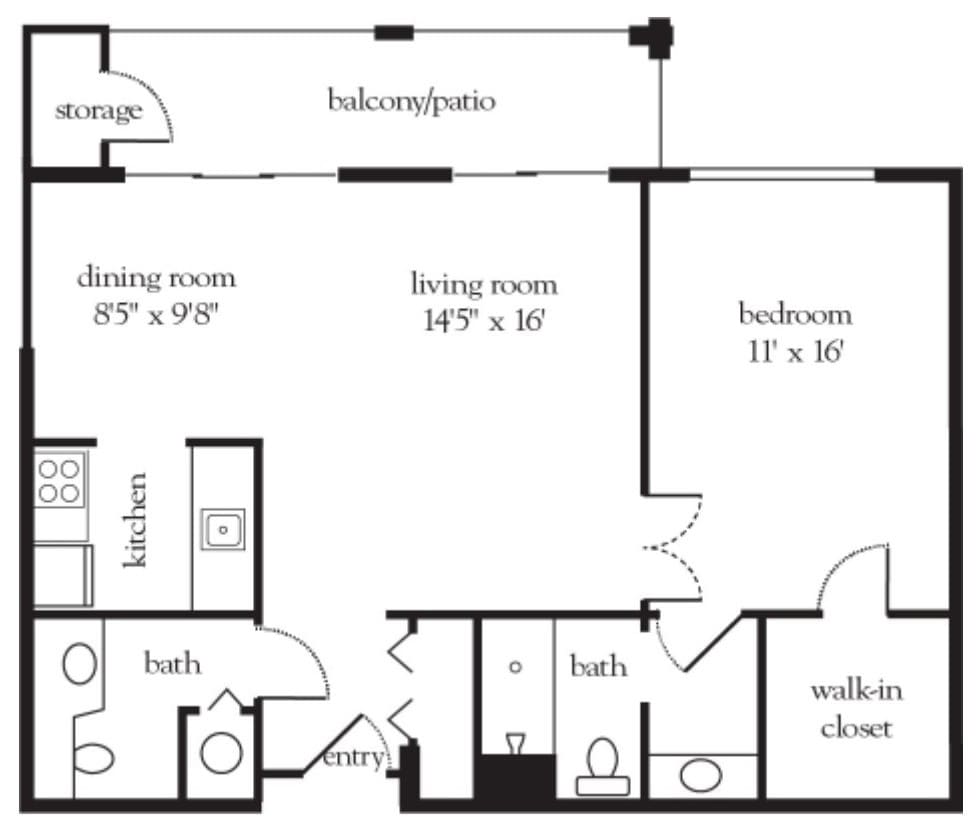
Floor plans
Oasis Living Quarters
Broward County
Florida
1 Bedroom
$3,195
$3,651
$3,864
2 Bedrooms
$3,795
$4,474
$4,711
Studio
$4,095
$3,601
$3,823
Semi-Private
$5,295
$2,902
$3,009
Memory care communities with a similar price nearby
Several residents and families describe abrupt moves and poor communication from management.
A recurring concern is how changes were handled, with multiple reviewers describing short-notice moves tied to renovations or ownership changes. Families also mention being moved with little written information, trouble reaching leadership, and services not being delivered as expected. Some reviews go further, describing severe disruption and additional hardship during transitions.
common9 reviews mention this
Staff friendliness and cleanliness
Many reviewers praise friendly staff and a clean facility.
Even among mixed reviews, multiple residents and families describe staff as friendly and responsive, and they highlight cleanliness throughout the community. Several comments distinguish care and day-to-day interactions positively, while pointing concerns toward management. A few reviewers also mention specific front-desk or concierge help that made the experience smoother.
differentiator2 reviews mention this
Pool and easy outdoor access
The pool and easy outdoor access are highlighted features for some residents and families.
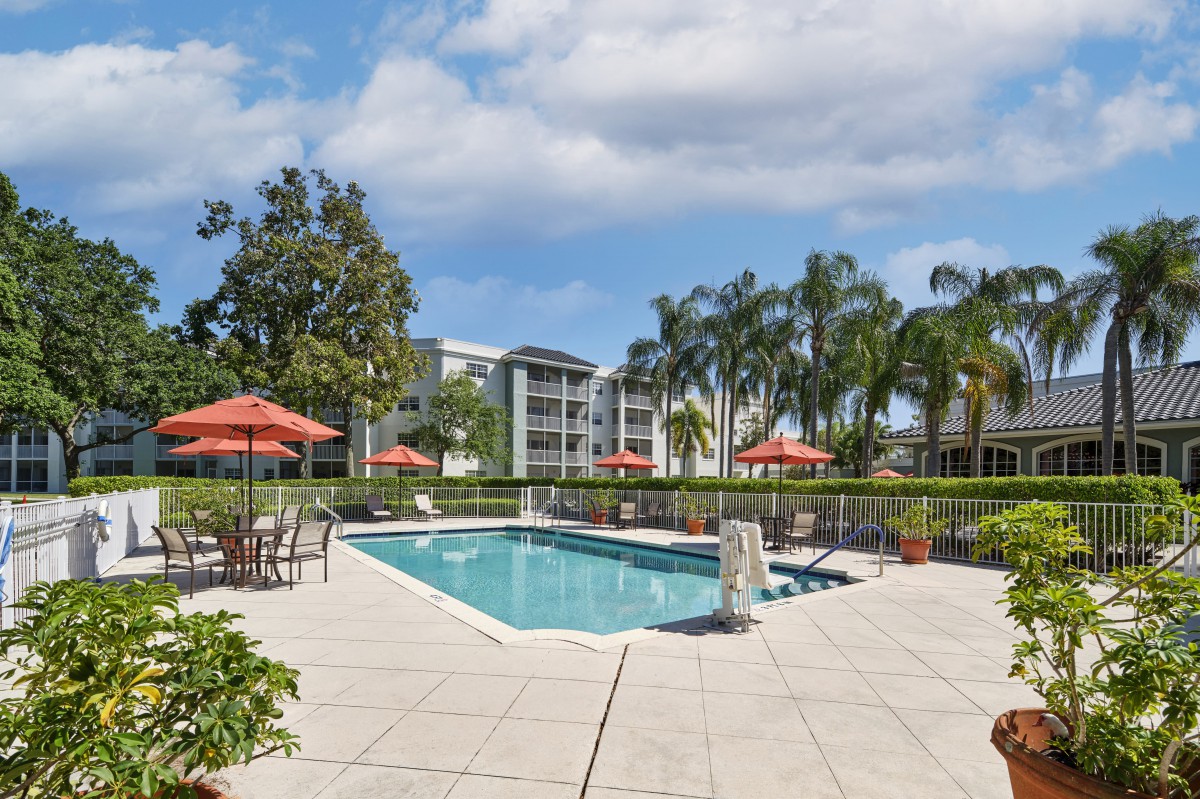
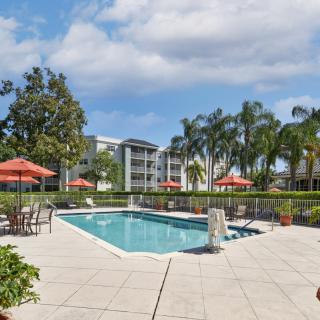
Reviewers point to the pool as a standout amenity and also mention the ability to get outdoors easily from a first-floor entrance. That aligns with the community offering both a swimming pool and ground-floor units, along with outdoor common areas residents can use.
caveat3 reviews mention this
Dining quality and meal-fee concerns
Dining feedback is split, including complaints about meal charges.
Some reviewers describe meal planning positively and mention good or at least acceptable food, including flexibility if they did not like what was served. Others report dissatisfaction with food and service quality, and several also describe added charges for meals outside the dining room or for pickup and delivery. Taken together, residents do not consistently describe dining as a worry-free part of daily life.
caveat4 reviews mention this
Medication and personal-care support
Reviews describe both strong and weak experiences with care follow-through.
On the positive side, some families say staff provided care and attention that helped during challenging times, and at least one review describes device help and care-related support. On the other hand, other reviewers raise concerns about patient care responsiveness and continuity, including reports of services not being received consistently and difficulties reaching leadership. This makes care quality feel inconsistent across experiences.
caveat2 reviews mention this
Pricing can vary by what you use
A few reviews raise concerns about added costs for services or conveniences.
While the listing price range is broad, some reviewers describe extra fees tied to specific dining options and other day-to-day conveniences. That theme suggests costs may depend on the arrangement residents choose and how needs are accommodated, rather than being entirely predictable upfront.
How we summarize
Counts show how many written reviews mention each theme; a review can touch several themes, and only frequently mentioned themes are displayed.
Features
Housing
1-bedroom apartments
2-bedroom apartments
Studio apartments
Types of Care
Assisted Living
Independent Living
Memory Care
Pets
Cats allowed
Dogs allowed
Amenities
Activities off-site
Activities on-site
Air-conditioning
Bath tubs
Beautician on-site
Cable or satellite TV
Devotional services off-site
Devotional services on-site
Full kitchen
Ground floor units
Handicap accessible
Indoor common areas
Kitchenette
Outdoor common areas
Respite or short term stays offered
Swimming pool
Swimming pool / hot tub
Wheelchair accessible showers
Transportation
Fort Lauderdale-Hollywood International (8 miles away)
Care Services
Ambulatory care
Incontinence care
Medication management
Dining
Guest meals
International cuisine
Low / no sodium
Meals provided
No Sugar
Professional chef
Restaurant style dining
Room service
Vegetarian
Activities
Art classes
Catholic services
Devotional activities offsite
Devotional activities on-site
Educational speakers / life long learning
Jewish services
Live well programs
Other religious services
Protestant services
Visiting Rabbi
Visiting chaplain or priest
Nearby Places of Interest
This part of Fort Lauderdale, Florida offers a variety of amenities and services that cater to seniors looking for a comfortable and convenient lifestyle. With several parks nearby such as Royal Palm Park and Central Broward Regional Park, residents have plenty of opportunities for outdoor recreation and leisurely walks. The area is also well-equipped with pharmacies like Walgreens and CVS, making it easy for seniors to access their medication needs. There are numerous dining options including Circus Bar, Popeyes Louisiana Kitchen, and Matty's, ensuring a diverse culinary experience. Additionally, the presence of medical facilities such as Care Resource and Eye Centers Of South Florida provides residents with accessible healthcare options. The proximity to transportation hubs like Cypress Creek Station and Brightline make getting around the city hassle-free. Overall, this neighborhood offers a balanced mix of conveniences and leisure activities for seniors looking to make the most out of their retirement years in Fort Lauderdale.
Parks
Royal Palm Park (1.3 miles)
Central Broward Regional Park (3.5 miles)
Holiday Park (4.7 miles)
George English Park (5.3 miles)
Firefighters Park (5.4 miles)
Hugh Taylor Birch State Park (5.9 miles)
Fort Lauderdale Beach Park (6.8 miles)
Pharmacies
Walgreens (1.3 miles)
CVS Pharmacy (1.3 miles)
Walgreens (2.1 miles)
Walgreens (2.3 miles)
Walgreens (2.6 miles)
Walgreens (2.7 miles)
Walgreens (2.7 miles)
Restaurants
Circus Bar (1.9 miles)
Scandals Saloon (3.1 miles)
Popeyes Louisiana Kitchen (3.2 miles)
Jesse's Xtreme Sports Bar (3.4 miles)
Drynk Bar & Lounge (3.5 miles)
Georgie's Alibi (3.5 miles)
Matty's (3.5 miles)
Cafes
Starbucks (2 miles)
Starbucks (5.6 miles)
Starbucks (6.9 miles)
Transportation
Cypress Creek Station (2.2 miles)
Brightline (5 miles)
Physicians
Care Resource (2.3 miles)
Eye Centers Of South Florida (3.1 miles)
Midland Medical Center (3.6 miles)
Pom MRI and Imaging Center (3.9 miles)
Skin Institute (6.1 miles)
Arnoldo Ghitis, MD (6.6 miles)
Florida Endovascular A (6.8 miles)
Places of Worship
Coral Ridge Presbyterian Church (4.3 miles)
Theaters
AMC DINE-IN Coral Ridge 1 (4.4 miles)
Hospitals
University Hospital And Medical Center (4.8 miles)
Oasis Living Quarters offers a competitive pricing structure compared to the surrounding market in Broward County and the broader state of Florida. For a one-bedroom unit, residents can expect to pay $3,195, which is notably lower than the county average of $3,651 and the state average of $3,864. In terms of two-bedroom units, Oasis remains attractive at $3,795 versus Broward's $4,474 and Florida's $4,711. However, the studio option at Oasis is priced higher at $4,095 compared to both county and state averages of $3,601 and $3,823 respectively. Interestingly, the semi-private rooms are positioned at a premium cost of $5,295 but still provide substantial value when placed alongside Broward's average of $2,902 and Florida's average of $3,009. Overall, while some room types may appear pricier than local averages, Oasis Living Quarters presents an appealing choice with its array of amenities and unique living experience.
Oasis Living Quarters incorporates medication management and incontinence care as essential features to support residents with dementia or Alzheimer's disease. Effective medication management ensures that residents receive their prescribed medications on time and in the correct dosages, minimizing confusion and enhancing their overall well-being. This structured approach helps alleviate anxiety related to forgetting doses, thereby maintaining health stability and cognitive function. Additionally, personalized incontinence care offers dignity and comfort to residents, as it is handled discreetly and compassionately by trained staff. This specialized support not only addresses physical needs but also mitigates feelings of embarrassment or anxiety that can arise from incontinence, fostering a more secure environment conducive to emotional well-being and improved quality of life for individuals facing cognitive decline.
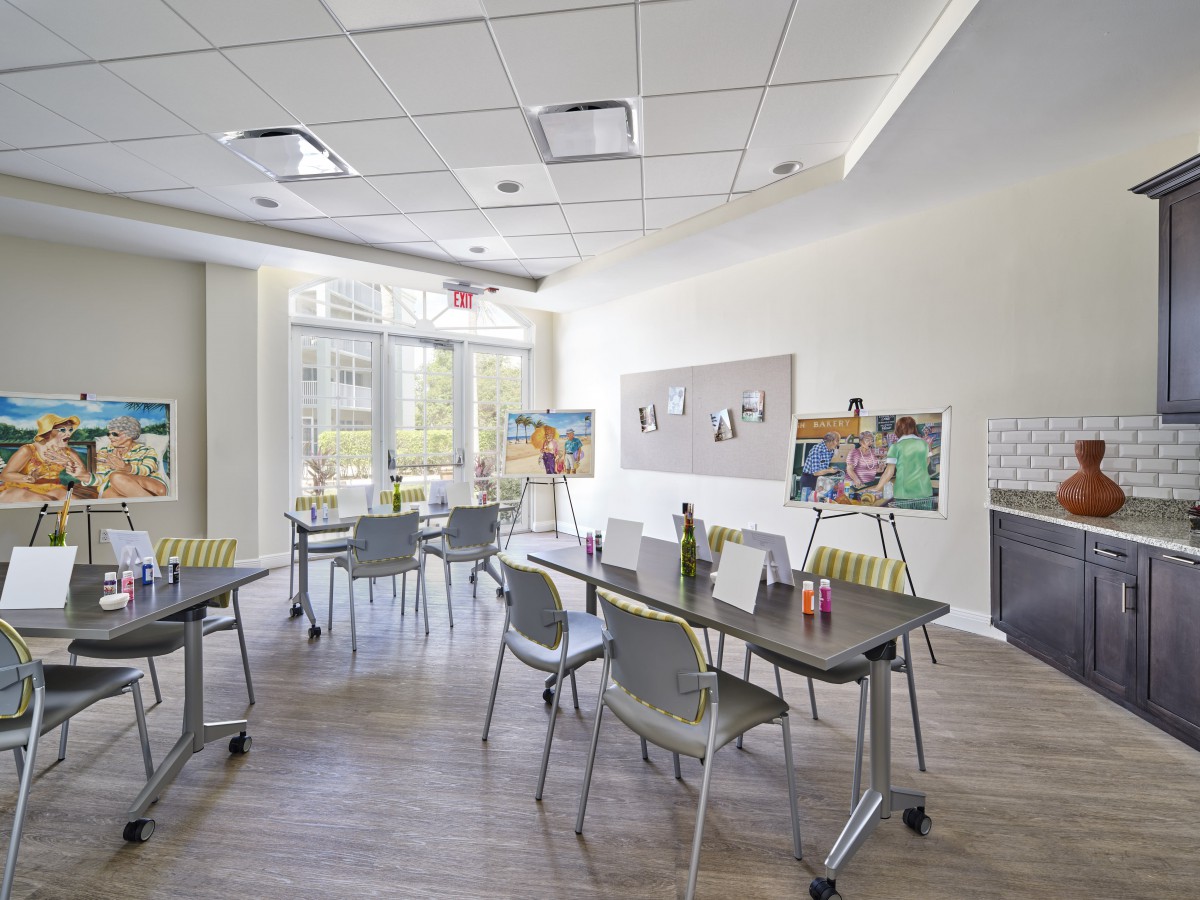
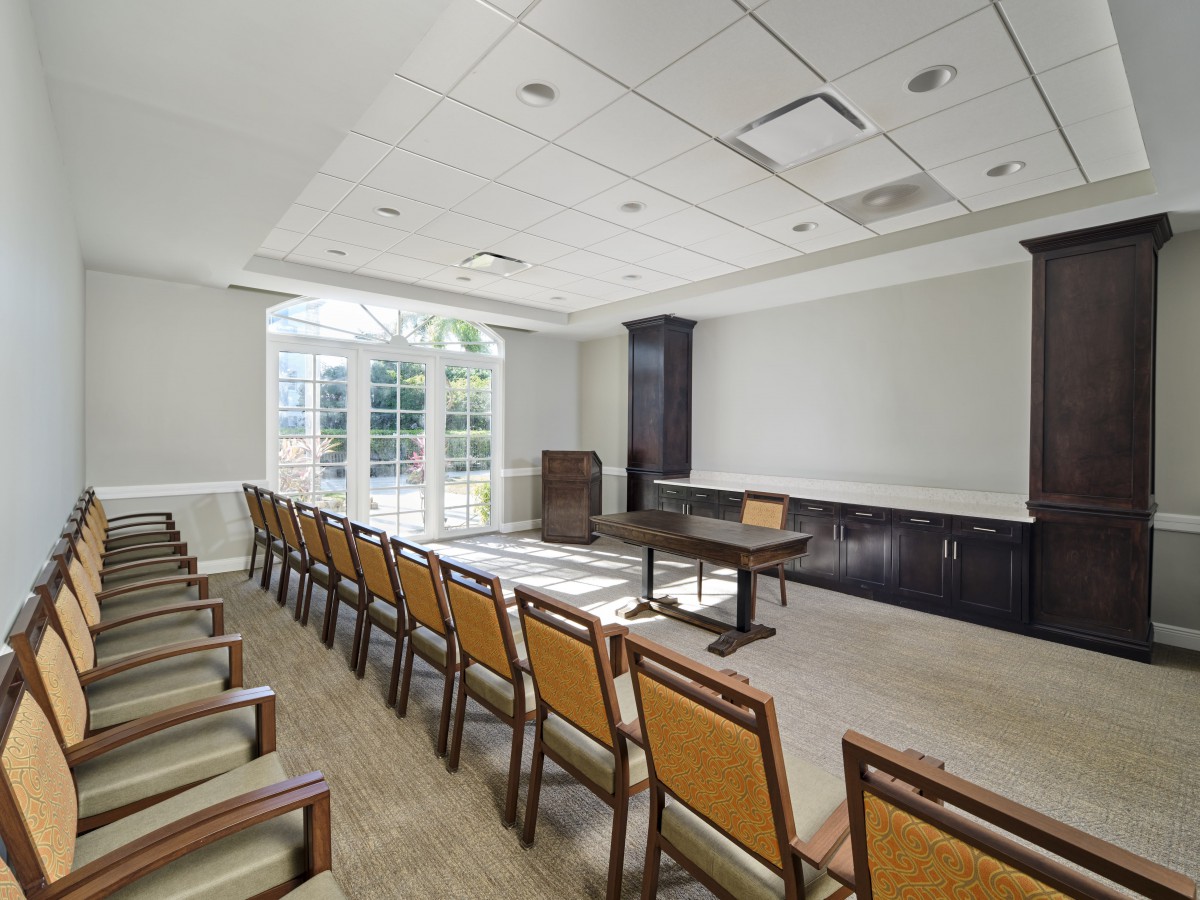
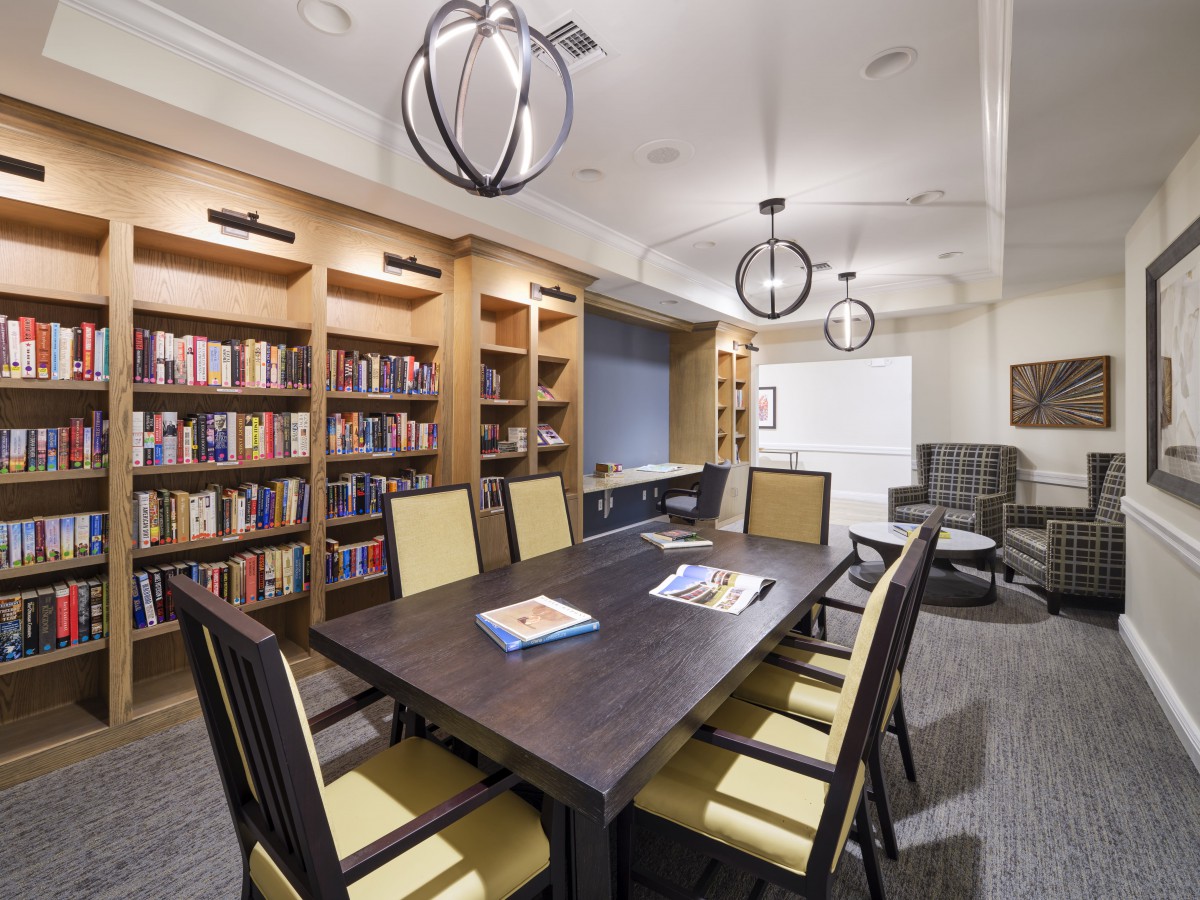
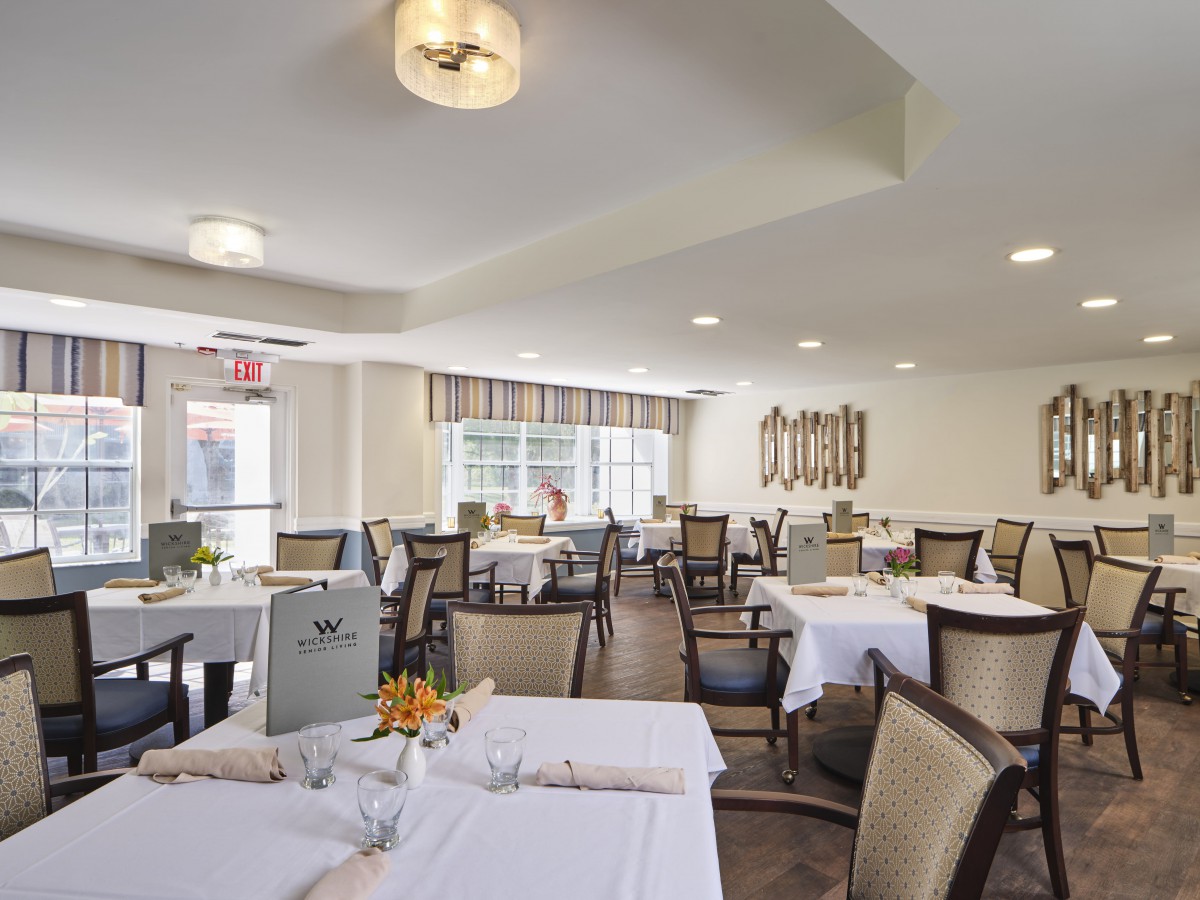
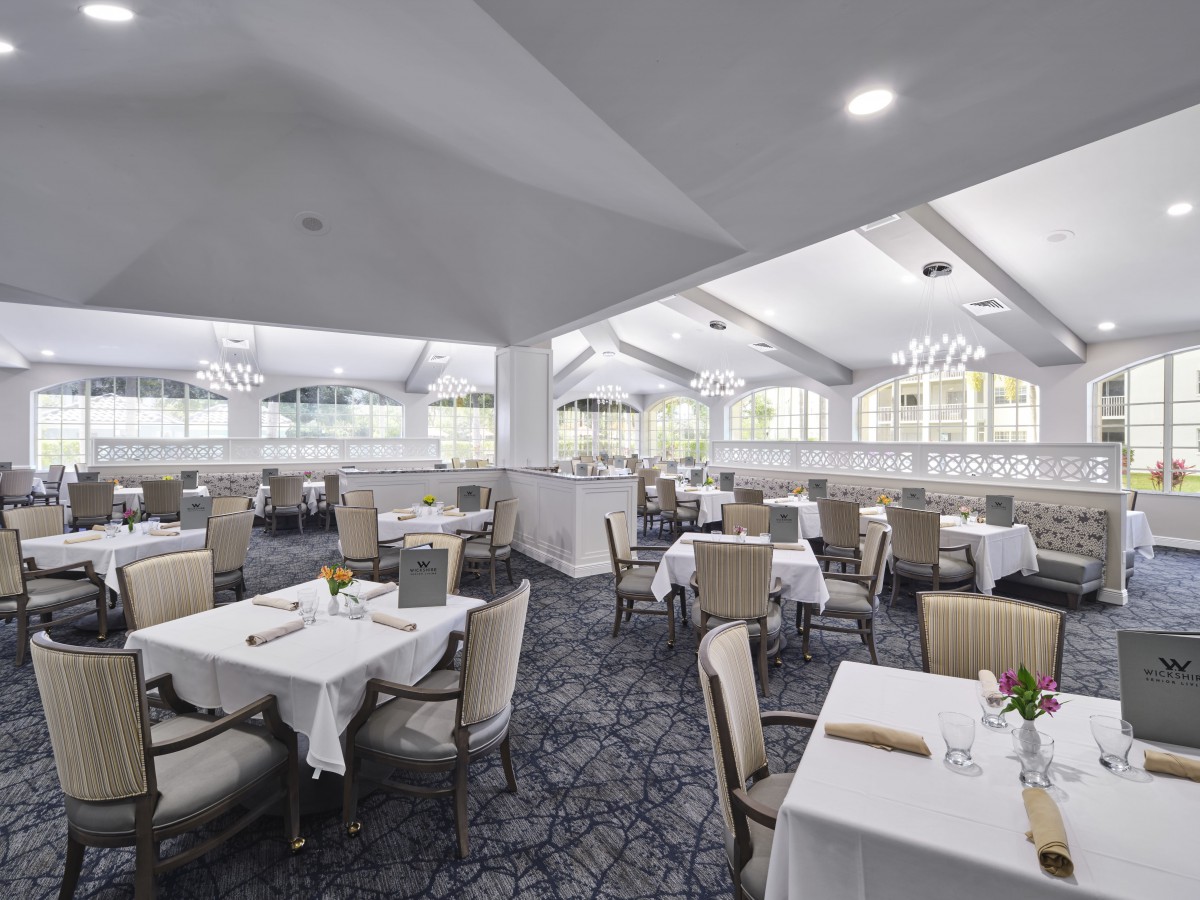
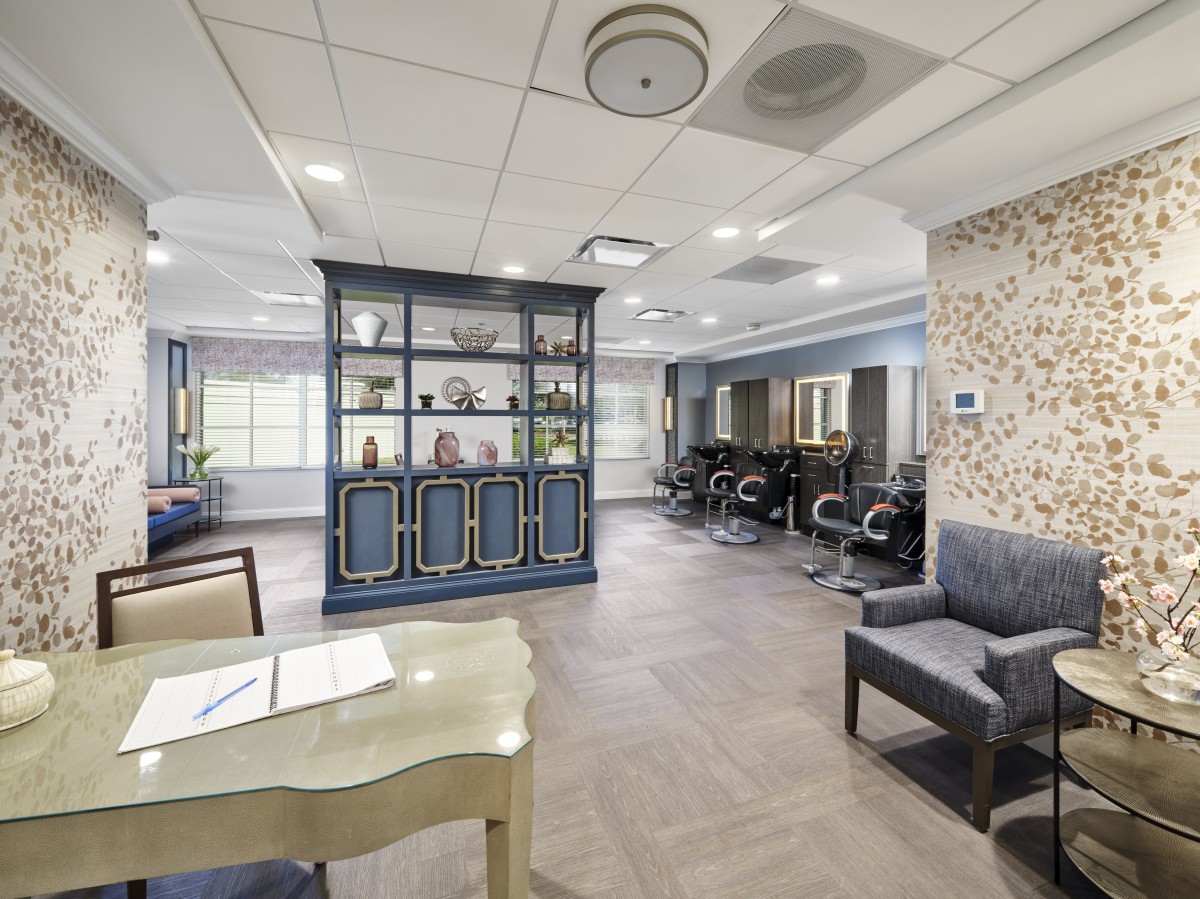
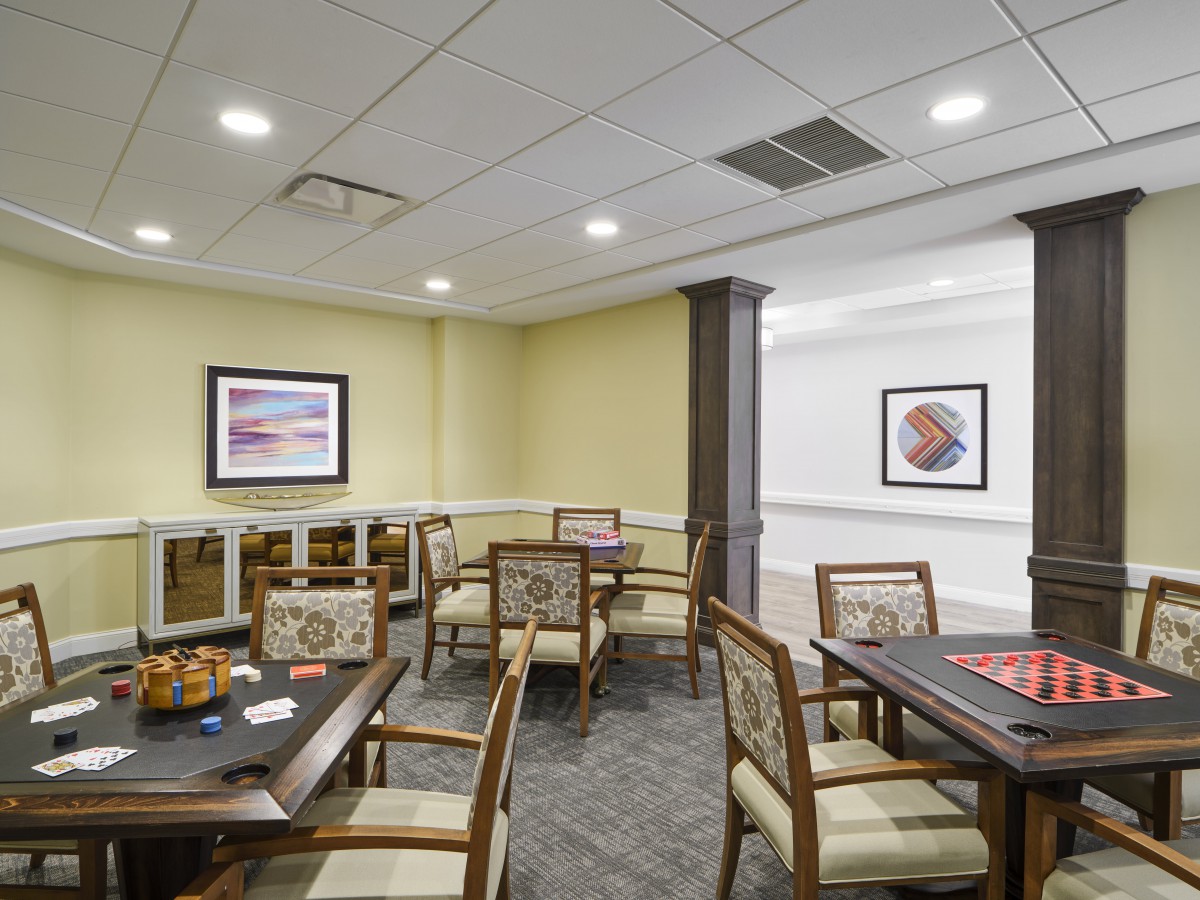
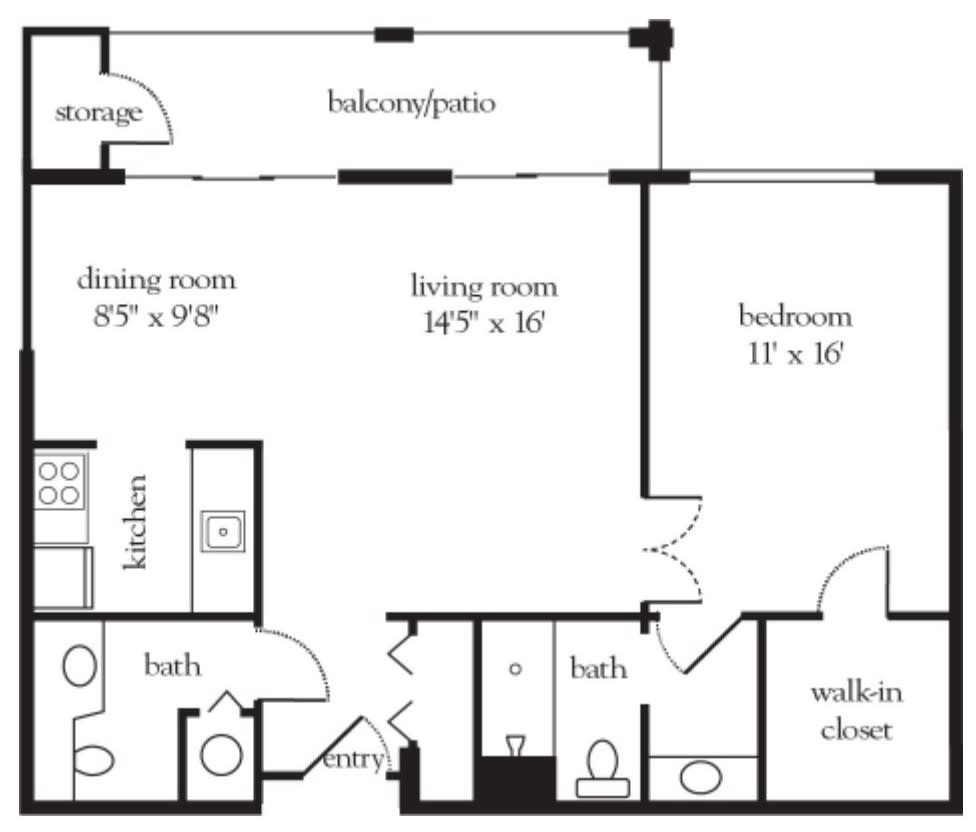
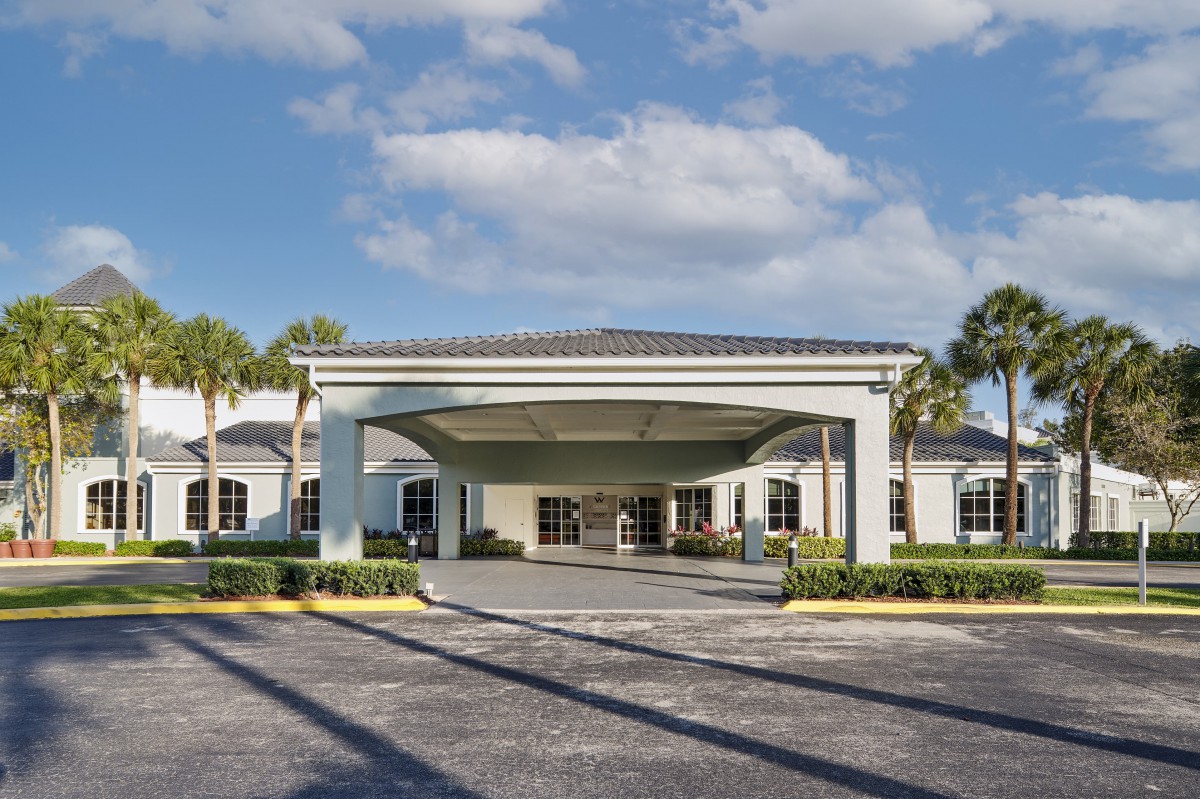
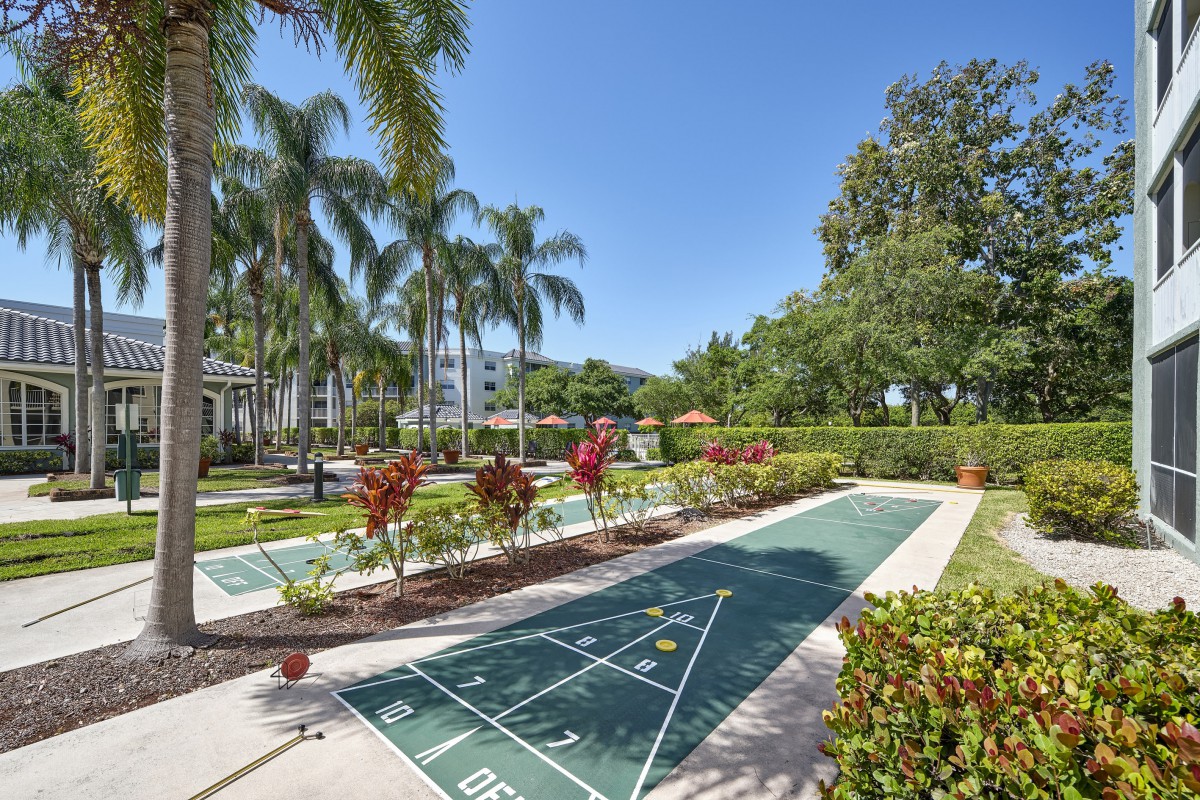
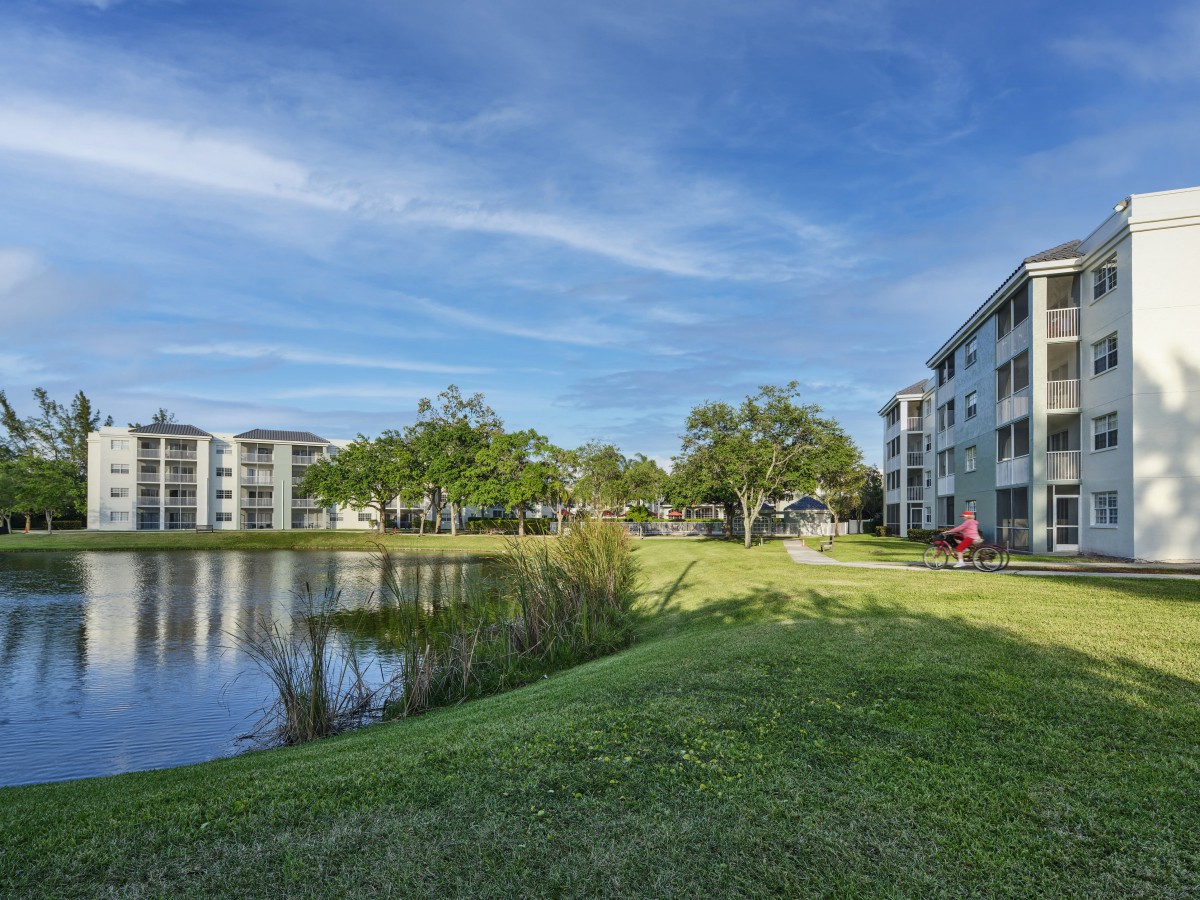
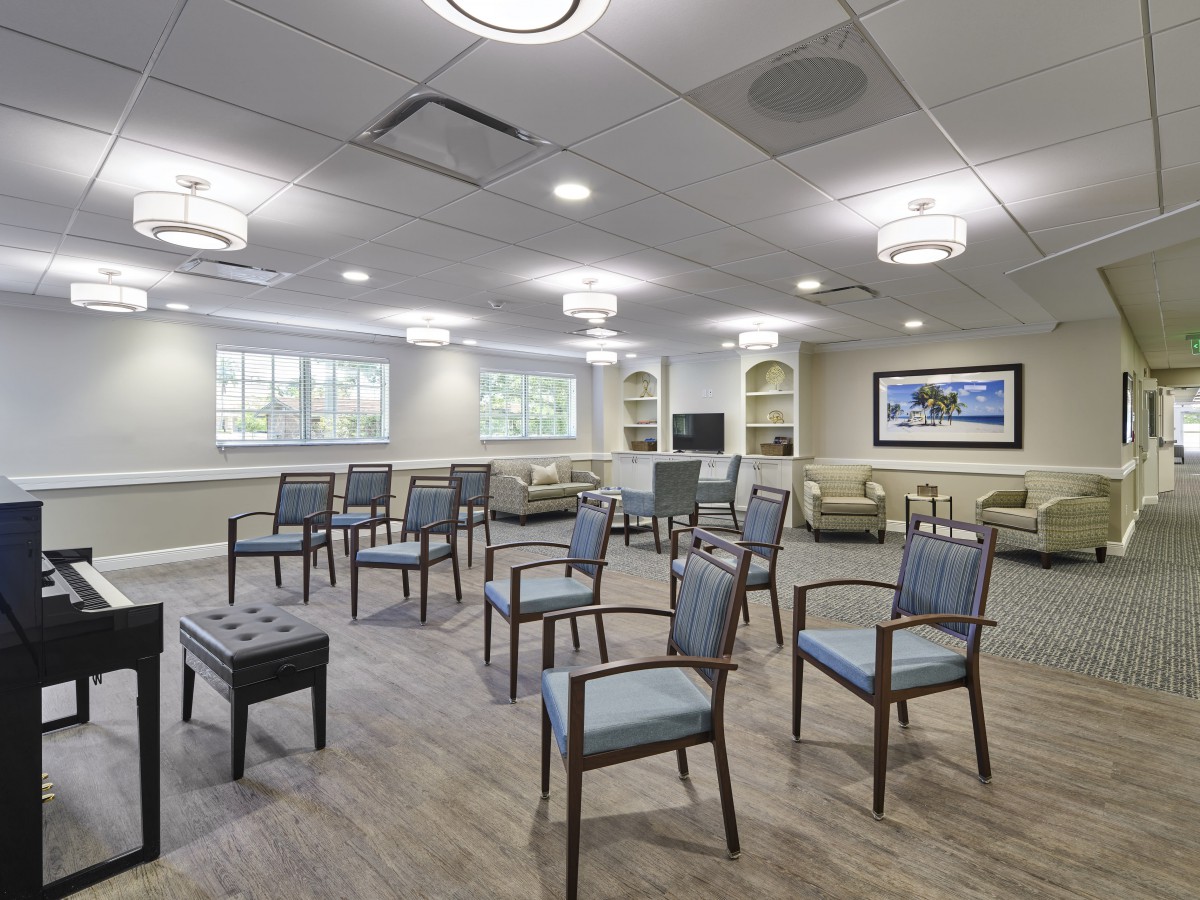
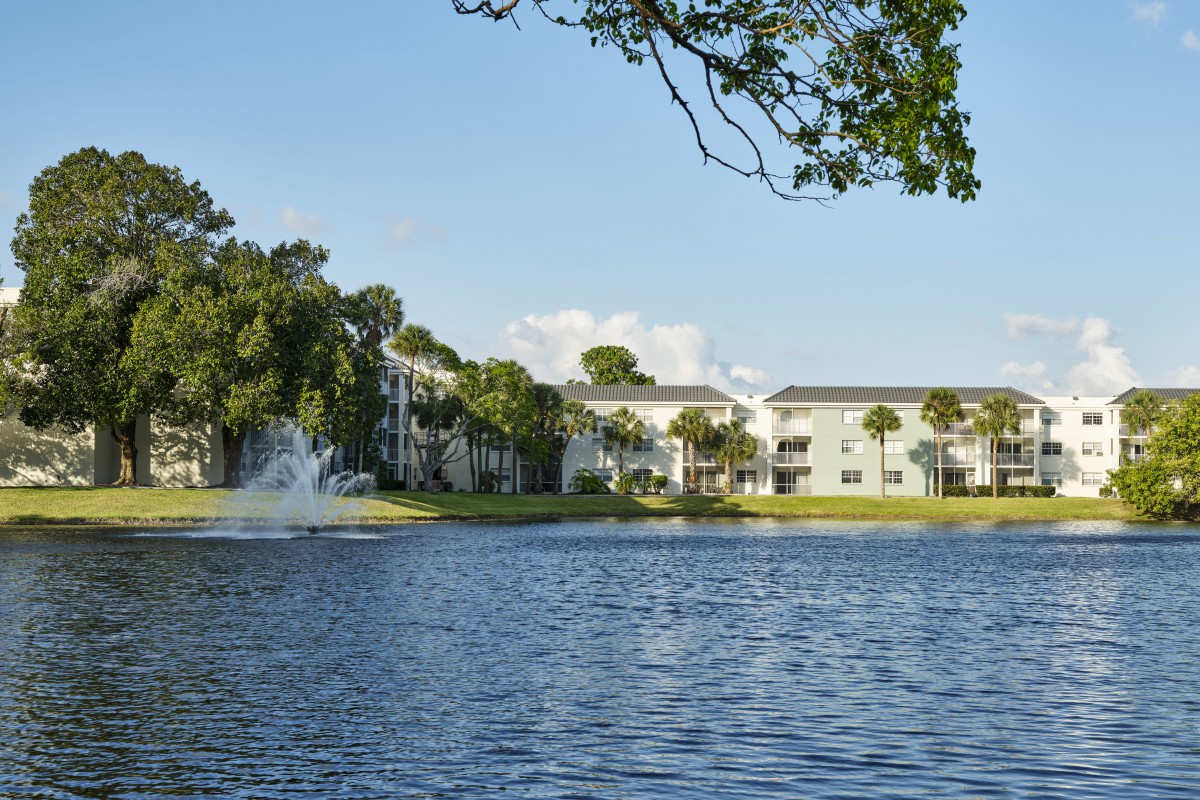
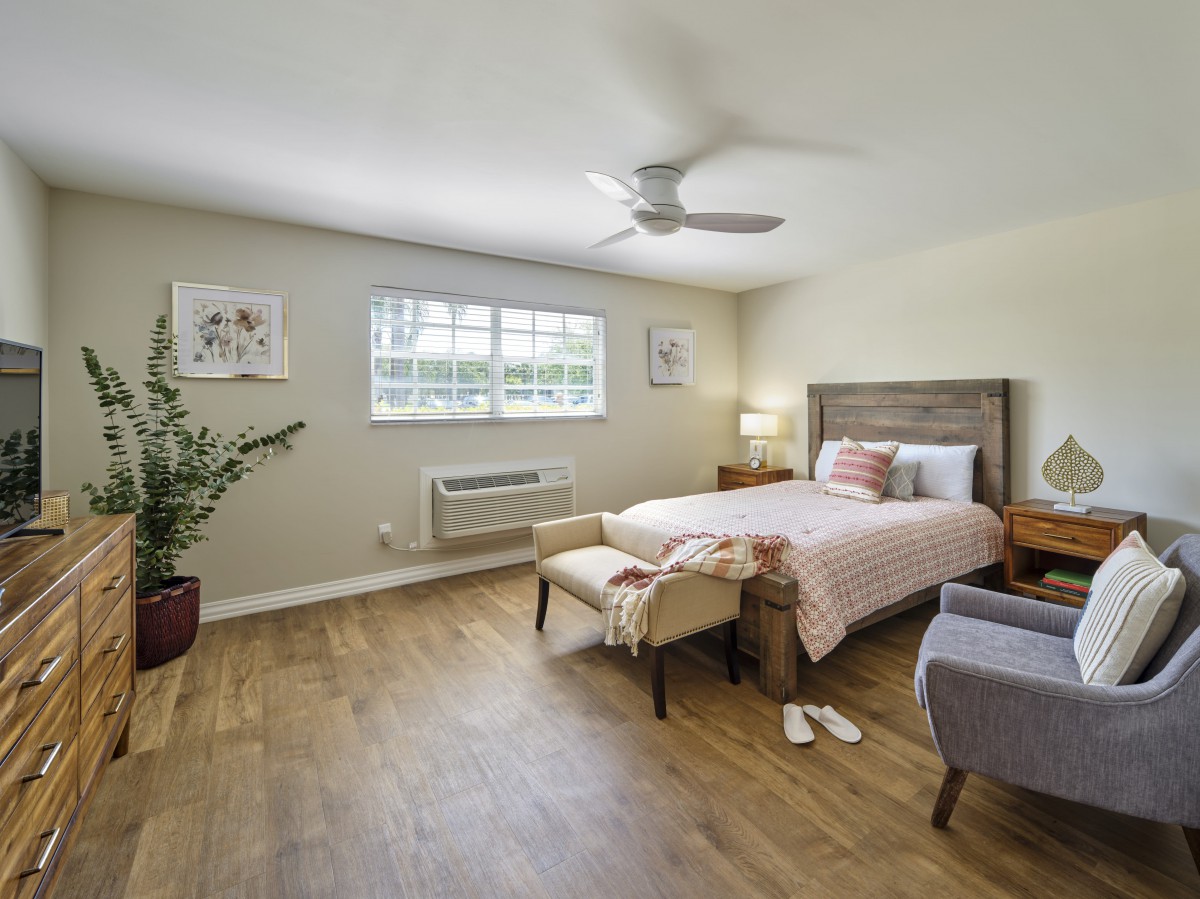
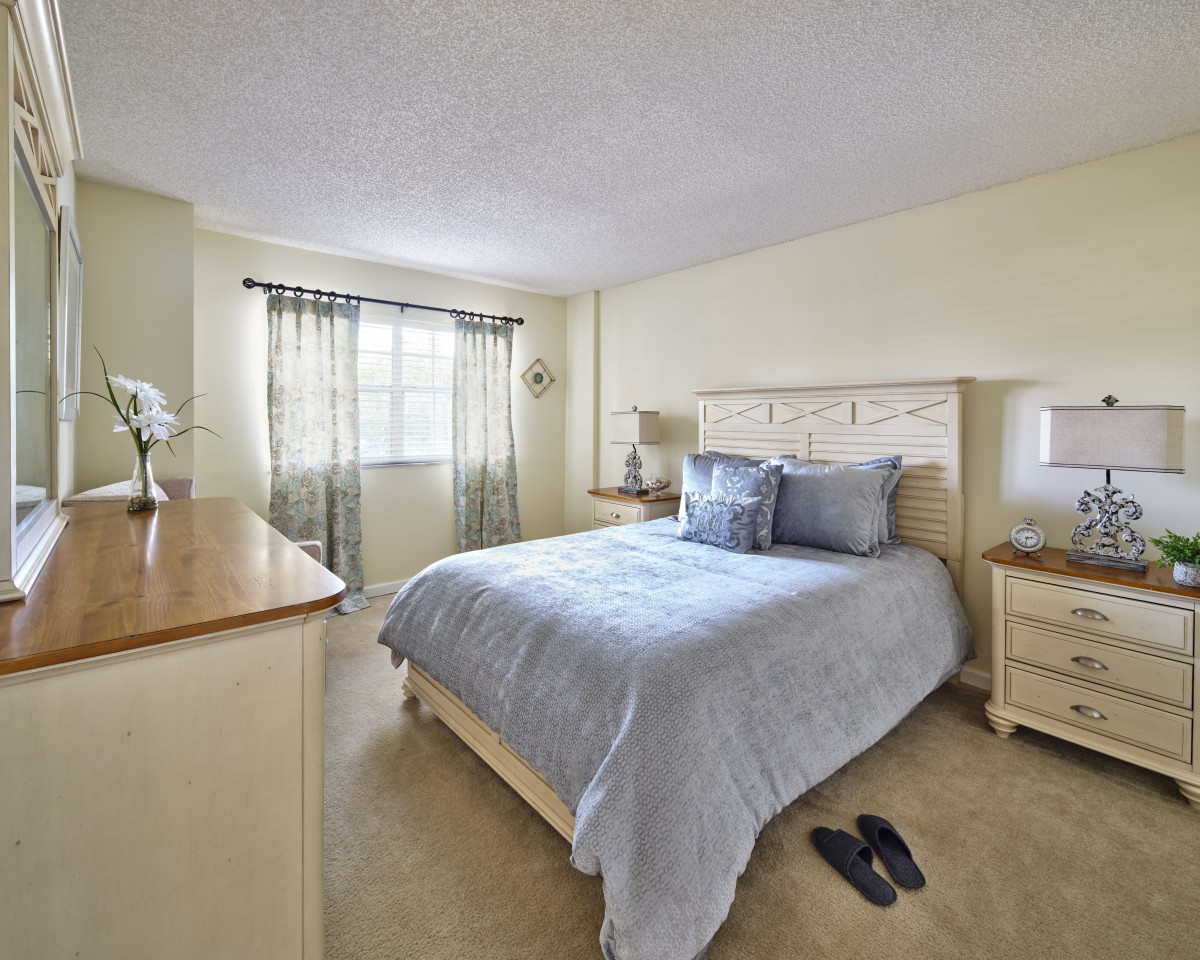
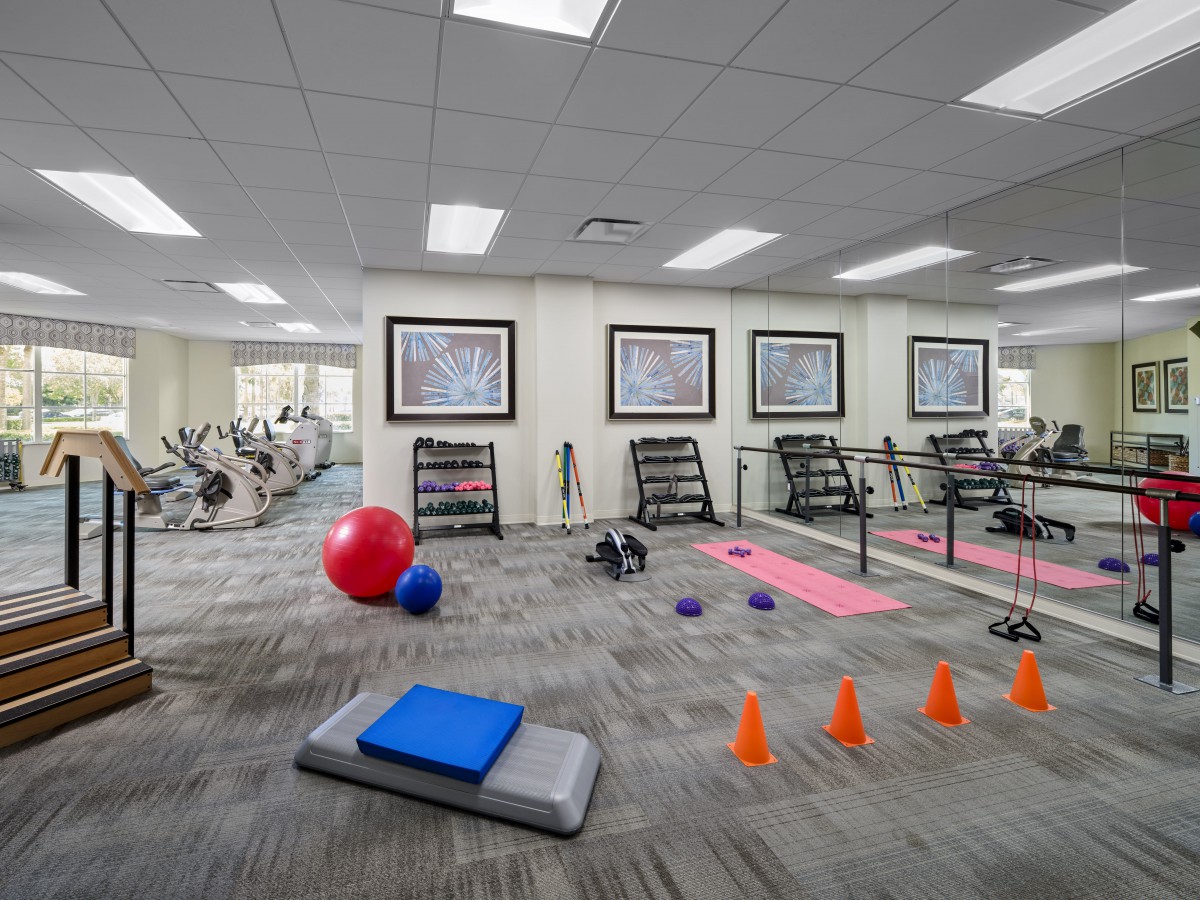
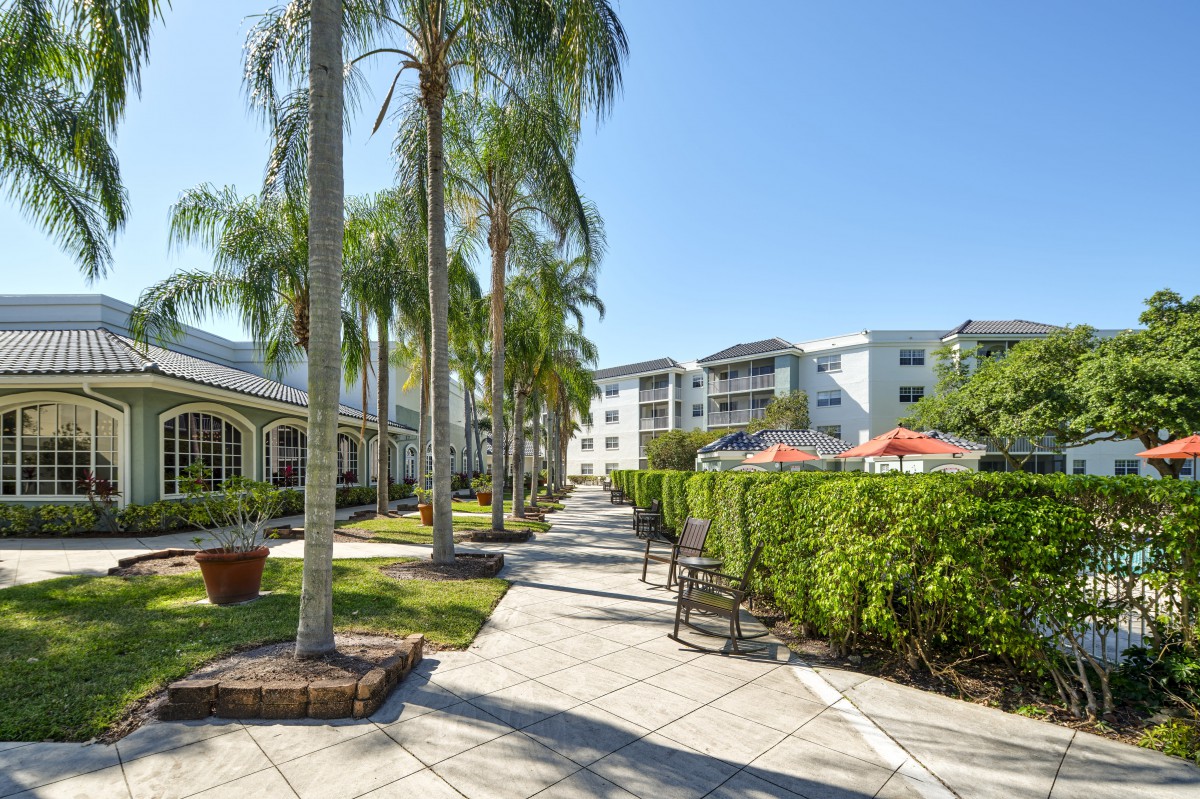
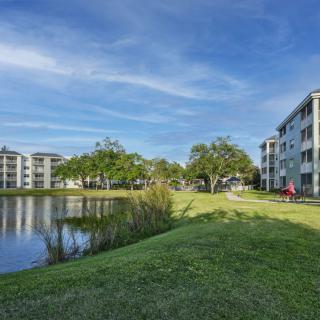
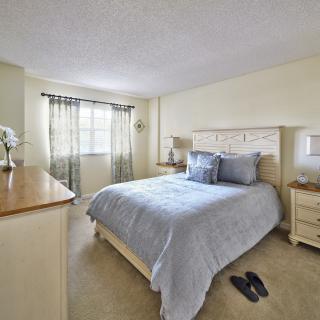
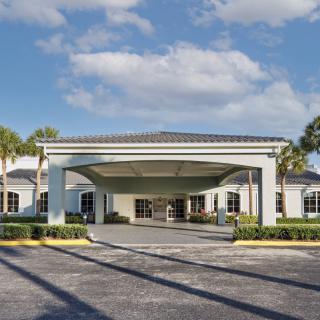
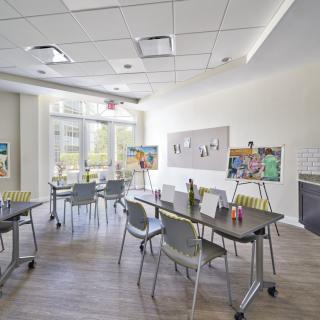
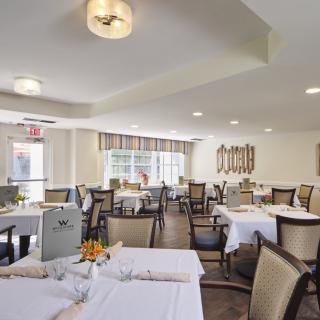
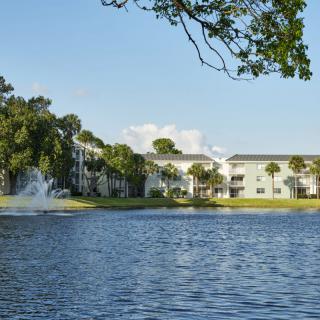
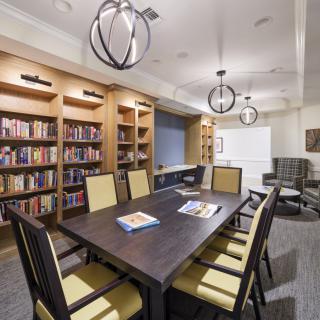
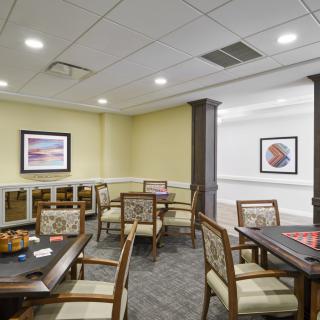
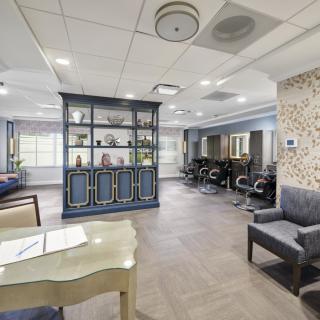
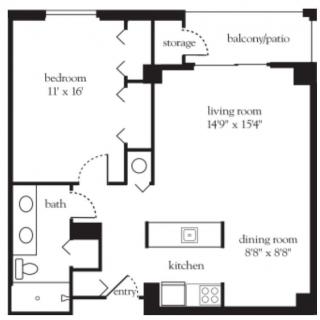
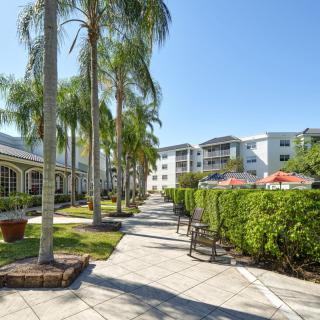
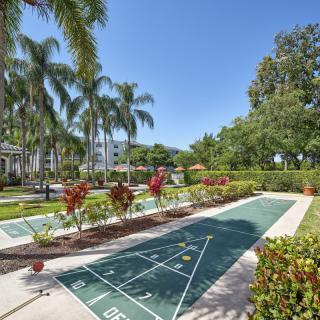
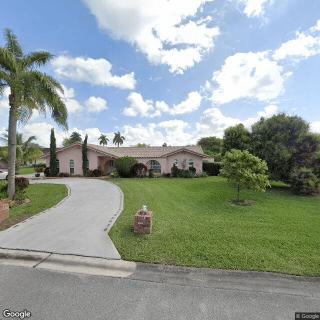
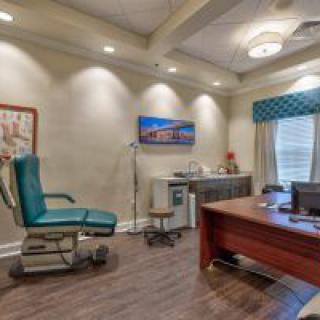
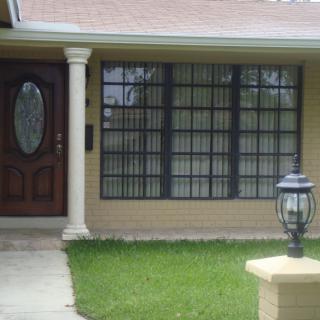
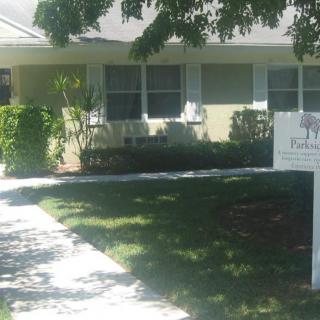
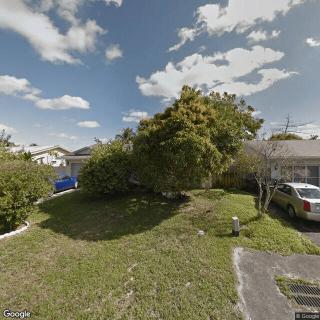
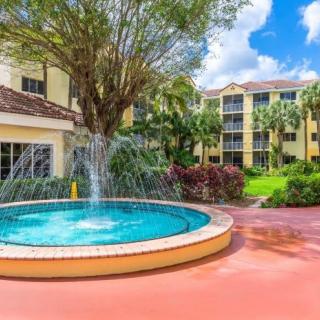
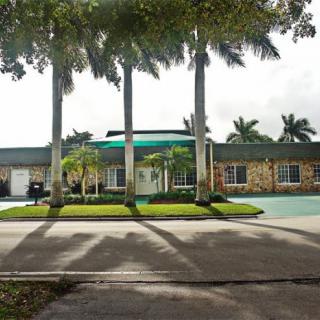
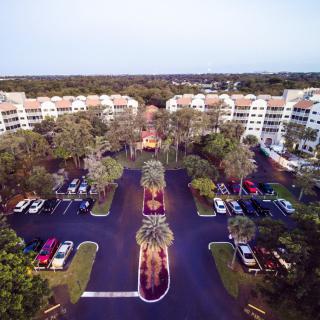
Oasis Living Quarters on seniors.fyi includes 28 photos including images showing floor plan, interior, bedroom, dining, living room, kitchen, bathroom, palm trees, and more.
Nearby Communities
Wickshire Fort Lauderdale
Fort Lauderdale, FL
3.7 from 88 reviews
Comprehensive care options and 24/7 supervision
Lakeview Retirement Residence
Fort Lauderdale, FL
5 from 5 reviews
$2,800 / month
Affordable pricing for semi-private rooms at $2,800/month with comprehensive care (assisted living, memory care, respite) and on-site amenities.
All Nations Home Care - Tamarac, FL
Tamarac, FL
5 from 15 reviews
Excellent access to nearby amenities and healthcare (parks, pharmacies, restaurants, clinics).
Brightside Homecare - Fort Lauderdale, FL
Fort Lauderdale, FL
5 from 2 reviews
Compassionate, attentive nurse delivering comfort in final days.
Care Assist Home Care Fort Lauderdale FL
Ft Lauderdale, FL
Convenient location with nearby parks, pharmacies, dining, and transit.
Acti-Kare of Coconut Creek, FL
Fort Lauderdale, FL
Strong access to nearby amenities and healthcare.
The Preserve at Palm-Aire
Pompano Beach, FL
4.6 from 165 reviews
$2,840 to $6,825 / month
Caring staff, clean facilities, and engaging activities.
Caring Village of Margate
Margate, FL
4.3 from 58 reviews
$3,500 to $5,000 / month
Clean facility with attentive staff, a welcoming environment, and engaging memory-care activities.
Pacifica Senior Living Forest Trace
Lauderhill, FL
4.4 from 246 reviews
$3,725 to $3,950 / month
Beautiful park-like grounds with friendly staff and spacious, well-equipped units plus ample activities.
Reminiscence therapy is a structured method for older adults, especially those with dementia, to share life stories using prompts and sensory cues, fostering emotional well-being, social engagement, and self-identity. It aims to improve quality of life by enhancing interpersonal connections and cognitive stimulation while requiring careful facilitation to avoid distressing memories.
Dementia, particularly Lewy body dementia, often involves hallucinations that can significantly distress both patients and caregivers due to disruptions in sensory processing and neurotransmitter imbalances. Effective management includes compassionate communication, environmental adjustments, and a multidisciplinary approach to care while addressing the emotional needs of caregivers.
Alzheimer’s disease is a progressive neurological disorder that significantly impacts memory and cognitive functions, accounting for 60-80% of dementia cases, with early diagnosis being crucial yet challenging. It involves brain changes like beta-amyloid plaques and tau tangles, influenced by genetic and lifestyle factors, and while there is no cure, symptom management and support for caregivers are essential.
Patio, Swimming Pool, Umbrellas, and Apartment Complex
Exercise Equipment
Pathway
Bookshelves and Library
Nature, Fountain, and Water
Palm Trees
Gym, Exercise Room, and Fitness Center
Plant
Studio Apartment and Design
Balcony
Conference Room
Bright Lighting
Meeting Room
Meeting Space
Architectural Drawing
Lake
Modern Interior
Architectural Design
Get PricingAsk A QuestionSchedule A TourContact Senior Advisor
By clicking submit, you agree to our Partner's Terms of Use. You
also consent to receive calls and texts, which may be autodialed, from our Partner. Your consent is not a condition to
using our Partner's service. Please visit our Partner's Privacy Policy for information about their privacy practices.

 1-bedroom apartments
 Assisted Living
 Independent Living
 Memory Care
 Cats allowed
 Dogs allowed
 Activities off-site
 Air-conditioning
 Bath tubs
 Beautician on-site
 Cable or satellite TV
 Devotional services off-site
 Full kitchen
 Ground floor units
 Handicap accessible
 Indoor common areas
 Outdoor common areas
 Respite or short term stays offered
 Swimming pool
 Wheelchair accessible showers
 Fort Lauderdale-Hollywood International (8 miles away)
 Ambulatory care
 Incontinence care
 Medication management
 Guest meals
 Art classes
 Catholic services
 Educational speakers / life long learning
 Jewish services
 Live well programs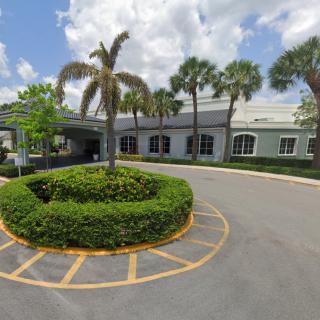
 Comprehensive care options and 24/7 supervision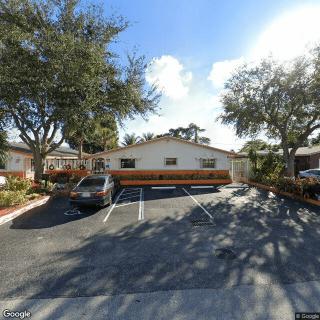

 An In-Depth Look at Reminiscence Therapy in Dementia Care
 Dementia-Related Hallucinations: Causes, Experiences, and Practical Approaches
 Illuminating Insights About Alzheimer's Disease: Ten Crucial Realities