
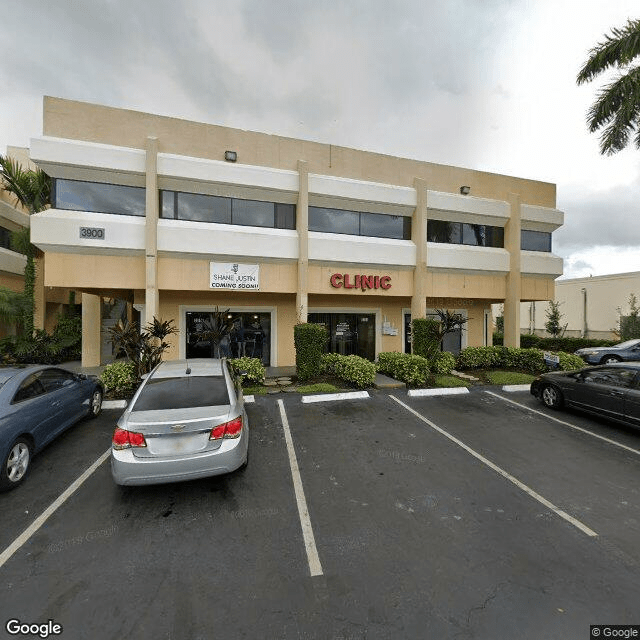
3900 W. Commercial Blvd. Suite 214, Tamarac, FL 33309
To contact a resident: (954) 900-3199
For more information about senior living options: (866) 208-4318
Overall Review of All Nations Home Care - Tamarac, FL
Pros
 Caring Home Health Center goes above and beyond to take care of their patients.
- The care provided gives families peace of mind and consistently high-quality support.
- The caregivers are professional, kind, and truly attentive to every detail of care.
- The office staff are easy to communicate with and genuinely caring.
- The team treats loved ones with the utmost kindness, respect, and professionalism.
- The owner is hands-on and matches clients with the best home aide personnel to fit their needs.
- Families feel safe, respected, and truly cared for by Caring Home Health Center.
- Leadership at Caring Home Health Center sets a positive example of respect that flows to all staff.
- The service is described as the highest quality, with compassionate and attentive professionals.
- Caring Home Health Center is noted for exceptional service from both administrative staff and caregivers who are passionate about quality homecare.
Review
All Nations Home Care in Tamarac is best suited for families seeking dependable, high-touch in-home care where caregivers feel like extensions of the family. The reviews repeatedly show a pattern of compassionate, professional staff who tailor care to each loved one, with a sharp focus on safety, daily routines, and meaningful engagement. When a family needs not only medical support but consistent warmth, reliable scheduling, and clear, ongoing communication with a responsive office, this is the model to emulate. The agency should emphasize careful caregiver matching to fit each client’s history, preferences, and evolving needs, along with thorough daily documentation and regular family updates.
Those who should consider alternatives are families pursuing facility-based options that provide 24/7 on-site clinical oversight, or programs offering hospital-grade rehabilitation and therapy within a residential setting. If the priority is a traditional assisted living environment or a setting with more institutional SCU (skilled care) capacity, or if insurance and funding structures favor a facility-heavy approach, it is prudent to compare other providers or explore senior living communities that combine housing with on-site medical services. In short, live-in facility care or more intensive rehab tracks may demand a different framework than what at-home care typically offers.
The strongest pros evident in the reviewed experiences point to a consistently high level of personal attention and professional integrity. Families credit caregivers who are not only skilled but genuinely compassionate, treating loved ones with dignity and respect. Communication stands out as a major strength: easy access to office staff, timely updates, and a sense that questions are answered promptly. The leadership culture comes through in every interaction, owners or managers who stay involved, assign the best personnel, and ensure staff feel valued, which translates into steadiness and reliability for families. The attention to daily routines, nutritious meals, engaging activities, and opportunities to participate in daily events, helps preserve routine, mood, and a sense of normalcy.
There are no clearly stated drawbacks in the feedback provided, which speaks to a consistently positive experience. That said, any home-care arrangement will face practical realities not tied to quality of care alone. Potential considerations include ensuring sufficient coverage during weekends and holidays, confirming the ability to handle sudden changes in health status, and verifying how the provider coordinates with physicians, hospitals, and specialists. Families should also verify the exact scope of in-home medical tasks versus supportive care, and confirm cost structures, eligibility, and disaster or backup-plan procedures. These are standard checks that complement the demonstrated strengths.
The favorable attributes, stable, long-tenured staff; careful caregiver matching; transparent, proactive communication; and active leadership oversight, collectively offset common drawbacks associated with home care. When caregivers stay with a client over time, trust deepens and the likelihood of missed details or miscommunication diminishes. Regular family meetings and progress updates turn care into a collaborative process rather than a one-way handoff, reducing anxiety for relatives and improving adherence to care plans. The combination of warmth, professionalism, and structured oversight creates a framework where families feel confident entrusting their loved ones to at-home care, with a clear path for escalation if needs shift.
For families evaluating All Nations, the takeaway is clear: seek a provider that mirrors these strengths, exceptional caregiver quality, tight communication, and leadership that actively maintains high standards. Ask how caregiver matching is conducted, how continuity of care is preserved during staff turnover, and what systems are in place for regular family updates. Inquire about the scope of services available at home, including rehabilitation-focused activities, nutrition planning, and daily enrichment, as well as backup plans for caregiver shortages. Finally, compare the value proposition against facility-based alternatives that may offer different levels of medical oversight or community amenities. When these elements align, in-home care delivers a practical, trustworthy path to preserving independence while ensuring safety and peace of mind.
 Fort Lauderdale-Hollywood International (8 miles away)







 Compassionate Conversations: How to Comfort Someone Who Is Grieving
 Home Health Care Aides: Understanding Their Role and Supporting Your Family
 Urinary Tract Infections in Older Adults: Comprehensive Insights on Symptoms, Treatment, and Prevention