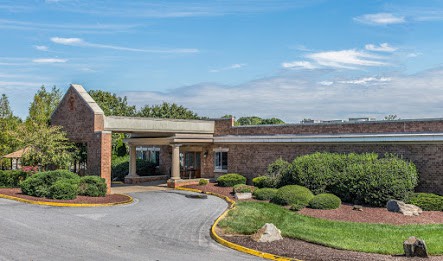







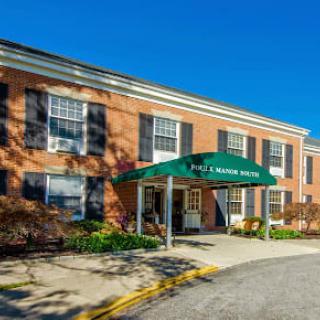
700 Foulk Road, Wilmington, DE 19803
For more information about senior living options: (866) 208-4318
Overall Review of Manorcare Health Services - Wilmington
Pros
 The staff and atmosphere at Manor Care was very pleasant.
- The staff works very hard to help their patients recover and return to their normal lives as quickly and safely as possible.
- There is an attempt to provide entertainment and diversions for the patients/residents who are capable of such activities despite their illness or injury.
- The menu is definitely a step above what you would expect in such a facility.
- Her friend felt good about the stay at Manor Care.
Cons
 Manor Care was terrible.
- Staff lied about having the necessary meds on site or nearby, forcing him to go home at midnight to retrieve them.
- Nobody ever gave him the medications.
- He did not see a doctor or nurse during his three-day stay there.
- The facility would not provide transportation, making follow-up hospital trips very complicated.
- The staff did not listen to her explanations about medications and dosages.
- Upon release, she received a painkiller prescription that could not be filled locally.
- The staff told her to contact her doctor since she was no longer under their care.
Review
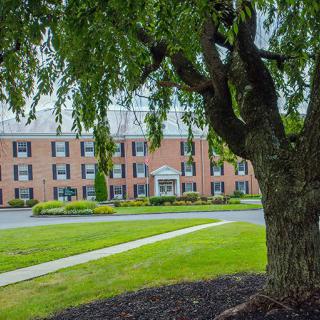
ManorCare Health Services in Wilmington is best suited for seniors who require skilled nursing and close, on-site medical oversight as a primary need. Families counting on reliable medication administration and prompt physician contact will find this facility aligns with those essentials, provided expectations are conditioned by the realities of care delivery. The setting can support a structured rehab trajectory where staff are focused on recovering function and restoring independence, but the experience is not uniformly reliable, and gaps in day-to-day care can be jarring.
On the positive side, the staff and overall atmosphere at ManorCare often feel engaged and courteous, with a genuine effort to help residents recover and return to normal life as quickly and safely as possible. There is visible attention to entertainment and diversions for capable residents, and the dining offerings tend to surpass what is typical for a facility of this type. In some cases, residents see regular doctor visits and therapists, which can reinforce a sense of active management of medical needs and progress.
But the negatives are significant and frequently recurring. The most consequential are failures around med delivery and coordination: promises of on-site or nearby medications that never materialize, and disjointed communication about why medications are prescribed or adjusted. In at least one three-day stay, no clinician appeared, and no one guided nutritional, hydration, or medical needs, contributing to a hospital return. Transportation for follow-up care is inconsistent or unavailable, complicating recovery when mobility is limited, and post-discharge prescriptions can arrive with little to no pharmacy support once the resident is home.
These gaps do not occur in a vacuum. They undermine the otherwise solid elements, the caring staff, the recovery-oriented environment, and the above-average meals, and they cast a shadow over the facility’s ability to deliver a truly seamless continuum of care. The absence of reliable transportation and the sometimes-tenuous handling of complex medication regimens raise real questions about the facility’s readiness to support higher-acuity needs. When a resident’s health issues are multi-faceted and require tight coordination among nursing, pharmacy, and physician teams, these issues become a primary risk factor.
For families weighing options, the key decision line is whether nursing oversight and dependable med management are non-negotiable. If those are non-negotiable, alternatives or additional safeguards should be pursued: insist on explicit, written guarantees about med delivery timelines, confirm whether on-site pharmacy staffing can handle home-delivered medications, and verify transportation arrangements for medical appointments. There is a newer facility nearby offering independent living, assisted living, and memory care but no nursing; for families comfortable with using outside nursing support, that site can be a viable alternative. For those who require genuine on-site nursing care, ManorCare remains the anchor option, but with clear expectations and proactive advocacy.
Ultimately, ManorCare presents a pragmatic choice for those prioritizing structured rehabilitation and access to medical oversight, tempered by real concerns about medication management, discharge planning, and transportation. It is not a universally practical solution; it is a skilled-nursing option that demands vigilant family involvement and a candid plan for how all aspects of care will be coordinated. If the resident’s needs center on reliable med administration and smooth transitions to and from hospital or home, pursue firmer benchmarks or alternatives. If those benchmarks can be secured, ManorCare can still be a workable path to regained independence.
 138 resident community capacity
 Continuing Care Retirement Community (CCRC)
 Skilled Nursing Facility
 Air-conditioning
 Beauty salon
 Cable or satellite TV
 Computer center
 Dining room
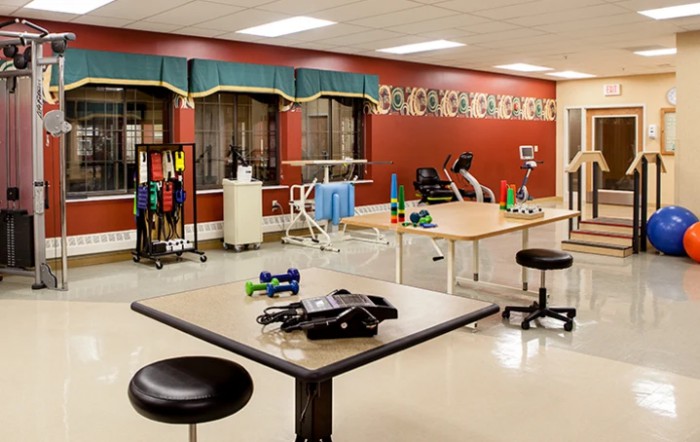
 Fitness room
 Fully furnished
 Gaming room
 Garden
 Housekeeping services
 Kitchenette
 Move-in coordination
 Outdoor space
 Private bathrooms
 Restaurant-style dining
 Small library
 Telephone
 Wellness center
 Wi-Fi/high-speed internet available
 New Castle County (8 miles away)
 Community operated transportation
 12-16 hour nursing
 24-hour call system
 Activities of daily living assistance
 Assistance with bathing
 Assistance with dressing
 Assistance with transfers
 Diabetes diet
 Medication management
 Mental wellness program
 Special dietary restrictions
 Concierge services
 Planned day trips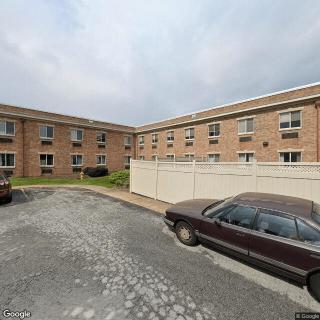



 In-Depth Look at the VA Aid and Attendance Program
 Nurturing Our Loved Ones: A Daughter's Journey in Caring for Her Mother
 Nurturing Our Elders: Linda's Journey of Supporting Her Mother