Shipley Living in Wilmington, DE

Save

  • Interior

    A cozy living room features a grand piano, a fireplace, and comfortable seating arrangements.
  • Decor

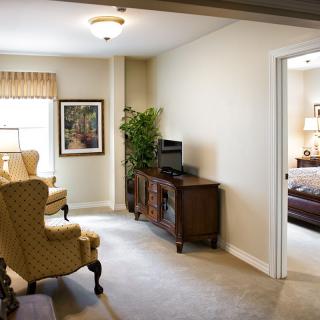
    A cozy living room with comfortable sofas and warm lighting.
  • Living Room

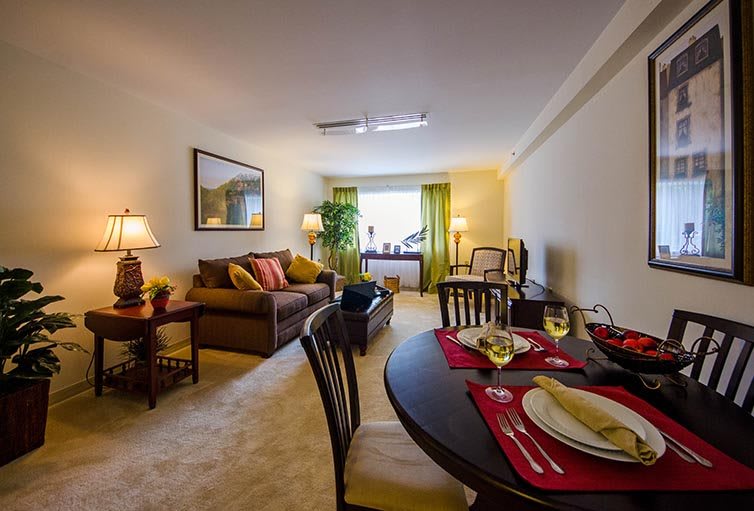
    A cozy living room and dining area with elegant decor, featuring a comfortable sofa and a table set for two.
  • Bedroom

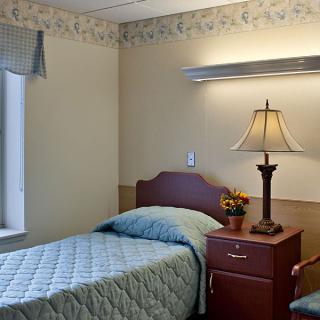
    A cozy bedroom with a neatly made bed, two lamps on nightstands, and natural light coming through the window.
  • Windows

    A cozy bedroom with a wooden bed, red pillows, and green curtains.
  • Dining

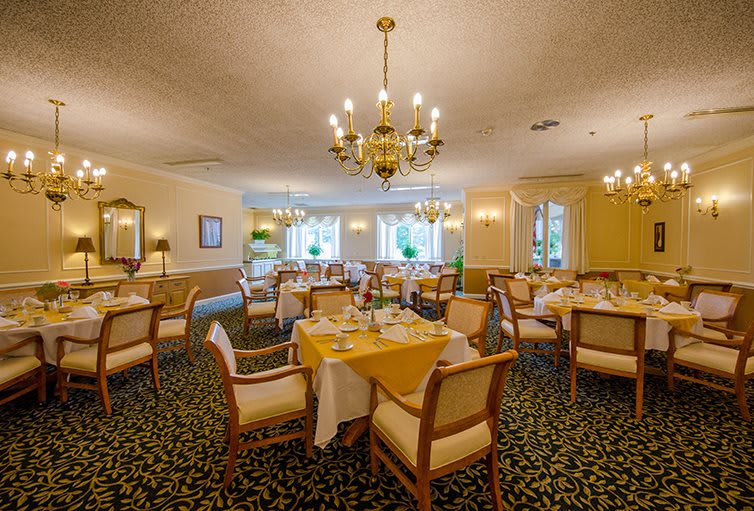
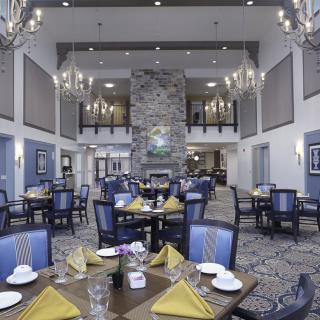
    An elegant dining area with chandeliers and neatly arranged tables and chairs.
  • Landscaping

    A tranquil garden pond with a small waterfall surrounded by rocks and greenery.
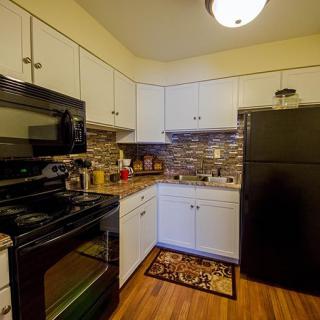
  • Kitchen

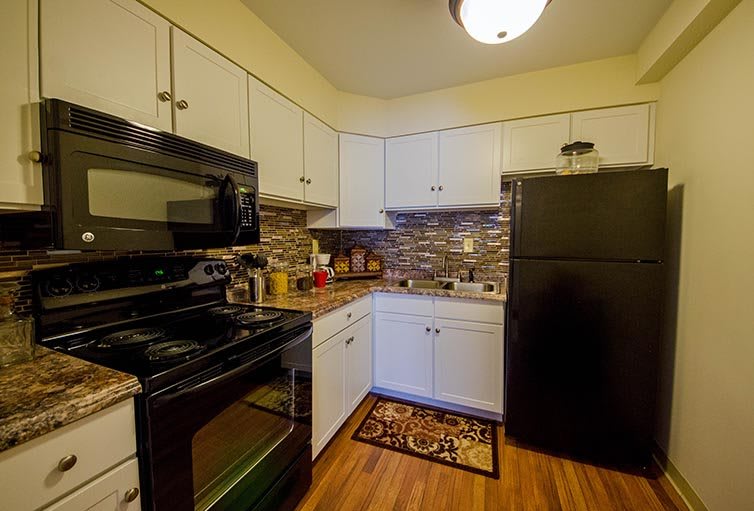
    A modern kitchen with black appliances and white cabinetry.
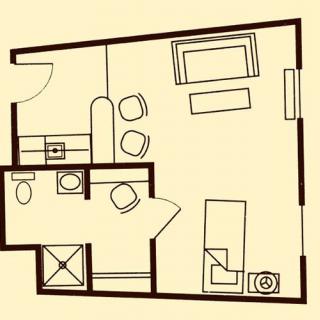
  • Floor Plan

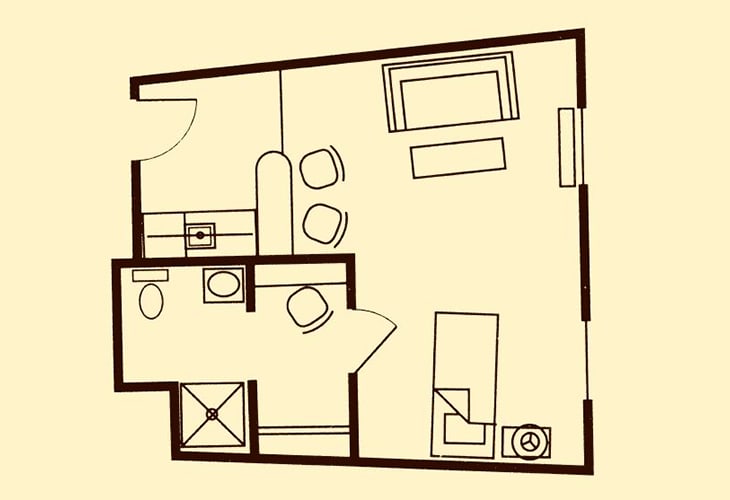
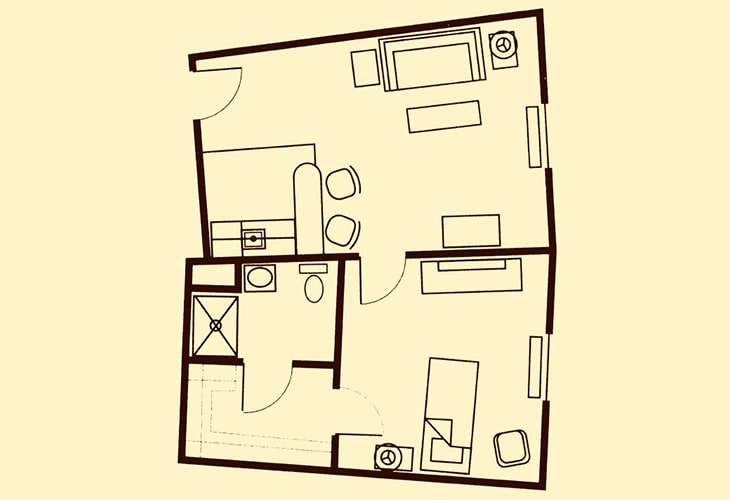
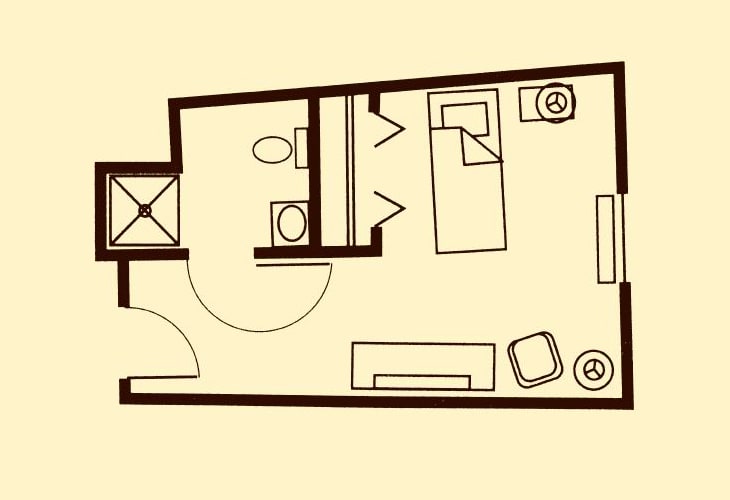
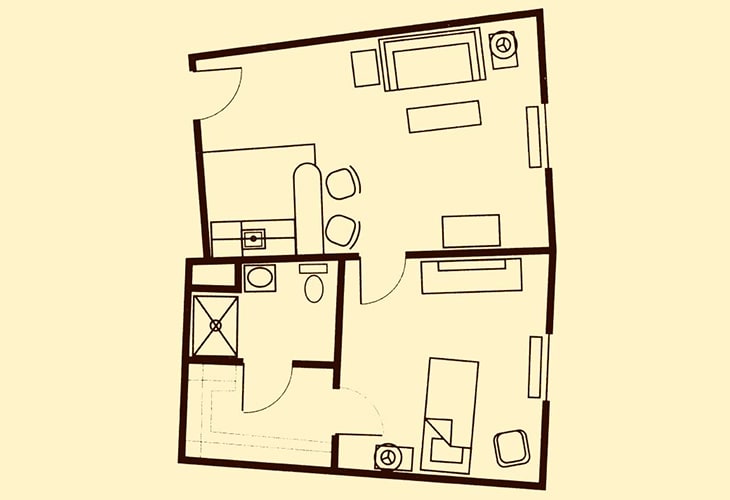
    A floor plan of a small apartment showing the layout of the living room, kitchen, bathroom, and furniture arrangement.
  • Television

    Cozy living room with a dining area, featuring comfortable furniture and warm lighting.
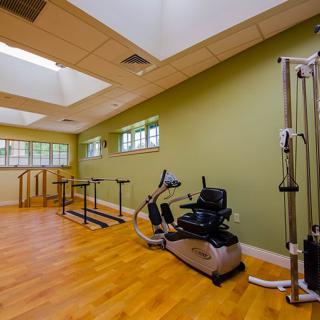
  • Exercise Equipment

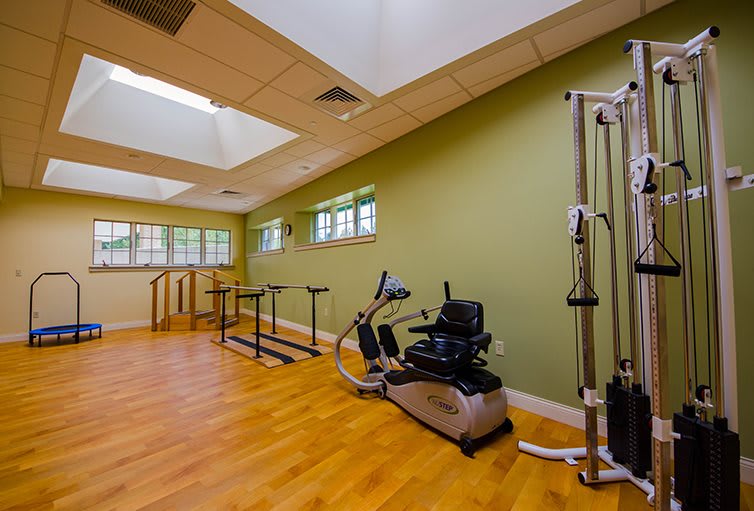
    A compact exercise room equipped with fitness and rehabilitation machines.

Shipley Living in Wilmington, DE

2723 Shipley Rd, Wilmington, DE 19810

For more information about senior living options: (844) 490-3973

4.5 from 115 reviews
5 stars
92
4 stars
8
3 stars
5
2 stars
4
1 stars
6

Assisted Living Independent Living

Shipley Living Costs & Pricing

Shipley Living offers competitive pricing for its residents when compared to both New Castle County and the broader state of Delaware. For instance, a studio apartment at Shipley Living is priced at $3,050 per month, significantly lower than the county average of $4,083 and the state average of $4,281. Similarly, the one-bedroom units are available at $3,100, again undercutting the county's rate of $3,843 and the state's rate of $4,105. Even for two-bedroom apartments, Shipley Living maintains an appealing price of $3,150 as opposed to New Castle County's average of $4,540 and Delaware's average of $4,999. This affordability combined with quality living spaces makes Shipley Living an attractive option for those seeking comfortable and cost-effective housing solutions in the area.

Floor plansShipley LivingNew Castle CountyDelaware
Studio$3,050$4,083$4,281
1 Bedroom$3,100$3,843$4,105
2 Bedrooms$3,150$4,540$4,999

Overall Review of Shipley Living

Pros

  • pro The health center is professional, caring, friendly, and compassionate.
  • pro Shipley Living's staff provide dedicated, compassionate care from nurses to therapists.
  • pro Mom has progressed to eating solids, speaking, standing, and walking with assistance.
  • pro She is on track for discharge to go back home.
  • pro The environment of healing at Shipley Living is fostered by consistent, attentive staff.
  • pro Aunt has received warm, passionate, and loving care and is flourishing in a spacious apartment.
  • pro The Life Enrichment team delivers engaging, original activities that residents enjoy.
  • pro The nurses, aides, and therapists are exceptional, with staff like Amanda and Colleen noted for quality care.
  • pro The cuisine is outstanding and among the best in Delaware.
  • pro Keisha Jacobs-Jackson is praised for making transitions smooth, welcoming, and well organized.
  • pro The facility is clean, well-maintained, and feels like a family community.
  • pro The staff are friendly, attentive, and treat residents with dignity and respect.

Cons

  • pro A reviewer described Shipley Living as horrible, claiming neglect led to their father's death and urged others not to send loved ones there.
  • pro The food service was called the weakest link, with residents repeatedly complaining about quality, choices, and missing items.
  • pro Some reviewers raised safety concerns, noting cottages lack ramps and security features.
  • pro The reviews criticized poor communication and management, saying families were not involved in care planning.
  • pro One reviewer claimed staff didn't seem to care much.
  • pro There was an allegation that a staff member harmed a grandmother, resulting in hospitalization.
  • pro A reviewer labeled the place the worst to send a loved one.

Review

Shipley Living is best suited for families seeking a warm, hands-on, care-centered community where staff longevity and active rehabilitation drive daily life. The strongest fit is for relatives who want to remain deeply involved in a loved one's recovery and everyday routines, from long-term nursing care to independent living transitioning smoothly into assisted living if needs change. It works well for stroke or post-hospital rehab journeys, where a dedicated team of nurses, aides, and therapists can coordinate around a patient's goals and celebrate slow, tangible progress. The campus model - smaller, with a personal feel and open visiting - fosters the sense that care happens in partnership with families, not at arm's length.

That said, alternatives deserve consideration for families prioritizing modern amenities, seamless dining programs, or consistently flawless operations. Several reviews flag flatter dining experiences, reports of inconsistent food quality, and occasional gaps in communication and care coordination. For those who value a place with a more contemporary look, uniformly streamlined service, and robust security across all living spaces, other area communities may offer a better fit. Also worth noting are memories of management turnover and concerns about capital improvements, which can matter when a choice hinges on long-term stability and clear, proactive governance.

The core positives - exceptional bedside care, a genuine sense of community, and a robust rehabilitation track - signal why families often rate Shipley Living highly. Long-tenured staff, including nurses and aides who have cultivated relationships with residents over many years, translate into reliable, attentive care. The rehab program is praised for consistency and adaptability: therapists adjust schedules, pivot approaches when fatigue surges, and push for meaningful milestones such as regained mobility, speaking, or swallowing function. The Life Enrichment and activity teams also earn trust, delivering varied programming that keeps residents engaged and social, a critical offset to the quieter routines that can emerge in senior living.

Clinical care on the nursing side is frequently highlighted as empathetic and competent, with praise for timely medication administration and coordinated attention across the rehab, long-term care, and independent living spectrums. Yet several reviewers highlight a reality that cannot be ignored: care coordination and communication can be uneven. In some cases, families report difficulty getting updates or aligning on care plans, and there are mentions of management transitions that disrupt continuity. For families weighing this community, the question becomes: will the team sustain a high-touch, transparent care approach even as staffing and leadership evolve?

Environment and culture surface as both a plus and a caution. Shipley Living exudes warmth: clean spaces, friendly energy, and a sense that residents are treated like family. The dining atmosphere, opportunities for social outings, and the ability to bring family members for visits without friction all reinforce a home-like dynamic. On the downside, a number of critiques reference dated interiors, long hallways that feel task-heavy to navigate, and occasional maintenance gaps that undermine comfort. Safety features vary by unit, with cottage design lacking ramp access in several homes and independent living spaces feeling exposed to security concerns in some accounts. These factors matter to families prioritizing ease of access and modern safety standards.

Taken together, Shipley Living delivers a practical, compassionate option for aging in place where recovery progress and personal connections matter most. The best decision-makers will approach with a clear set of questions: How consistent is care planning across shifts and departments? What concrete upgrades are planned under current ownership, and what is the timeline for ramps, security, or amenity improvements? How does the team handle nutrition and menu flexibility to meet dietary needs? And how will communication be scheduled and documented during transitions between independent living, assisted living, and skilled nursing? For families focused on a heartfelt, community-forward environment with strong rehab potential, Shipley Living remains compelling; for those seeking a modern, uniformly polished campus with flawless operations across every unit, alternatives may offer a more predictable fit.

Features

Types of Care

  • Assisted Living Assisted LivingAssisted living facilities provide crucial support and care for seniors who may need help with daily tasks such as medication management, bathing, and meal preparation. These communities offer a safe and comfortable environment where seniors can maintain their independence while receiving the assistance they need to thrive in their golden years.
  • Independent Living Independent LivingIndependent living communities are important for seniors because they offer a safe and supportive environment where older adults can live independently while still having access to amenities and services that enhance their quality of life. These communities provide social opportunities, recreational activities, and assistance with daily tasks, promoting overall well-being and allowing seniors to maintain their independence for as long as possible.

Pets

  • Cats allowed Cats allowed"Pet friendly" senior living communities are important for seniors because pets provide companionship, reduce feelings of loneliness and depression, promote physical activity and mental stimulation, and offer a sense of purpose and responsibility. Pets can improve overall well-being and quality of life for seniors in many ways.
  • Dogs allowed Dogs allowed"Pet friendly" senior living communities are important for seniors because pets provide companionship, reduce feelings of loneliness and depression, promote physical activity and mental stimulation, and offer a sense of purpose and responsibility. Pets can improve overall well-being and quality of life for seniors in many ways.

Amenities

  • Activities off-site Activities off-siteEngaging in off-site activities is crucial for seniors to maintain social connections, stay active, and stimulate their minds. It promotes overall well-being and helps combat feelings of isolation and loneliness.
  • Activities on-site Activities on-siteActivities on-site are important for seniors because they provide opportunities for socialization, mental stimulation, physical activity, and overall well-being. Engaging in activities can help seniors stay active, maintain their independence, and improve their quality of life.
  • Bath tubs Bath tubsBath tubs are important for seniors because they provide a safe and relaxing way to bathe, helping to prevent slips and falls while promoting independence and overall well-being.
  • Beautician on-site Beautician on-siteHaving a beautician on-site at a senior living community is important for seniors as it allows them to easily access grooming and personal care services, boosting their self-esteem and overall well-being. It also provides convenience and helps seniors maintain their sense of independence and personal style.
  • Devotional services off-site Devotional services off-siteDevotional services off-site are important for seniors as they provide spiritual nourishment, social engagement, and a sense of community outside of the senior living facility. This can enhance overall well-being and help combat feelings of isolation and loneliness often experienced by older adults.
  • Devotional services on-site Devotional services on-siteDevotional services on-site provide seniors with spiritual support and a sense of community, as well as an opportunity for reflection and guidance during their senior living experience. This can promote emotional well-being and connection to others, leading to a more fulfilling and enriching lifestyle in their later years.
  • Indoor common areas Indoor common areasIndoor common areas are crucial for seniors as they provide a space for socialization, recreation, and community engagement, promoting overall well-being and reducing feelings of isolation and loneliness.
  • Outdoor common areas Outdoor common areasOutdoor common areas are important for seniors as they provide a space for socialization, physical activity, and relaxation. Being outside in nature can improve mood and overall well-being, while also encouraging movement and engagement with others. These spaces can help combat feelings of isolation and promote a sense of community among residents.
  • Respite or short term stays offered Respite or short term stays offeredRespite or short term stays provide seniors with a temporary solution when their regular caregiver is unavailable, offering them the opportunity to receive additional care and support during times of need, while also giving caregivers a chance to rest and recharge.
  • Wheelchair accessible showers Wheelchair accessible showersWheelchair accessible showers are crucial for seniors as they provide a safe and independent bathing option for those with mobility challenges. These showers help prevent falls and allow seniors to maintain their dignity and autonomy while ensuring they can bathe comfortably.

Transportation

  • New Castle County (10 miles away) New Castle County (10 miles away)
  • Philadelphia International (16 miles away) Philadelphia International (16 miles away)

Care Services

  • Ambulatory care Ambulatory care"Ambulatory care services provide essential medical support and treatment to seniors without requiring hospitalization, allowing them to maintain their independence and quality of life while managing chronic conditions or receiving routine medical care."
  • Diabetic care Diabetic careDiabetic care is crucial for seniors as they are more susceptible to developing diabetes due to aging and other health conditions. Proper management of diabetes can help prevent complications such as heart disease, vision loss, and nerve damage, improving the overall quality of life for seniors in senior living communities.
  • High acuity care High acuity careHigh acuity care is important for seniors because it provides specialized medical attention and support for individuals with complex medical needs. This level of care ensures that seniors receive the appropriate treatment and assistance to maintain their health and quality of life as they age.
  • Incontinence care Incontinence careIncontinence care is essential for seniors to maintain their dignity, hygiene, and overall quality of life. By addressing incontinence issues promptly and effectively, seniors can enjoy a sense of independence and comfort in their daily activities.
  • Medication management Medication managementMedication management is crucial for seniors to ensure they are taking the right medications at the correct dosages and times. This helps prevent adverse drug interactions, reduces the risk of medication errors, and promotes overall health and well-being. Proactive management also allows for adjustments as needed based on changing health conditions or new prescriptions.

Dining

  • Meals provided Meals provided"Meals provided" are crucial for seniors in assisted living communities as it ensures they have access to nutritious, balanced meals without the stress of meal planning and preparation. This can help promote overall health and well-being for seniors who may have limited mobility or cognitive abilities.
  • Vegetarian VegetarianA vegetarian diet is important for seniors because it can help lower the risk of chronic diseases, maintain a healthy weight, and provide essential nutrients needed for aging bodies. Additionally, plant-based diets are often easier on digestive systems and can contribute to overall well-being in older adults.

Activities

  • Catholic services Catholic servicesCatholic services are important for seniors because they provide spiritual support, a sense of community, and opportunities for social interaction that can enhance overall well-being and quality of life in their later years.
  • Day trips and outings Day trips and outingsDay trips and outings are important for seniors as they provide opportunities for socialization, mental stimulation, physical activity, and a break from daily routines. These experiences can enhance overall well-being and quality of life for older adults living in senior communities.
  • Devotional activities offsite Devotional activities offsiteDevotional activities offsite are important for seniors because they provide social engagement, spiritual growth, and a sense of community outside of their living environment. This can improve overall well-being, mental health, and combat feelings of isolation or loneliness.
  • Devotional activities on-site Devotional activities on-siteDevotional activities on-site provide seniors with a sense of community, spiritual fulfillment, and emotional support, promoting overall well-being and a positive sense of purpose in their lives.
  • Happy hour Happy hourHappy hour is important for seniors as it provides a social activity that promotes camaraderie and reduces feelings of loneliness or isolation. It also offers an opportunity for older adults to relax, unwind, and enjoy some drinks or snacks in a fun and welcoming atmosphere.
  • Jewish services Jewish servicesJewish services are important for seniors as they provide a sense of community, spiritual support, and connection to their heritage and traditions. These services help enhance overall well-being and quality of life for older adults in senior living settings.
  • Live dance or theater performances Live dance or theater performancesLive dance or theater performances are important for seniors because they provide opportunities for socialization, mental stimulation, and emotional engagement. These performances can help combat feelings of isolation and loneliness, while also offering a sense of connection to the arts and culture. Additionally, watching live performances can bring joy and create lasting memories for seniors in their later years.
  • Live musical performances Live musical performancesLive musical performances can provide seniors with a sense of joy, nostalgia, and connection. Music has the power to evoke emotions and memories, improve mood and cognitive function, and foster social interaction among seniors. It can also serve as a form of therapy and stress relief for older adults, making it an important activity to include in senior living communities.
  • Live well programs Live well programs"Live well programs are essential for seniors as they provide opportunities for physical activity, social engagement, and mental stimulation, ultimately promoting overall health and well-being in later years."
  • Other religious services Other religious servicesOther religious services are important for seniors as they provide a sense of community, spiritual comfort, and opportunities for socializing. These services can help seniors feel connected to their faith and maintain a sense of purpose and belonging in their later years.
  • Protestant services Protestant servicesProtestant services are important for seniors because they provide spiritual nourishment, community support, and a sense of belonging. These services can help seniors connect with others who share their faith, find comfort and guidance in times of need, and maintain a sense of purpose and fulfillment in their later years.
  • Wine tasting Wine tastingWine tasting can be a fun and social activity for seniors, allowing them to engage their senses, learn about different varieties of wine, and potentially meet new friends. It also offers health benefits such as improved cognitive function and reduced risk of heart disease when consumed in moderation.

Description

Shipley Living in Wilmington, DE is an assisted living community that provides a comfortable and supportive environment for seniors who are seeking independent living. Our community offers a range of amenities and care services to ensure that our residents have everything they need to thrive.

For those who enjoy staying active and engaged, we offer a variety of activities on-site, including devotional services, live performances, and happy hours. We also organize day trips and outings to explore the surrounding area. Additionally, our indoor and outdoor common areas provide spaces for socializing and relaxation.

Our care services are designed to meet the specific needs of our residents. We provide diabetic care, high acuity care, incontinence care, and medication management. Our trained staff is dedicated to ensuring that each resident receives personalized attention and assistance with their daily activities.

At Shipley Living, we understand the importance of dining well. That's why we offer vegetarian options for our residents' meals. Our dining experience is designed to be both nutritious and delicious.

Our community is conveniently located near several cafes, parks, pharmacies, physicians' offices, restaurants, theaters, and hospitals. This allows our residents easy access to all the amenities and services they may need.

Whether you're looking for a vibrant community with engaging activities or compassionate care services tailored to your needs, Shipley Living in Wilmington, DE is here to provide a warm and welcoming home for you or your loved one.

Nearby Places of Interest

This part of Wilmington, Delaware, offers a convenient location with easy access to various amenities. With several physicians, pharmacies, and hospitals within a few miles, residents can easily access medical care when needed. There are also plenty of dining options nearby, including fast food restaurants and cafes. For entertainment, there are theaters within a short drive as well as parks for outdoor recreation. The transportation options include the Joseph R. Biden Jr. Railroad Station for those looking to travel by train. Overall, this area provides a mix of healthcare facilities, dining choices, recreational opportunities, and transportation options that may be appealing to seniors considering senior living in Wilmington.

Physicians

  • Brandywine Hundred Family Medicine (0.8 miles)
  • Foulkstone Christiana Care (1.1 miles)
  • Christiana Care: Concord Medicine And Pediatrics (2.2 miles)
  • AI Dupont Outpatient Cardiac Center (2.8 miles)
  • Richard J. Schmidt, MD (2.8 miles)
  • Total Care Physicians (3.3 miles)
  • Eye Doctors (4.1 miles)

Pharmacies

  • Walgreens (0.8 miles)
  • CVS Pharmacy (1.1 miles)
  • Rite Aid (1.7 miles)
  • Rite Aid (1.8 miles)
  • Walgreens (1.9 miles)
  • Walgreens (2.3 miles)
  • Walgreens (2.6 miles)

Cafes

  • Starbucks (0.9 miles)
  • Panera Bread (1.8 miles)
  • Styer's Garden Cafe (4.7 miles)
  • Starbucks (8.4 miles)

Restaurants

  • Taco Bell (1.1 miles)
  • McDonald's (1.6 miles)
  • Burger King (3.8 miles)
  • KFC (4 miles)
  • Chick-Fil-A (4.7 miles)
  • Terrain at Styer's (4.7 miles)
  • Wendy's (5 miles)

Theaters

  • Regal Brandywine Town Center (1.2 miles)
  • AMC DINE-IN Painters Crossing 9 (4.7 miles)

Parks

  • Talley Day Park (1.6 miles)
  • Shipley Heights Park (2.2 miles)
  • Alapocas Woods Park (3.4 miles)
  • Brandywine Park (4.3 miles)
  • Brandywine Creek State Park (4.6 miles)
  • Market Square Memorial Park (6.4 miles)
  • Goose Creek Park (8 miles)

Hospitals

  • St Francis Hospital (4.9 miles)
  • Wilmington VA Medical Center (6.5 miles)
  • Delaware Psychiatric Center (8.3 miles)
  • Riddle Hospital (8.6 miles)
  • Limestone Medical Center (9.2 miles)

Transportation

  • Joseph R. Biden Jr. Railroad Station (WIL) (5.5 miles)

Frequently Asked Questions

How much does it cost to live at Shipley Living in Wilmington, DE?
Where is Shipley Living?
Does Shipley Living allow residents to have pets?
What photos are available for Shipley Living in Wilmington, Delaware?

Nearby Communities

  • Cadia Rehabilitation Silverside

    Cadia Rehabilitation Silverside

    Wilmington, DE

    2.8 from 84 reviews
     

    pro High-quality therapy (PT/OT) with attentive staff noted by many.


  • Bayada Nurses

    Bayada Nurses

    Wilmington, DE

    4 from 4 reviews
     

    pro Prompt and dependable service during urgent needs.

  • Sunrise of Wilmington

    Sunrise of Wilmington

    Wilmington, DE

    4.1 from 97 reviews
    $6,150 to $9,030 / month

    pro Warm staff, clean apartment-style rooms, engaging activities and quality dining.

  • Maxim Healthcare Services

    Maxim Healthcare Services

    Wilmington, DE

    4.9 from 100 reviews
     

    pro Pet-friendly with convenient access to healthcare and nearby amenities.

  • The Village of Rocky Run

    The Village of Rocky Run

    Wilmington, DE


    pro Intimate, small community enabling personalized care.

  • Arden Courts of Wilmington

    Arden Courts of Wilmington

    Wilmington, DE

    4.2 from 54 reviews
    $8,025 to $8,855 / month

    pro Dedicated memory-care with attentive staff, strong safety measures, and engaging activity programs.

  • HarborChase of Wilmington

    HarborChase of Wilmington

    Wilmington, DE

    4.4 from 61 reviews
    $3,100 to $6,544 / month

    pro Attentive staff with engaging activities and quality dining.

  • Naamans Creek Country Manor

    Naamans Creek Country Manor

    Garnet Valley, PA

    3.7 from 51 reviews
    $3,156 / month

    pro Caring staff, clean, homey atmosphere, and engaging social activities.

  • Foulk Manor South

    Foulk Manor South

    Wilmington, DE

    4.3 from 72 reviews
    $2,600 to $3,100 / month

    pro Caring staff and engaging activities.

Related Resources

  • assisted living vs skilled nursingExploring the Contrasts Between Assisted Living and Skilled Nursing

    The article compares assisted living and skilled nursing facilities, detailing their differing levels of assistance, medical support, cost structures, and day-to-day experiences. It emphasizes that assisted living is for those needing help with daily activities while maintaining independence, whereas skilled nursing facilities provide intensive medical care with 24-hour staff supervision.

  • when to move from assisted living to nursing home8 Key Indicators That Suggest It May Be Time to Transition from Assisted Living to Skilled Nursing Care

    The transition from assisted living to skilled nursing care is often prompted by complex medical needs that assisted living cannot meet, with key indicators including frequent health declines, increased falls, severe memory issues, and caregiver burnout. Families should recognize these signs early to discuss options with healthcare providers and prepare for the emotional and logistical aspects of moving to a facility that offers comprehensive medical support.

  • active senior livingVibrant Senior Living: A Comprehensive Guide for Active Older Adults


    Vibrant Senior Living emphasizes active senior living communities that promote independence and engagement through diverse amenities and activities, fostering wellness and social interaction among older adults. These communities range from independent to assisted living, with a focus on personal growth, family involvement, financial planning, and leveraging technology to enhance residents' experiences.