Arden Courts of Wilmington Costs & Pricing
Arden Courts of Wilmington offers specialized memory care with pricing that reflects the quality of its services and amenities. The monthly costs for a semi-private room stand at $8,025, significantly higher than the averages for both New Castle County ($4,551) and the state of Delaware ($4,428). For residents seeking more privacy, a one-bedroom option is available at $8,855, which also exceeds the local and state averages of $3,843 and $4,105 respectively. While these rates may appear steep compared to surrounding options, they encompass a comprehensive level of care tailored specifically to individuals with memory challenges, ensuring a supportive environment that prioritizes both comfort and well-being.
| Floor plans | Arden Courts of Wilmington | New Castle County | Delaware |
|---|
| Semi-Private | $8,025 | $4,551 | $4,428 |
| 1 Bedroom | $8,855 | $3,843 | $4,105 |
Memory care communities with a similar price nearby
-
from +$250 / mo
Arden Courts King of Prussia
$8,275 / month
22.1 miles away
-
from -$1545 / mo
Sunrise of Haverford
$6,480 to $9,500 / month
19.1 miles away
-
from -$1185 / mo
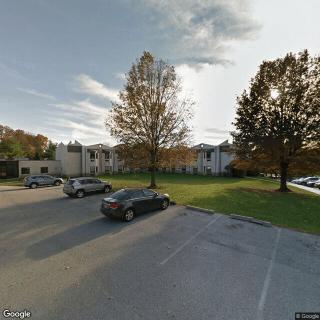
Brandywine Hall
$6,840 / month
11.4 miles away
-
from -$1275 / mo
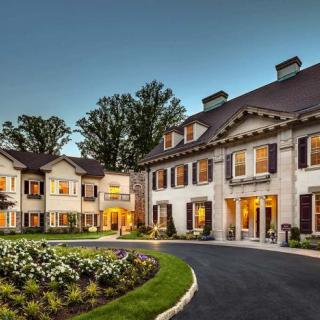
The Hearth at Drexel
$6,750 to $9,000 / month
21.4 miles away
-
from -$1245 / mo
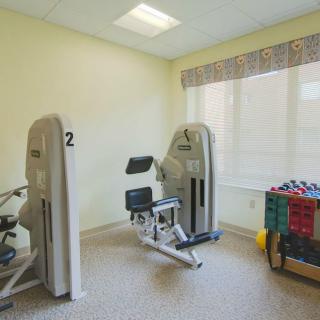
Ware Presbyterian Village
$6,780 to $8,790 / month
24.4 miles away
Overall Review of Arden Courts of Wilmington
caveat
Costs come up repeatedly
Many families call out the overall cost as a concern for value.
Several reviews say the community is expensive or overpriced, and they describe a financial tradeoff as part of the decision. At least one reviewer also states the community is private pay only, noting that it does not accept Medicaid or Medicaid/insurance supplements. A few comments tie the high cost to the need for strong, reliable dementia support, while others describe it as peace of mind if you can afford it.
common
Staff compassion and communication
Residents and families repeatedly describe the staff as compassionate and responsive.
A consistent thread across reviews is that staff show compassion and attentive care, with families mentioning easy communication and being kept in the loop. Multiple reviewers describe caregivers being available for questions and responsive to requests, and some highlight one-on-one conversations or ongoing support for difficult dementia transitions. Even when reviews include criticisms, other comments still single out staff effort and kindness as a strength.
common
Secure outdoor space and safety
Reviews frequently point to the secured setting and outdoor areas for comfort.
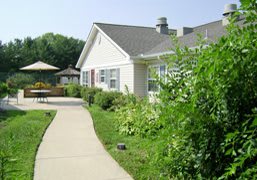
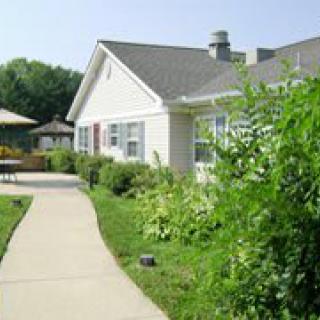
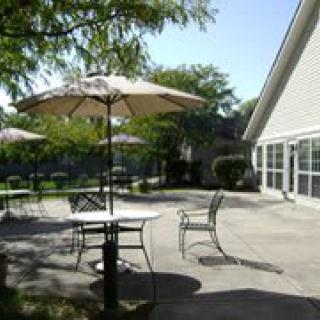
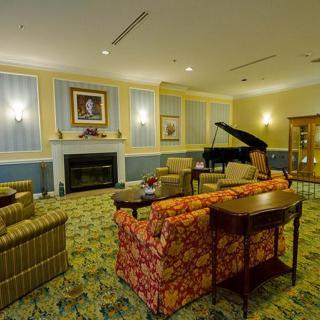
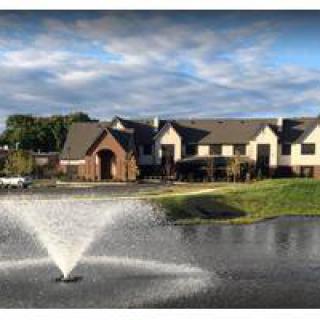
Several families describe the environment as secure, with outdoor walking paths or an outside area residents can access when they want. Reviews also mention residents spending time together outdoors or enjoying garden-style space, and families report feeling peace of mind when their loved ones are in a supportive setting. A few reviews also mention concerns about supervision, but the secured design and outdoor access come up as key positives for many reviewers.
differentiator
Specialized memory care approach
Many reviewers emphasize the community’s memory-care focus for dementia support.
Multiple reviews describe the community as specifically designed to serve residents with dementia or Alzheimer’s, rather than a general senior setting. Families talk about the staff managing paranoia, agitation, and sundowning through care routines and medication adjustments, and they credit the team for helping the resident reach a calmer, more content baseline. Some reviewers also mention that other facilities they considered didn’t seem capable of handling the level of agitation they were dealing with.
common
Dining gets mixed feedback
Dining is often praised, though at least one reviewer complains about food.
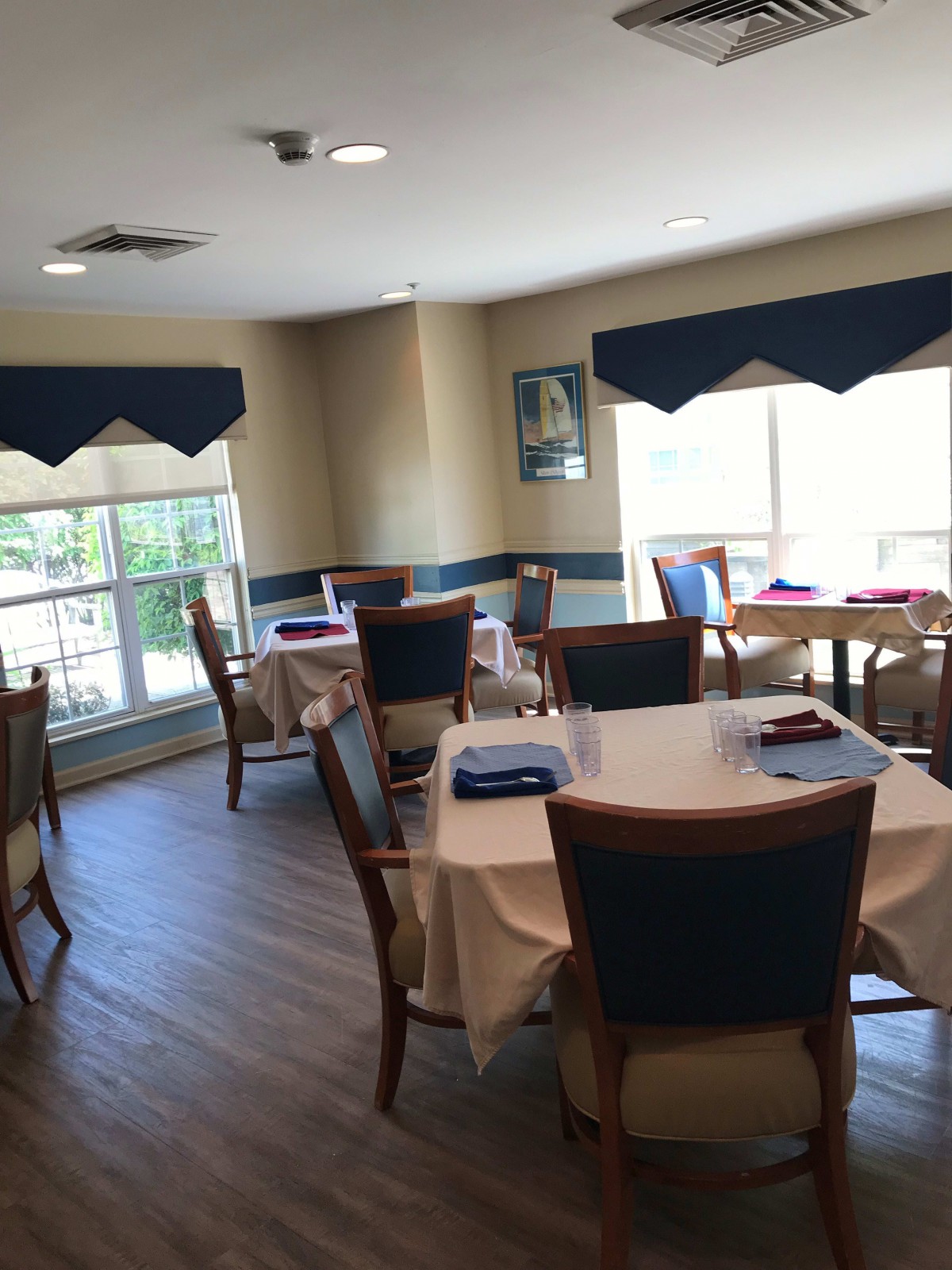
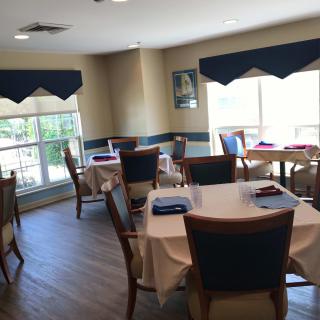
Several comments describe meals as delicious, above average, or nutritionally balanced, and some mention the option for special diets. Other reviewers mention smaller portions or that the food wasn’t to a family member’s liking. Overall, dining shows up as part of day-to-day life—sometimes as a clear positive and sometimes as a point of frustration.
common
Activities and outings shape daily life
Residents are described as engaged through frequent activities and outings.
A recurring theme is that residents participate in a wide range of activities, from games and arts to worship services and day trips. Several reviews mention outings to places like restaurants, museums, or parks, and describe residents building social routines around meals and activities. One reviewer also notes that activities helped their loved one do better than at a prior facility that lacked that kind of programming.
How we summarize
We summarize when many written reviews mention each theme; a review can touch several themes, and only frequently mentioned themes are displayed.

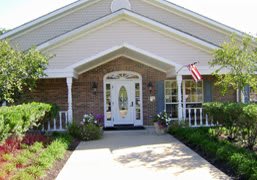

 Studio apartments
 Memory Care
 Activities off-site
 Air-conditioning
 Bath tubs
 Beautician on-site
 Cable or satellite TV
 Devotional services on-site
 Dining room
 Garden
 Ground floor units
 Guest parking
 Housekeeping services
 Indoor common areas
 Laundry
 Outdoor common areas
 Party space
 Respite or short term stays offered
 Wi-Fi/high-speed internet available
 New Castle County (9 miles away)
 Ambulatory care
 Diabetic care
 High acuity care
 Hospice care
 Incontinence care
 Medication management
 Anytime dining
 Art classes
 Catholic services
 Cooking classes
 Day trips and outings
 Educational speakers / life long learning
 Games
Games Jewish services
 Karaoke
 Live musical performances
 Live well programs
 Stories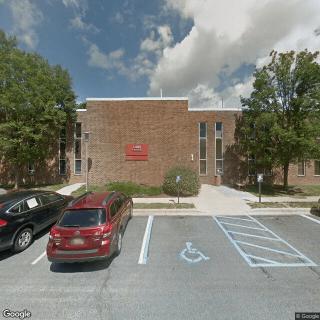
 Pet-friendly with convenient access to healthcare and nearby amenities.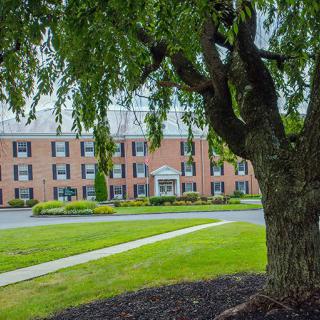
 5 Early Indicators of Dementia and What You Can Do
 8 Important Indicators That Memory Care May Be Necessary
 Delving into the Inner World of Dementia: Insights into Thoughts and Awareness