

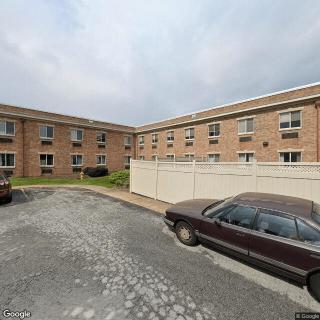
17 Brandywine Blvd, Wilmington, DE 19803
To contact a resident: (302) 478-7081
For more information about senior living options: (866) 208-4318
Overall Review of Your Own Home
Pros
 Ruth is an excellent caregiver who has been with the mother for a month, delivering kind, professional, compassionate, and caring support.
- Ruth provides comprehensive care, including bathing, meals, arm and leg exercises, laundry, shopping, and keeping the mother’s spirits high.
- Gina, the owner, is protective of clients and caregivers, ensuring safety from COVID-19 and other potential problems.
- The company is highly recommended to family and friends for taking excellent care of loved ones.
- Gina does not take advantage of seniors; her charges are fair, and she goes above and beyond to care for families without financial exploitation.
- The owner is described as honorable and truly caring for clients, families, and employees.
Cons
 There were several instances of caregivers being no-call/no-show.
- The first caregiver did not stay for the full allotted time and left early.
- The caregiver was on her phone for about 80% of the time while present.
- The reviewer felt betrayed by the company meant to help the elderly.
- The reviewer would not recommend Your Own Home care services.
- The reviewer had to install a camera at the front door to document caregiver attendance, indicating distrust in the service.
Review
Your Own Home is best suited for families seeking intimate, in-home caregiving with a hands-on approach and a strong personal stake from the owner in doing right by clients. The standout is the potential for exceptionally attentive care when a reliable caregiver is matched, as illustrated by Ruth’s performance in at least one report: meals, bathing, arm and leg exercises, laundry, shopping, and constant motivation. The owner, Gina, is described as protective and fair, prioritizing safety and reasonable pricing. This combination creates a trustworthy core where a loved one can receive one-to-one attention in a familiar home setting. It is not ideal for those who require flawless punctuality and zero billing disputes; when scheduling frays or caregiver gaps occur, the positives can quickly fade.
However, the reviews also flag a pattern of inconsistency that demands attention before committing. Some caregivers have been late or absent, and billed time the family did not receive. The best-case scenarios depend on the same caregiver staying for the full allotted hours; the worst-case scenarios involve a caregiver who is distracted by phones or who does not stay the full shift. Families considering this agency should be prepared for the possibility of turnover and to implement oversight measures. Alternatives that emphasize staffing reliability, robust scheduling, and clearer accountability may be preferable for families with high care needs or tight schedules.
On the upside, Ruth’s care shows what one highly capable caregiver can deliver: comprehensive daily living support, activity encouragement, and a compassionate presence that can significantly reduce stress for families. The owner’s protection of clients and caregivers, along with clear emphasis on fair charges, adds a layer of trust that is rare in this segment. When the care team is stable, these strengths translate into meaningful daily improvements for a loved one. The problem is that such stability does not appear automatically; it hinges on consistent staffing and strict adherence to time commitments, which has not been consistently demonstrated across all reviews.
Care coverage and communication are central tensions. The same family who praised Ruth notes a hospital-related outreach that exceeded expectations, illustrating what coordinated, personalized support looks like. In less favorable accounts, caregivers were seen on their phones and left early, undermining the value proposition. Billing practices tied to time could become costly without transparent documentation. Families should expect to negotiate a clear schedule, concrete minimum hours, and a plan for surges or back-ups. Insist on written policies, confirmation of caregiver identity, and a routine for sharing visit notes and progress to avoid surprises.
Practical steps help tilt the balance toward positive outcomes. Demand a formal care plan with explicit tasks, frequency, and minimum hours per visit; request a predictable, unified schedule, and a trusted backup roster for vacations or illness. Seek references from multiple families, and verify prior outcomes with similar needs. Establish a simple, verifiable time-tracking method, such as a shared care log or external checks, so billing aligns with actual visits. Prepare for a trial period to test compatibility, and set a clear escalation path if punctuality or quality begins to slip. This approach maximizes the likelihood that Ruth-like reliability translates into steady, high-quality at-home care.
Bottom line: Your Own Home can deliver outstanding, personalized care when the stars align, one strong caregiver, a principled owner, and a home setting that fosters comfort and dignity. Yet the weight of inconsistent scheduling and billing ambiguities cannot be ignored. For families who can actively supervise, insist on clear expectations, and implement safeguards, this agency represents a viable option with fair pricing and real warmth. For others with critical care demands or inflexible timetables, exploring alternatives with more consistent staffing or broader support networks may reduce risk and frustration. The decision hinges on balancing the value of a Ruth-level caregiver and a Gina-driven safety net against the recurring liability of no-shows and ambiguous hours.
 New Castle County (9 miles away)







 Managing Nursing Home Expenses After Medicare Coverage Ends
 Is a Geriatric Care Manager the Right Choice for Your Family?
 Compassionate Conversations: How to Comfort Someone Who Is Grieving