For more information about senior living options: (866) 208-4318
4.5 from 51 reviews
5 stars
39
4 stars
6
3 stars
1
2 stars
1
1 stars
4
Overall Review of Arden Courts Of Wilmington
differentiator14 reviews mention this
Memory care support stands out
Residents and families describe care teams who focus on dementia-specific needs.
Many reviewers describe placing a loved one with Alzheimer’s or dementia and feeling supported through behaviors that were difficult elsewhere. Several mention medication and day-to-day management with staff who communicate closely with families and keep care plans on track. Reviews also call out dementia-focused engagement, including stimulation-style approaches described as part of how staff work with different stages. Even in negative reviews, the core complaints still center on dementia care and safety outcomes.
common9 reviews mention this
Staff communication feels responsive
Families frequently say staff communicate well and address concerns quickly.
A recurring theme is how approachable the team feels, including the front office making communication easy and caregivers being visible when help is needed. Multiple reviewers specifically mention responsiveness to questions and issues, with families feeling kept in the loop about care changes. Several tours and move-in experiences are described as organized and supportive, which reviewers tie to peace of mind. A smaller number of comments critique communication and follow-through during periods of concern, but the overall pattern in reviews is that the team stays engaged with residents and families.
common8 reviews mention this
Activities keep residents engaged
Residents are described as staying engaged through frequent activities.
Reviewers commonly mention on-site activities that help residents feel included, including structured daily programming and opportunities for social time. Some describe residents participating in groups and outings, while others mention personalized engagement that matches individual needs. A few reviews also highlight fewer activity moments during a visit, but most portray a busy schedule that keeps people involved. Overall, the activities show up as a day-to-day strength for families.
common5 reviews mention this
Secure outdoor spaces offer peace of mind
Families value the secure outdoor areas and walking paths.
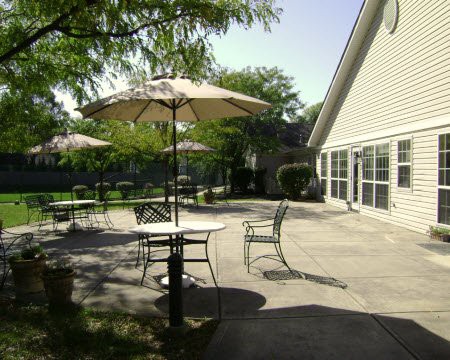
Several reviewers point to secured outdoor space as a reason they felt comfortable, especially for residents at risk of wandering. Reviews describe outdoor walking areas and gardens that fit into daily life, along with the sense of safety that comes from controlled access. Some also connect the outdoor space with residents’ routines, like enjoying time outside and building a sense of community at mealtimes. Even when rooms or decor receive criticism, the outdoor security is repeatedly mentioned as a strength.
caveat4 reviews mention this
Dining quality is mixed
Dining gets praise for balance, but at least one family wanted more.
Some reviews describe meals as nutritious and well-balanced, with variety and support for special diets. Others mention food complaints, including concerns about portions or that the food wasn’t to a resident’s liking. Taken together, dining appears capable of meeting many needs, but it’s not universally satisfying for every diner. If food is a top factor for your household, reviewers suggest paying close attention to portion and preference fit.
caveat3 reviews mention this
Pricing feels fair, but can be high
Reviews suggest costs can feel high, even when value is described positively.
A couple of reviewers frame pricing as fair or good value, including mentions of everything included and not having unexpected charges. At least one reviewer calls the community expensive and highlights that it is private pay, not something supplemented by Medicaid or insurance. This creates a mixed takeaway: families who felt the pricing matched what they received reported satisfaction, while others focused on cost as the main drawback. Overall, cost comes up as an important consideration in reviews.
How we summarize
Counts show how many written reviews mention each theme; a review can touch several themes, and only frequently mentioned themes are displayed.
Features
Housing
56 resident community capacity
Types of Care
Assisted Living
Amenities
Air-conditioning
Beauty salon
Cable or satellite TV
Computer center
Dining room
Fitness room
Fully furnished
Gaming room
Garden
Housekeeping services
Kitchenette
Move-in coordination
Outdoor space
Private bathrooms
Restaurant-style dining
Small library
Telephone
Wellness center
Wi-Fi/high-speed internet available
Transportation
New Castle County (8 miles away)
Philadelphia International (17 miles away)
Community operated transportation
Transportation arrangement
Transportation arrangement (non-medical)
Transportation to doctors appointments
Care Services
12-16 hour nursing
24-hour call system
24-hour supervision
Activities of daily living assistance
Assistance with bathing
Assistance with dressing
Assistance with transfers
Diabetes diet
Meal preparation and service
Medication management
Mental wellness program
Special dietary restrictions
Dining
Diabetes diet
Special dietary restrictions
Activities
Community-sponsored activities
Concierge services
Fitness programs
Planned day trips
Resident-run activities
Scheduled daily activities
Nearby Places of Interest
Parks
Talley Day Park (0.5 miles)
Shipley Heights Park (0.6 miles)
Alapocas Woods Park (2 miles)
Brandywine Park (2.4 miles)
Brandywine Creek State Park (3.9 miles)
Market Square Memorial Park (6.7 miles)
Wilmington Manor Gardens Park (8.3 miles)
Pharmacies
Walgreens (0.7 miles)
Rite Aid (1.7 miles)
CVS Pharmacy (1.8 miles)
Walgreens (1.8 miles)
Walgreens (2.2 miles)
CVS Pharmacy (2.7 miles)
Walgreens (2.8 miles)
Cafes
Panera Bread (0.8 miles)
Starbucks (1.8 miles)
Starbucks (6.5 miles)
Styer's Garden Cafe (6.7 miles)
Border Cafe (9 miles)
Starbucks (9.3 miles)
Restaurants
McDonald's (0.9 miles)
Taco Bell (1.6 miles)
Burger King (3.7 miles)
Del Pez Mexican Gastropub (3.8 miles)
Iron Hill Brewery & Restaurant (4 miles)
Big Fish Grill (4.1 miles)
KFC (4.5 miles)
Physicians
Foulkstone Christiana Care (1.1 miles)
Richard J. Schmidt, MD (1.3 miles)
AI Dupont Outpatient Cardiac Center (1.3 miles)
Brandywine Hundred Family Medicine (1.8 miles)
Eye Doctors (2.3 miles)
Total Care Physicians (2.6 miles)
Bellevue Heart Group - Hamid Deliri M.D. (2.7 miles)
Hospitals
St Francis Hospital (3.1 miles)
Wilmington VA Medical Center (5.1 miles)
Delaware Psychiatric Center (6.4 miles)
Limestone Medical Center (7.9 miles)
Theaters
Regal Brandywine Town Center (3.2 miles)
AMC DINE-IN Painters Crossing 9 (6.7 miles)
Transportation
Joseph R. Biden Jr. Railroad Station (WIL) (3.6 miles)
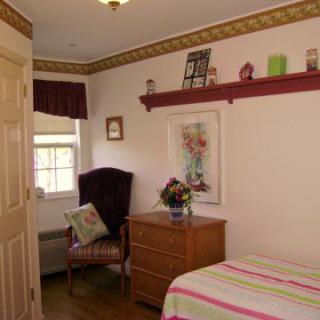
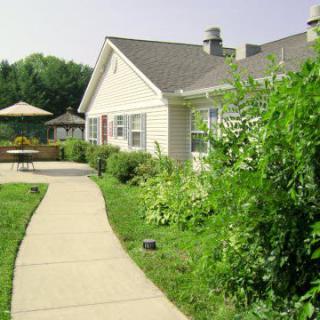
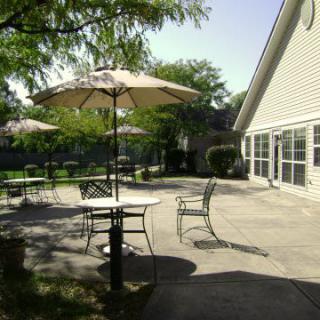
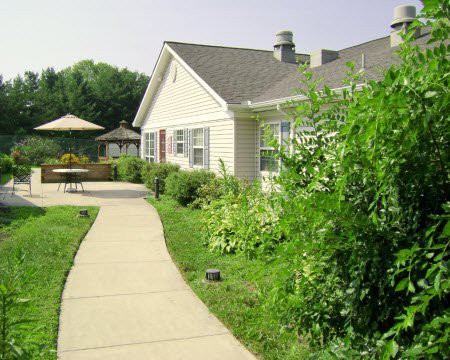
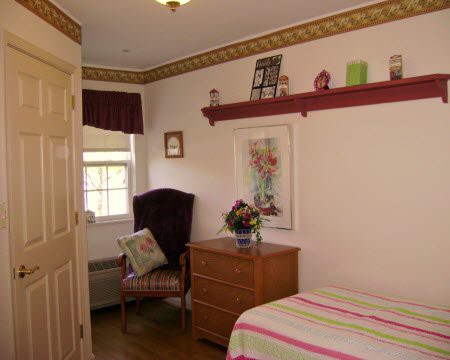
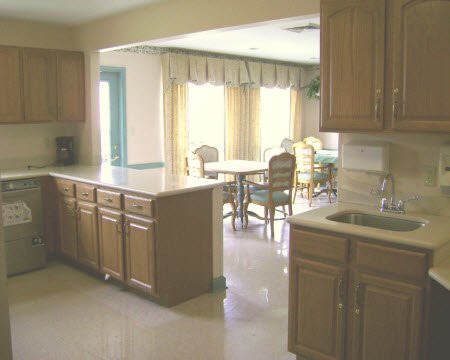
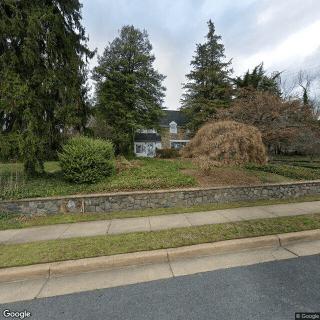
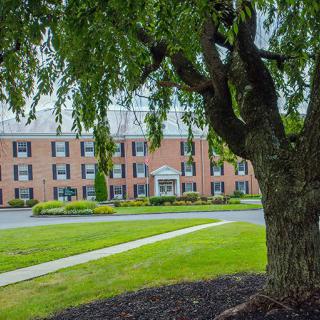
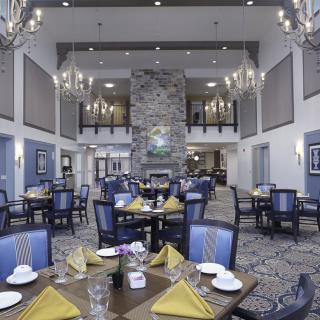
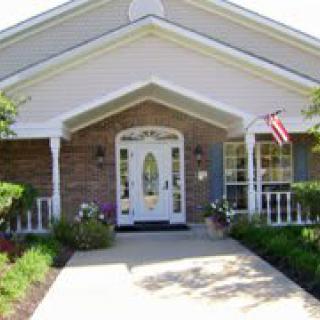
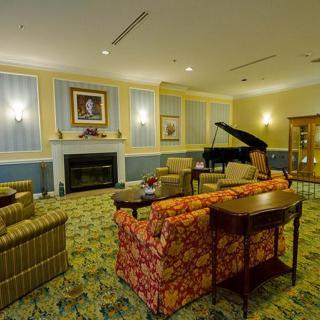
Arden Courts Of Wilmington on seniors.fyi includes 4 photos including images showing bedroom, garden, outdoor seating, windows, decor, kitchen, interior, cabinets, and more.
Nearby Communities
Manorcare Health Services - Wilmington
Wilmington, DE
3 from 3 reviews
Hardworking staff with a pleasant, recovery-focused atmosphere and engaging activities.
ProMedica Wilmington
Wilmington, DE
Active on-site programs and high-acuity care options with convenient access to nearby healthcare, dining, parks, and pharmacies.
Foulk Manor South
Wilmington, DE
4.3 from 72 reviews
$2,600 to $3,100 / month
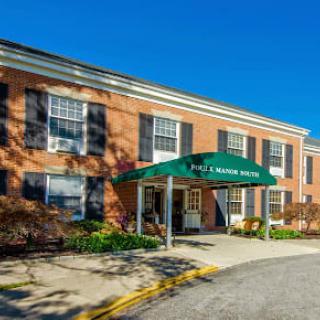
Caring staff and engaging activities.
Forwood Manor
Wilmington, DE
4.7 from 46 reviews
Comprehensive memory care and assisted living with 24/7 supervision, personalized programs, meals, and furnished apartments.
Your Own Home
Wilmington, DE
3.7 from 15 reviews
Compassionate, reliable, personalized home care.
Foulk Living
Wilmington, DE
4.5 from 186 reviews
$2,740 to $3,560 / month
Caring, friendly staff in a welcoming, home-like environment with good meals.
HarborChase of Wilmington
Wilmington, DE
4.3 from 62 reviews
$3,100 to $6,544 / month
Attentive staff with engaging activities and quality dining.
Arden Courts of Wilmington
Wilmington, DE
4.2 from 54 reviews
$8,025 to $8,855 / month
Dedicated memory-care with attentive staff, strong safety measures, and engaging activity programs.
Shipley Living
Wilmington, DE
4.6 from 121 reviews
$3,050 to $3,150 / month
Warm, attentive staff creating a welcoming, family-like atmosphere.
Activities of Daily Living (ADLs) are fundamental tasks vital for an individual's independence, particularly in older adults over 85, and include functions like bathing and dressing; assessing ADLs alongside Instrumental Activities of Daily Living (IADLs) helps determine the level of required assistance due to age-related health challenges. Tailored support plans, involving family and community resources, are essential for maintaining dignity and autonomy in assisted living environments.
Medicare does not cover assisted living costs, as it focuses on acute medical needs and short-term care, with exceptions for certain medically necessary services like physical therapy. Individuals must explore other options such as Medicaid, veterans' benefits, or long-term care insurance to manage these expenses effectively.
Luxury assisted living offers high-quality senior care in a resort-like environment that combines essential medical support, gourmet dining, and personalized services to enhance residents' independence and well-being. These upscale facilities emphasize holistic health and community-building through customized care plans and social activities, catering to the growing demand for enriched senior living experiences despite higher costs.
Interior, Dining, Kitchen, Natural Light, and Cabinets
Decor, Bedroom, and Windows
Landscaping and Pathway
Garden
Patio and Outdoor Seating
Get PricingAsk A QuestionSchedule A TourContact Senior Advisor
By clicking submit, you agree to our Partner's Terms of Use. You
also consent to receive calls and texts, which may be autodialed, from our Partner. Your consent is not a condition to
using our Partner's service. Please visit our Partner's Privacy Policy for information about their privacy practices.

 56 resident community capacity
 Assisted Living
 Air-conditioning
 Beauty salon
 Cable or satellite TV
 Computer center
 Dining room
 Fitness room
 Fully furnished
 Gaming room
 Garden
 Housekeeping services
 Kitchenette
 Move-in coordination
 Outdoor space
 Private bathrooms
 Restaurant-style dining
 Small library
 Telephone
 Wellness center
 Wi-Fi/high-speed internet available
 New Castle County (8 miles away)
 Community operated transportation
 12-16 hour nursing
 24-hour call system
 Activities of daily living assistance
 Assistance with bathing
 Assistance with dressing
 Assistance with transfers
 Diabetes diet
 Medication management
 Mental wellness program
 Special dietary restrictions
 Concierge services
 Planned day trips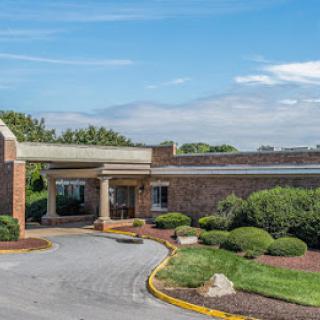
 Hardworking staff with a pleasant, recovery-focused atmosphere and engaging activities.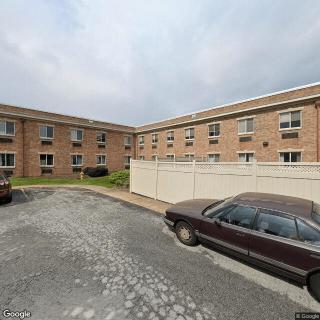
 Comprehensive Insights into Activities of Daily Living (ADLs) and Their Assessment
 Medicare Coverage for Assisted Living: An In-Depth Exploration
 Your Comprehensive Guide to Luxury Assisted Living: Elevated Facilities, Amenities, and Costs