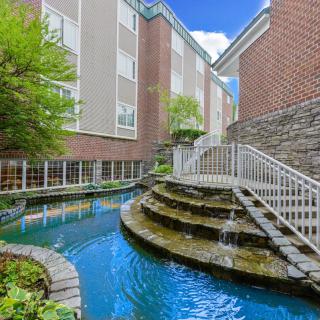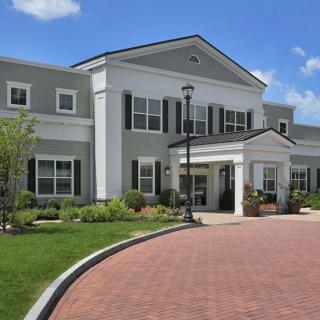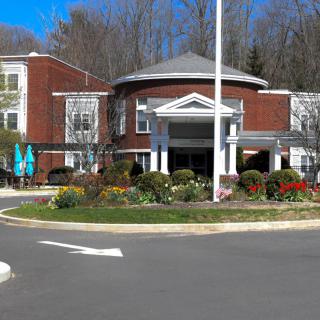
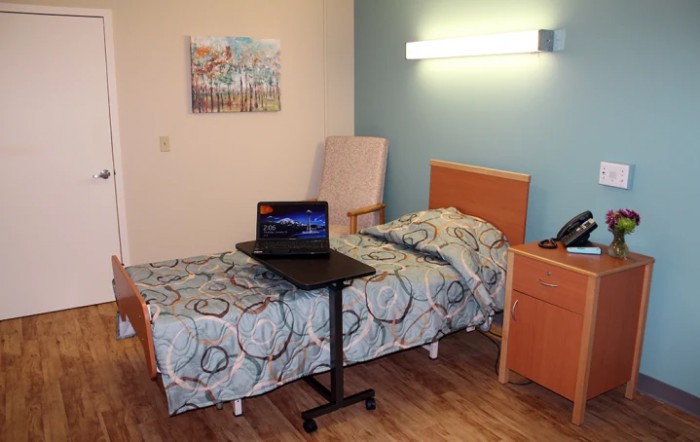
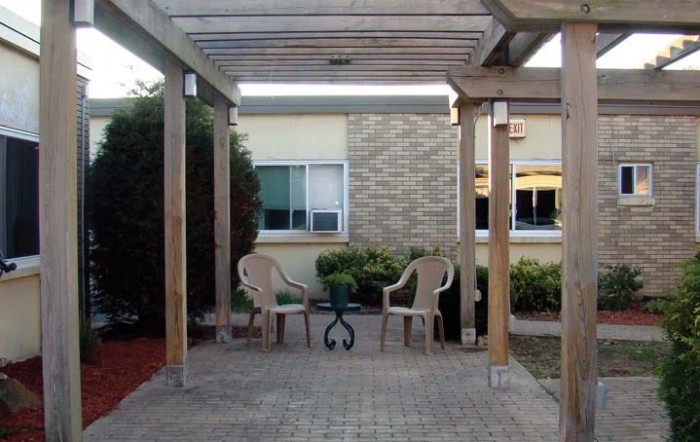
Gardner Heights Health Care Center in Shelton, CT

Save

Gardner Heights Health Care Center in Shelton, CT

Information last verified:

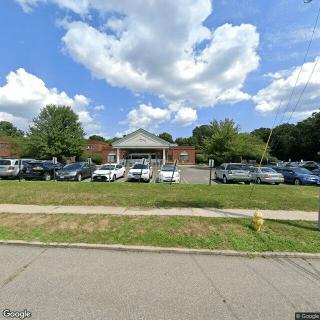
172 Rocky Rest Road, Shelton, CT 06484

For more information about senior living options: (844) 490-3973

4.1 from 22 reviews
5 stars
16
4 stars
0
3 stars
1
2 stars
3
1 stars
2

Seniors.FYI Elite Community Awards

Top 5% Senior Living Community in 2019

Add this award to your website

Gardner Heights Health Care Center Costs & Pricing

Gardner Heights Health Care Center offers competitive pricing for its private rooms at $4,217 per month, which is notably lower than the average costs in both Fairfield County and the broader state of Connecticut. In Fairfield County, private room rates reach approximately $5,675, while the statewide average stands at around $5,479. This substantial difference suggests that Gardner Heights provides a more affordable option for those seeking quality care without compromising on essential services. This cost-effectiveness can be particularly appealing to families navigating the complexities of healthcare expenses.

Floor plansGardner Heights Health Care CenterFairfield CountyConnecticut
Private$4,217$5,675$5,479

Overall Review of Gardner Heights Health Care Center

Pros

  • pro Families describe Gardner Heights as providing compassionate, attentive care for their loved ones.
  • pro Staff members like Michelle and Whitney are praised for consistently going above and beyond.
  • pro Nurses and aides are described as caring, respectful, and capable in their caregiving.
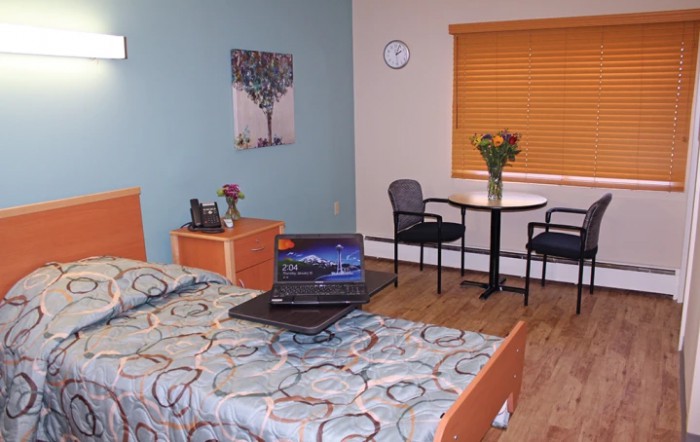
  • pro The facility is noted for being clean, well maintained, and offering a home-like atmosphere.
  • pro The therapy teams (physical and occupational) are regarded as amazing and effective.
  • pro Residents benefit from engaging recreation and activities that keep them engaged.
  • pro The center is recognized for good customer service, clear communication, and a peaceful environment.

Cons

  • pro The facility allegedly lied about a resident’s participation in therapy and claimed he needed a family member to help, which the reviewer viewed as deception.
  • pro A therapy appointment was canceled when the therapist suddenly had a family emergency.
  • pro The facility allegedly sent paperwork to the resident’s insurance saying he wasn’t participating.
  • pro Items were stolen from the resident’s room, and he was left there for hours without anyone checking on him.
  • pro Billing continued after the resident’s death for a “resident amount” even though he wasn’t a resident.
  • pro The reviewer would never have sent their father there, expressing strong regret.
  • pro Some staff were rude and careless about residents, indicating inconsistent care.
  • pro The bathrooms were poorly arranged with privacy issues, including a man in a female bathroom and overall disrespect.
  • pro The building was locked 24/7, and basic needs like ice packs were taken by another patient, causing pain.

Review

Gardner Heights Health Care Center in Shelton is best suited for families seeking a warm, home-like environment with reliable long-term care and a solid rehabilitation touch. The center operates on three distinct units, long-term, short-term, and a dedicated dementia/durable Alzheimer’s unit, within a one-story, easy-to-navigate building. Residents typically benefit from consistent nursing and therapy support, meaningful daily activities, and a sense of community that many families describe as genuinely caring. The facility publishes clear strengths in its therapy teams, staff accessibility, and a culture of treating residents with dignity, which makes it a strong choice for those prioritizing ongoing, attentive care over a purely clinical setting.

At the same time, certain realities warrant careful consideration before committing. Alternatives should be explored by families that place a premium on absolute safety guarantees and flawless incident handling, or who require a facility with immutable nighttime oversight. Several reviews raise red flags about oversight, billing integrity, and specific instances of miscommunication or interpersonal friction. The building itself is described as older and in need of renovation, with logistical quirks such as a tight parking area and shared bathrooms that may not meet everyone’s preferences. These factors suggest that Gardner Heights is not the universal answer for every family, especially when a newer, more modern environment or more stringent day-to-day operational polish is a priority.

The strongest, more durable pros consistently highlighted in reviews center on people and programming. Numerous families praise the nurses and aides for patience, respect, and hands-on care, with some staff members shown to stay long term and become trusted fixtures. Therapists are frequently described as capable and engaging, delivering meaningful rehab that helps residents regain or maintain function. Residents often socialize, participate in a broad array of activities, from manicures and arts to movies and music programs, and feel connected to a larger community. The atmosphere is repeatedly described as quiet, clean, and hospitable, with administrators and front-line staff working to create a supportive, almost familial environment. For families seeking ongoing, person-centered attention and a therapeutic focus within a caring setting, Gardner Heights delivers.

Where the reviews diverge, the main cons tend to circle around consistency and logistics rather than the essential quality of care. Some reviewers allege neglectful moments, occasional disrespect, or situations where a family member felt unseen, and a few describe difficulties in obtaining timely information or responses, particularly during nights and weekends. There are also fractures in the narrative around administration and financial handling, one reviewer reported billing problems tied to a resident who had already passed away, and a few incidents involving privacy boundaries or staff demeanor. The confluence of these notes suggests that while the core care framework can be excellent, the experience may hinge on the particular shift, unit, and individual staff members, rather than a uniform standard across the campus.

This is where the key pros offset the cons most decisively: Gardner Heights often delivers consistently strong clinical care and a genuinely nurturing environment, which mitigates many of the concerns that surface in isolated complaints. For families prioritizing robust therapy, individualized attention, and a community that treats residents like family members, the positives frequently outweigh the negatives. The presence of a dementia-focused unit and the structure of three distinct levels of care provide practical assurance for families planning long-term residency or transitions between short-term rehab and daily living. In practical terms, the facility’s culture, recognizing residents by name, providing steady routines, and offering an array of engaging activities, can significantly ease the stress of care for both residents and families, reducing the likelihood that occasional lapses will derail overall well-being.

Operational realities also matter in the decision matrix. The building’s age and the described parking constraints, along with some shared bathrooms, are not trivial drawbacks, especially for residents who value modern amenities and greater privacy. Yet the same environment that critics call dated is praised by many for its stability and familiarity. Cleanliness and room size are repeatedly noted as credible positives, and the surrounding staff ecosystem, nurses, aides, kitchen, and maintenance, receives frequent commendations for reliability and warmth. For families weighing cost against experience, Gardner Heights often emerges as strong value in a setting that is intensely personal, as opposed to a sterile, hospital-like atmosphere.

For families deciding now, a practical, action-oriented approach is recommended. Begin with an on-site visit focused on the specific unit your loved one would use, and observe night shifts to gauge real-time responsiveness. Request candid conversations with the unit director and a few frontline caregivers, and seek to meet with the therapy team to understand what rehab goals look like for different conditions. Ask about billing, discharge planning, and how incidents are tracked and resolved, using concrete scenarios to gauge transparency. Compare with nearby facilities that offer newer construction or different staffing patterns, especially if night-time coverage or privacy concerns are top of mind. In the end, Gardner Heights stands out as a compelling option for long-term residents and rehab clients who prize consistency of care, a home-like culture, and dedicated therapeutic engagement, while remaining vigilant about the specific day-to-day experiences that can vary from room to room and shift to shift.

Features

Housing

  • 130 resident community capacity 130 resident community capacity

Types of Care

  • Skilled Nursing Facility Skilled Nursing FacilitySkilled Nursing Facilities are crucial for seniors as they provide round-the-clock medical care, rehabilitation services, and assistance with daily activities. These facilities ensure that seniors receive the specialized care they need to maintain their health and well-being as they age.

Amenities

  • Air-conditioning Air-conditioningAir conditioning is important for seniors as they are more vulnerable to heat-related illnesses and may have underlying health conditions that make it difficult for them to regulate their body temperature. It helps to keep them comfortable, safe, and healthy in hot weather.
  • Beauty salon Beauty salonBeauty salons are important for seniors because they provide a space for them to feel pampered, socialize, and maintain their personal grooming and hygiene. Regular visits to a beauty salon can help boost seniors' self-esteem and overall well-being.
  • Cable or satellite TV Cable or satellite TVCable or satellite TV is important for seniors because it provides entertainment, news, and companionship, helping to combat loneliness and boredom. It also offers a wide range of programming options tailored to different interests and preferences.
  • Computer center Computer centerA computer center is essential for seniors as it provides access to technology, communication tools, and resources that can enhance their daily lives. It allows them to stay connected with loved ones, engage in online activities, and learn new skills, ultimately promoting socialization and mental stimulation.
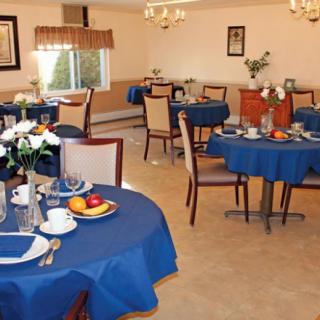
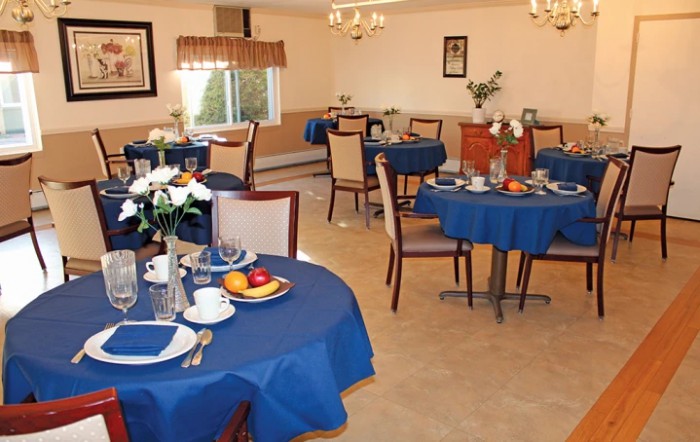
  • Dining room Dining roomDining rooms are important for seniors as they provide a space for socialization, connection, and nutritious meals. They offer opportunities for residents to bond over shared meals, foster a sense of community, and promote healthy eating habits. Dining rooms also ensure that seniors have access to well-balanced meals tailored to their dietary needs and preferences.
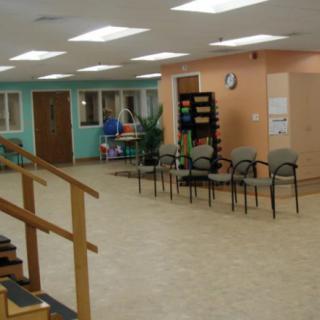
  • Fitness room Fitness roomHaving a fitness room in a senior living community is essential for seniors to stay active, maintain their physical health, and improve their overall well-being. Regular exercise can help prevent falls, reduce the risk of chronic diseases, and promote mental sharpness. It also provides social opportunities for residents to connect with others and enjoy a sense of community.
  • Fully furnished Fully furnishedFully furnished senior living communities are important for seniors because they provide convenience, comfort, and a hassle-free moving experience. Seniors can easily settle into their new living space without the stress of having to buy and move furniture. This allows them to focus on enjoying their new home and community.
  • Gaming room Gaming roomGaming rooms are important for seniors as they provide a fun and engaging environment for socializing, cognitive stimulation, and physical activity. Games can improve memory, problem-solving skills, and overall mental well-being while fostering friendships and reducing feelings of isolation.
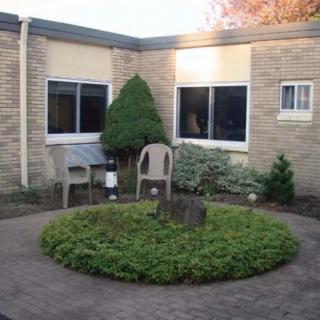
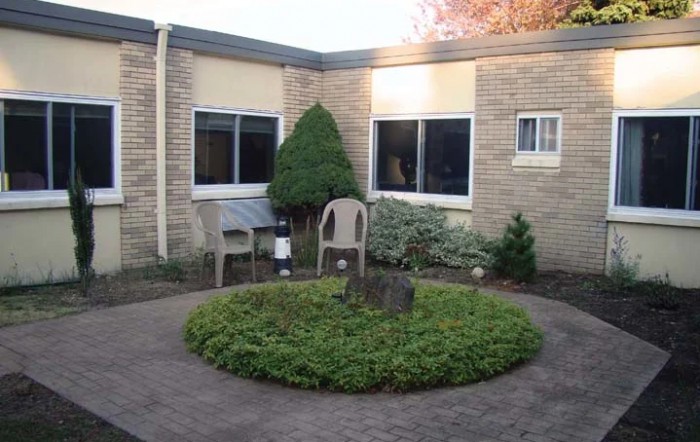
  • Garden GardenGardens are important for seniors as they provide a peaceful and therapeutic environment for relaxation, physical activity, and socialization. Being in nature has been shown to reduce stress, improve mood, and promote overall well-being. Gardens also offer opportunities for seniors to engage in gardening activities, which can improve mobility, flexibility, and cognitive function. Additionally, gardens create a sense of community and connection with others who share a passion for plants and outdoor spaces.
  • Housekeeping services Housekeeping servicesHousekeeping services are important for seniors because they help maintain a clean and safe living environment, promote independence, and reduce the risk of accidents or illnesses. Additionally, having assistance with household chores can alleviate physical strain and allow seniors to focus on other aspects of their well-being.
  • Kitchenette KitchenetteKitchenettes are important for seniors living in senior living communities because they provide the convenience and independence of being able to prepare simple meals and snacks in the comfort of their own living space. This can help promote a sense of autonomy and well-being for seniors, allowing them to maintain some level of control over their dietary choices and daily routines.
  • Move-in coordination Move-in coordinationMove-in coordination is important for seniors because it helps ease the transition into their new living environment. It ensures that all logistics, such as packing, organizing movers, and setting up utilities are taken care of, allowing seniors to focus on settling in and adjusting to their new home. Having a smooth move-in process can alleviate stress and anxiety, making the transition smoother and more enjoyable for seniors.
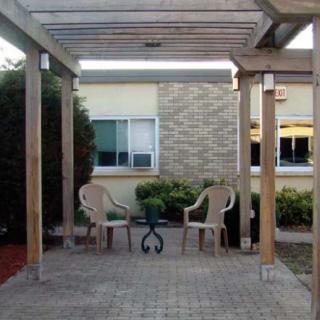
  • Outdoor space Outdoor spaceOutdoor spaces are important for seniors as they provide opportunities for physical activity, social interaction, exposure to natural light and fresh air, and a sense of connection to nature. Having access to outdoor spaces can improve overall well-being and quality of life for older adults living in senior communities.
  • Private bathrooms Private bathroomsPrivate bathrooms are important for seniors in senior living communities because they provide independence, dignity, and comfort. Having a private bathroom allows seniors to maintain their personal hygiene routines without the need for assistance, promoting a sense of autonomy and privacy. Additionally, private bathrooms help prevent the spread of infections and provide a safe and clean environment for seniors to navigate safely.
  • Restaurant-style dining Restaurant-style diningRestaurant-style dining is important for seniors because it allows them to enjoy delicious, nutritious meals in a social and upscale setting. This enhances their dining experience, promotes healthy eating habits, and fosters socialization with fellow residents, ultimately contributing to their overall well-being and quality of life.
  • Small library Small librarySmall libraries are important for seniors as they provide access to a variety of reading materials, including books, newspapers, and magazines. This can help stimulate their minds, keep them engaged, and provide a sense of community through book clubs and other social activities. Additionally, reading has been shown to improve cognitive function and overall mental well-being in older adults.
  • Telephone TelephoneTelephones are important for seniors as they provide a lifeline for communication with loved ones, emergency services, and healthcare providers. They offer a sense of security and independence, enabling seniors to stay connected and access assistance when needed.
  • Wellness center Wellness centerWellness centers are important for seniors because they offer a variety of programs and services that promote physical, mental, and emotional well-being. These centers provide opportunities for exercise, socialization, education, and relaxation, helping seniors maintain their overall health and quality of life.
  • Wi-Fi/high-speed internet available Wi-Fi/high-speed internet availableWi-Fi/high-speed internet is important for seniors to stay connected with loved ones, access online resources, and participate in virtual activities to combat feelings of loneliness and isolation. It also allows them to easily manage healthcare needs, access entertainment, and engage in lifelong learning opportunities.

Transportation

  • Community operated transportation Community operated transportationCommunity operated transportation is crucial for seniors as it provides them with the means to access essential services, social activities, and medical appointments. It allows seniors to maintain their independence and quality of life by ensuring they can participate in activities outside of their homes. Additionally, community-operated transportation services offer a safe and reliable way for seniors to travel without having to rely on family or friends for assistance.
  • Transportation arrangement Transportation arrangementTransportation arrangements are crucial for seniors as they may face challenges with driving, mobility, or access to public transportation. Having reliable transportation services ensures that seniors can easily attend appointments, social activities, and maintain their independence and quality of life.
  • Transportation arrangement (non-medical) Transportation arrangement (non-medical)Transportation arrangements are essential for seniors as they provide access to essential services, activities, and social interactions outside the home. This service helps maintain independence, mobility, and overall well-being for seniors who may have limited transportation options.
  • Transportation to doctors appointments Transportation to doctors appointmentsTransportation to doctors appointments is crucial for seniors as it ensures they have access to necessary medical care and support, promoting their health and well-being. It allows them to receive timely treatment, monitor existing conditions, and address any new health concerns efficiently. Additionally, transportation services can help seniors maintain their independence and quality of life by enabling them to stay connected with their healthcare providers.

Care Services

  • 12-16 hour nursing 12-16 hour nursing12-16 hour nursing care is crucial for seniors in order to ensure around-the-clock monitoring, timely medication administration, and prompt response to any health concerns or emergencies. This level of care helps to promote the overall well-being and safety of seniors living in senior living communities.
  • 24-hour call system 24-hour call system24-hour call systems are important for seniors because they provide peace of mind and immediate assistance in case of emergencies. This technology ensures that help is always available, promoting safety and security for elderly individuals living alone or in assisted living facilities.
  • 24-hour supervision 24-hour supervision24-hour supervision is important for seniors to ensure their safety, well-being, and access to immediate assistance in case of emergencies or health issues. This constant support provides peace of mind for both seniors and their loved ones, allowing them to age in place with dignity and security.
  • Activities of daily living assistance Activities of daily living assistanceActivities of daily living assistance are important for seniors because they provide essential support with tasks such as eating, bathing, dressing, and mobility. This assistance helps seniors maintain their independence, dignity, and overall quality of life as they age.
  • Assistance with bathing Assistance with bathingAssistance with bathing is crucial for seniors as it helps maintain personal hygiene, prevents infections, and ensures their overall well-being and comfort. It also provides a sense of dignity and independence for seniors who may struggle with this task on their own.
  • Assistance with dressing Assistance with dressingAssistance with dressing is important for seniors because it helps maintain their independence, promotes personal hygiene, prevents accidents and injuries, and improves overall quality of life. This service ensures that seniors can continue to dress comfortably and confidently, despite any physical limitations they may have.
  • Assistance with transfers Assistance with transfersAssistance with transfers is crucial for seniors as it helps prevent falls and injuries, maintains their independence, and ensures they can safely navigate their living environment. It also provides peace of mind for both seniors and their loved ones.
  • Diabetes diet Diabetes dietA diabetes diet is crucial for seniors as it helps manage blood sugar levels, reduce risks of complications, and improve overall health and well-being. By following a balanced and nutritious diet tailored to their specific needs, seniors can better control their diabetes and enhance their quality of life.
  • Meal preparation and service Meal preparation and serviceMeal preparation and service are crucial for seniors as they may have limited mobility or energy to cook nutritious meals. Having access to healthy and convenient food options can ensure they are getting the proper nutrition needed to maintain their overall health and well-being.
  • Medication management Medication managementMedication management is crucial for seniors to ensure they are taking the right medications at the correct dosages and times. This helps prevent adverse drug interactions, reduces the risk of medication errors, and promotes overall health and well-being. Proactive management also allows for adjustments as needed based on changing health conditions or new prescriptions.
  • Mental wellness program Mental wellness programMental wellness programs are essential for seniors as they promote cognitive stimulation, emotional support, and social engagement. These programs help prevent isolation, depression, and cognitive decline, ultimately enhancing the overall quality of life for older adults.
  • Special dietary restrictions Special dietary restrictionsSpecial dietary restrictions are important for seniors because age-related changes in metabolism and health conditions can make it difficult for their bodies to process certain foods. By following a diet tailored to their specific needs, seniors can maintain their overall health and well-being, manage chronic conditions, and reduce the risk of complications such as malnutrition or food interactions with medications.

Dining

  • Diabetes diet Diabetes dietA diabetes diet is crucial for seniors as it helps manage blood sugar levels, reduce risks of complications, and improve overall health and well-being. By following a balanced and nutritious diet tailored to their specific needs, seniors can better control their diabetes and enhance their quality of life.
  • Special dietary restrictions Special dietary restrictionsSpecial dietary restrictions are important for seniors because age-related changes in metabolism and health conditions can make it difficult for their bodies to process certain foods. By following a diet tailored to their specific needs, seniors can maintain their overall health and well-being, manage chronic conditions, and reduce the risk of complications such as malnutrition or food interactions with medications.

Activities

  • Community-sponsored activities Community-sponsored activitiesCommunity-sponsored activities are important for seniors as they provide opportunities for social interaction, mental stimulation, and physical activity. These activities can help improve overall well-being, combat loneliness and isolation, and promote a sense of belonging and purpose among older adults.
  • Concierge services Concierge servicesConcierge services are essential for seniors as they provide assistance with daily tasks and errands, enhance their quality of life by offering convenience and personalized care, and promote a sense of safety and security.
  • Fitness programs Fitness programsFitness programs are crucial for seniors as they help improve strength, flexibility, balance, and overall well-being. Staying active can reduce the risk of chronic diseases, improve mental health, and enhance quality of life in older adults.
  • Planned day trips Planned day tripsPlanned day trips are important for seniors because they offer opportunities for socialization, mental stimulation, and physical activity. They provide a change of scenery and help seniors stay engaged and connected to their community, promoting overall well-being and quality of life.
  • Resident-run activities Resident-run activitiesResident-run activities are important for seniors as they encourage social interaction, creativity, and a sense of autonomy. These activities empower seniors to stay engaged and active in their community while fostering meaningful connections with their peers.
  • Scheduled daily activities Scheduled daily activitiesScheduled daily activities are important for seniors because they provide structure, socialization, mental stimulation, and physical activity. Engaging in regular activities can improve overall well-being and quality of life for seniors living in a community setting.

Description

Gardner Heights Health Care Center in Shelton, CT is an assisted living community that offers a wide range of amenities and care services to enhance the lives of its residents. The community features a beauty salon where residents can pamper themselves, as well as cable or satellite TV in each room for entertainment. Community operated transportation is available for outings and errands, and there is also a computer center for residents to stay connected.

The dining room at Gardner Heights Health Care Center offers restaurant-style dining, where residents can enjoy delicious meals prepared by the staff. For those who prefer to cook their own meals, there is a kitchenette available in each unit. Housekeeping services are provided to ensure that the community remains clean and comfortable.

Residents have access to various recreational facilities such as a fitness room, gaming room, and a small library. There is also outdoor space where residents can relax and enjoy the fresh air. A wellness center is available onsite to support the physical and mental well-being of residents.

The community offers move-in coordination services to help ease the transition for new residents. Private bathrooms are provided for added convenience and privacy. Telephone service is available, as well as Wi-Fi/high-speed internet access for staying connected with loved ones.

In terms of care services, Gardner Heights Health Care Center provides 24-hour call system and supervision for round-the-clock support and peace of mind. Trained staff members are available to assist with activities of daily living such as bathing, dressing, and transfers. The staff also helps manage medications and follows special dietary restrictions including diabetes diets.

A variety of activities are offered at the community including fitness programs, planned day trips, resident-run activities, and scheduled daily activities. Concierge services are available to cater to individual needs and preferences.

The location of Gardner Heights Health Care Center offers convenience with several cafes, parks, pharmacies, physicians' offices, restaurants, transportation options, places of worship within close proximity. Additionally, there is a hospital nearby ensuring easy access to medical care when needed.

Overall, Gardner Heights Health Care Center provides a comfortable and supportive environment for seniors who require assisted living services. With its range of amenities and care services, residents can enjoy a vibrant lifestyle while receiving the assistance they need.

Nearby Places of Interest

This part of Shelton, Connecticut offers a convenient and vibrant community for seniors looking to settle down. With a variety of dining options such as Wendy's, Planet Pizza, and Matto nearby, residents can enjoy delicious meals without having to travel far. Additionally, there are several pharmacies in the area including Walgreens and CVS Pharmacy for easy access to medications and healthcare needs. For recreation, there are parks like Boothe Memorial Park Hawkwatch and Silver Sands State Park for leisurely strolls and outdoor activities. Medical services are also readily available with physicians like Neurological Specialists PC and Primary Care Associates PC close by. Public transportation options like the Metro North Train Stations make it easy for seniors to travel around the area. Overall, this neighborhood provides a mix of amenities that cater well to the needs of senior residents.

Restaurants

  • Wendy's (0.9 miles)
  • Planet Pizza (0.9 miles)
  • Matto (1 miles)
  • Spotted Horse Tavern Shelton (1.5 miles)
  • Panchero's Mexican Grill (1.6 miles)
  • Bad Sons Beer Company (2.8 miles)
  • McDonald's (3.2 miles)

Pharmacies

  • Walgreens (1.5 miles)
  • CVS Pharmacy (1.6 miles)
  • CVS Pharmacy (2.9 miles)
  • Rite Aid (3.7 miles)
  • Costco Bakery (4.4 miles)
  • Rite Aid (4.5 miles)
  • CVS Pharmacy (4.6 miles)

Cafes

  • Starbucks (1.5 miles)
  • Aunties Cafe (2.7 miles)
  • Panera Bread (4.6 miles)
  • Starbucks (4.6 miles)
  • Starbucks (4.7 miles)
  • Starbucks (6 miles)
  • Starbucks (6.5 miles)

Physicians

  • Medical Imaging Systems (1.9 miles)
  • Neurological Specialists PC (1.9 miles)
  • Steeves Corrie MD (1.9 miles)
  • Associated Neurologists of Southern Connecticut PC (4.1 miles)
  • Vicente MD Diaz MBA (4.4 miles)
  • Primary Care Associates PC (6.2 miles)
  • Patrignelli Robert J MD PC (6.7 miles)

Parks

  • Boothe Memorial Park Hawkwatch (3.6 miles)
  • Silver Sands State Park (5.2 miles)
  • Twin Brooks Park (5.7 miles)

Hospitals

  • Milford Hospital Walk In (4.3 miles)
  • Milford Campus Bridgeport Hospital (5.1 miles)
  • Veterans Affairs CT Healthcare System: West Haven Medical Center (7 miles)
  • Bridgeport Hospital (7.6 miles)
  • Bridgeport Hospital (7.6 miles)

Places of Worship

  • St Barbara Greek Orthodox Church (4.5 miles)
  • Trinity Episcopal Church (7.6 miles)
  • Church Of The Holy Spirit (7.7 miles)

Transportation

  • Metro North - Milford Train Station (4.8 miles)
  • U-Haul Moving & Storage of Orange (5.4 miles)
  • Metro North West Haven Train Station (7 miles)

Frequently Asked Questions

How much does it cost to live at Gardner Heights Health Care Center in Shelton, CT?
Where is Gardner Heights Health Care Center?
What photos are available for Gardner Heights Health Care Center in Shelton, Connecticut?

Nearby Communities

  • Gardner Heights Inc

    Gardner Heights Inc

    Shelton, CT

    4.3 from 21 reviews
     

    pro Excellent access to healthcare, pharmacies, and nearby amenities.

  • Bishop Wicke Health

    Bishop Wicke Health

    Shelton, CT

    3.2 from 39 reviews
     

    pro Friendly staff, engaging activities, and a clean, resident-centered environment with quality meals.

  • Bishop Wicke Health & Rehab Center

    Bishop Wicke Health & Rehab Center

    Shelton, CT

    3.3 from 18 reviews
     

    pro Extensive amenities and 24/7 care options (dining, wellness, activities, private rooms).

  • Crosby Commons

    Crosby Commons

    Shelton, CT

    4.9 from 24 reviews
    $5,200 to $5,880 / month

    pro Bright, clean, home-like environment with caring staff and engaging activities; competitive pricing.

  • Wesley Village

    Wesley Village

    Shelton, CT

    4.3 from 7 reviews
     

    pro Caring staff, excellent dining, and engaging activities.

  • Lifestyle Transitions at Wesley Heights

    Lifestyle Transitions at Wesley Heights

    Shelton, CT

    4.4 from 8 reviews
    $4,500 to $6,000 / month

    pro Attentive staff, seamless transition, and engaging activities.

  • Apple Rehab Shelton Lakes

    Apple Rehab Shelton Lakes

    Shelton, CT

    3.3 from 35 reviews
    $1,770 / month

    pro Caring, respectful staff in a clean, well-run facility with good dining

  • West River Rehab Center

    West River Rehab Center

    Milford, CT

    4.2 from 79 reviews
     

    pro Extensive on-site amenities, 24/7 care, restaurant-style dining, and private furnished apartments with kitchenettes.

  • Silverbrook Estates

    Silverbrook Estates

    Orange, CT


    pro Peaceful setting with convenient access to healthcare and nearby amenities.

Related Resources

  • living will definitionComprehensive Exploration of Living Wills and Other Advance Directives

    Living wills and advance directives are crucial legal documents that outline an individual's healthcare preferences when they cannot make decisions themselves, enhancing patient autonomy and alleviating family stress during medical crises. The article emphasizes the need for these documents to be personalized, legally valid, and regularly updated, while also encouraging communication about end-of-life wishes among family members and healthcare providers.

  • living will definitionA Detailed Exploration of Living Wills and Advance Directives

    The article examines living wills and advance directives, highlighting their significance in expressing healthcare preferences for those unable to communicate due to illness or incapacity. It discusses their historical development, legal components, limitations, practical drafting advice, and the importance of clear communication among families and healthcare professionals regarding end-of-life decisions.

  • does medicare cover hospiceComprehensive Guide to Medicare Coverage for Hospice Care
    Hospice care focuses on providing comfort and support for individuals nearing the end of life, with Medicare Part A covering services like nursing care and counseling for patients with a terminal illness and a life expectancy of six months or less. While most hospice services are low-cost for eligible patients, families should be aware that certain expenses, such as room and board, may not be covered.