
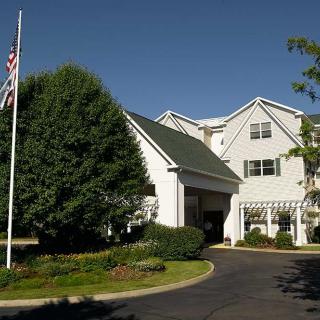
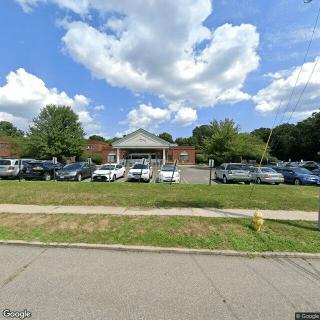
580 Long Hill Ave, Shelton, CT 06484
To contact a resident: (203) 225-5008
For more information about senior living options: (866) 208-4318
Lifestyle Transitions at Wesley Heights Costs & Pricing
At Lifestyle Transitions at Wesley Heights, residents can enjoy a range of living options at competitive costs compared to other facilities in Fairfield County and the broader Connecticut area. For instance, a private room is available for $4,500 per month, significantly lower than the county average of $5,675 and the state average of $5,479. Similarly, our studio apartments are priced at $5,000, also below both regional benchmarks of $6,159 and state figures of $5,919. For those seeking more space, semi-private accommodations cost $5,400 while comparable options in Fairfield County reach as high as $6,677. Our one-bedroom units are offered at $6,000 - still competitive against local averages of $6,418 and statewide rates of $6,383. Overall, Lifestyle Transitions at Wesley Heights provides excellent value without compromising on quality or comfort.
| Floor plans | Lifestyle Transitions at Wesley Heights | Fairfield County | Connecticut |
|---|---|---|---|
| Private | $4,500 | $5,675 | $5,479 |
| Studio | $5,000 | $6,159 | $5,919 |
| Semi-Private | $5,400 | $6,677 | $5,829 |
| 1 Bedroom | $6,000 | $6,418 | $6,383 |
Memory care communities with a similar price nearby
-
from -$467 / mo

Pomperaug Woods a CCRC
$4,033 to $7,500 / month15.4 miles away -
from -$250 / mo

Chatham Place at Mary Wade
$4,250 to $5,250 / month12.6 miles away -
About the same
Spring Village Stratford
$4,500 to $8,000 / month2.4 miles away -
About the same

Sturges Ridge of Fairfield
$4,575 to $10,100 / month12.9 miles away -
from +$400 / mo

The Ivy at Watertown
$4,900 to $7,450 / month20.2 miles away
Overall Review of Lifestyle Transitions at Wesley Heights
Pros
 She loves living there and is doing very well.
- She is very happy at this facility.
- The staff have been very helpful.
- The cleanliness and friendliness are great.
- The staff and activities are also great.
- It is an incredible place.
- The transition for her seemed seamless.
- The staff made it very comfortable and easy.
Cons
 It wasn't the best fit for her loved one.
- The loved one didn't care for it from the start.
- The mother chose the other place, possibly because it was less expensive than Lifestyle Transitions.
Review
Lifestyle Transitions at Wesley Heights is best suited for families seeking an active, people-centric assisted living experience where staff responsiveness, a smooth move-in, and a rich calendar of social and cultural activities are nonnegotiable. The community repeatedly earns praise for easy communication with caregivers, accessible administration, and a welcoming atmosphere that helps residents settle in without disruption. It appeals to families who want clear structure, reliable support, and a dining and entertainment rhythm that keeps daily life engaging. Those who prize reassurance that a loved one will be seen, heard, and included will find this setting compelling.
Nevertheless, potential residents should consider alternatives if budget is a primary concern or if a loved one thrives in a quieter, less social environment or requires highly specialized care. One family toured the property and felt it wasn’t the best fit from the outset, underscoring that fit is not one-size-fits-all. Another family weighed options across several communities and ultimately chose a less expensive option, indicating that cost remains a meaningful factor even when the overall experience is strong. In short, the strongest selling points may not align with every senior’s or family’s priorities.
The core advantages, the staff’s approachability, the cleanliness, and the sense that help is readily available, are not fleeting positives but foundational elements that offset notable costs for many residents. Move-in is described as seamless, with transitions handled in a manner that minimizes stress for families and residents alike. The consistency of care and the transparency of interaction with the team translate into fewer friction points during a period that can already be emotionally charged. When combined with a responsive dining program and a broad slate of activities, these advantages create meaningful quality-of-life gains that counterbalance price considerations for those who can afford them.
Dining and daily life stand out as particularly practical strengths. A resident who loves choosing from a menu rather than sticking to a single daily option is typical of the feedback here, and the ability to customize meals is more than a convenience, it reduces mealtime friction and supports independent preferences. The activity lineup is robust: live entertainment, arts and crafts, Bingo, and regular outings keep residents socially engaged and mentally stimulated. The community also adds experiential touches, outings to lunch and “mystery rides”, that extend life beyond the walls and enrich routines, helping families feel their loved one remains connected to the wider world.
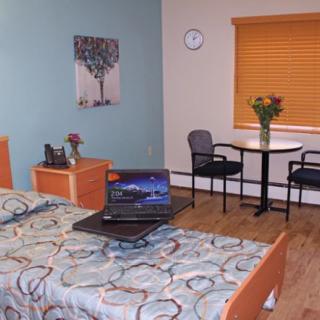
Another significant factor in the decision calculus is the apartment environment and perceived value. Several families noted that the apartments themselves are attractive and that, in terms of value for cost, Lifestyle Transitions compares favorably with competing options. The perception that this community offers a more compelling package than others in the area, especially when paired with a high level of service, helps justify the price for families prioritizing ease of relocation and ongoing engagement. However, the cost-vs-value dynamic remains real for those who weighed the numbers, and for some, the more affordable choice remains appealing.
In the end, Lifestyle Transitions at Wesley Heights earns its keep by delivering a practical, well-supported living experience where staff efficacy, ease of transition, and an energetic activity calendar translate into tangible daily improvements. It is a particularly strong fit for families who want reassurance that a loved one will be well cared for, who value a strong social routine, and who do not view premium pricing as a deterrent. For families requiring a tighter budget or a quieter, more low-key environment, or for those seeking a facility with a different balance of medical oversight and programming, alternatives warrant serious consideration. The right choice will hinge on whether the priority is a seamless, sociable, and chef-driven lifestyle or the pursuit of a lower-cost setting with a different pace and emphasis.
 Assisted Living
 Independent Living
 Memory Care
 Cats allowed
 Dogs allowed
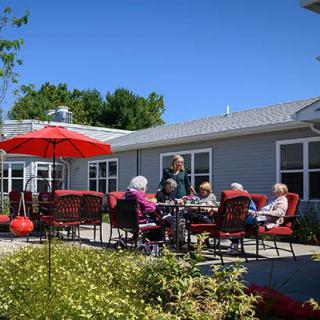
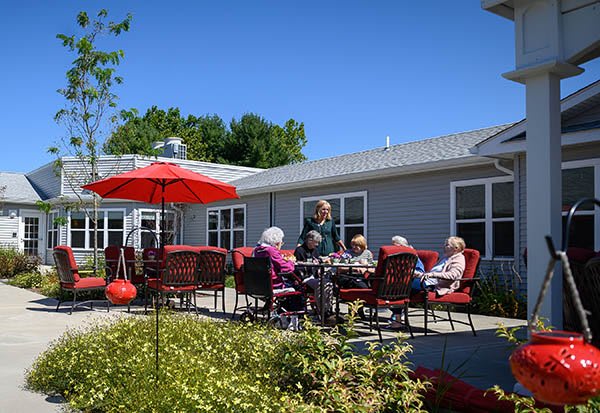
 Activities on-site
 Beautician on-site
 Devotional services off-site
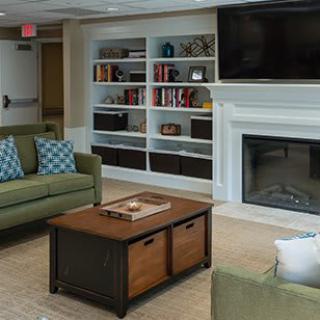
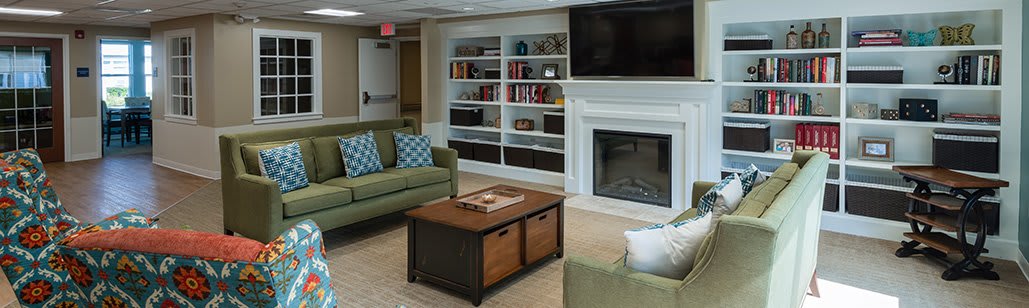
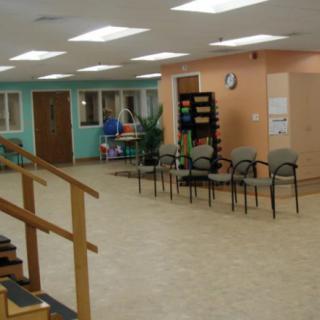
 Indoor common areas
 Respite or short term stays offered
 Ambulatory care
 Incontinence care
 Medication management
 Meals provided




 Why Do Dementia Patients Sleep So Much? Understanding Oversleeping, Stages, and Care Approaches
 8 Key Indicators That Suggest It May Be Time to Transition from Assisted Living to Skilled Nursing Care
 Nourishing the Mind: Essential Dietary Approaches for Dementia