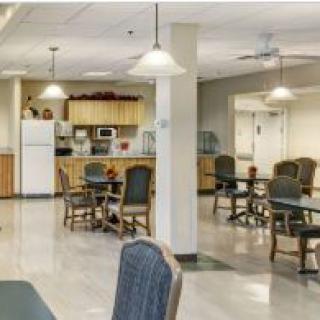

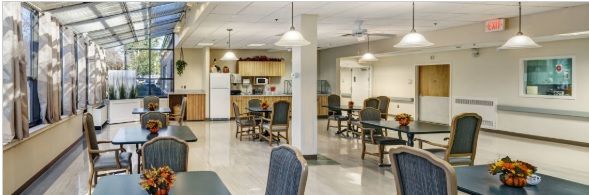
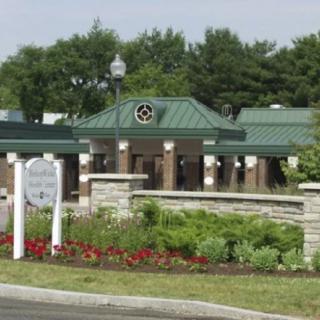
580 Long Hill Avenue, Shelton, CT 06484
For more information about senior living options: (866) 208-4318
Overall Review of Wesley Village
Pros
 The staff at Crosby Commons at Wesley Village is excellent.
- The food is excellent, and the people are very caring.
- The mother-in-law has participated in many activities and has enjoyed most of them.
- The mother-in-law loves living there.
- Crosby Commons and Life Styles Transitions are nice.
Cons
 Crosby Commons and Life Styles Transitions are nice until a resident gets sick.
- Nursing does not provide nursing services.
- They just call an ambulance and send the resident to the ER, which has a significant negative effect on people with cognitive impairment.
- They will find any excuse to prevent the resident from returning.
- Even if the resident is allowed to return, private duty aides will likely be required at the residents' expense.
- They seem more concerned with their liability than the residents' wellbeing.
- They don’t take the resident feedback seriously or return phone calls.
Review
Wesley Village, particularly the Crosby Commons wing, is best suited for seniors who prize a warm, attentive staff, high-quality meals, and an active social calendar, and who can supplement formal care with private-duty support when needed. Long-tenured residents and families that value stability, genuine caregiving warmth, and consistent daily engagement will likely find this community compelling. The strongest advocates note that the staff are caring, the food is excellent, and participation in activities tends to be meaningful, with residents forming lasting connections.
Those considering alternatives should note a clear caveat: for individuals who require consistent on-site nursing, rapid medical escalation, or highly coordinated clinical oversight, Wesley Village may fall short. The absence of formal in-house nursing means medical needs must be managed through external care or quick hospital transfers when health concerns arise. This dynamic can be especially consequential for residents with cognitive impairment or complex medical issues, where the interval between a health event and decisive on-site response matters. Families should also be mindful of maintenance and responsiveness expectations, as these can color day-to-day satisfaction.
On balance, the strengths inside Crosby Commons offset several drawbacks for many residents. The standout care culture and the quality of meals create a welcoming, home-like atmosphere that supports ongoing social participation and emotional well-being. When times are routine, this environment can sustain independence and dignity for meaningful stretches, and the apparent longevity of at least one resident’s experience suggests genuine long-term compatibility for those who thrive in a stable, community-focused setting. The positive sentiment from family members about loved ones’ happiness adds a practical, experiential dimension to the clinical picture, underscoring that the care environment works well for daily living and social integration.
Yet substantial concerns emerge when illness or medical needs arise. The fact that nursing services are not provided in-house means health events can lead to ambulance transport and ER visits, followed by unclear or protracted pathways back to the community. In cognitive impairment scenarios, this can destabilize routines and provoke anxiety for residents and families alike. Additional liability‑driven patterns, where the facility’s posture appears more protective of staff and institutional risk than resident autonomy, can erode trust and impede smooth transitions. Private-duty aides become a practical necessity for many families, increasing monthly costs and complicating care coordination.
Other practical gaps temper the overall impression. Reports of a broken washing machine and limited activity calendars on the Wesley side suggest operational hiccups that affect daily quality of life. A pattern of not returning resident feedback or phone calls further compounds dissatisfaction for families seeking responsive, accountable administration. While Crosby Commons stands out for service quality and engagement, these facility-wide maintenance and communication shortcomings can undermine confidence, particularly for families weighing careful budgeting against caregiving needs.
In deciding, families should weigh the social and relational strengths against the medical and operational gaps. For a senior who is largely independent, enjoys structured activities, and can arrange reliable private support for health needs, Wesley Village offers a solid, person-centered ecosystem with demonstrable fondness from residents and families. For those prioritizing on-site medical redundancy, predictable nursing oversight, or a seamless clinical pathway within the community, exploring alternatives with stronger in-house medical programming is prudent. Clear, candid discussions about private-duty costs, ER return protocols, maintenance responsiveness, and how resident feedback is acted upon will reveal whether this community aligns with care goals and budget constraints.
Practical next steps include arranging comprehensive tours focused on clinical workflows, speaking with current residents and families about their daily routines, and requesting written details on nursing alternatives, private care pricing, and transition policies after hospital visits. In parallel, verify maintenance records, confirm activity staffing levels, and assess whether the breadth and cadence of programming meet individual interests. With these insights, families can determine if Wesley Village delivers the right balance of warmth, social vitality, and logistical feasibility, or if a community with more robust on-site medical infrastructure better matches the care trajectory envisioned.
 22 resident community capacity
 Assisted Living
 Board and Care Home
 Hospice Agency
 Independent Living
 Memory Care
 Respite Care
 Skilled Nursing Facility
 Beauty salon
 Cable or satellite TV
 Dining room
 Fully furnished
 Garden
 Housekeeping services
 Kitchenette
 Move-in coordination
 Outdoor space
 Telephone
 Wi-Fi/high-speed internet available
 24-hour call system
 Activities of daily living assistance
 Assistance with bathing
 Assistance with dressing
 Assistance with transfers
 Diabetes diet
 Meal preparation and service
 Medication management
 Mental wellness program
 Special dietary restrictions
 Transportation arrangement (medical)
 Transportation to doctors appointments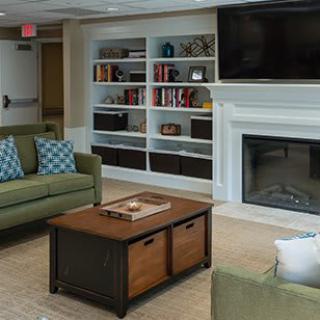



 Five Subtle Dementia Indicators to Observe: An In-Depth Guide to Understanding “Does My Mom Have Dementia?”
 Dementia, Paranoia, and Caregiver Guidance: Understanding the Connection
 Engaging Memory Care Activities That Enhance Quality of Life