

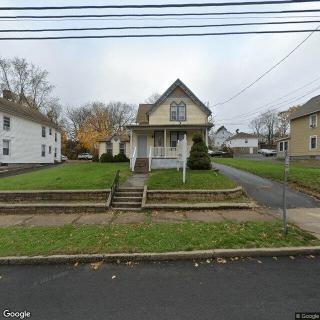
128 Curtis St, Meriden, CT 06450
To contact a resident: (203) 237-1671
For more information about senior living options: (866) 208-4318
Overall Review of Silver Manor Home-The Aged
Pros
 The location is convenient and close to stores and restaurants.
- The staff appear to genuinely care about residents.
Cons
 There is absolutely no respect for the surrounding community; the management is inconsiderate, loud, and horns beep all hours.
- Screaming very loudly outside before 7am almost every day.
- Mental patients entering neighbors' houses while everyone sleeps.
- There is no management; this place should be closed.
- The lady who runs it treats residents like a concentration camp and cares nothing about their health; she only wants the money.
- A staff member steals things from residents under the owner's orders, entering rooms and taking whatever they want.
Review
Silver Manor Home-The Aged in Meriden is best suited for independent seniors who want quick, convenient access to shops and dining and can tolerate limited oversight. It is not appropriate for residents who need daily assistance, strong safety supervision, or a calm, predictable living environment. Families should expect leadership that is inconsistent and a culture where resident safety depends more on personal vigilance than on a formal care plan. For those who can advocate for themselves or rely on occasional family involvement, the location and pace may work in the short term. For anyone seeking reliable care, steady routines, and a truly overseen environment, this community is a mismatch.
Those evaluating options should explicitly consider alternatives if safety, respectful treatment, and steady management are priorities. If a facility must deliver dependable daily support, clear resident protections, and a tranquil atmosphere, the Meriden location warrants a hard look elsewhere. For seniors with cognitive challenges, wandering tendencies, or high needs for supervision, the risk profile here is too elevated to ignore. In short, this is not a one-size-fits-all choice; it requires a precise match of expectations with the realities described by the community’s tested shortcomings.
Pros are limited but present in two concrete threads. First, the area’s practicality matters: the building sits in a location that makes errands and social visits relatively straightforward, an important consideration for residents who value autonomy and easy access. Second, there is a perception in some staff that there are individuals who genuinely care about residents and their day-to-day happiness. Those elements can improve quality of life for a resident who is largely self-sufficient and can navigate occasional lapses in management without needing robust, ongoing intervention from leadership.
The cons, however, are front and center and repeatedly reinforced in direct experience and perception. The most damning is a lack of dependable management, an atmosphere where accountability feels thin and where negative experiences go unaddressed. Noise and disruption are another constant problem: horns, loud beeping, and screaming that begin well before typical morning routines intrude on sleep and quiet times. There are serious safety assertions in the reviews, including claims of unauthorized intrusions and a troubling sense that the environment is not as secure as it should be. Accusations of theft by staff, coupled with a perception that financial motives drive decision-making, further erode trust and safety.
The key positives do not meaningfully offset these fundamental weaknesses. A convenient location and a few caring staff members are meaningful for some residents, but they cannot compensate for inconsistent leadership, ongoing noise disturbances, potential safety breaches, and allegations of misconduct. Families should view the location advantage as a minor relief rather than a decisive benefit when the core needs are reliable care, respect, and predictable oversight. In practical terms, the risk these drawbacks pose to daily living, sleep disruption, compromised safety, and potential loss of personal belongings, outweigh any cursory benefits tied to proximity or sporadic kindness.
Ultimately, this community should be approached as a last-resort option, reserved for cases where independence is absolute and the adult does not require structured care. A rigorous, in-person evaluation is essential: observe noise levels at different times, request a transparent statement of recent incidents and oversight measures, and speak directly with current residents about day-to-day experiences. Compare these findings against other facilities that deliver consistent management, clear care plans, and proven safety protocols. If choosing Silver Manor, insist on concrete expectations, regular oversight, and an actionable plan to address the most concerning issues. For most families prioritizing dependable care, a more stable, well-managed option will deliver far greater peace of mind.
 Skilled Nursing Facility






 A Detailed Exploration of Living Wills and Advance Directives
 Comprehensive Guide to Medicare Coverage for Hospice Care
 Caring for Those Who Care: Recognizing, Understanding, and Overcoming Caregiver Burnout