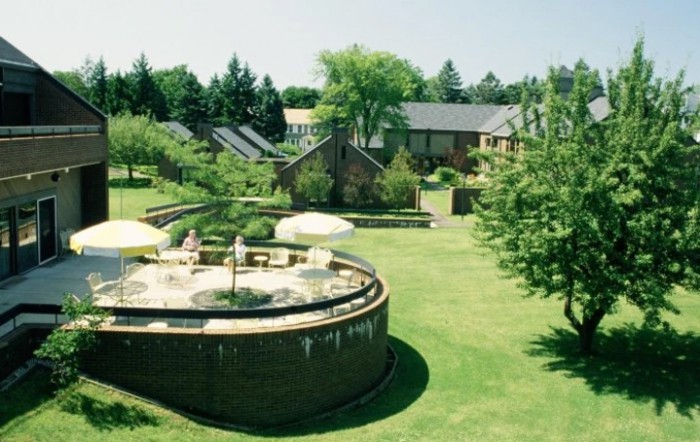


360 Broad Street, Meriden, CT 06450
For more information about senior living options: (866) 208-4318
Overall Review of Miller Memorial Community
Pros
 Some staff truly care about residents.
- There are staff members who genuinely care despite the constraints they face.
Cons
 The facility has unsanitary conditions with scabies that is omnipresent for the better part of four years.
- Many residents have been infected two, three, or four times.
- The equipment is dated.
- A paper cup left under a mom’s bed wasn’t cleaned for two weeks.
- Several managers and staff have left.
- The director of nursing was never available to speak to, and when she was, she was rude, condescending, and appeared rushed.
- The cottages are old, with appliances from the 1970s and overgrown with brush.
- The single rooms fool no one and are a marketing ploy.
Review
Miller Memorial Community in Meriden, CT is best suited for families facing no viable alternatives and for residents whose caregivers are prepared to supervise care intensely every day. The available information portrays a setting where accountability and hands-on oversight become non-negotiable expectations. In ordinary circumstances, this would not be a recommended path for rehab or long-term care. The environment described raises serious concerns about safety and sanitation, so only those willing to accept substantial risk and aggressive advocacy should seriously consider it. For most seniors and their families, there are safer, more reliable options available.
Those evaluating care should actively compare Miller Memorial against facilities with proven infection-control practices, transparent leadership, and modern amenities. Anyone with rehab needs or long-term caregiving expectations should look elsewhere. Families with loved ones who have compromised immune systems, chronic skin conditions, or sensitivity to outbreaks should not rely on this community. Prospective residents who require consistent, compassionate communication from a stable leadership team will likely be dissatisfied, given the turnover and an unavailable director of nursing. In short, this option warrants caution and should be weighed against much stronger-performing facilities.
From the limited positives, one can acknowledge that some staff members truly care. Yet that sympathy is overwhelmed by the core failures: governance unable or unwilling to address sanitation, an ongoing infection risk (scabies) described as pervasive for years, and aged equipment across cottages and kitchens. The single-room offering, often cited as a selling point, reads more as a marketing line that masks cramped, dated living spaces and inadequate upkeep. Any minor comforts are eclipsed by routine cleanliness lapses, delayed maintenance, and a leadership voice that feels inaccessible. Practically, the negatives far exceed any scant, inconsistent positives.
Sanitation is the central risk. The description of scabies present over multiple years, with residents infected repeatedly, signals a severe failure of infection prevention. Personal items and spaces, such as a paper cup left under a bed for two weeks, illustrate a broader neglect in daily housekeeping and routine care. Staffing appears unstable, with turnover among managers and frontline workers, shrinking the capacity to deliver reliable, timely care. The nursing director’s reported unavailability and brusque communication further erode trust. The physical plant mirrors these governance issues: cottages with decades of wear, 1970s-era appliances, and overgrown surroundings. Such conditions undermine both rehabilitation efforts and the daily dignity residents deserve.
For families weighing options, evidence-based diligence is essential. Demand current inspection results, recent infection-control audits, and a transparent sanitation improvement plan. Schedule unannounced tours to observe room conditions, cleanliness, and how common areas are maintained, while speaking directly to front-line staff about workloads and responsiveness. Verify nurse staffing levels, medication-handling procedures, and escalation processes to a stable manager. Compare this facility against others with modern facilities, up-to-date equipment, and proactive leadership. If staying becomes unavoidable, insist on a formal remediation timeline and a written commitment to rapid issue resolution. When safety and clear communication are the baseline, alternatives emerge as the rational default.
 90 resident community capacity
 Skilled Nursing Facility
 Air-conditioning
 Beauty salon
 Cable or satellite TV
 Computer center
 Dining room
 Fitness room
 Fully furnished
 Gaming room
 Garden
 Housekeeping services
 Kitchenette
 Move-in coordination
 Outdoor space
 Private bathrooms
 Restaurant-style dining
 Small library
 Telephone
 Wellness center
 Wi-Fi/high-speed internet available
 Community operated transportation
 12-16 hour nursing
 24-hour call system
 Activities of daily living assistance
 Assistance with bathing
 Assistance with dressing
 Assistance with transfers
 Diabetes diet
 Medication management
 Mental wellness program
 Special dietary restrictions
 Concierge services
 Planned day trips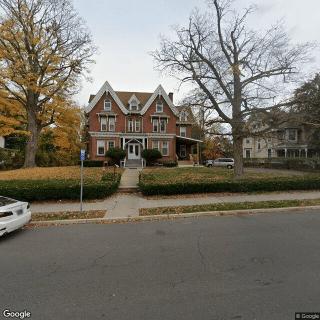





 Senior Move Management: Understanding the Role, Value, and Associated Costs
 Weight Training for Seniors: Building Strength and Vitality
 Understanding the Sandwich Generation: Stress and Responsibilities for Multigenerational Caregivers