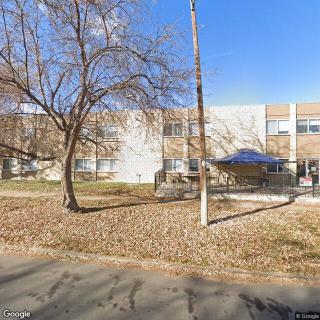
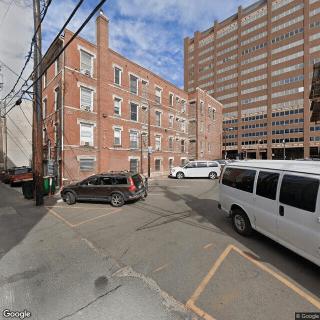
St Paul Health Center in Denver, CO

Save

St Paul Health Center in Denver, CO

1667 Street Paul Street, Denver, CO 80206

For more information about senior living options: (844) 490-3973

3.6 from 56 reviews
5 stars
30
4 stars
5
3 stars
4
2 stars
3
1 stars
14

Skilled Nursing Facility

Overall Review of St Paul Health Center

Pros

  • pro The therapy staff are great.
  • pro Briana and Sandra are incredibly kind and caring toward residents, always going above and beyond to ensure comfort and well-being.
  • pro The facility is clean and well-kept, with outstanding cleanliness creating a welcoming and safe environment.
  • pro The accommodations are incredible and provide everything needed for a comfortable stay, with a peaceful Denver location.
  • pro The administrative staff are easy to work with.
  • pro The concierge is outstanding in taking care of residents' needs and keeping families informed.
  • pro PT, OT, and speech therapy services are top-notch and effective.
  • pro The staff take pride in the care they provide and are dedicated to resident well-being.

Cons

  • pro A reviewer called it the worst facility they've ever seen, with atrocious, dismissive nurses and CNAs who shouldn't be licensed.
  • pro Another reviewer described the center as dirty, smelling like urine, with nasty food.
  • pro A reviewer labeled the place an absolute danger to the health and wellness of all patients.
  • pro A family member said the CNAs were lazy, leaving loved ones in bed for hours and not assisting with basic needs.
  • pro One reviewer claimed management misleads families and only shows the 1st and 2nd floors, hiding problems on other levels.
  • pro A reviewer reported cockroaches in the common areas and rooms, and that the facility smelled of urine.
  • pro The facility was criticized as severely understaffed, with too few nurses for many patients and limited doctor access.
  • pro A reviewer described phone lines on the floors as often unanswered, making it hard to reach staff.
  • pro There was a claim of improper care that led to moving a loved one to another facility.

Review

St. Paul Health Center is best suited for families seeking a rehab-forward environment where measurable recovery, private accommodations, and a concierge-supported experience sit at the center of care. The community earns traction for residents who need strong physical therapy, occupational and speech therapies, and a daily structure that supports return-to-home goals. Those drawn to a Denver location that blends city access with a quieter, private-room setting will find the overall atmosphere appealing. When recovery is the priority - mobility gain, therapy engagement, and clear communication with caregivers - this center often delivers solid outcomes and a tangible sense of progress.

However, alternatives should be on the radar for families that demand unwavering staffing consistency and flawless day-to-day operations. Across reviews, there are persistent threads about understaffing, high turnover, and uneven care from floor to floor. Families report long wait times for assistance, missed calls, and a sense that some shifts lack the attentiveness required for residents with complex needs. Add in occasional concerns about cleanliness, odors on certain areas, and questions about safety monitoring, and the message is clear: the experience can vary markedly depending on which team is on duty. For those who cannot tolerate such variability, other options may offer more predictable daily care.

The strongest positives align with the therapy-centric mission. Therapy teams are frequently described as knowledgeable, motivated, and capable of moving residents toward meaningful functional gains. The concierge service is repeatedly praised for anticipating needs and keeping families informed, a real value when navigating recovery schedules, appointments, and hospital-to-home transitions. Residents praise the ability to access care in a way that feels coordinated, with therapy, dining, and nursing staff often working in concert to support rehabilitation goals. Additionally, private rooms, a generally clean environment, and a location that balances access to city amenities with a calmer residential feel contribute to a favorable impression for many families.

Yet the downsides surface with notable impact. Reports of inconsistent CNA and nurse coverage translate into experiences where basic daily needs aren't met promptly, or where medication administration and doctor access feel delayed. Some families recount difficult experiences with administrative communication, including scarce follow-up on concerns and questions. There are occasional anecdotes of belongings going missing and concerns about laundry and housekeeping on certain floors, which undermine confidence in overall safety and dignity of residents. The building's age is mentioned, sometimes along with discussions of layout and upkeep that influence perceptions of comfort and ease of care.

Admissions, affordability, and policy nuance also color the decision. Some families credit the admissions process with sensitivity and flexibility, including cases where Medicaid or VA arrangements were navigated to prioritize care. Others describe friction or a perception that staff focus shifts toward policy and payment details rather than resident needs. The center's strengths - convenient scheduling, a visible commitment to rehabilitation, and a supportive concierge - are tempered by mixed experiences in how finances and placement decisions are handled. Prospective residents should verify exact coverage, timelines, and what is expected on the floor where care will occur.

In the end, this community can be an excellent fit for those who value robust rehab when choosing a facility and who can invest in a thorough, floor-level tour to verify consistency. The key is to connect with the therapy team, confirm floor-by-floor staffing patterns, and assess cleanliness and responsiveness in real-time. For families prioritizing a predictable daily routine with high-level therapy and a concierge-like touch, St. Paul Health Center offers substantial upside. For those who cannot tolerate uneven staffing, communication gaps, or recurring concerns about safety and daily operations, it is wise to explore alternatives and compare floor-specific experiences before committing.

Features

Housing

  • 150 resident community capacity 150 resident community capacity

Types of Care

  • Skilled Nursing Facility Skilled Nursing FacilitySkilled Nursing Facilities are crucial for seniors as they provide round-the-clock medical care, rehabilitation services, and assistance with daily activities. These facilities ensure that seniors receive the specialized care they need to maintain their health and well-being as they age.

Amenities

  • Air-conditioning Air-conditioningAir conditioning is important for seniors as they are more vulnerable to heat-related illnesses and may have underlying health conditions that make it difficult for them to regulate their body temperature. It helps to keep them comfortable, safe, and healthy in hot weather.
  • Beauty salon Beauty salonBeauty salons are important for seniors because they provide a space for them to feel pampered, socialize, and maintain their personal grooming and hygiene. Regular visits to a beauty salon can help boost seniors' self-esteem and overall well-being.
  • Cable or satellite TV Cable or satellite TVCable or satellite TV is important for seniors because it provides entertainment, news, and companionship, helping to combat loneliness and boredom. It also offers a wide range of programming options tailored to different interests and preferences.
  • Computer center Computer centerA computer center is essential for seniors as it provides access to technology, communication tools, and resources that can enhance their daily lives. It allows them to stay connected with loved ones, engage in online activities, and learn new skills, ultimately promoting socialization and mental stimulation.
  • Dining room Dining roomDining rooms are important for seniors as they provide a space for socialization, connection, and nutritious meals. They offer opportunities for residents to bond over shared meals, foster a sense of community, and promote healthy eating habits. Dining rooms also ensure that seniors have access to well-balanced meals tailored to their dietary needs and preferences.
  • Fitness room Fitness roomHaving a fitness room in a senior living community is essential for seniors to stay active, maintain their physical health, and improve their overall well-being. Regular exercise can help prevent falls, reduce the risk of chronic diseases, and promote mental sharpness. It also provides social opportunities for residents to connect with others and enjoy a sense of community.
  • Fully furnished Fully furnishedFully furnished senior living communities are important for seniors because they provide convenience, comfort, and a hassle-free moving experience. Seniors can easily settle into their new living space without the stress of having to buy and move furniture. This allows them to focus on enjoying their new home and community.
  • Gaming room Gaming roomGaming rooms are important for seniors as they provide a fun and engaging environment for socializing, cognitive stimulation, and physical activity. Games can improve memory, problem-solving skills, and overall mental well-being while fostering friendships and reducing feelings of isolation.
  • Garden GardenGardens are important for seniors as they provide a peaceful and therapeutic environment for relaxation, physical activity, and socialization. Being in nature has been shown to reduce stress, improve mood, and promote overall well-being. Gardens also offer opportunities for seniors to engage in gardening activities, which can improve mobility, flexibility, and cognitive function. Additionally, gardens create a sense of community and connection with others who share a passion for plants and outdoor spaces.
  • Housekeeping services Housekeeping servicesHousekeeping services are important for seniors because they help maintain a clean and safe living environment, promote independence, and reduce the risk of accidents or illnesses. Additionally, having assistance with household chores can alleviate physical strain and allow seniors to focus on other aspects of their well-being.
  • Kitchenette KitchenetteKitchenettes are important for seniors living in senior living communities because they provide the convenience and independence of being able to prepare simple meals and snacks in the comfort of their own living space. This can help promote a sense of autonomy and well-being for seniors, allowing them to maintain some level of control over their dietary choices and daily routines.
  • Move-in coordination Move-in coordinationMove-in coordination is important for seniors because it helps ease the transition into their new living environment. It ensures that all logistics, such as packing, organizing movers, and setting up utilities are taken care of, allowing seniors to focus on settling in and adjusting to their new home. Having a smooth move-in process can alleviate stress and anxiety, making the transition smoother and more enjoyable for seniors.
  • Outdoor space Outdoor spaceOutdoor spaces are important for seniors as they provide opportunities for physical activity, social interaction, exposure to natural light and fresh air, and a sense of connection to nature. Having access to outdoor spaces can improve overall well-being and quality of life for older adults living in senior communities.
  • Private bathrooms Private bathroomsPrivate bathrooms are important for seniors in senior living communities because they provide independence, dignity, and comfort. Having a private bathroom allows seniors to maintain their personal hygiene routines without the need for assistance, promoting a sense of autonomy and privacy. Additionally, private bathrooms help prevent the spread of infections and provide a safe and clean environment for seniors to navigate safely.
  • Restaurant-style dining Restaurant-style diningRestaurant-style dining is important for seniors because it allows them to enjoy delicious, nutritious meals in a social and upscale setting. This enhances their dining experience, promotes healthy eating habits, and fosters socialization with fellow residents, ultimately contributing to their overall well-being and quality of life.
  • Small library Small librarySmall libraries are important for seniors as they provide access to a variety of reading materials, including books, newspapers, and magazines. This can help stimulate their minds, keep them engaged, and provide a sense of community through book clubs and other social activities. Additionally, reading has been shown to improve cognitive function and overall mental well-being in older adults.
  • Telephone TelephoneTelephones are important for seniors as they provide a lifeline for communication with loved ones, emergency services, and healthcare providers. They offer a sense of security and independence, enabling seniors to stay connected and access assistance when needed.
  • Wellness center Wellness centerWellness centers are important for seniors because they offer a variety of programs and services that promote physical, mental, and emotional well-being. These centers provide opportunities for exercise, socialization, education, and relaxation, helping seniors maintain their overall health and quality of life.
  • Wi-Fi/high-speed internet available Wi-Fi/high-speed internet availableWi-Fi/high-speed internet is important for seniors to stay connected with loved ones, access online resources, and participate in virtual activities to combat feelings of loneliness and isolation. It also allows them to easily manage healthcare needs, access entertainment, and engage in lifelong learning opportunities.

Transportation

  • Denver International (17 miles away) Denver International (17 miles away)
  • Community operated transportation Community operated transportationCommunity operated transportation is crucial for seniors as it provides them with the means to access essential services, social activities, and medical appointments. It allows seniors to maintain their independence and quality of life by ensuring they can participate in activities outside of their homes. Additionally, community-operated transportation services offer a safe and reliable way for seniors to travel without having to rely on family or friends for assistance.
  • Transportation arrangement Transportation arrangementTransportation arrangements are crucial for seniors as they may face challenges with driving, mobility, or access to public transportation. Having reliable transportation services ensures that seniors can easily attend appointments, social activities, and maintain their independence and quality of life.
  • Transportation arrangement (non-medical) Transportation arrangement (non-medical)Transportation arrangements are essential for seniors as they provide access to essential services, activities, and social interactions outside the home. This service helps maintain independence, mobility, and overall well-being for seniors who may have limited transportation options.
  • Transportation to doctors appointments Transportation to doctors appointmentsTransportation to doctors appointments is crucial for seniors as it ensures they have access to necessary medical care and support, promoting their health and well-being. It allows them to receive timely treatment, monitor existing conditions, and address any new health concerns efficiently. Additionally, transportation services can help seniors maintain their independence and quality of life by enabling them to stay connected with their healthcare providers.

Care Services

  • 12-16 hour nursing 12-16 hour nursing12-16 hour nursing care is crucial for seniors in order to ensure around-the-clock monitoring, timely medication administration, and prompt response to any health concerns or emergencies. This level of care helps to promote the overall well-being and safety of seniors living in senior living communities.
  • 24-hour call system 24-hour call system24-hour call systems are important for seniors because they provide peace of mind and immediate assistance in case of emergencies. This technology ensures that help is always available, promoting safety and security for elderly individuals living alone or in assisted living facilities.
  • 24-hour supervision 24-hour supervision24-hour supervision is important for seniors to ensure their safety, well-being, and access to immediate assistance in case of emergencies or health issues. This constant support provides peace of mind for both seniors and their loved ones, allowing them to age in place with dignity and security.
  • Activities of daily living assistance Activities of daily living assistanceActivities of daily living assistance are important for seniors because they provide essential support with tasks such as eating, bathing, dressing, and mobility. This assistance helps seniors maintain their independence, dignity, and overall quality of life as they age.
  • Assistance with bathing Assistance with bathingAssistance with bathing is crucial for seniors as it helps maintain personal hygiene, prevents infections, and ensures their overall well-being and comfort. It also provides a sense of dignity and independence for seniors who may struggle with this task on their own.
  • Assistance with dressing Assistance with dressingAssistance with dressing is important for seniors because it helps maintain their independence, promotes personal hygiene, prevents accidents and injuries, and improves overall quality of life. This service ensures that seniors can continue to dress comfortably and confidently, despite any physical limitations they may have.
  • Assistance with transfers Assistance with transfersAssistance with transfers is crucial for seniors as it helps prevent falls and injuries, maintains their independence, and ensures they can safely navigate their living environment. It also provides peace of mind for both seniors and their loved ones.
  • Diabetes diet Diabetes dietA diabetes diet is crucial for seniors as it helps manage blood sugar levels, reduce risks of complications, and improve overall health and well-being. By following a balanced and nutritious diet tailored to their specific needs, seniors can better control their diabetes and enhance their quality of life.
  • Meal preparation and service Meal preparation and serviceMeal preparation and service are crucial for seniors as they may have limited mobility or energy to cook nutritious meals. Having access to healthy and convenient food options can ensure they are getting the proper nutrition needed to maintain their overall health and well-being.
  • Medication management Medication managementMedication management is crucial for seniors to ensure they are taking the right medications at the correct dosages and times. This helps prevent adverse drug interactions, reduces the risk of medication errors, and promotes overall health and well-being. Proactive management also allows for adjustments as needed based on changing health conditions or new prescriptions.
  • Mental wellness program Mental wellness programMental wellness programs are essential for seniors as they promote cognitive stimulation, emotional support, and social engagement. These programs help prevent isolation, depression, and cognitive decline, ultimately enhancing the overall quality of life for older adults.
  • Special dietary restrictions Special dietary restrictionsSpecial dietary restrictions are important for seniors because age-related changes in metabolism and health conditions can make it difficult for their bodies to process certain foods. By following a diet tailored to their specific needs, seniors can maintain their overall health and well-being, manage chronic conditions, and reduce the risk of complications such as malnutrition or food interactions with medications.

Dining

  • Diabetes diet Diabetes dietA diabetes diet is crucial for seniors as it helps manage blood sugar levels, reduce risks of complications, and improve overall health and well-being. By following a balanced and nutritious diet tailored to their specific needs, seniors can better control their diabetes and enhance their quality of life.
  • Special dietary restrictions Special dietary restrictionsSpecial dietary restrictions are important for seniors because age-related changes in metabolism and health conditions can make it difficult for their bodies to process certain foods. By following a diet tailored to their specific needs, seniors can maintain their overall health and well-being, manage chronic conditions, and reduce the risk of complications such as malnutrition or food interactions with medications.

Activities

  • Community-sponsored activities Community-sponsored activitiesCommunity-sponsored activities are important for seniors as they provide opportunities for social interaction, mental stimulation, and physical activity. These activities can help improve overall well-being, combat loneliness and isolation, and promote a sense of belonging and purpose among older adults.
  • Concierge services Concierge servicesConcierge services are essential for seniors as they provide assistance with daily tasks and errands, enhance their quality of life by offering convenience and personalized care, and promote a sense of safety and security.
  • Fitness programs Fitness programsFitness programs are crucial for seniors as they help improve strength, flexibility, balance, and overall well-being. Staying active can reduce the risk of chronic diseases, improve mental health, and enhance quality of life in older adults.
  • Planned day trips Planned day tripsPlanned day trips are important for seniors because they offer opportunities for socialization, mental stimulation, and physical activity. They provide a change of scenery and help seniors stay engaged and connected to their community, promoting overall well-being and quality of life.
  • Resident-run activities Resident-run activitiesResident-run activities are important for seniors as they encourage social interaction, creativity, and a sense of autonomy. These activities empower seniors to stay engaged and active in their community while fostering meaningful connections with their peers.
  • Scheduled daily activities Scheduled daily activitiesScheduled daily activities are important for seniors because they provide structure, socialization, mental stimulation, and physical activity. Engaging in regular activities can improve overall well-being and quality of life for seniors living in a community setting.

Description

The St Paul Health Center in Denver, CO is a vibrant assisted living community that offers a wide range of amenities and care services to ensure the comfort and well-being of its residents. With a focus on providing personalized care, this community strives to create a warm and welcoming environment for its residents.

Residents at St Paul Health Center can enjoy the convenience of having on-site amenities such as a beauty salon, cable or satellite TV, a computer center, and a gaming room. The community also provides transportation services for both daily activities and medical appointments, making it easier for residents to stay connected and engaged with the outside world.

The spacious dining room offers restaurant-style dining experiences where residents can savor delicious meals prepared by skilled chefs. Special dietary restrictions are accommodated to ensure that each resident's nutritional needs are met.

Staying physically active is encouraged through the fitness room and wellness center, where residents can participate in fitness programs tailored to their abilities. Planned day trips and scheduled daily activities provide opportunities for socialization and engagement with fellow residents.

For those who seek tranquility outdoors, there is an outdoor space and garden where residents can relax amidst nature's beauty. Additionally, the small library offers a cozy spot for reading or quiet reflection.

Care services at St Paul Health Center are comprehensive and include 24-hour call systems, 24-hour supervision, assistance with activities of daily living such as bathing and dressing, medication management, diabetes diet support, meal preparation services, mental wellness programs, and assistance with transfers. The staff members are dedicated professionals trained to provide compassionate care.

Located in Denver, CO, the community boasts convenient access to various amenities nearby. There are numerous cafes, parks, pharmacies, physicians' offices, restaurants as well as places of worship within close proximity. Transportation options are readily available for easy commuting.

Overall, St Paul Health Center offers an enriching assisted living experience with its array of amenities and care services. Residents can expect comfort, convenience, and a vibrant community that supports their overall well-being.

Nearby Places of Interest

This particular area of Denver, Colorado, offers a variety of amenities and services that may be appealing to seniors looking for a vibrant and convenient living environment. With several parks nearby, such as City Park and Cheesman Park, residents can enjoy the outdoors and stay active. There are also numerous dining options within close proximity, including Cerebral Brewing, Snooze, an A.M. Eatery, and Cherry Cricket. For medical needs, there are hospitals like National Jewish Health and Webb Center for Primary Care in the area, as well as pharmacies like Walgreens and CVS Pharmacy. Additionally, there are several places of worship for spiritual support and cafes like Aviano Coffee and Crema Coffee House for socializing with friends or simply enjoying a cup of coffee. Public transportation options are easily accessible with the RTD Rail - 38th & Blake Station nearby. This area provides a mix of recreational opportunities, healthcare facilities, dining options, and transportation services that may be appealing to seniors seeking a dynamic community to call home.

Parks

  • City Park (0.3 miles)
  • Cheesman Park (1.3 miles)
  • Benedict Fountain Park (1.7 miles)
  • Bonnie Brae Ellipse Park (3 miles)
  • Confluence Park (3.1 miles)
  • Washington Park (3.1 miles)
  • Infinity Park (3.2 miles)

Restaurants

  • Cerebral Brewing (0.4 miles)
  • Snooze, an A.M. Eatery (1.2 miles)
  • Charlie's Denver (1.3 miles)
  • X Bar (1.5 miles)
  • Cherry Cricket (1.6 miles)
  • NoRth (1.7 miles)
  • Domino's Pizza (1.7 miles)

Hospitals

  • National Jewish Health (0.6 miles)
  • Webb Center for Primary Care (2.4 miles)
  • Cherry Creek Eye Center (3.2 miles)

Pharmacies

  • Walgreens (0.7 miles)
  • Walgreens (1.7 miles)
  • CVS Pharmacy (2.2 miles)
  • Walgreens (2.2 miles)
  • Walgreens (2.4 miles)
  • CVS Pharmacy (2.5 miles)
  • Walgreens (2.5 miles)

Physicians

  • Center For Hearing, Speech, & Language (1 miles)
  • Rose Medical Center Medical Libr (1.2 miles)
  • Children's Medical Center (1.2 miles)
  • Orthopedic Associates (1.3 miles)
  • Denver Health: Gipson Eastside Family Health Center (1.5 miles)
  • Colorado Kids Pediatrics (2.9 miles)
  • Cherry Creek Pediatrics (3.2 miles)

Theaters

  • Amc 9+Co 1 (1.2 miles)
  • Regal UA Denver Pavilions 4DX & RPX (2.1 miles)

Places of Worship

  • St John's Cathedral (1.5 miles)

Cafes

  • Aviano Coffee (1.6 miles)
  • Starbucks (1.6 miles)
  • Crema Coffee House (2 miles)
  • Improper City (2.1 miles)
  • Starbucks (2.5 miles)
  • Starbucks (3 miles)
  • Huckleberry Roasters (3.7 miles)

Transportation

  • RTD Rail - 38th & Blake Station (2.2 miles)
  • United Airlines Flight Training Center (3.1 miles)

Frequently Asked Questions

Where is St Paul Health Center?
What photos are available for St Paul Health Center in Denver, Colorado?

Nearby Communities

  • Montview Manor

    Montview Manor

    Denver, CO

    3.3 from 7 reviews
    $517 to $736 / month

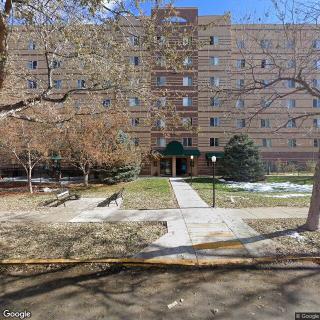
    pro Beautiful setting near parks with bright, large windows and affordable pricing.

  • Higgins Plaza

    Higgins Plaza

    Denver, CO

     
    $4,594 to $5,512 / month

    pro Excellent access to nearby amenities and services.

  • Elizabeth Home

    Elizabeth Home

    Denver, CO


    pro Strong access to dining, parks, healthcare, transportation, and cultural amenities.

  • Monroe House RTF

    Monroe House RTF

    Denver, CO


    pro Intimate 12-resident community with comprehensive care (24-hour supervision, ADL assistance, diabetes-friendly dining), plus housekeeping and move-in coordination.

  • City Park Plaza Apartments

    City Park Plaza Apartments

    Denver, CO


    pro Excellent access to nearby amenities and healthcare.

  • Argus of Colorado Home Health Agency

    Argus of Colorado Home Health Agency

    Denver, CO


    pro Personalized care with easy access to healthcare and nearby amenities.

  • Right at Home of Denver

    Right at Home of Denver

    Denver, CO


    pro Excellent access to nearby amenities (cafes, parks, pharmacies, hospitals, restaurants, theaters).

  • Denver North Care Center

    Denver North Care Center

    Denver, CO

    5 from 4 reviews
     

    pro Friendly, courteous staff with regular outings and healthy meals.

  • Third Way Ctr

    Third Way Ctr

    Denver, CO

    3.1 from 17 reviews
    $4,960 to $6,890 / month

    pro Extensive nearby amenities and healthcare access.

Related Resources

  • how to pay for nursing home care with social securityFinancing Long-Term Nursing Home Care Through Social Security: A Thorough Exploration

    The article explores the complexities of using Social Security to finance long-term nursing home care in the U.S., detailing eligibility requirements and misconceptions, while emphasizing that these benefits often do not cover full costs and highlighting the need for strategic financial planning and professional guidance.

  • pneumonia in elderlyEssential Knowledge on Pneumonia in Older Adults

    Pneumonia significantly affects older adults due to weakened immune systems and atypical symptoms that complicate diagnosis, necessitating early detection and tailored treatment. Risk factors include chronic diseases and cognitive impairments, with preventive measures like vaccinations and healthy lifestyles being crucial for reducing risk.

  • palliative care at homeExploring Palliative Care in the Home: A Comprehensive Overview


    Palliative care enhances the quality of life for seriously ill patients by providing comprehensive support at home through a multidisciplinary team, addressing various needs and prioritizing comfort over curative treatments. While it offers personalized care and involves family in decision-making, challenges like caregiver stress and logistical issues persist, with growing demand prompting advancements in technology and healthcare policies to improve access.