
1663 Steele St # 101, Denver, CO 80206
To contact a resident: (303) 320-6133
For more information about senior living options: (866) 208-4318
Montview Manor Costs & Pricing
Montview Manor offers a compelling alternative for those seeking affordable living options in comparison to both Denver County and the broader state of Colorado. For instance, the monthly cost of a one-bedroom unit at Montview Manor is just $517, significantly lower than the $3,768 average in Denver County and $4,119 statewide. Similarly, the two-bedroom units at Montview Manor are priced at $736, providing an even more attractive rate compared to Denver County's average of $3,789 and a state average of $4,580. These competitive prices make Montview Manor an appealing choice for residents looking to enjoy quality living without the financial strain typical of the surrounding areas.
| Floor plans | Montview Manor | Denver County | Colorado |
|---|---|---|---|
| 1 Bedroom | $517 | $3,768 | $4,118 |
| 2 Bedrooms | $736 | $3,789 | $4,580 |
Independent Living communities with a similar price nearby
-
from +$28 / mo
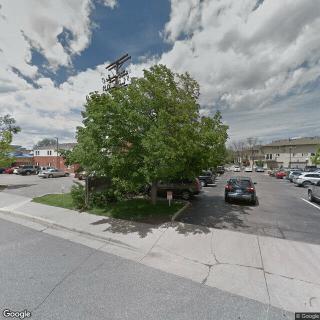
Kentucky Circle Village
$545 / month3.1 miles away -
from +$80 / mo
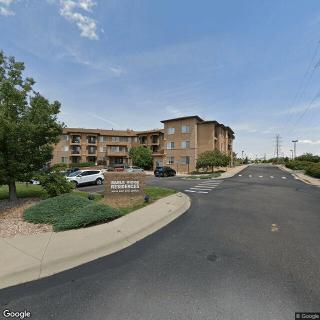
Sable Ridge Apartments
$597 to $720 / month7.7 miles away -
from +$83 / mo
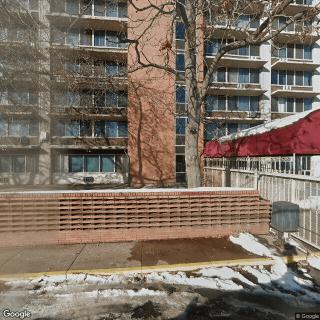
Brentwood Tower
$600 to $850 / month5.3 miles away -
About the same

Applewood
$525 / month10.1 miles away
Overall Review of Montview Manor
Pros
 The mother has lived there for seven years and loves it.
- The place was beautiful and seemed to cater to the residents.
- The apartments were nicely sized.
- The setting is really nice.
- The windows are almost floor-to-ceiling.
- The director was very friendly and the place was very nice.
- A resident showed a visitor a one-bedroom unit that was small but nice.
Cons
 The administrator was extremely rude and short.
- The administrator continued to argue that she wasn't being rude.
- Her customer service was terrible.
- There is a 12-month waiting list and a $2,500 occupancy fee.
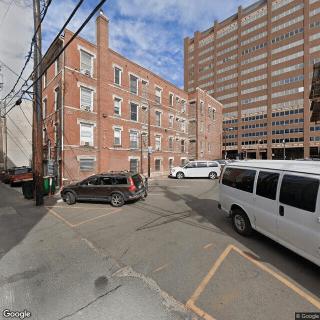
- Parking is a problem because there are not enough parking spaces for residents, so street parking is the only option, and even on Sundays it is hard to find a space.
Review
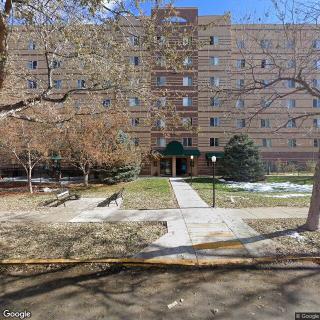
Montview Manor is best suited for independent seniors who prize a picturesque, park-adjacent setting and a compact, well-kept apartment inside a small, resident-focused community. It appeals to those who value curb appeal, proximity to cultural and outdoor amenities, and a sense of familiarity from long-tenured residents who speak positively about life there. The environment suits residents who are not in a rush to move and who can tolerate a few practical frictions in exchange for ambiance, location, and an on-site atmosphere that feels homey. It is particularly attractive to individuals who prioritize aesthetics and a neighborly vibe over spacious layouts or rapid placement.
Prospective buyers should already know who may want to consider alternatives: those who require quick move-in or larger apartment options will likely hit friction here, given the long waiting list and the tendency toward small units. Families and placements partners should note a documented instance of rude customer-service interaction during an information call, which raises concerns about responsiveness and professional tone in ongoing inquiries. For move-ins driven by time or budget, another community may deliver faster access or more transparent pricing. And for residents whose daily routine depends on easy, abundant parking, the current parking shortage is a material constraint that can color daily life from the outset.
The strongest positives center on atmosphere and setting. The property is described as beautiful and well-maintained, with windows that bring in substantial natural light and a sense of openness for smaller units. The location, across from a large park and museums, adds cultural and recreational value that can meaningfully enhance daily living, especially for residents who enjoy walks, outings, and easy access to green space. Additionally, residents report a friendly director and a facility that genuinely seems to cater to its people, not merely to its paperwork. Long-term residents who have stayed for years indicate a stable, satisfying environment for those whose priorities align with a quiet, aesthetically pleasing home base.
Yet, the drawbacks are consistently tangible and not easily dismissed. Parking is unreliable, with insufficient resident spaces forcing dependence on street parking even on Sundays. The 12-month waiting list compounds the challenge for anyone needing timely placement, effectively locking families into a choice that may not fit urgent timelines. A $2,500 occupancy fee adds a sizeable upfront financial hurdle that can influence overall affordability and long-range planning. The units themselves tend to be described as small, which, for households needing more living space or a dedicated live-in caregiver setup, may limit suitability. Finally, the mixed experiences with administrative touchpoints, most notably the alleged rude encounter during an information call, temper enthusiasm and should be weighed against the otherwise favorable qualitative impressions.
In practical terms, families weighing Montview Manor should evaluate what matters most: if beauty, ambiance, and proximity to parks and cultural venues are decisive, and the plan can tolerate smaller living spaces and a longer wait, this community can deliver a satisfying, long-term home. If, however, ease of access to parking, rapid move-in, predictable administrative service, and lower upfront costs outweigh the appeal of setting and aesthetics, alternatives deserve serious consideration. Prospective residents are advised to tour with questions about parking strategies, current wait times, and the specifics of the occupancy fee, and to speak candidly with current residents about daily routines and staff responsiveness. The decision hinges on aligning personal priorities with the distinctive trade-offs Montview Manor represents.
Overall, Montview Manor serves a distinct subset of seniors very well: those who value a charming, park-adjacent setting, a resident-centric vibe, and a manageable, intimate apartment experience, and who can accept a 12-month horizon, a sizable upfront fee, and parking constraints as part of the package. For others, especially those needing quick access, larger homes, or consistently responsive customer service, exploring alternatives is prudent. The right fit hinges on placing quality of life and environment at the forefront while recognizing the practical costs and logistical realities that accompany this particular community.
 Independent Living
 Cats allowed
 Dogs allowed
 Activities on-site
 Bath tubs
 Beautician on-site
 Indoor common areas
 Outdoor common areas
 Denver International (17 miles away)
 Meals provided

 Understanding the Sandwich Generation: Stress and Responsibilities for Multigenerational Caregivers
 8 Essential Assistive Devices for Older Adults
 Navigating the Financial Road to Nursing Home Care: In-Depth Guidance and Resources