Residents and families repeatedly describe staff as genuinely caring and patient.
Many reviews emphasize how staff treated people with warmth, patience, and respect. Several visitors said staff checked in often and engaged beyond just medical tasks, including listening and offering support. A few comments also describe therapists and staff working as a steady, structured presence during recovery.
common5 reviews mention this
Therapy, groups, and counseling
Reviews point to therapy and group support as part of daily recovery.
Multiple reviewers describe counseling, group therapy, and therapy sessions that helped them move forward. One review specifically mentions groups being closely scheduled, and others describe detox and addiction-treatment support presented in a structured way. Across these comments, the emphasis is on support that feels practical and focused rather than distant.
caveat2 reviews mention this
Phone communication gets mixed
Phone communication is inconsistent, with some experiences falling short.
One reviewer describes reaching a real person who answered thoughtfully and helped set the next steps. Another reviewer reports a much worse experience, including a call being hung up and poor communication compared with other facilities. Together, the reviews suggest that phone responsiveness and professionalism can vary.
common2 reviews mention this
Secure access and check-in
Visitors mention smooth, secure access and improved check-in.
Some reviews highlight that it is easy to access loved ones with secure entry. A visitor also mentions that a newer computerized check-in can work well when staff are not at the desk, while still valuing in-person staff interaction when available.
How we summarize
Counts show how many written reviews mention each theme; a review can touch several themes, and only frequently mentioned themes are displayed.
Features
Housing
208 resident community capacity
Types of Care
Skilled Nursing Facility
Amenities
Air-conditioning
Beauty salon
Cable or satellite TV
Computer center
Dining room
Fitness room
Fully furnished
Gaming room
Garden
Housekeeping services
Kitchenette
Move-in coordination
Outdoor space
Private bathrooms
Restaurant-style dining
Small library
Telephone
Wellness center
Wi-Fi/high-speed internet available
Transportation
Burbank-Glendale-Pasadena (6 miles away)
Los Angeles International (23 miles away)
Community operated transportation
Transportation arrangement
Transportation arrangement (non-medical)
Transportation to doctors appointments
Care Services
12-16 hour nursing
24-hour call system
24-hour supervision
Activities of daily living assistance
Assistance with bathing
Assistance with dressing
Assistance with transfers
Diabetes diet
Meal preparation and service
Medication management
Mental wellness program
Special dietary restrictions
Dining
Diabetes diet
Special dietary restrictions
Activities
Community-sponsored activities
Concierge services
Fitness programs
Planned day trips
Resident-run activities
Scheduled daily activities
Nearby Places of Interest
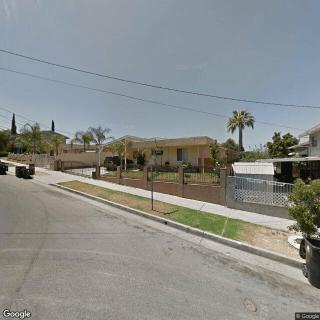
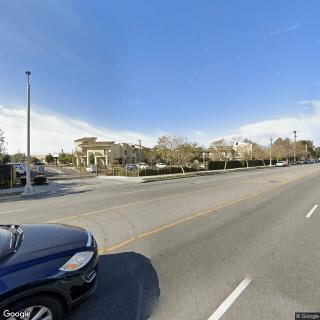
This part of Sylmar, California, offers a convenient location with easy access to essential amenities for seniors. There are several pharmacies within a short distance, ensuring timely access to medications and healthcare supplies. Additionally, there are reputable hospitals nearby, providing quality medical care in case of emergencies or routine check-ups. The area also features a variety of dining options, including popular fast-food chains and cafes for casual meals or social outings. For recreational activities, there are parks for outdoor relaxation and physicians for regular health check-ups. Transportation options are available for easy travel within the city or to neighboring areas. Overall, this neighborhood provides a blend of convenience and comfort for seniors considering senior living in Sylmar.
Pharmacies
CVS Pharmacy (2.3 miles)
CVS Pharmacy (2.6 miles)
Rite Aid (2.7 miles)
Walgreens (3.5 miles)
CVS Pharmacy (3.9 miles)
CVS Pharmacy (4 miles)
Rite Aid (4.8 miles)
Hospitals
Tebi, Sina Dr - Providence Holy Cross Medical Center Diabetes Education (3.3 miles)
Olive View Ucla Medical Center (4.2 miles)
Kaiser Permanente Emergency (4.6 miles)
Rinaldi Convalescent Hospital (5.1 miles)
Veterans Administration (5.2 miles)
Restaurants
McDonald's (3.8 miles)
McDonald's (4.3 miles)
Wendy's (4.9 miles)
Sugar Suite (5.6 miles)
In-N-Out Burger (6.1 miles)
Del Taco (7 miles)
Wendy's (7.6 miles)
Places of Worship
Immanuel Bible Church (4.4 miles)
Parks
Playground (4.8 miles)
O'Melveny Park (6.4 miles)
Lake Balboa Park (8.6 miles)
Van Nuys Sherman Oaks Park (8.7 miles)
Encino Bike Path (9.4 miles)
Physicians
Mid-Valley Comprehensive Health Center (5.8 miles)
Southern California Orthopedic Institute (6.9 miles)
Medicare covers in-home health care services, which are medical and provided by licensed professionals under a physician's supervision, whereas non-medical personal assistance is generally not covered unless part of a broader skilled care plan. Eligibility for benefits depends on being homebound and needing intermittent skilled services from a Medicare-certified agency, with specific coverage limitations and additional resources available for navigating options.
In-home care is increasingly sought after by older adults for maintaining independence, with average private home care rates in 2025 varying by state and service type, reflecting geographical and local labor market influences. As demand rises, families are considering funding options like Medicaid waivers and long-term care insurance to manage costs effectively while ensuring quality care.
Home health care has become essential for supporting independence among the aging population, offering diverse services such as skilled nursing and rehabilitation in familiar environments, while also incorporating technology for personalized care. Despite its benefits, including improved recovery rates and emotional well-being, challenges like safety, staff availability, and insurance navigation must be managed for effective implementation.
Get PricingAsk A QuestionSchedule A TourContact Senior Advisor
By clicking submit, you agree to our Partner's Terms of Use. You
also consent to receive calls and texts, which may be autodialed, from our Partner. Your consent is not a condition to
using our Partner's service. Please visit our Partner's Privacy Policy for information about their privacy practices.

 208 resident community capacity
 Skilled Nursing Facility
 Air-conditioning
 Beauty salon
 Cable or satellite TV
 Computer center
 Dining room
 Fitness room
 Fully furnished
 Gaming room
 Garden
 Housekeeping services
 Kitchenette
 Move-in coordination
 Outdoor space
 Private bathrooms
 Restaurant-style dining
 Small library
 Telephone
 Wellness center
 Wi-Fi/high-speed internet available
 Burbank-Glendale-Pasadena (6 miles away)
 Community operated transportation
 12-16 hour nursing
 24-hour call system
 Activities of daily living assistance
 Assistance with bathing
 Assistance with dressing
 Assistance with transfers
 Diabetes diet
 Medication management
 Mental wellness program
 Special dietary restrictions
 Concierge services
 Planned day trips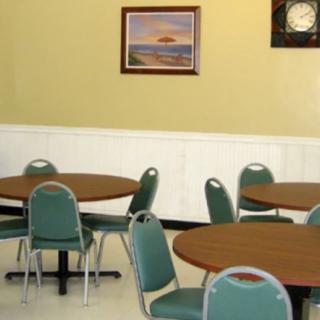
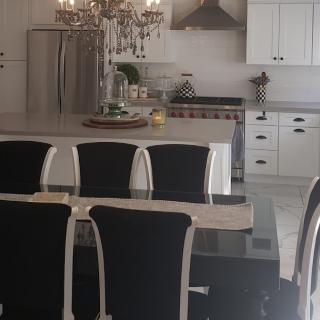
 Wide range of amenities and 24/7 care, including restaurant-style dining, transportation, beauty salon, fitness, and connected living.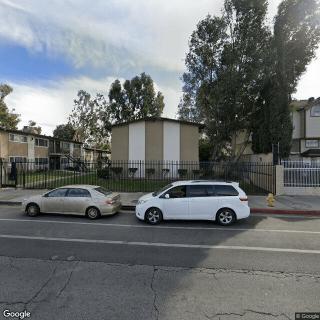
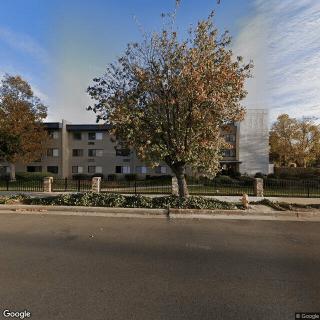

 Navigating Medicare Coverage for In-Home Care Services
 In-Home Care Costs in 2025: A Detailed State-by-State Exploration
 Understanding Home Health Care: A Comprehensive Guide