
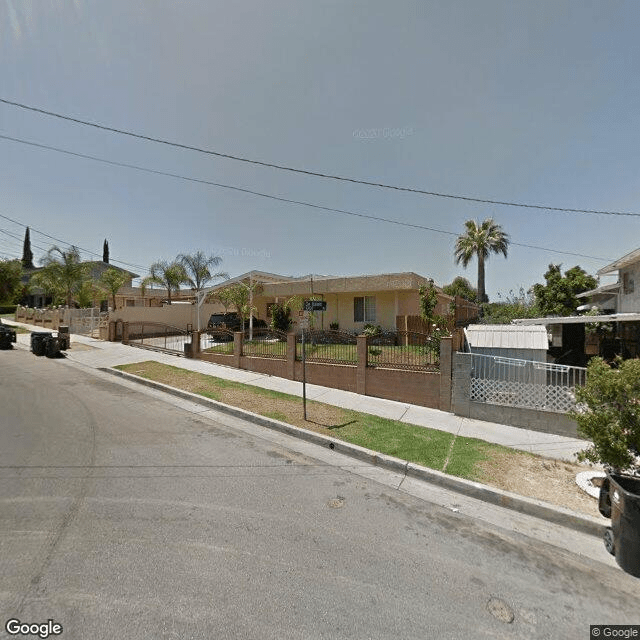
12523 Terra Bella Street, Pacoima, CA 91331
To contact a resident: (818) 890-2689
For more information about senior living options: (866) 208-4318
Isis Home Cares Inc Costs & Pricing
Isis Home Cares Inc stands out as a budget-friendly option in the realm of senior care, particularly when compared to both Los Angeles County and broader California averages. For semi-private rooms, Isis charges $2,500 per month, which is significantly lower than the county average of $3,349 and the state average of $3,333. Similarly, its private room rates are competitively priced at $2,800 - again well below Los Angeles County's average of $4,197 and California's state average of $3,939. This pricing structure not only highlights Isis Home Cares Inc's commitment to affordability but also underscores its appeal to those seeking quality care without the often prohibitive costs associated with similar facilities in the area.
| Floor plans | Isis Home Cares Inc | Los Angeles County | California |
|---|---|---|---|
| Semi-Private | $2,500 | $3,349 | $3,333 |
| Private | $2,800 | $4,197 | $3,939 |
Senior living communities with a similar price nearby
-
from -$300 / mo
Precious Someone Homecare
$2,200 to $3,300 / month13.0 miles away -
from +$250 / mo
Dignity Care Home 1
$2,750 to $4,150 / month5.3 miles away -
About the same
Eleanor's Residential Home
$2,500 to $6,000 / month18.8 miles away -
from -$300 / mo
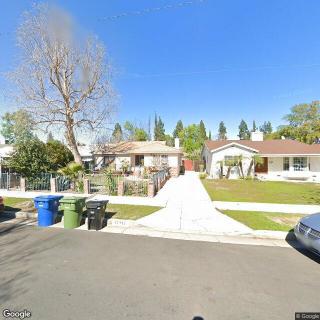
Granada Hills Gardens
$2,200 to $3,500 / month5.7 miles away -
About the same
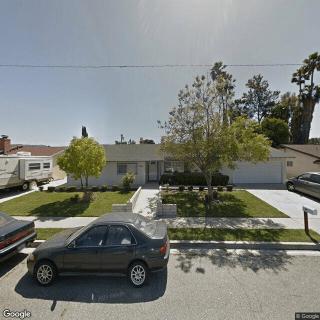
Our Home
$2,500 to $3,000 / month21.2 miles away
Overall Review of Isis Home Cares Inc
Pros
 They are very impressed by the director and what she has to offer.
- The director loves the view from the backyard.
- They loved the director and her overall package in dementia care and activities.
- The home is gorgeous.
- The newness and location are appealing.
- The place is amazing and her mission is compelling.
Cons
 They can't get past the newness and location.
- There are no Japanese residents at this time.
Review
Isis Home Cares Inc in Pacoima is best suited for families seeking a dementia-focused, home-like care setting where the director’s hands-on leadership drives daily life, and where intimate, relationship-driven care matters more than scale. This community is ideal for families who prize a small, personal environment, a caregiver-led approach, and meaningful daily engagement over the anonymity of a larger campus. The standout selling point is a warm, live-in feel, an updated, well-kept home with a backyard that offers a inviting view, paired with a clear emphasis on memory-care activities and individualized attention.
Those who should consider alternatives are families needing a more robust clinical footprint, a larger staff-to-resident ratio, or a longer track record of memory-care outcomes. If a resident requires extensive medical oversight, specialized equipment, or a broader spectrum of therapeutic programs, a bigger, more established memory-care community may serve better. Additionally, cultural programming can be a factor; current feedback notes there are no Japanese residents at this time, even though the owner brings Japanese cuisine and origami into the caregiving experience. For families seeking a diverse resident community or multilingual staff, exploring other options is prudent.
The strongest positives center on leadership and the dementia-focused package. The director’s genuine engagement, coupled with a plan for activities tailored to memory-care needs, creates a predictable, purpose-filled day for residents. The home environment itself contributes to calm routines and familiar rituals, which are critical in dementia care. The location’s accessibility and the freshness of the setting add appeal, reinforcing a sense of safety and comfort. The willingness to customize experiences, such as incorporating cultural touches through cooking demonstrations or crafts, enhances meaning and personal relevance for residents.
However, the mid-range rating and the implied limitations of a smaller operation signal clear trade-offs. A newer, smaller home can mean evolving policies, less benchmarking data, and a reliance on a single leader to shape every facet of care. The perception of location and neighborhood fit may vary, and that can matter for family members with specific commute or access considerations. The absence of current Japanese residents might disappoint families seeking an immediately visible cultural community, even though the director’s everyday practices show thoughtful attention to cultural preferences.
Despite these caveats, the pros align well with practical needs in dementia care. The intimate staff-resident relationship, continuous caregiver access, and highly personalized activity planning can translate into higher daily engagement and less agitation than a larger, impersonal setting might deliver. The modern, well-kept home environment supports safety and ease of supervision, reducing some common caregiver stresses. The distinctive touches, the chef’s Japanese cuisine and origami, signal a genuine, person-centered approach that tends to resonate with families who want care that feels less institutional and more like a chosen home.
For families weighing a visit, the smart move is to verify concrete aspects beyond the qualitative appeal. Seek current staffing ratios, credentialing, and the specific memory-care framework employed (including medication management, wandering safeguards, and emergency protocols). Request a full tour with questions about activity schedules, family communication practices, and how care plans adapt to changing cognitive needs. If cultural programming or language support is non-negotiable, confirm what is realistically available and how quickly residents can participate in planned activities. If the resident expects a larger community experience or more formal clinical oversight, alternatives should be pursued, but for those who value a hands-on, dementia-centric approach delivered in a warm home, Isis Home Cares Inc represents a credible option worth a thorough comparison with several other providers.
 Board and Care Home
 Activities off-site
 Bath tubs
 Beautician on-site
 Devotional services off-site
 Indoor common areas
 Outdoor common areas
 Private
 Respite or short term stays offered
 Burbank-Glendale-Pasadena (5 miles away)
 Ambulatory care
 High acuity care
 Incontinence care
 Medication management
 Meals provided


 6 Crucial Ways an Elder Law Attorney Assists Families
 Navigating the Tax Landscape of Caregiving: Credits, Deductions, and Beyond
 Highly Beneficial Low-Impact Exercises for Senior Living Residents