
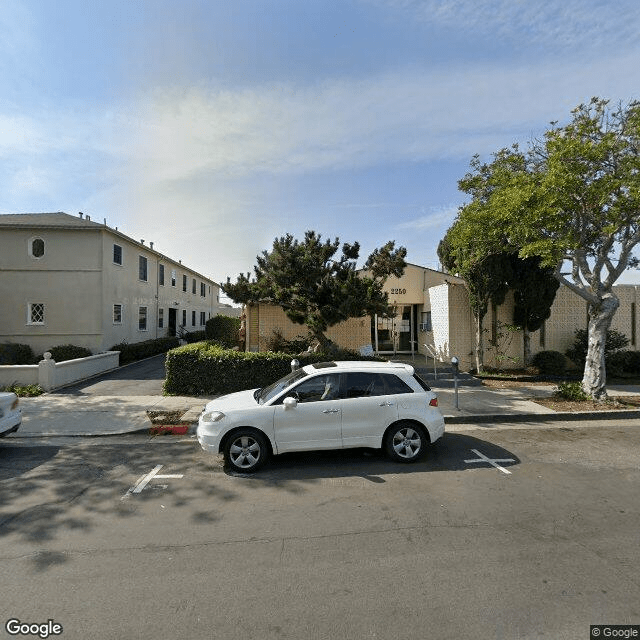
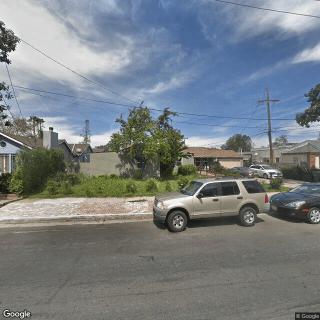
2250 29th St, Santa Monica, CA 90405
To contact a resident: (310) 450-7694
For more information about senior living options: (866) 208-4318
Overall Review of Santa Monica Convalescent Ctr
Pros
 The facility is small, pretty, clean, and secure.
- The staff are nice and strive to accommodate residents' needs.
- The center is well-lit, creating a welcoming environment that families appreciate.
- The nurses are very sweet to residents.
- The doctor who helped place a family member into the center is appreciated, and the family would recommend it to others.
- The Santa Monica Convalescent Center is described by a reviewer as the best among convalescent centers.
- The locked-entry design provides safety for residents.
Cons
 They claim this facility is the worst SNF in greater Los Angeles.
- They urge that the place be closed down and turned into a 7/11 gas station.
- They reported that patients’ clothes were lost and transportation to the doctor’s office was canceled twice and rescheduled.
- They allege there was no empathy or information given about a loved one’s death, and that charts and medications were switched.
- They state medications were swapped between patients, including blood thinners.
- They describe neglect: the mother-in-law was found in soiled clothes and left in a room with a deceased patient and eight other patients with no staff to provide care.
- They say the facility destroyed their trust and that they pursued police notification and potential legal action.
- They warn others not to send their loved ones there, citing language barriers, poor communication, and routine neglect such as infrequent baths and cold, disgusting food.
Review
Santa Monica Convalescent Center is best suited for families seeking a compact, secured post-acute setting in Santa Monica where hands-on oversight is practical and a steady, intimate care routine can be maintained with close family involvement. The building earns praise for a calm, clean environment and a lockable perimeter that discourages wandering, with a small garden that offers a respite from clinical corridors. Some reviewers describe the staff as warm and the meals as acceptable, and a physician’s involvement helped place a resident smoothly. For families prioritizing a straightforward, low-traffic setting over hospital-like acuity, this center can feel manageable and approachable.
Yet serious red flags permeate the reviews. Recurrent reports describe lost clothing, canceled doctor visits, and delays in transportation, but the most alarming issues center on medication errors and miscommunication around a resident’s death. The impression conveyed is of inconsistent staffing and variable care quality, with at least one account of chart switching and dangerous delays in response. Language gaps and perceived indifference from leadership further undermine trust. For families intent on predictability, safety, and transparent accountability, these patterns push alternatives to the top of the consideration list.
Pros in this setting, its small, contained footprint, basic cleanliness, and occasional nurturing staff, offer a modest bulwark against chaos when everything aligns. The presence of a physician who previously facilitated placement and a few genuinely caring nurses suggest potential for meaningful, person-centered care. However, these positives are dwarfed by the core risks: medication mishaps, poor notification about patient status, and snapshots of neglect, such as patients remaining in rooms with others who have passed or being left without adequate supervision. The disparity between small-town warmth and systemic lapses creates a trust deficit that no amount of kindness can fully repair.
Families considering this center should secure hard safeguards before admission. A written, itemized medication plan with daily dosing, pharmacy verification, and rapid reconciliation procedures are essential. A dedicated care coordinator or primary nurse should be available for daily updates, with guaranteed English-speaking staff during all shifts. Demand a transparent incident-reporting process, prompt family briefings, and a clear escalation path for concerns. Inspect daily routines, observe responsiveness to calls for assistance, and verify transportation reliability. A trial period with measurable milestones and a contingency plan can reveal whether claimed commitments translate into real-world consistency.
This facility may suit an elderly resident transferring from hospital who benefits from security and a quiet, predictable routine, assuming robust family oversight. It is less appropriate for someone with advanced dementia, significant functional dependence, or a history of medication-management challenges, where lapses can have immediate, serious consequences. For those residents, exploring larger SNFs with memory-care wings, or hospital-affiliated centers known for stronger QA processes, will typically yield steadier outcomes. Given the mixed reviews, a candid, side-by-side comparison with potential alternatives is mandatory before any placement decision is made.
Bottom line: this center is not a reliable default choice for families pursuing long-term safety and uniform quality. It can work for highly involved families who can supervise daily care and tolerate variability in staffing, but it is not ideal for vulnerable residents requiring consistent medication management and proactive, empathetic communication. When reliability, transparency, and steady clinician oversight matter most, actively compare options, prefer larger, well-staffed facilities with memory-care capabilities or not-for-profit SNFs with proven track records, before committing to Santa Monica Convalescent Center.
 Skilled Nursing Facility
 Los Angeles International (6 miles away)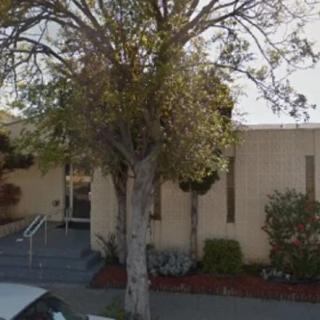

 Exploring Nonmedical Home Care: Understanding Services, Costs, and Financial Approaches
 Engaging Brain Games and Innovative Apps to Keep Senior Minds Active
 Effective Strategies for Keeping Seniors' Minds Active: A Deep Dive into Brain Games and Apps